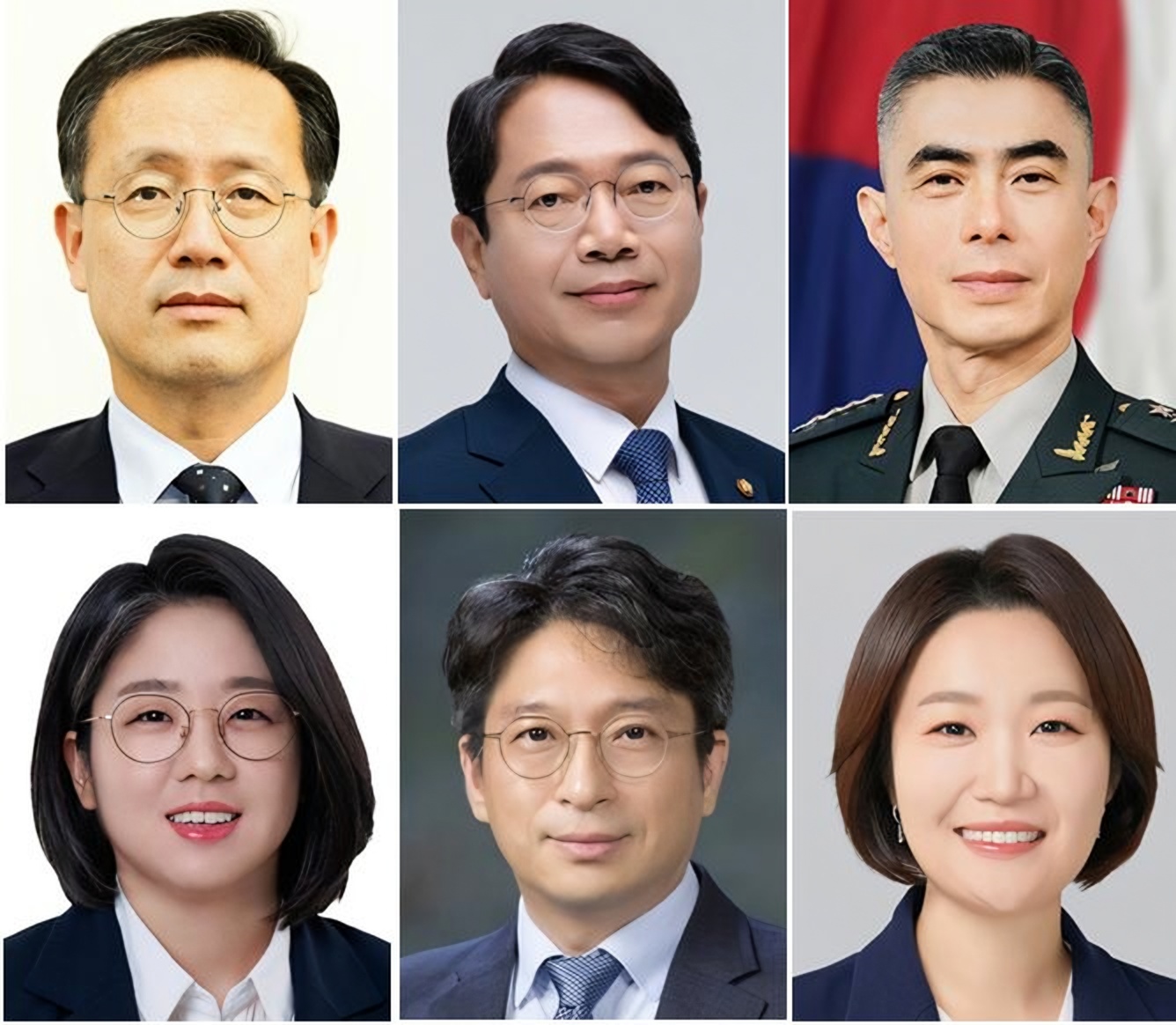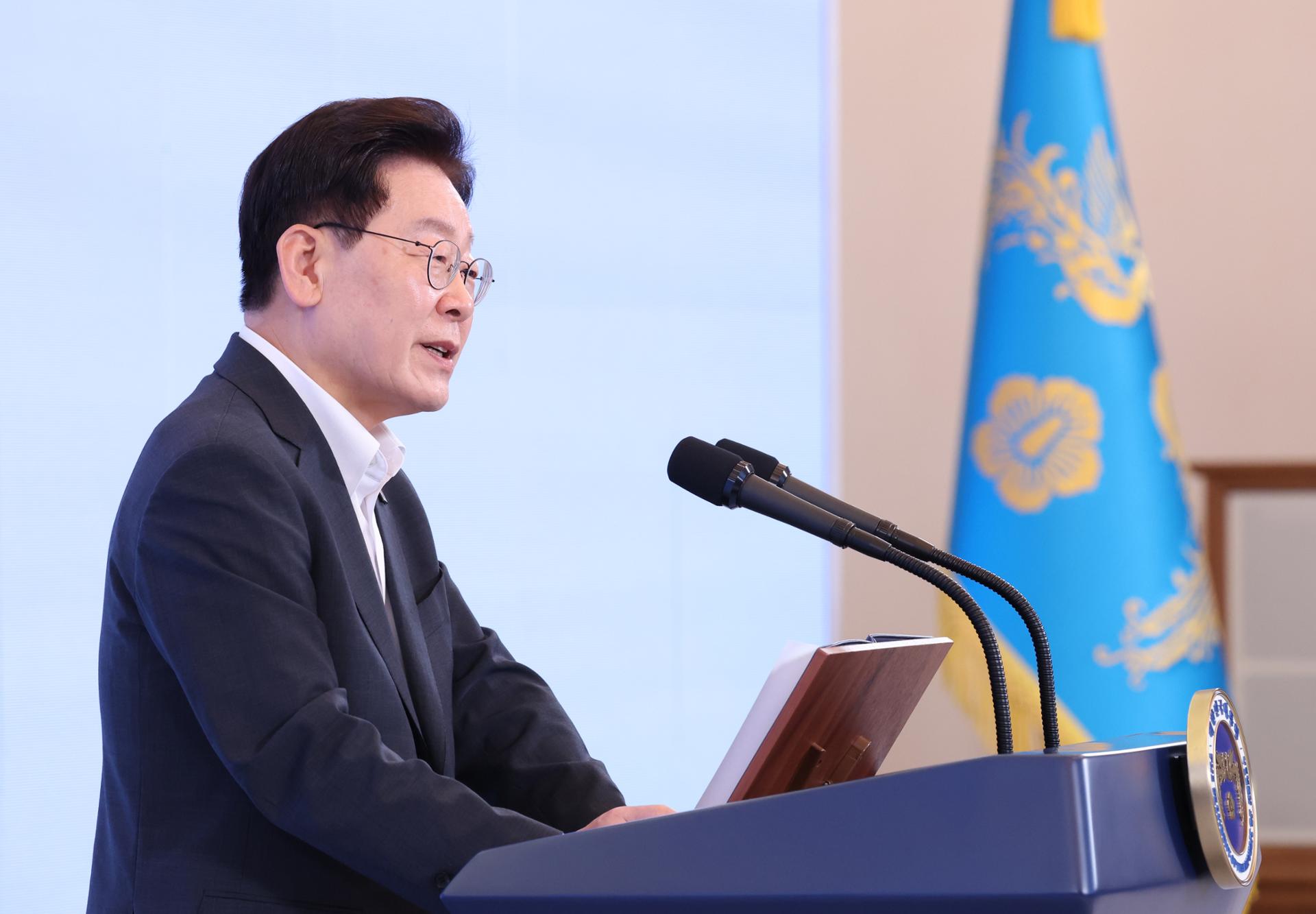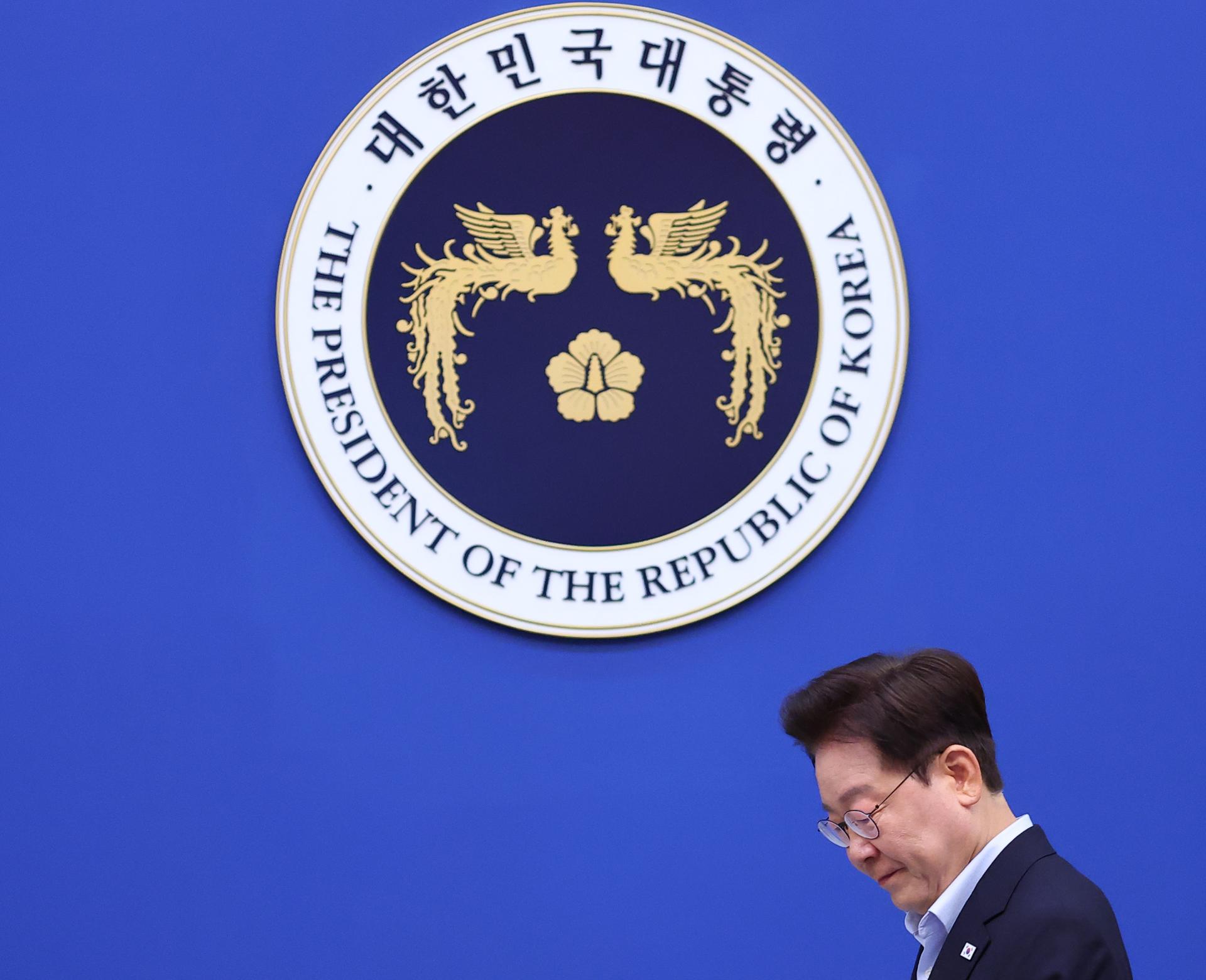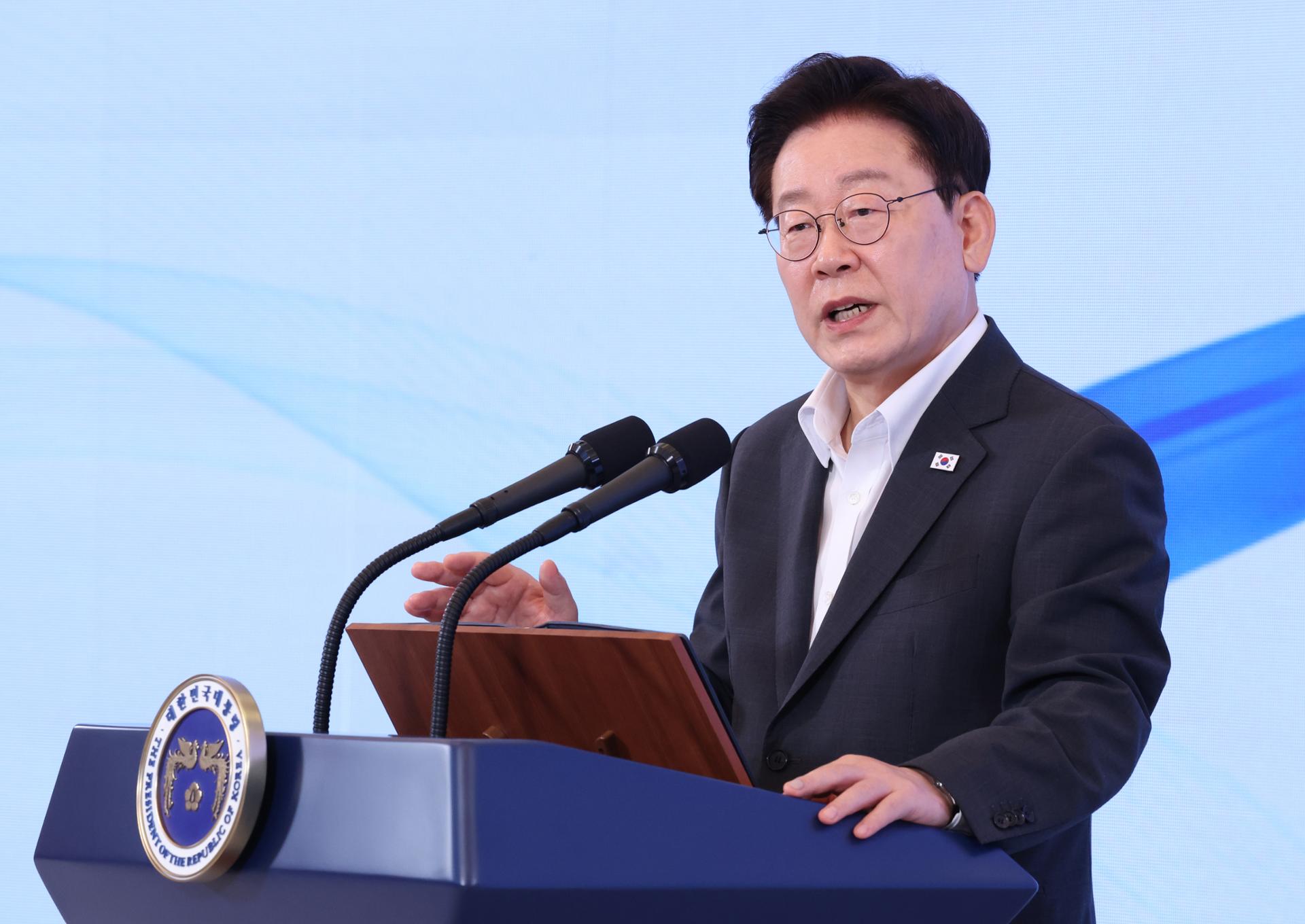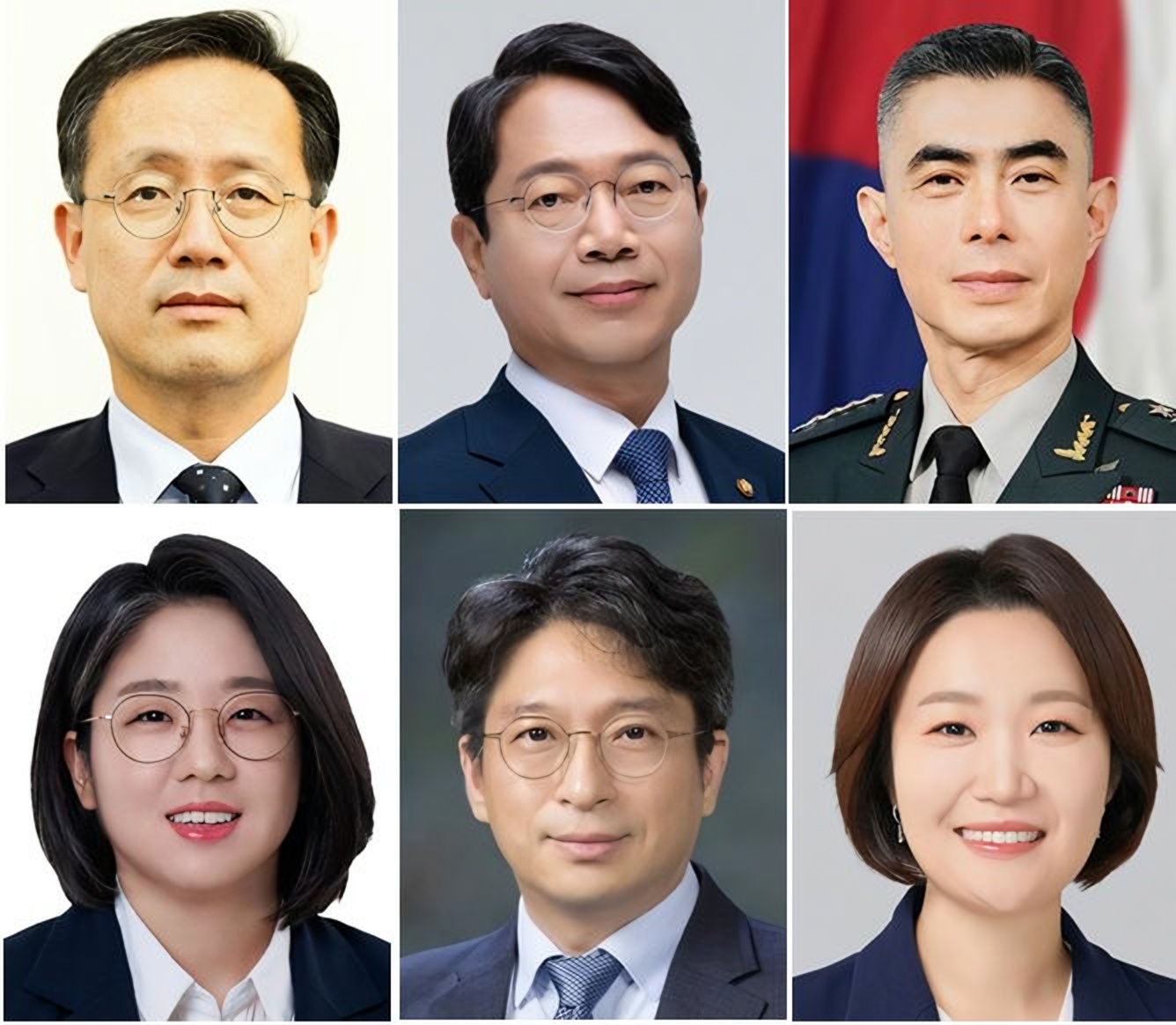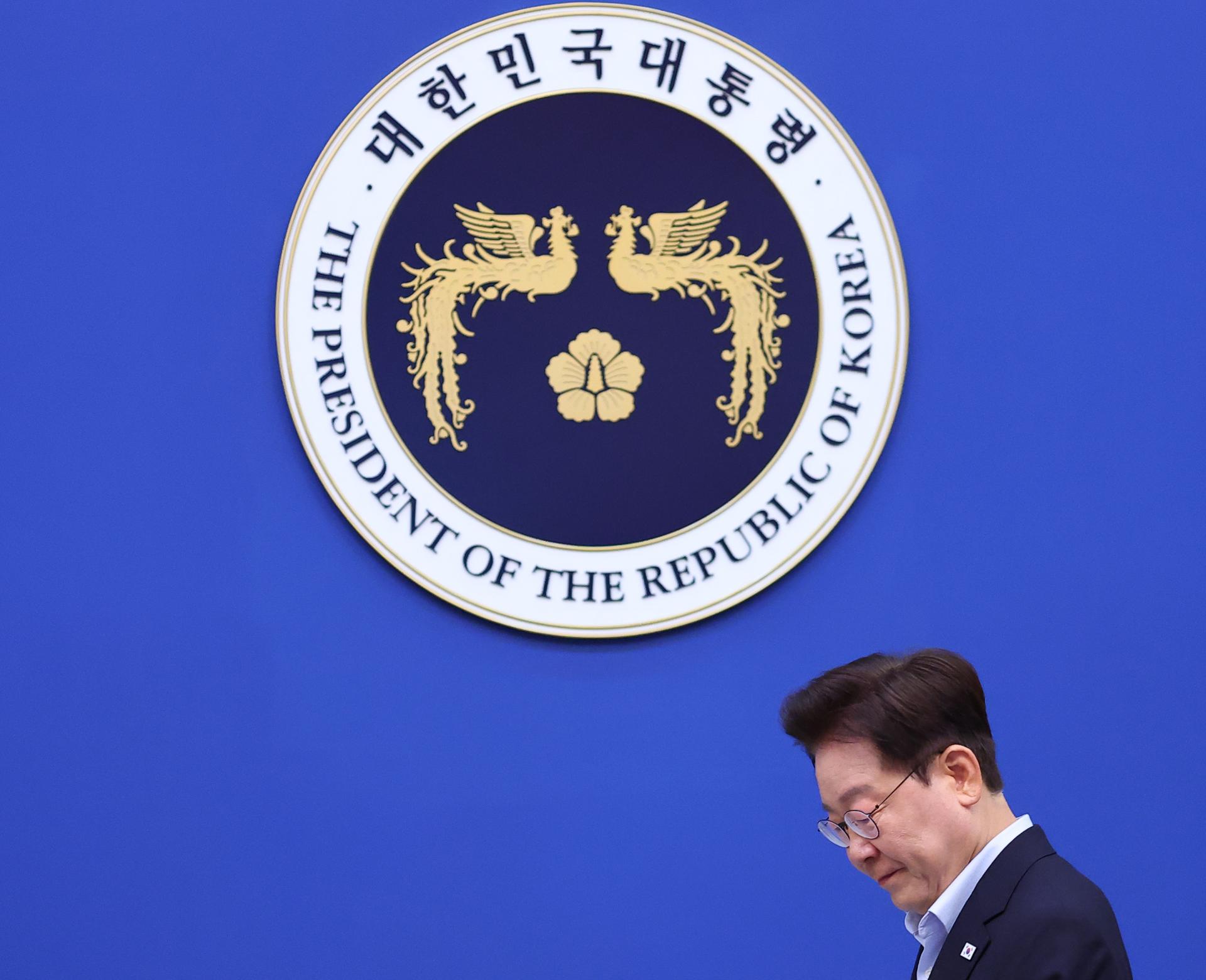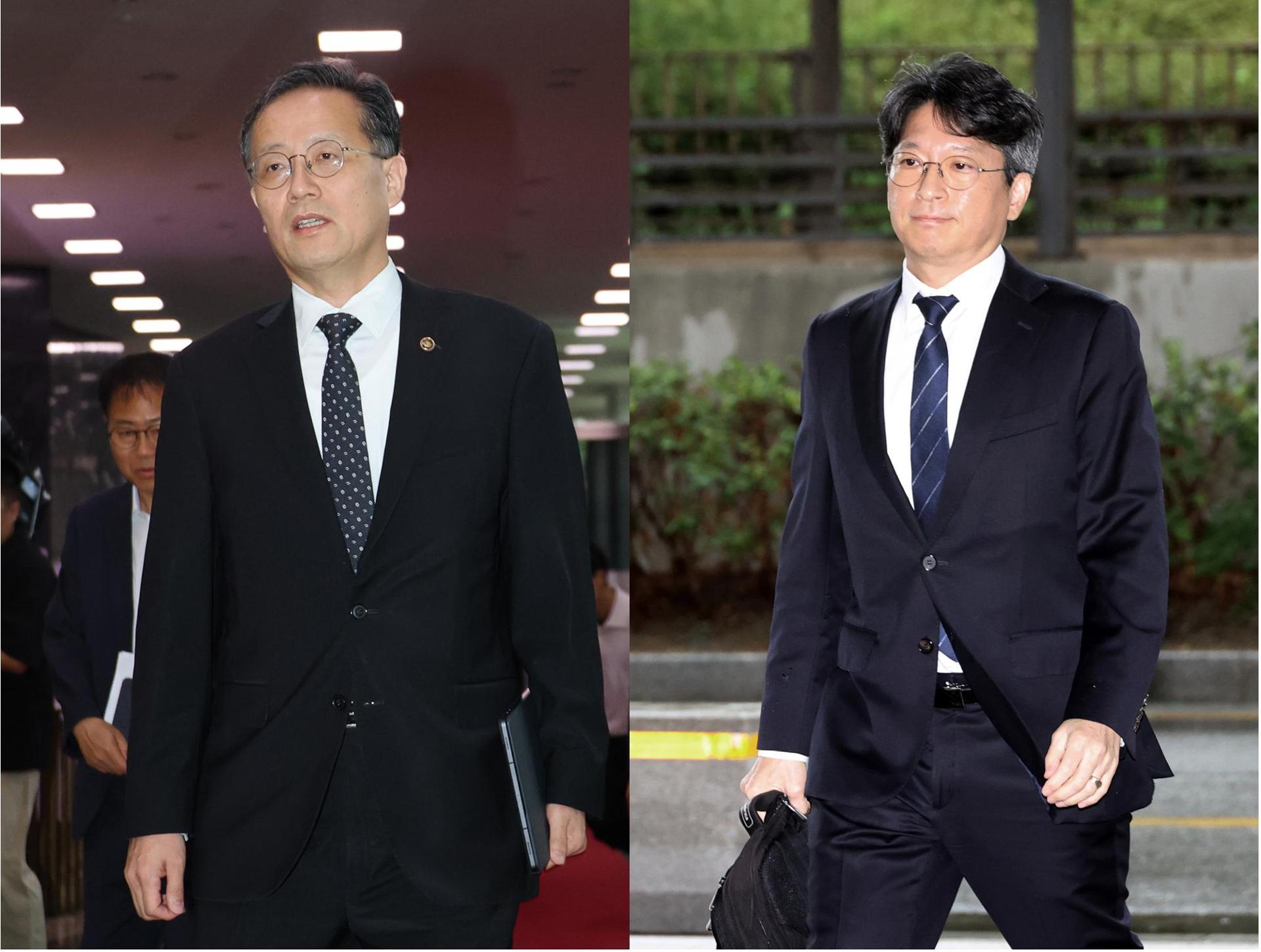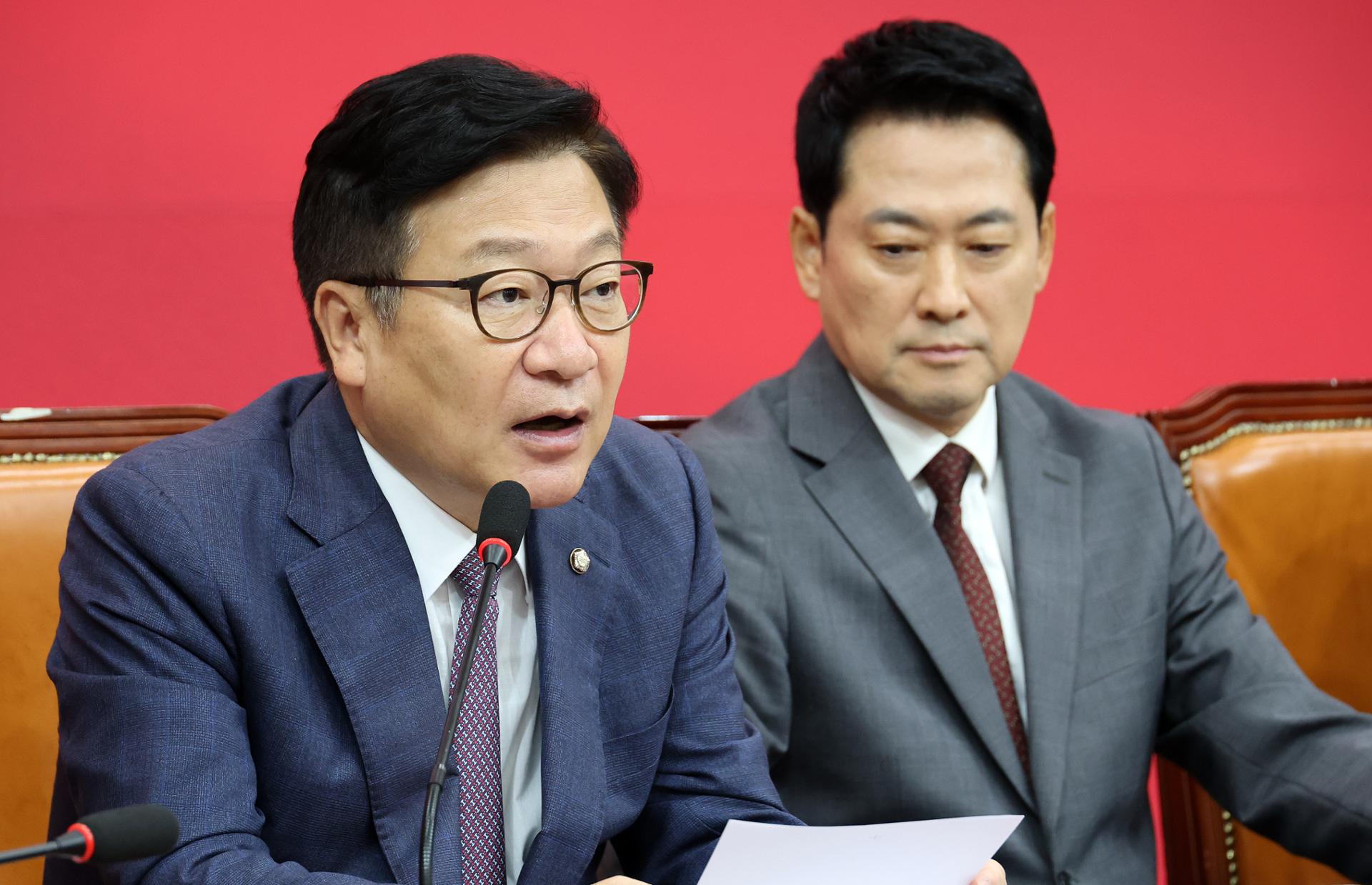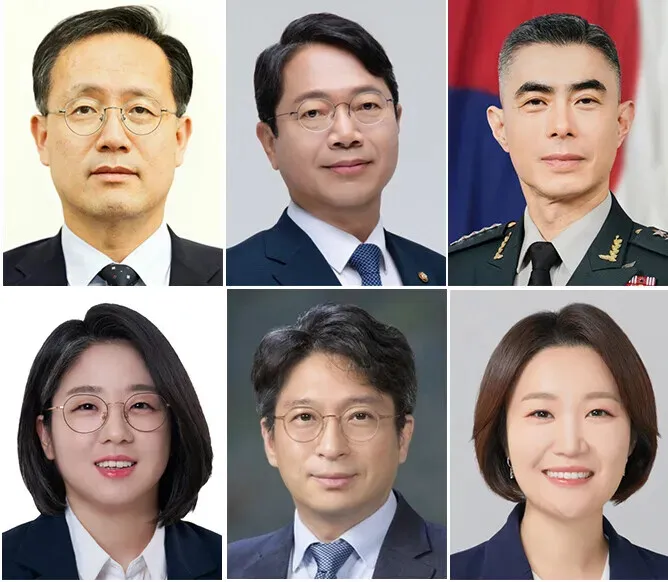
President Lee Jae Myung reshuffled six Cabinet posts, replacing the ministers of justice, finance, infrastructure, defense, SMEs, and family on Sunday. A few new presidential aides have also been named. While many had expected a limited reshuffle to fill two vacant posts, the administration instead opted for a broader shake-up, apparently seeking to stem the accelerating decline in its approval ratings and regain the momentum needed to advance its agenda in its second year in office.The nominations of Basic Income Party Rep. Yong Hye-in as the minister of gender equality and family, former South Gyeongsang Governor Kim Kyoung-soo — also known for his closeness to former President Moon Jae-in — as special aide for political affairs, and Rebuilding Korea Party Rep. Lee Hai-min as senior secretary for AI future planning appear to signal a commitment to not only expand the party’s appeal to centrist and conservative voters, but also to prioritize unity within the broader ruling bloc.Given that broader appeal to the center is more likely to succeed when the administration has a solid base of support among its core supporters, these appointments deserve to be viewed in a positive light. The administration appears to have responded to public criticism surrounding the real estate tax reform plan and housing supply measures by nominating First Vice Finance Minister Lee Hyoung-il as deputy prime minister for economic affairs and Vice Minister for Transport Hong Jee-sun as minister of land, infrastructure and transport. Promoting current vice ministers suggests that the administration is not seeking to overturn existing policies but rather acknowledging criticism that policy implementation has not been sufficiently meticulous and smooth. As such, the administration is signaling that it will draw on the expertise of professional bureaucrats and adhere to its principles while being flexible when implementing policy. To fill the current vacant post of justice minister, Lee has tapped Democratic Party Rep. Kim Seung-won, a strong advocate of prosecutorial reform. Kim faces the challenge of ensuring a stable transition ahead of the October launch of the new public prosecution office and the complete separation of powers of investigation and prosecution. As co-leader of a group of Democratic Party lawmakers demanding that what they call trumped-up indictments against the president be dismissed, Kim has long argued that charges lodged against Lee Jae Myung under his predecessor Yoon Suk-yeol should be dropped. However, he should bear in mind that the public is unlikely to embrace dismissing the charges against the president unless definitive legal evidence is first secured to prove that prosecutors fabricated the charges during the Yoon administration. If anything, the push may undermine the administration’s governing momentum. Results of a Gallup Korea poll released Friday showed that Lee’s approval rating fell to 42%. Hopefully this reshuffle will serve as an opportunity for the Blue House, the administration, and the ruling party to turn over a new leaf, achieve tangible results on issues affecting people’s livelihoods, and regain the public’s trust.
[Editorial] Cabinet reshuffle is a chance for Lee administration to turn things around
This should be an opportunity for the ruling camp to turn over a new leaf, achieve tangible results on issues affecting people’s livelihoods, and regain the public’s trust
489 words~2 min read