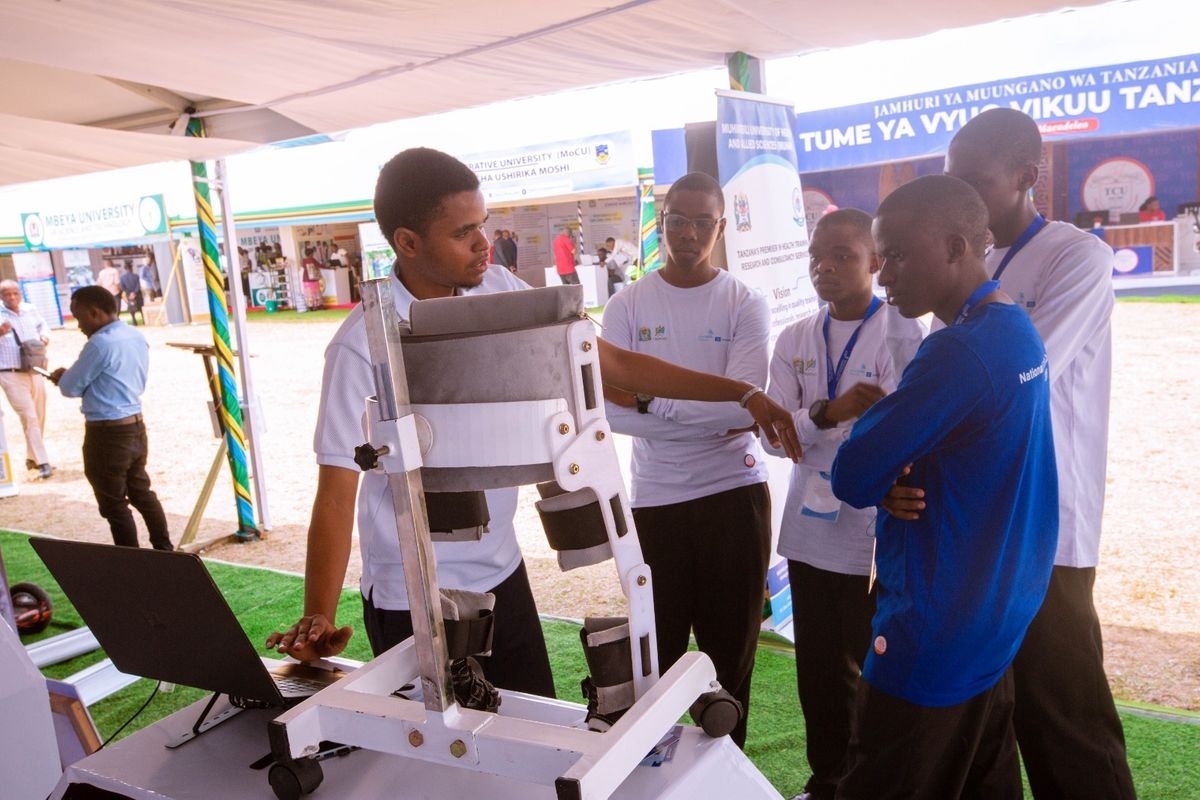
The Nigerian Communications Commission (NCC) recently challenged young innovators to build technology for people with disabilities. At its fourth Hackathon Live Show, held in Abuja on August 26 and 27, 2026, contestants developed solutions under the theme “Technology Without Barriers.” The solutions included AI-powered speech-to-text, real-time sign language translation, voice-enabled complaint systems, accessible customer care services, image-to-voice navigation and inclusive employment platforms.
Some of the barriers faced by people with disabilities require specialised technology to overcome. But the hackathon comes against a problem Nigeria has been documenting for years: many of the digital platforms people are expected to use remain inaccessible.
The scale of that problem matters. The National Commission for Persons with Disabilities (NCPWD) estimates that about 35 million Nigerians are persons with disabilities. For this population, an inaccessible digital platform can become a barrier to applying for jobs, accessing financial services, registering for education, obtaining identification or using government services that are increasingly delivered online.
The inaccessible accessibility benchmark