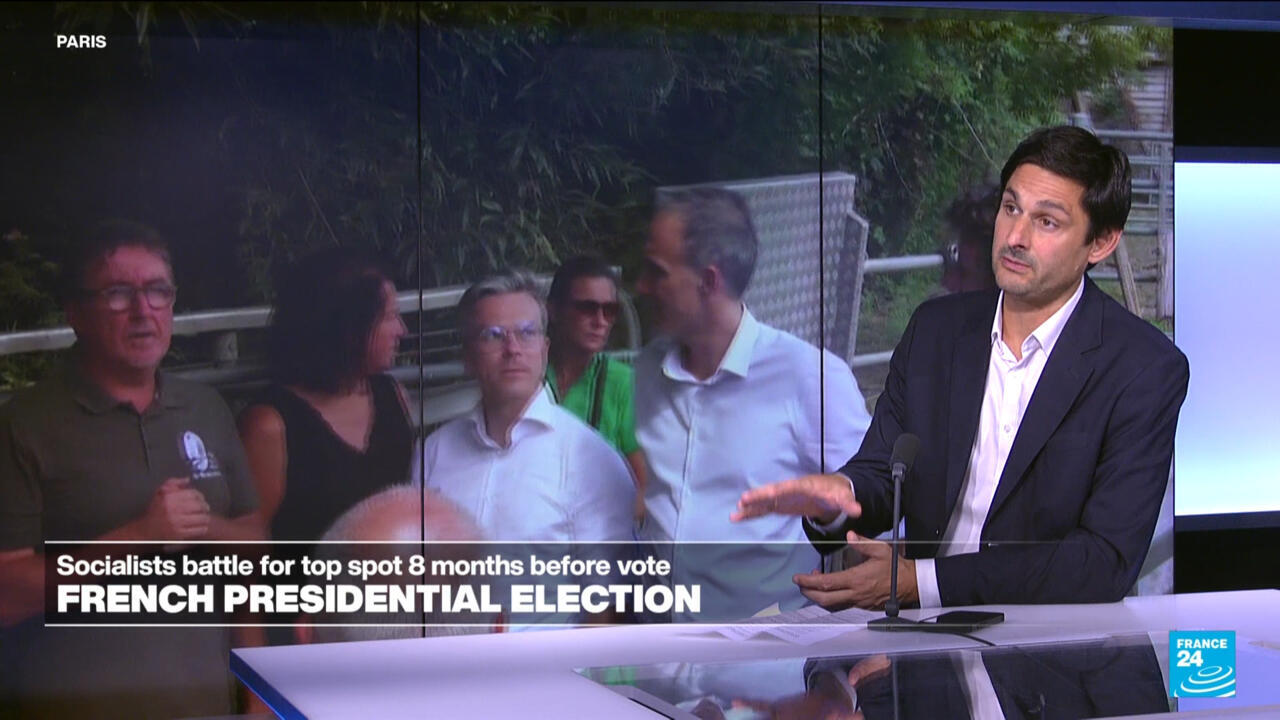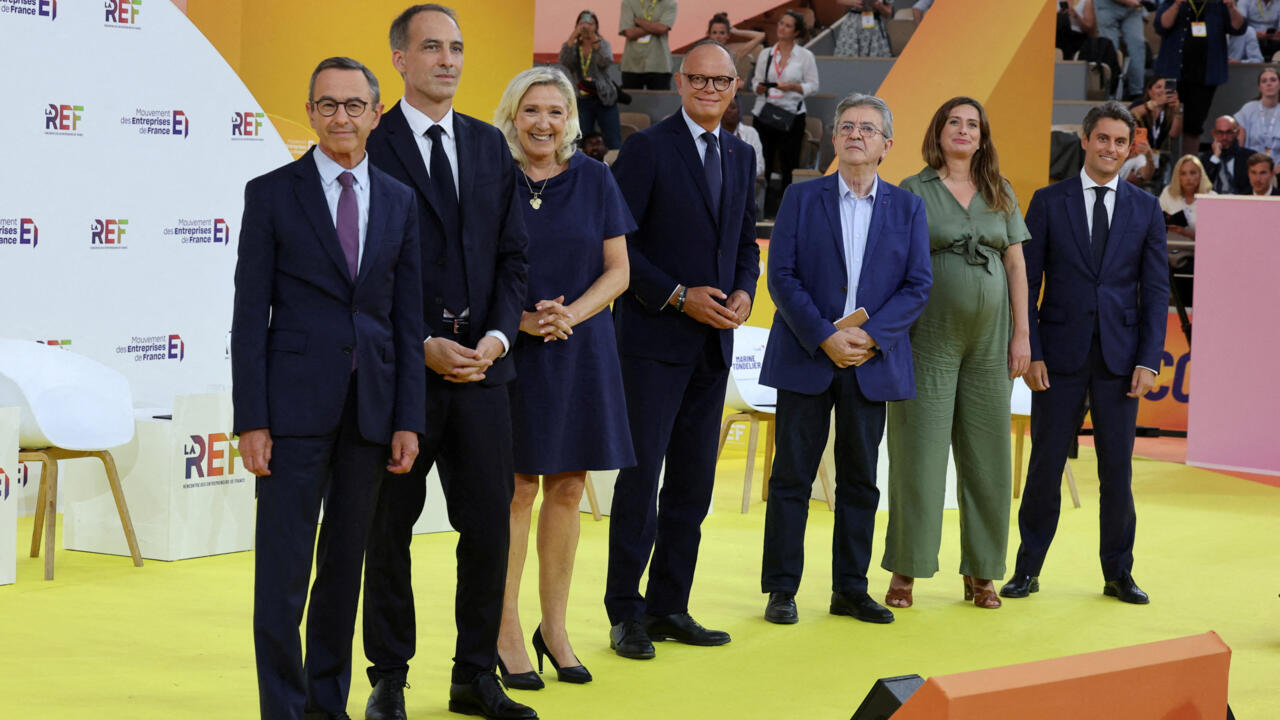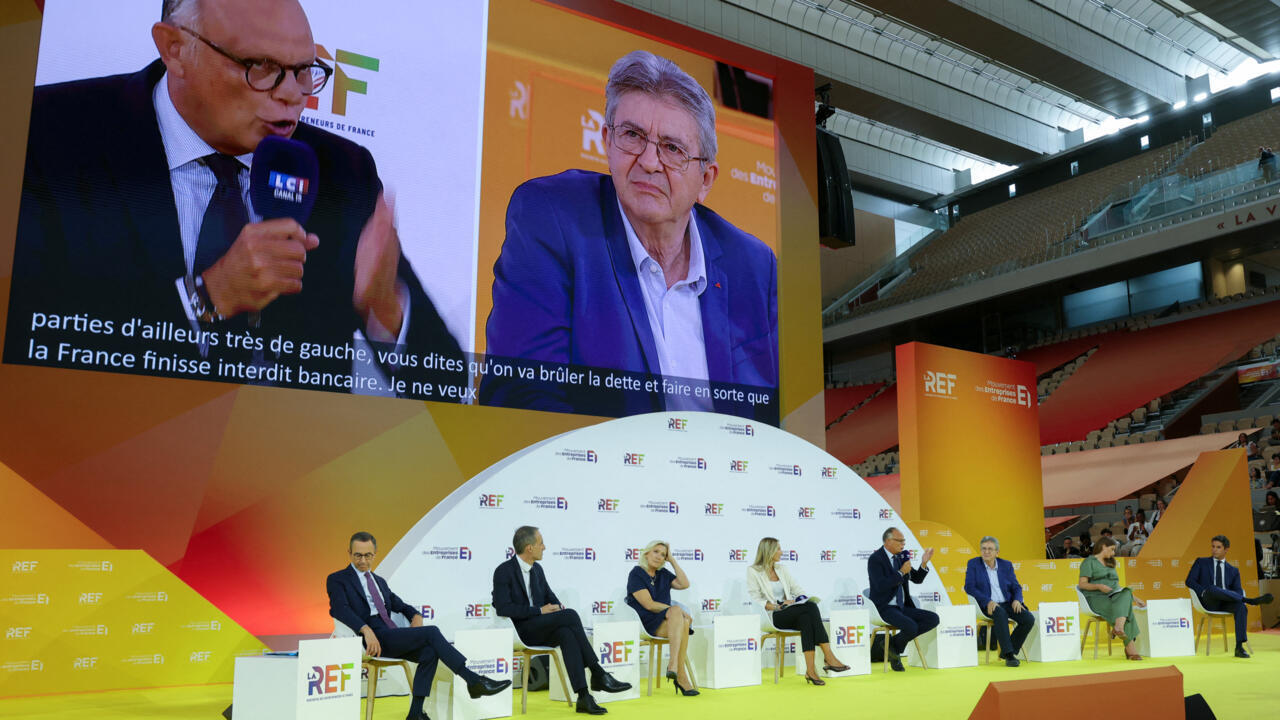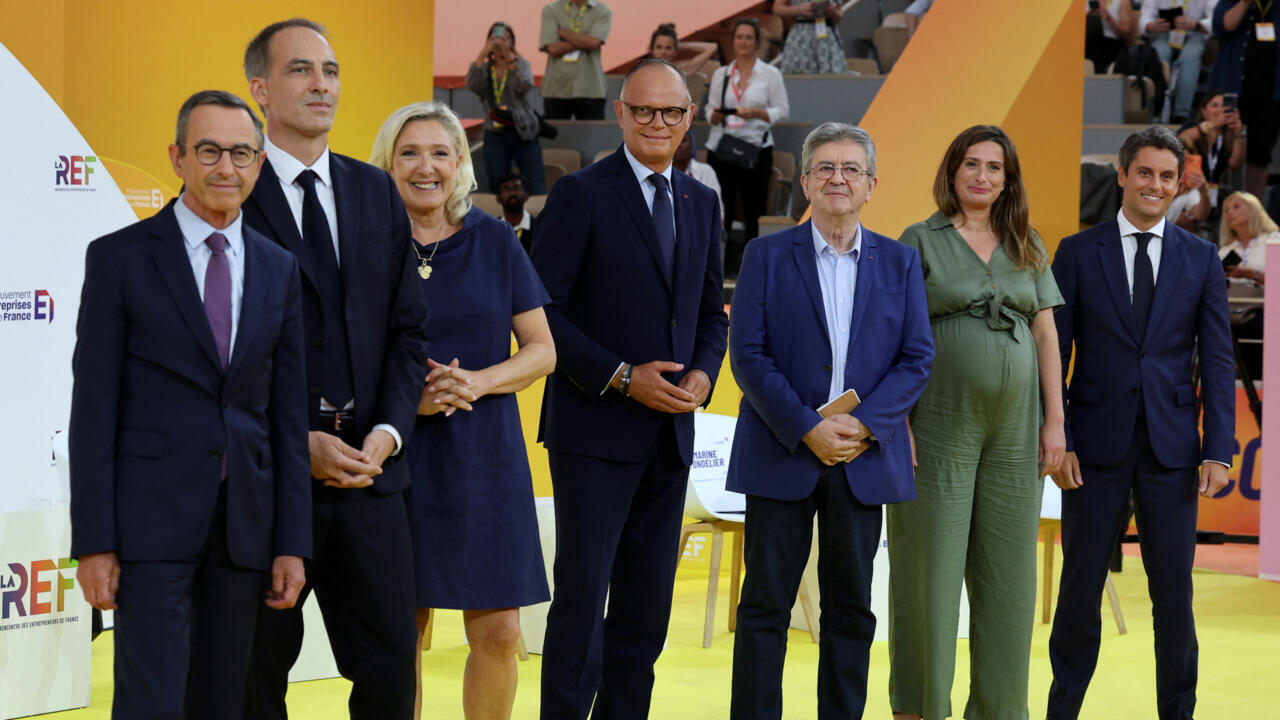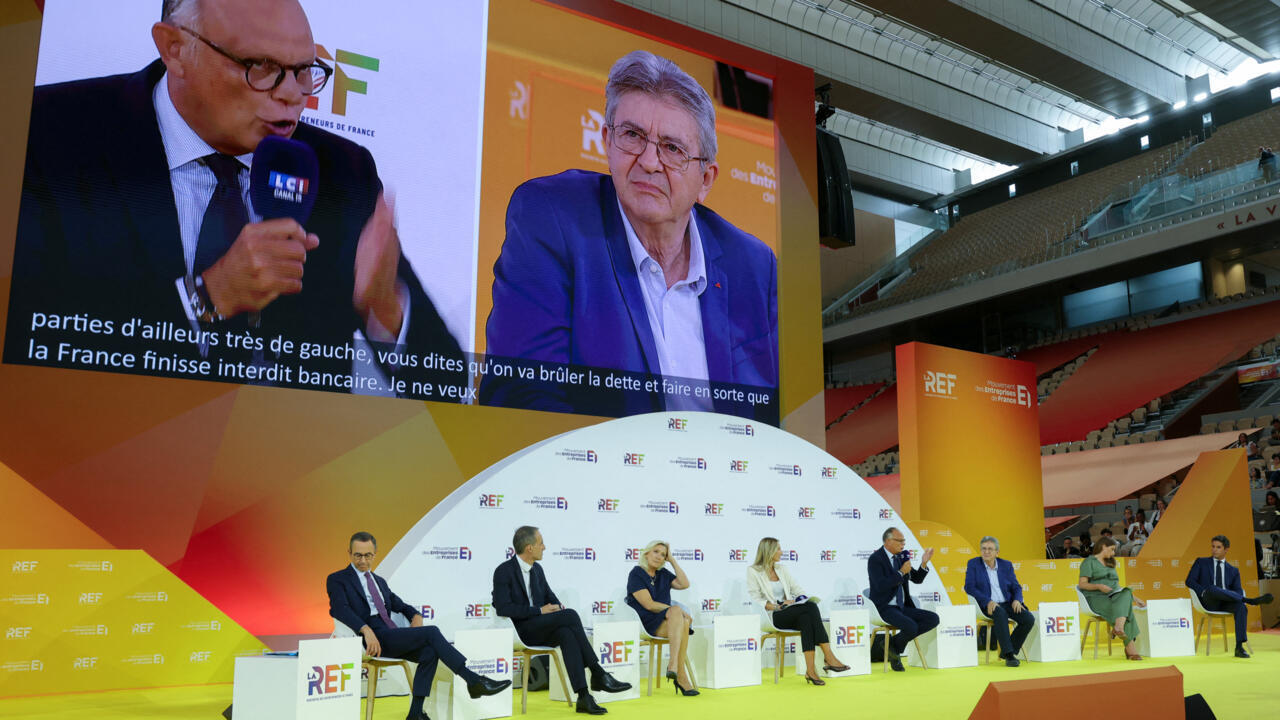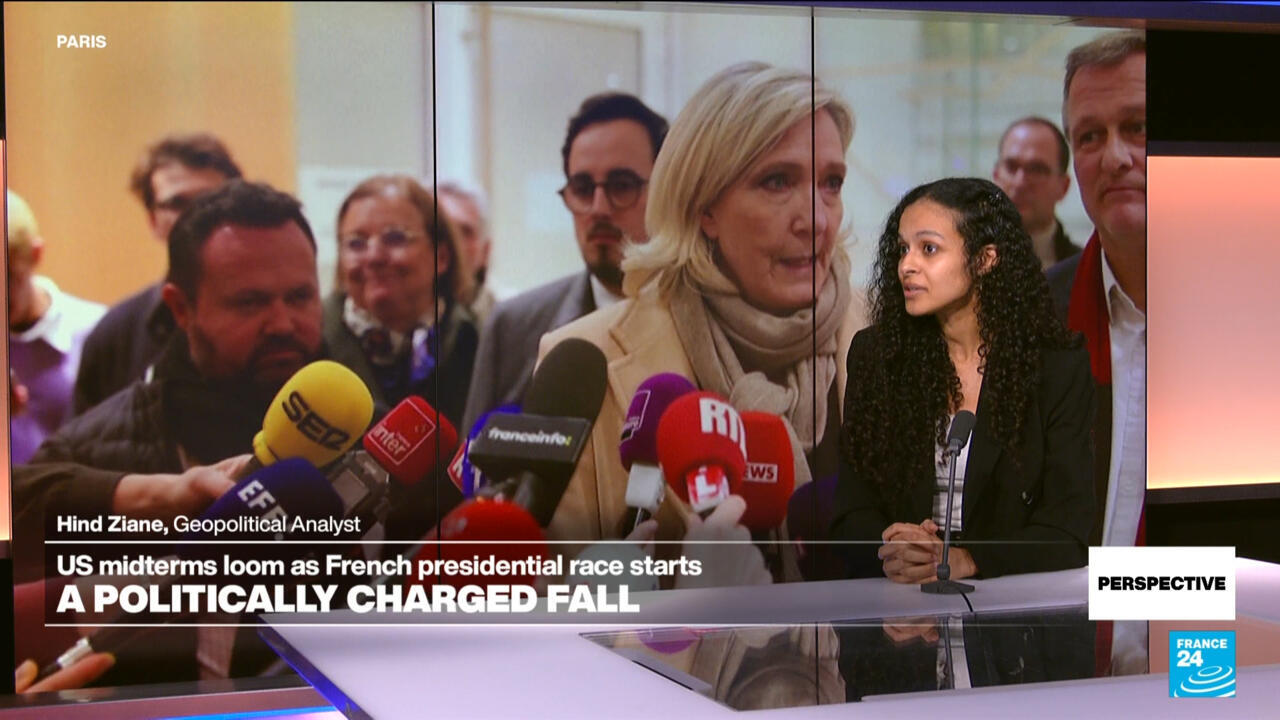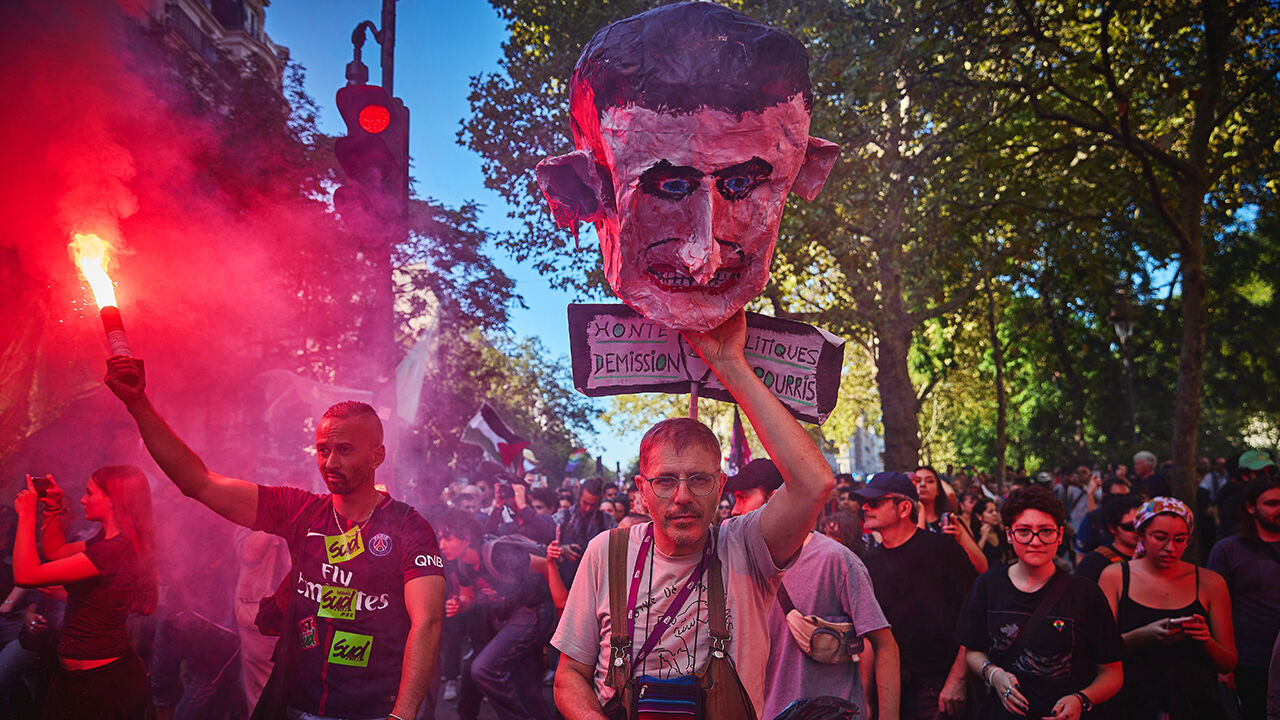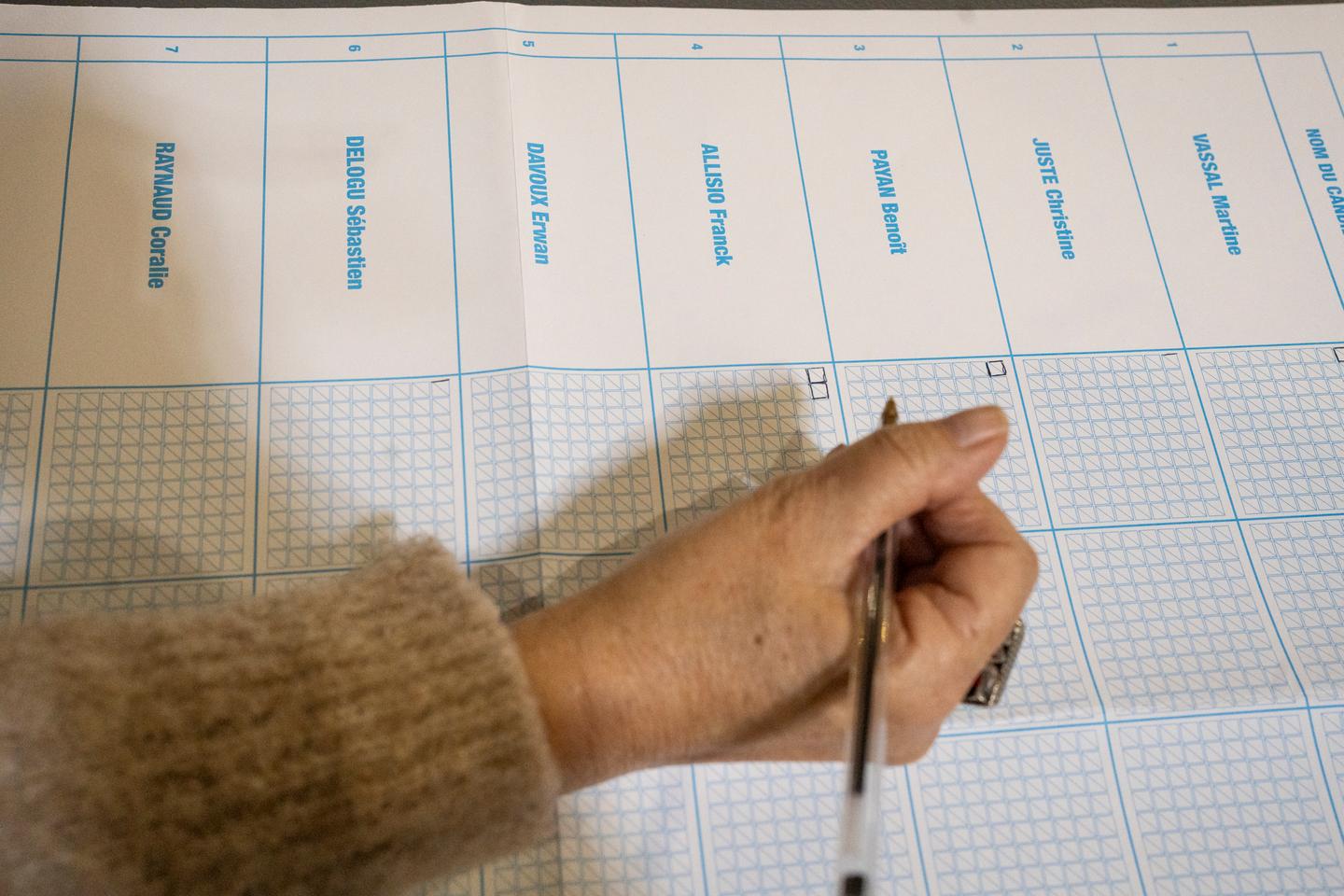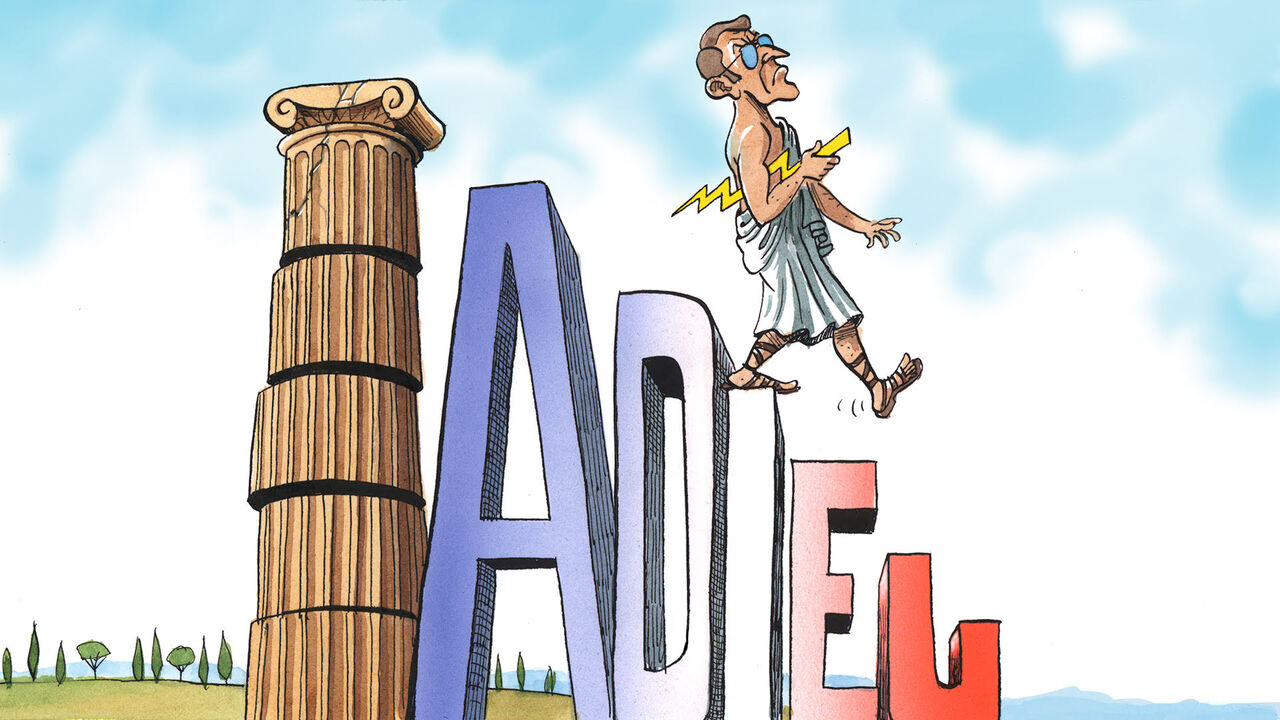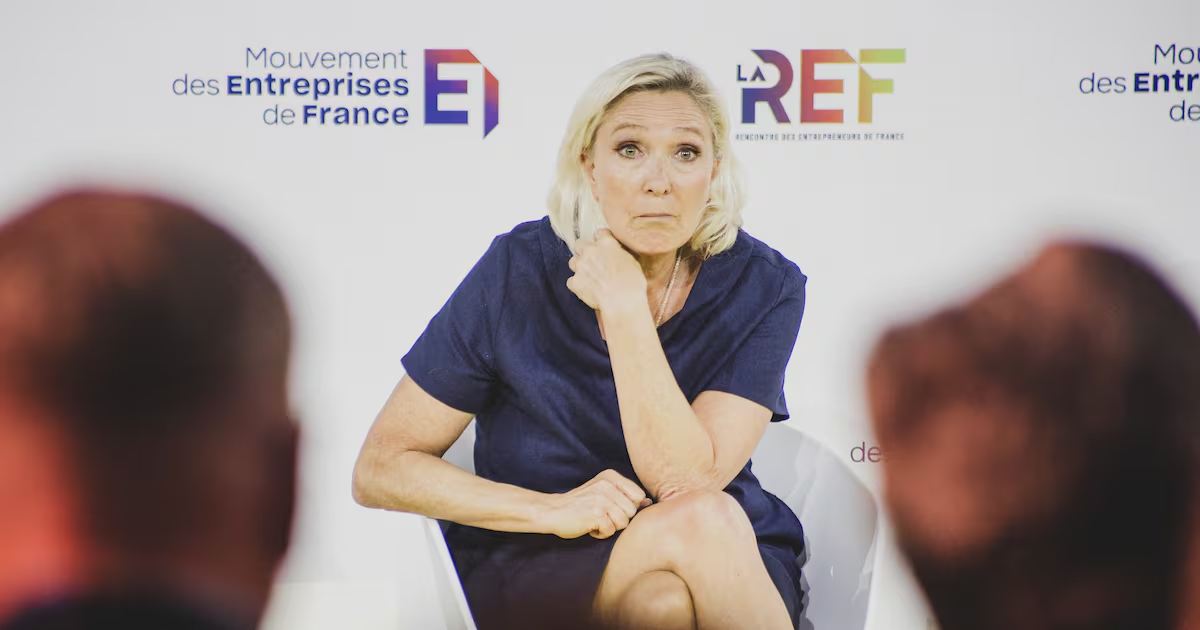
Good morning. I’m Naomi O’Leary, Europe Correspondent, standing in for Denis Staunton while he is away.It’s the rentrée in France: the back-to-school week when work and education resumes after the lull of the summer break. And with it the political season begins, marking the start of an election campaign that will define the immediate future not just of France but of Europe.More than any country, France has been stepping into the boots of the United States as the US retreats from its role of security guarantor that it occupied since the second World War. This is the new normal for Europe: it is unclear whether the US would want to return to the prior status quo, even in a post-Trump era if a Democrat president were to come to power. The Democratic Party is divided on the question, Brad Setser, the US economist and former senior adviser to the US Trade Representative, told the Kennedy Summer School in New Ross this weekend.One side believes the US should resume its “traditional” role. The other is isolationist from a left-wing standpoint, believing the US was more of a force for harm than good on the world stage and that it should focus on domestic issues. The latter may be in the ascendant.Paris was ready for this moment. France has long campaigned for the European Union to become independent of the US, whether economically, diplomatically, in industry or in defence. French diplomats were ready-armed with files of well-rehearsed proposals about what European strategic autonomy should look like. France has stepped up, sending ships to be ready to help reopen to Strait of Hormuz, offering to expand its nuclear defence umbrella to cover other European countries and sending soldiers to Europe’s eastern borders as US troops pull out.Many European leaders are “managerial” politicians, seeing their role as avoiding disaster while making improvements where possible, without much of a grand vision of how the world should be.Not so president Emmanuel Macron. He is Mr Vision, spilling over with proposals and plans for France and for Europe – to the point of excess, critics say.To grossly simplify, in Europe France proposes, Germany denies; and whenever Germany agrees then the thing is done. Much of the policy agenda in Europe originates in Paris due to sheer force of attrition.As of this week, campaigning begins in full force for an election that could overturn all of this.Macron’s final term in office ends in May and he has cultivated no clear successor. The far-right Marine Le Pen leads in polls and probably has her best chance at winning the presidency. Voters could rally round one of the various centrists hoping to succeed Macron to block her path. Alternatively, the contest could come down to a run off between Le Pen and the hard-left Jean-Luc Mélenchon.The Euroscepticism of Le Pen’s National Rally has vacillated with the political winds. Sometimes, it has meant opposition to membership itself, sometimes merely a desire for “reform”. But the air of hostility, and lack of engagement with European and international issues with much complexity, is consistent.Mélenchon is also consistently Eurosceptic, though from a left-wing perspective. The concrete expression of this in policy terms has similarly evolved over time, but is usually eye-catching (his solution to France’s debt problem is to “burn” the bonds, he said last week).Of the candidates who hope to continue Macron’s legacy, it is unclear if there is a Mr Vision among them.The impression given from France’s first presidential debate, held on Thursday, is that the next occupant of the Élysée will be someone internationally unproven, someone who is hostile to the EU or someone who simply does not care or think much about international affairs. Which one it is will matter far beyond France.Please let me know what you think and send me your comments, thoughts or suggestions for topics you would like to see covered to denis.globalbriefing@irishtimes.com
France faces make-or-break election
Emmanuel Macron’s potential successors have no apparent grand vision for Europe’s future
647 words~3 min read