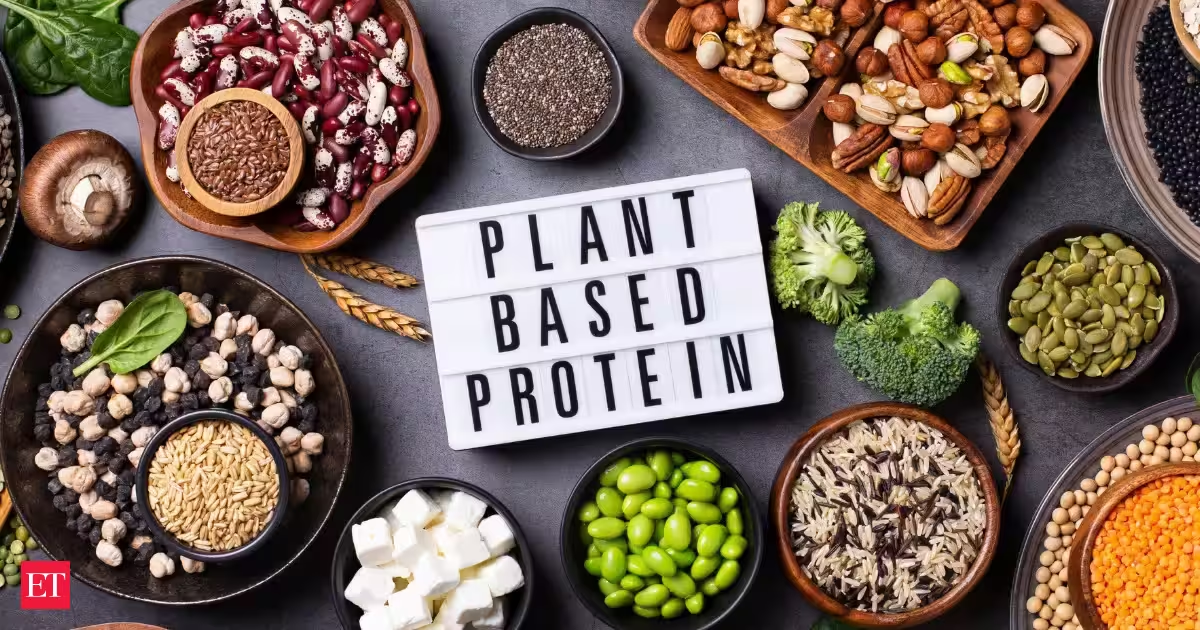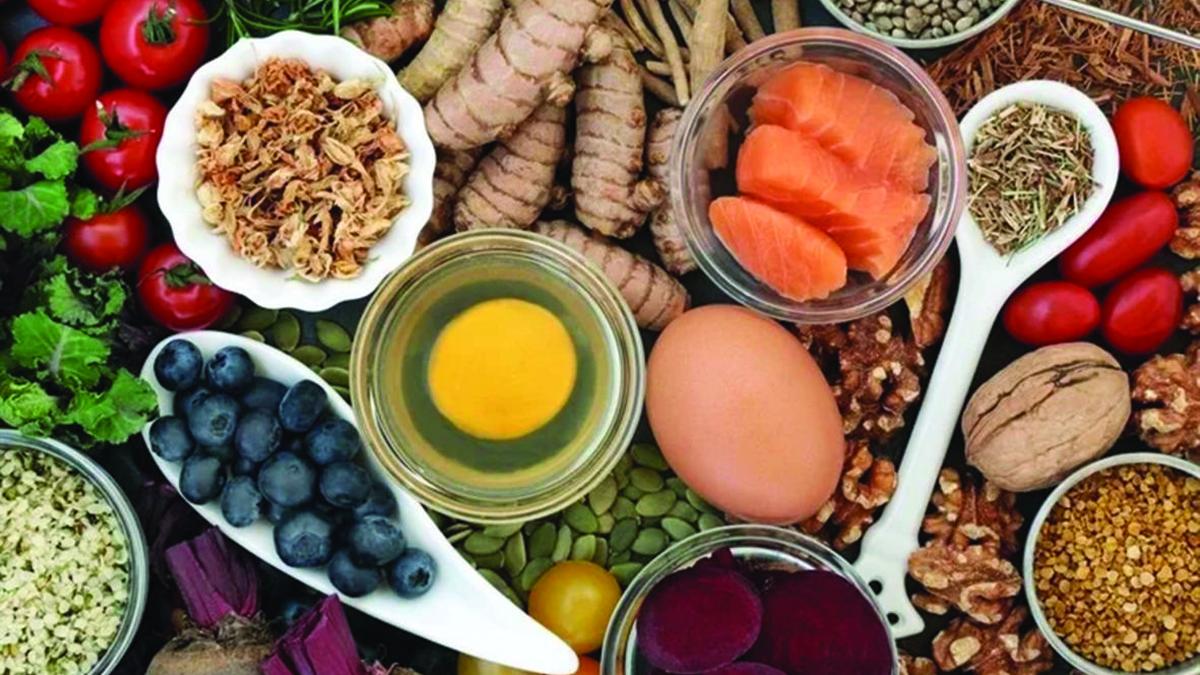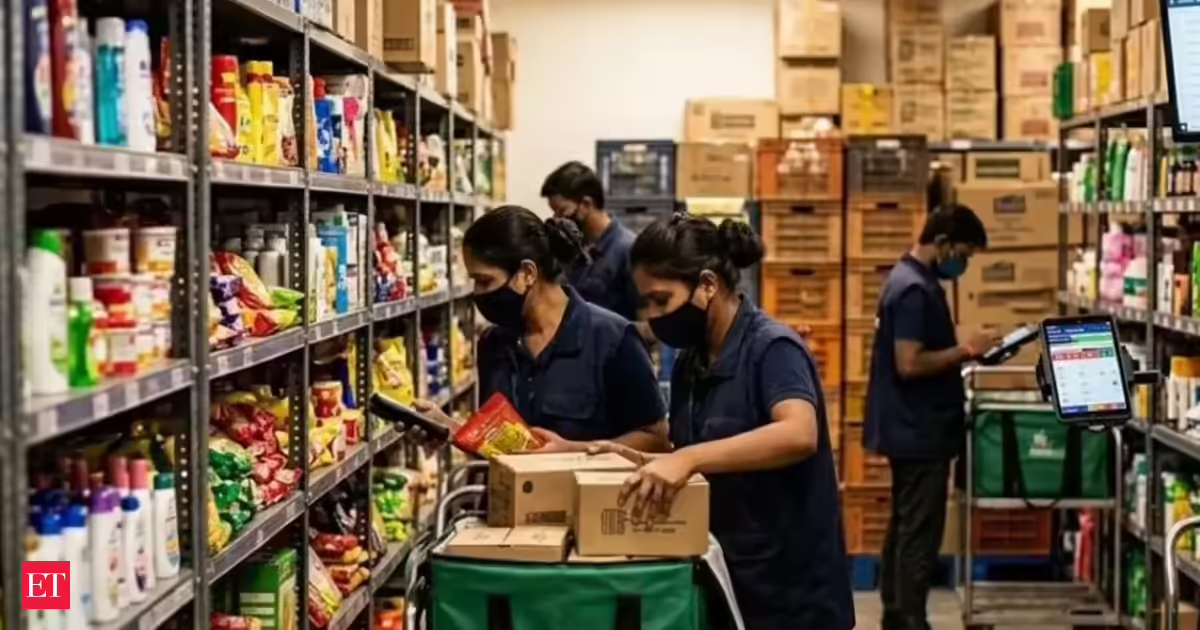
India’s food manufacturing ecosystem is entering an advanced phase of growth driven by nutritional consciousness, value addition and technological transformation. With domestic demand surging for plant-based proteins, nutraceuticals and functional foods, the sector is prioritising domestic manufacturing capabilities and import substitution.India’s food additives and ingredients industry is forecast to grow to $15 billion by 2031, while the packaging industry is on course to reach $92 billion by FY2030, registering a CAGR of 9 per cent. These trends are complemented by a packaged food and beverages market projected to cross $150 billion by 2030, reflecting the increasing depth, diversification and investment potential within India’s food value chain.Dr Prabodh Halde, Head-Technical Regulatory Affairs, Marico, and Chairman, All India Association of Food Processing Industry (AIFPI), said India’s food ingredients and additives market has grown into a significant domestic opportunity, currently valued at about ₹85,000 crore, with natural ingredients—including nutraceuticals—accounting for an estimated 30–35 per cent and growing at a double-digit pace.Food processing is critical to improving farm incomes; for instance, turmeric that may command around ₹250 per kg as a raw commodity can generate value of up to ₹800 per kg when processed into high-value curcumin for pharmaceutical and nutraceutical applications, he said at the 20th edition of Fi India and the 8th edition of ProPak India, held in Mumbai.Praveer Srivastava, Executive Director, Plant Based Foods Industry Association, said the plant-based food sector is growing at around 18 per cent CAGR, significantly ahead of the 7–8 per cent global growth rate, while the plant-protein ingredients market is currently valued at about ₹4,500 crore and is expected to double over the next five years.However, nearly 90 per cent of plant-protein ingredients are currently imported, he added.Yogesh Mudras, Managing Director, Informa Markets in India, said the domestic food manufacturing ecosystem is entering a more advanced phase of growth, where the opportunity is no longer defined only by rising consumption, but by the industry’s ability to innovate, add value and manufacture at scale.As consumer expectations evolve and product categories become more diverse, manufacturers are increasingly looking at the entire value chain—from ingredients and formulation to processing, automation and packaging—to build greater efficiency, consistency and competitiveness, he said.Published on August 31, 2026
Food ingredients market set for export-led growth: AIFPA
Additives industry seen at $15 billion by 2031; 90% of plant-protein ingredients still imported
365 words~2 min read