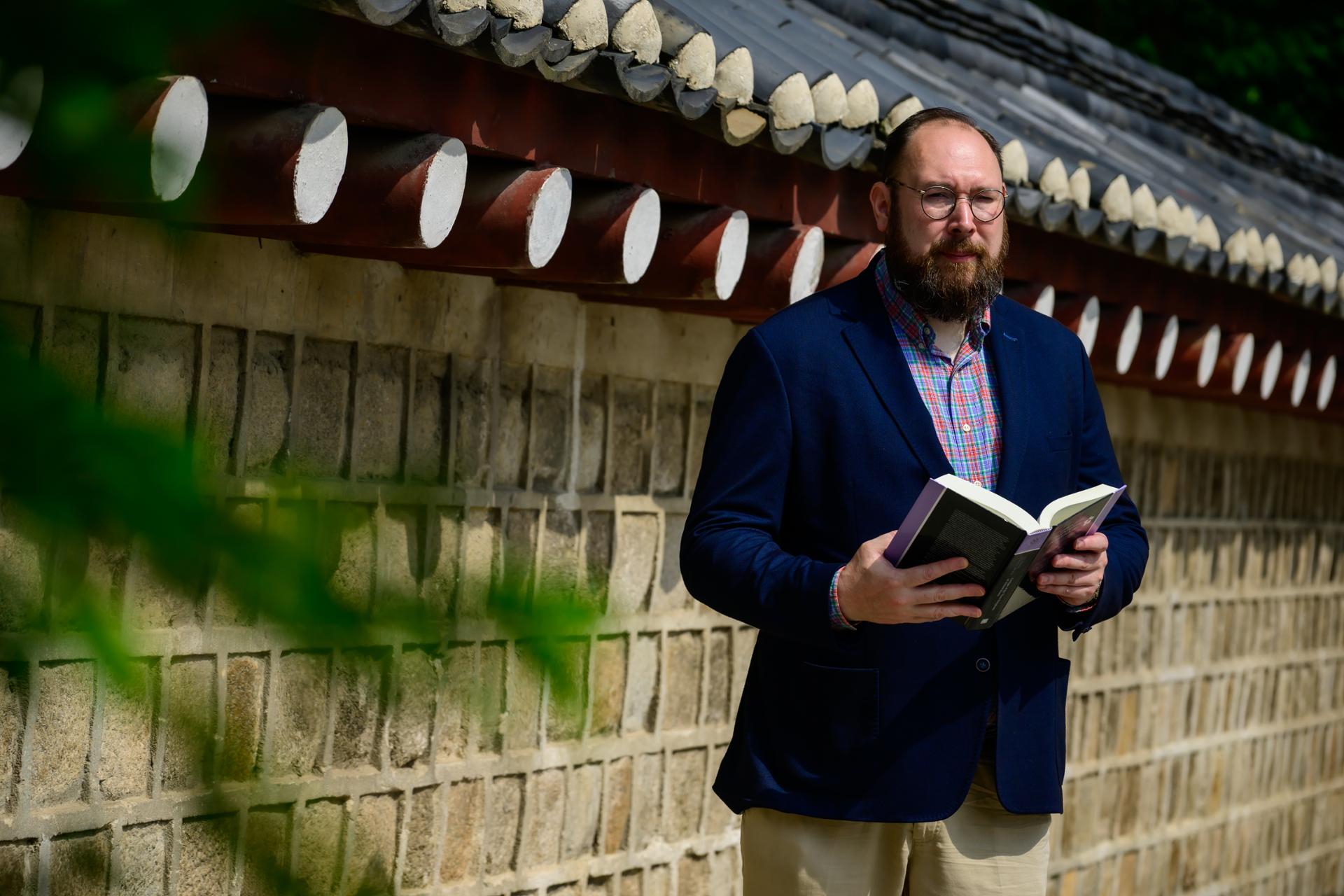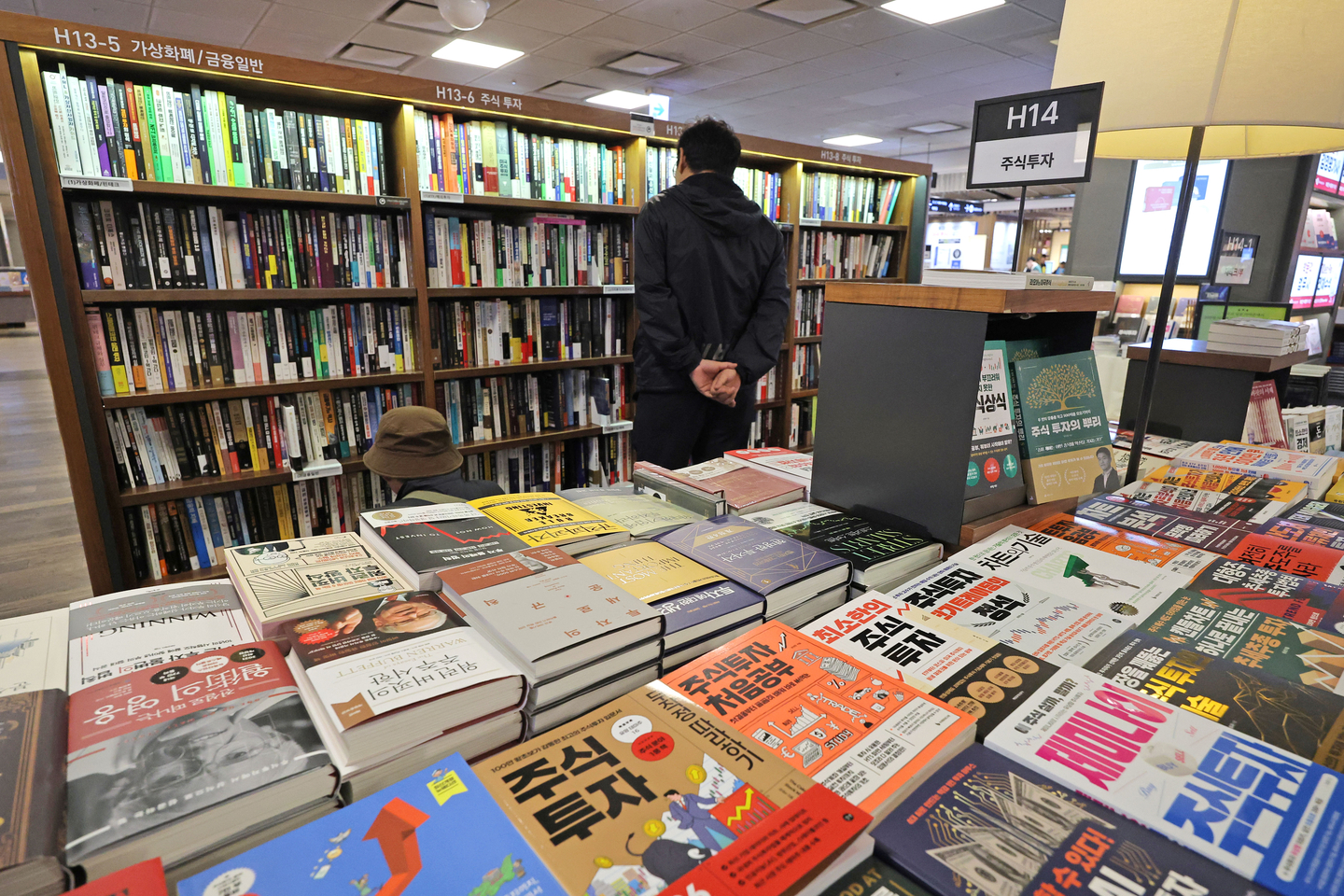
Han Kang translator urges a look beyond contemporary trends and domestic hits Anders Karlsson, a Swedish translator of Korean literature and an associate professor of Korean studies at SOAS University of London, speaks during a keynote address at the 2026 International Translators' Summit in Seoul on Friday. (LTI Korea) Thirty years ago, Anders Karlsson walked into a large London bookstore looking for books about Korea. He was directed to the Southeast Asia section.Today, Korean books occupy prominent displays in bookstores across London and around the world. Korean writers win major international literary prizes. Publishers compete for translation rights. And readers line up to meet their favorite authors.For Karlsson, a Swedish translator of Korean literature and an associate professor of Korean studies at SOAS University of London, the transformation has been nothing short of remarkable.Karlsson has spent nearly three decades translating Korean literature into Swedish with his longtime collaborator, Park Ok-kyoung. Together, they have introduced Swedish readers to writers including Yi Mun-yol, Hwang Sok-yong, Bora Chung and Han Kang.In a keynote address at the 2026 International Translators' Summit in Seoul on Friday, Karlsson offered a note of caution amid the celebration."While we have seen a broadening of genres and authors being translated, we have also seen a shallowing time horizon when it comes to works selected for translation and a focus on works being successful on the Korean market," Karlsson said.Karlsson pointed to the global rise of Korean popular culture, from television dramas and film to music, as a major force behind Korean literature's emergence on the global stage. As international interest in Korea grew, publishers began to recognize the potential market for Korean literature.The focus soon shifted toward the latest trends in Korean publishing and new and emerging writers across a broad range of genres.The rapid shift came with a trade-off, Karlsson said."Like so much in modern and contemporary Korea, this development has been compressed and happened over a very short time period," he said. The focus on recent trends had broadened "one window" on Korean literature, while "in a sense narrowed another one."The question, he argued, should not be limited to which books have the greatest commercial potential. Instead, translators, publishers and institutions should seek to give Korean literature greater "chronological depth" by looking to works that represent Korea's literary culture, highlight aspects of the country still not so well known or occupy a more marginal place in the Korean market."There is still so much from Korea's rich literary history that has not been introduced," Karlsson added."What are we looking for in a book when we select it for translation, beyond its market potential?" he asked. "In what sense is it representative of the literary world of Korea? What aspects of Korean culture in a broad sense does the book reflect?"He continued, works do not necessarily have to reflect any aspect of Korean culture. Rather, what is the quality of the book that we think makes it important to have it translated and introduced to readers in other parts of the world?"The translation of culture is not predominantly a question of authentic translation, but also importantly of cultural exchange and broadened horizons through dialogue across cultures."For Karlsson, the current moment offers a rare opportunity to ask those questions. Korean literature is now firmly established on the global stage, giving the industry room to reflect on the journey so far and reconsider where it wants to go next.The 2026 International Translators' Summit was organized to mark the 30th anniversary of the Literature Translation Institute of Korea. The gathering brought together translators, scholars, publishers and cultural professionals to discuss the future of literary and cultural translation, including the impact of artificial intelligence, translator education and the publishing ecosystem.
Korean literature is going global. But don't leave its past behind
Thirty years ago, Anders Karlsson walked into a large London bookstore looking for books about Korea. He was directed to the Southeast Asia section. Today, Kore
618 words~3 min read