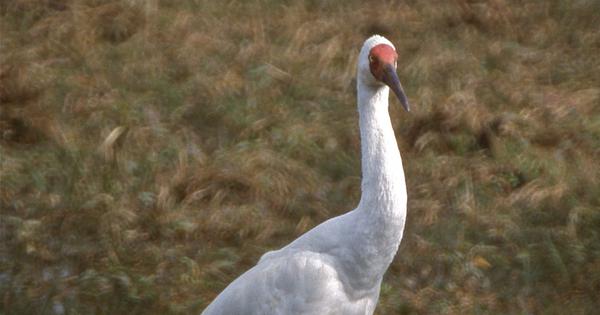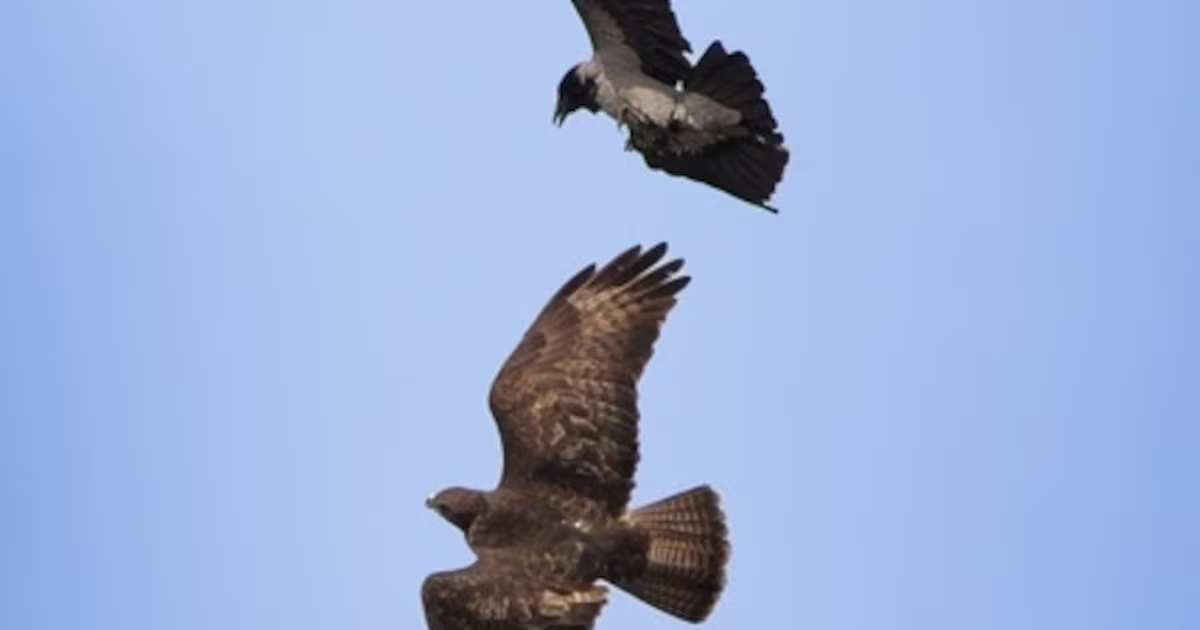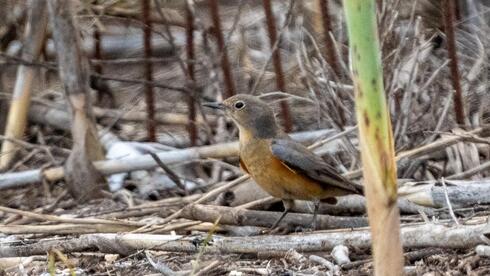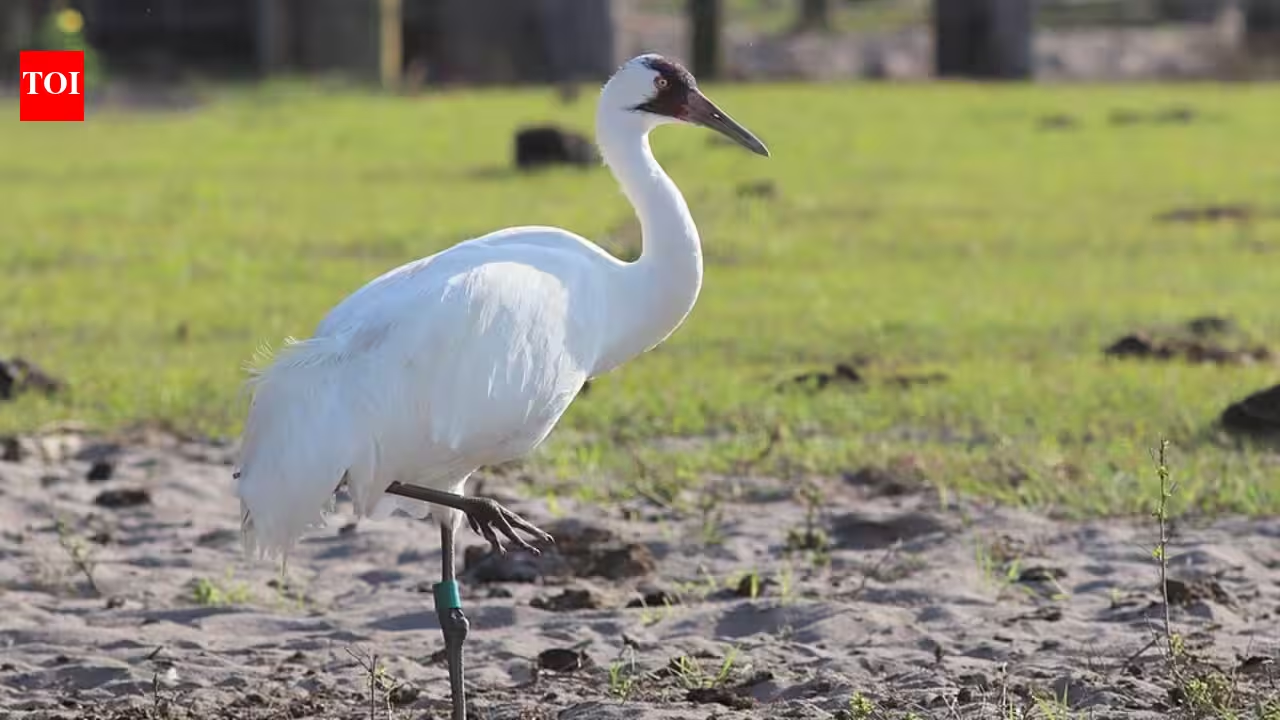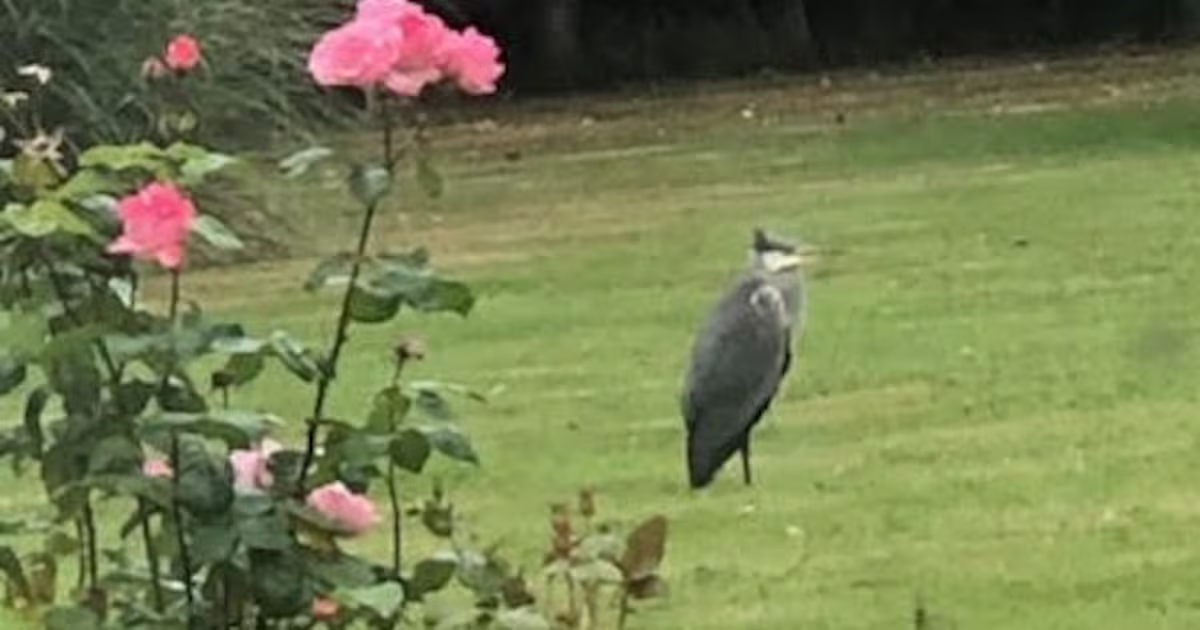
Two of these magnificent birds were standing for ages in our garden in Dunshaughlin during early morning. They eventually took off, showing, as far as we could detect, straight rather than curved necks. Were these graceful creatures cranes or herons? Kevin Brady, Co Meath They were herons, a common native species. We used to have cranes, which are much larger, but they became extinct when we drained and destroyed their marshy habitats. However, we now have had a pair returning to breed successfully in a midland cutaway bog for the last three years, so things are looking up for them.A young robin, identifiable by the speckled breast I saw this bird in the woods near my home. It didn’t fly away until the last minute when I put my hand out to it. Am I right in thinking it’s a young robin? David Touhy, Ballyjamesduff, Co Cavan John Fox in Dundrum has a similar young robin that perches on his evening glass of beer. Robins are friendly to humans because they see them as meal tickets. Gardeners are forever digging and the robins explore the exposed soil for edible invertebrates. Young robins have speckled breasts so that daddy, who is very territorial, will not see them as a threat and drive them away. In fact, he only tolerates mammy, who also has a red breast, for the length of the breeding season. She gets her walking papers when this is over.The weeping polypore oak bracket fungus causes white rot and decay of tree trunks I saw this fungus growing in Balally Park, Dundrum. Droplets of amber-coloured liquid were oozing from it. Roisin McLaughlinThis is a young stage of the aptly named weeping polypore (Pseudoinonotus dryadeus). This oak bracket fungus is a pathogenic polypore fungus that causes a butt rot of oaks particularly but is also known to attack birch, beech and alder. Spores enter through wounds in the bark and grow to penetrate the heartwood, resulting in a white soft-rot. The annual fruit bodies, hoof- to cushion-shaped brackets, are typically seen at the base of the oak trees but can also form in tiers further up the trunk. Brackets can also form on roots at a distance from the infected tree, as in the image. A characteristic feature of the fungus is the presence of multiple droplets oozing or weeping from the surface of the fruit bodies. This fungus is scarce in Ireland, with just four records listed, but it is probably under-recorded. A false widow spider busy wrapping a bee with its silk I spotted this spider in my neighbour’s polytunnel recently. It was wrapping a bumblebee with its silk when I took a video and photos. I think it’s a false widow. Can you confirm? Nuadha Walsh (age 13), Gort, Co GalwayThis is exactly what it is. It is well able to catch large insects and has even been known to bite and kill a baby bat. It will not bite humans unless they sit on it or it becomes trapped in their clothes, and for most non-allergic people this is no worse than the sting of a nettle.The very rare Clifden Nonpareil moth, also known as a Blue Underwing I believe this rather large moth is a Clifden Nonpareil, also known as a Blue Underwing. I think the last Irish record was recorded in 2020. I added this to the National Biodiversity Data Centre. It flew into my sunroom and settled on the floor before climbing on to the cable of my computer speakers. It then walked on to my hand before taking off and flying outdoors again. The wingspan unopened was approximately 7cm and almost doubled when the wings opened, revealing the lovely colour underneath with that identifiable broad blue/white band and scalloped white edging. Elaine Murphy, Arklow There were 14 Irish records before yours, with the most recent one in 2025. It is very rare indeed. Please submit your nature query or observation, ideally with a photo and location, using the form below or by email to weekend@irishtimes.com
Did a rare pair of cranes visit a Co Waterford garden?
Éanna Ní Lamhna responds to your notes and queries on robins, spiders and rare moths
673 words~3 min read