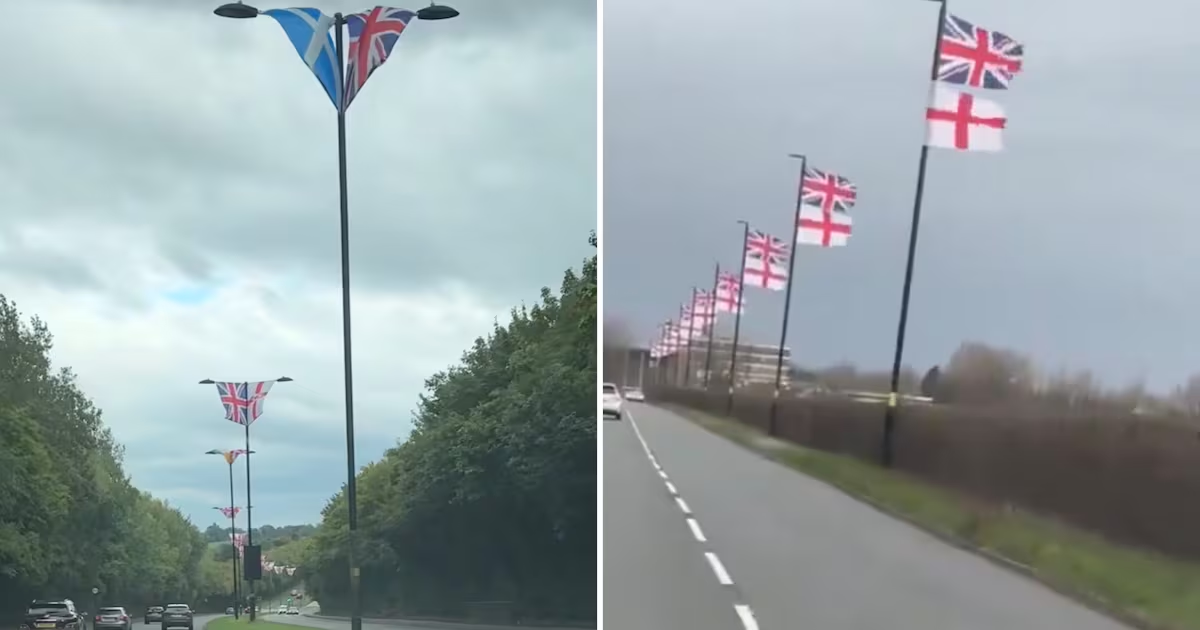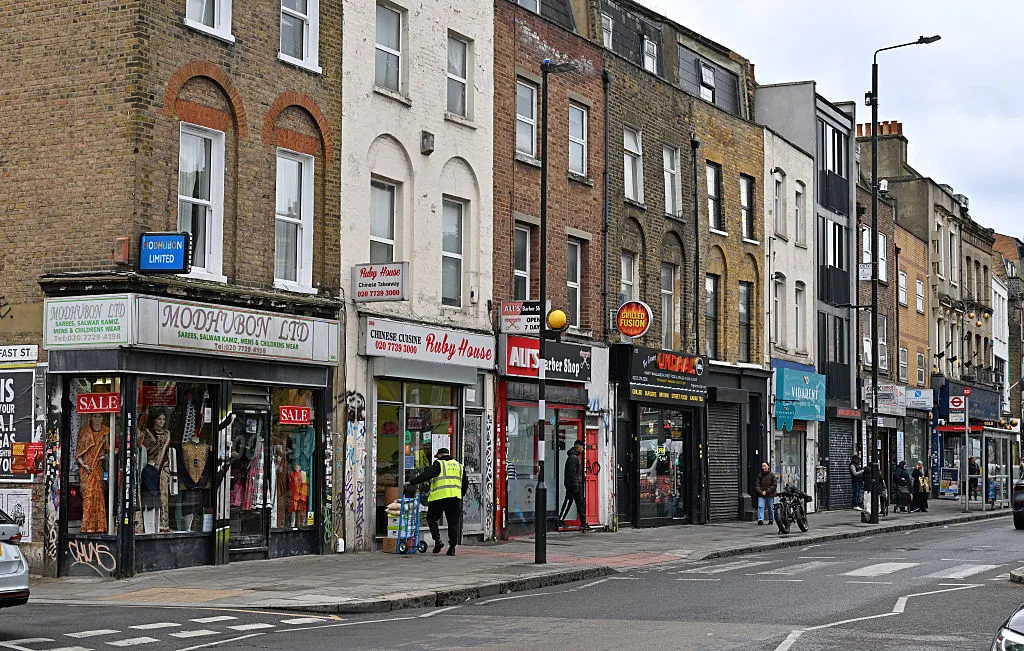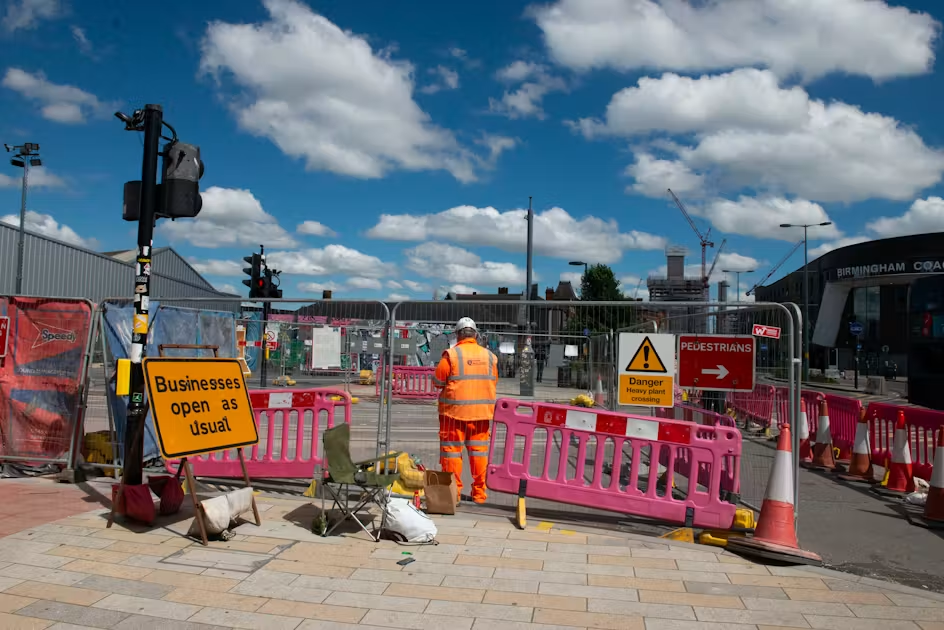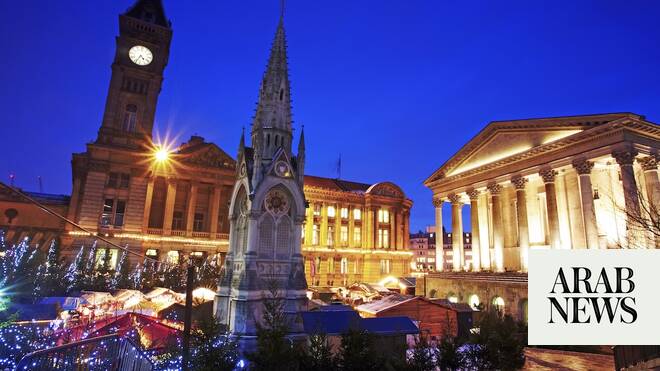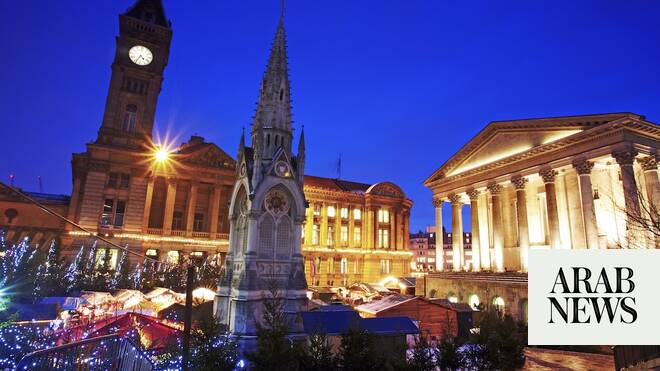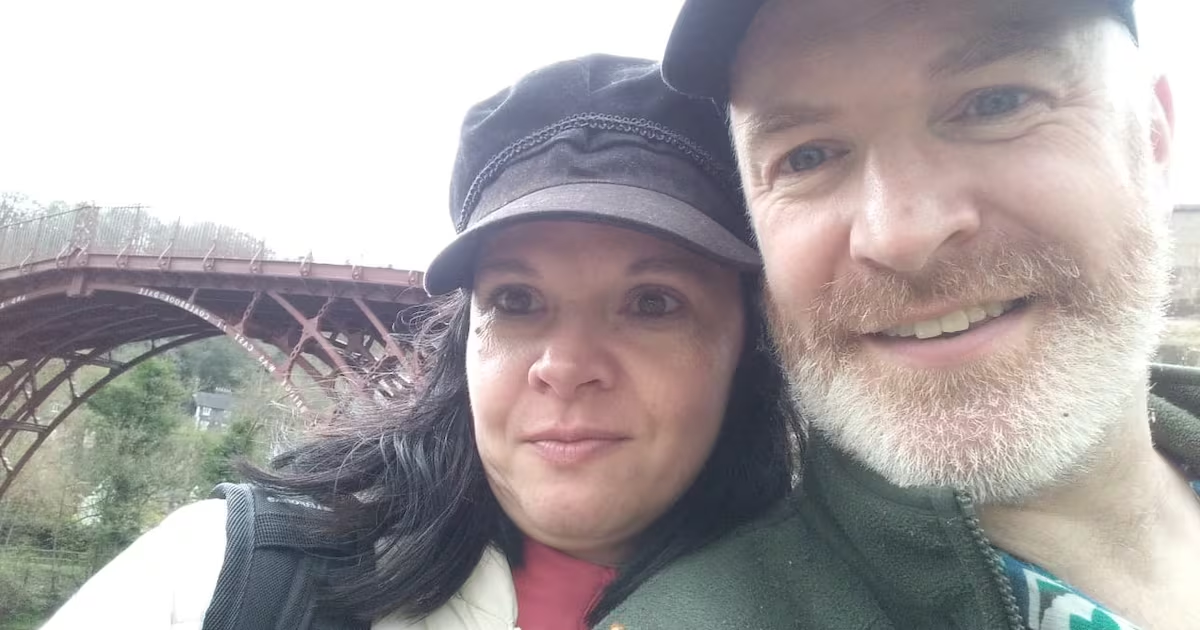
I was born in Limerick but have found myself feeling settled in England’s West Midlands. I have discovered that it is almost a country in itself.The region has a population of more than six million people and contains several cities, including Birmingham. The sheer size of the population of England is something I did not fully grasp until I moved here in 2013. Birmingham is a city of contrasts. There is a lot of litter and begging on its streets, as well as people openly smoking cannabis. But there is also excellent Asian food, colourful street art and a string of beautiful parks. In the city’s Sheldon area, people sit on benches and watch planes from Birmingham Airport roar away overhead. It reminds me that home is close. A flight from Birmingham to Dublin takes less than an hour. Buses take me from Dublin Airport to the centre of Limerick in about three hours. The Irish have been coming and going from the West Midlands for generations. There are almost 45,000 Irish-born living in the region, according to the 2021 census. In Digbeth, the historically Irish area, there is a mosaic of Irish-American US president John F Kennedy. It’s now a vibrant creative quarter. On some Sundays, I go to a pub there to listen to jazz. Reminders of the connections with Ireland abound. Recently, on a quiet street in Sandwell, I came across the birthplace of Phil Lynott, who, though born in England, was proudly Irish. The plaque was green, not the usual blue.Abroad: Robert Murphy and his partner Signs of the area’s deep social division are all around too. I use public transport to get around. On weekdays the trains carry quiet, well-dressed people, most of them probably office workers. The buses are noisier and more chaotic. They carry more schoolchildren, more buggies and more elderly people. I often take the number four bus from the centre of the city. It passes through neighbourhoods of extraordinary bleakness, and ends its journey in the centre of Solihull, one of extraordinary wealth.During the last few years, St George flags and Union Jacks on lamp-posts have become more common in my neighbourhood. They are usually greyish and forlorn. Around the corner from my flat, in a row of slightly run-down shops, is an MP’s constituency office. From here the House of Commons is like a distant theatre.The West Midlands region had the strongest Brexit leave vote of any region, but I find English people to be generally tolerant. They have had a lot of experience of living and working with people of various backgrounds and religions. This is the best cure for prejudice.And despite the strong historic links, many people here seem to know little about Ireland. They often seem to be less interested in us than we are in them. I am not sure why this is. It may be a quirk of the relationship between a small country and a large one.I have connected with parts of my Irish culture I didn’t appreciate when living at home for the first 25 years of my life. I have a newfound enjoyment of Irish traditional music, I read Irish news every day and stay connected with literature. I spent a few years thinking about moving back to Ireland before meeting my Italian partner. Now it seems unlikely. I feel more settled here. I love the countryside of England, its literature, its pubs and the humour of its people. And I am not sure what kind of work I would do in Limerick. Although I lived there for two years, Dublin is now like any other capital to me, vast, expensive and slightly forbidding.Robert Murphy is from Limerick but lives in Birmingham, where he works in the civil service. Are you Irish and living in another country? Would you like to share your experience in writing or by interview? You can use the form below, or email abroad@irishtimes.com. Irish Times Abroad submission guidelines here. Follow us on Instagram to keep up with the latestSign up to The Irish Times Abroad newsletter for Irish-connected people around the world.
Irishman in Birmingham: The English often seem less interested in us than we are in them
I feel settled in the West Midlands, an area Irish people have been calling home for generations
685 words~3 min read