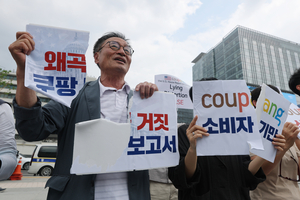
Youngjun Kim argues that Seoul’s Network Act dispute is really part of a larger contest over digital regulatory power and U.S. leverage. He says the Aug. 6 U.S. House Judiciary Committee letter set an Aug. 20 deadline for Korea’s Media and Communications Commission and linked Korea’s law to Europe’s DSA model. He also says Washington sees digital rules and tariffs as connected, making Korea’s position more precarious. Kim urges clearer enforcement standards and a broader bargaining strategy that includes tariffs, defense costs, shipbuilding and nuclear cooperation.
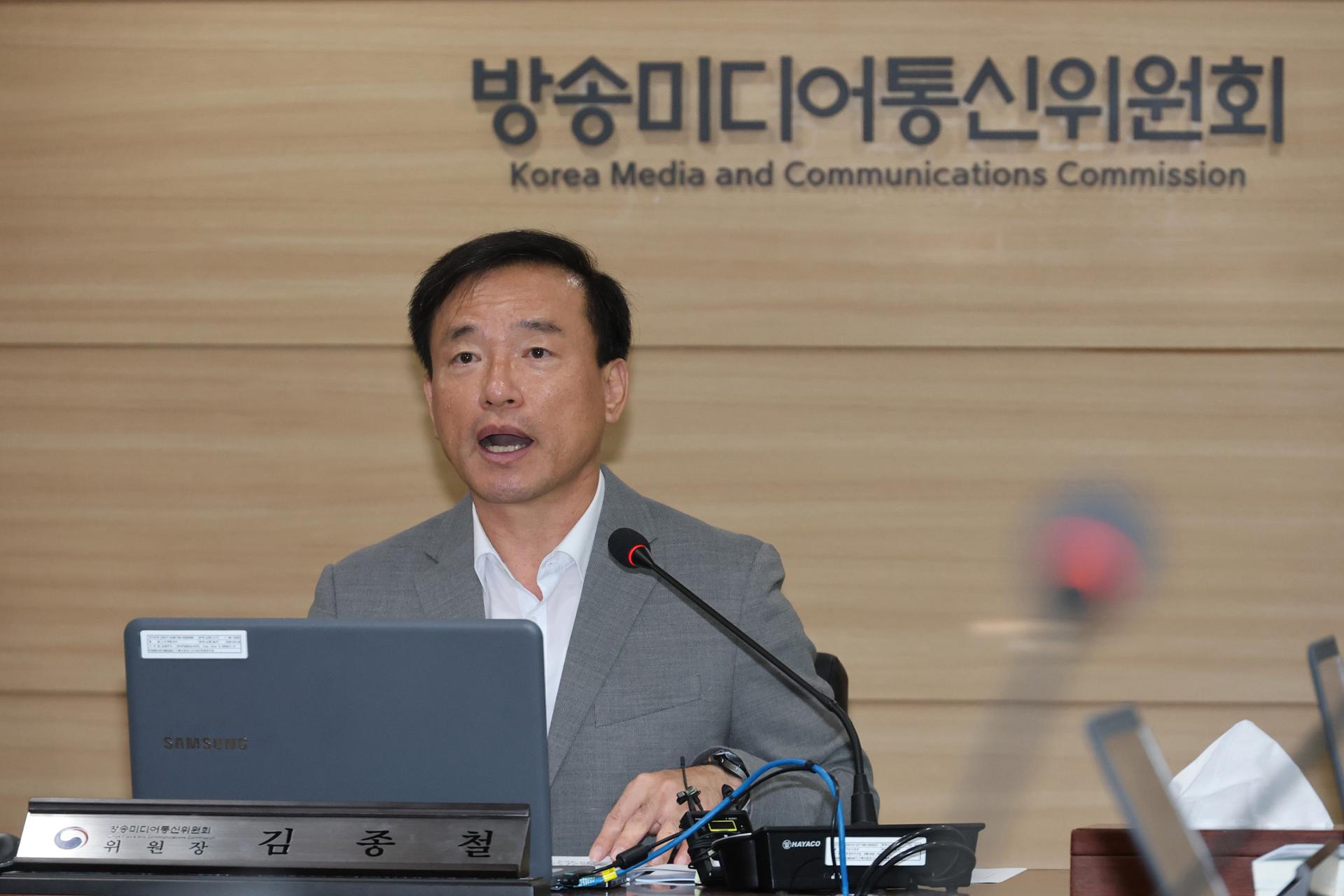
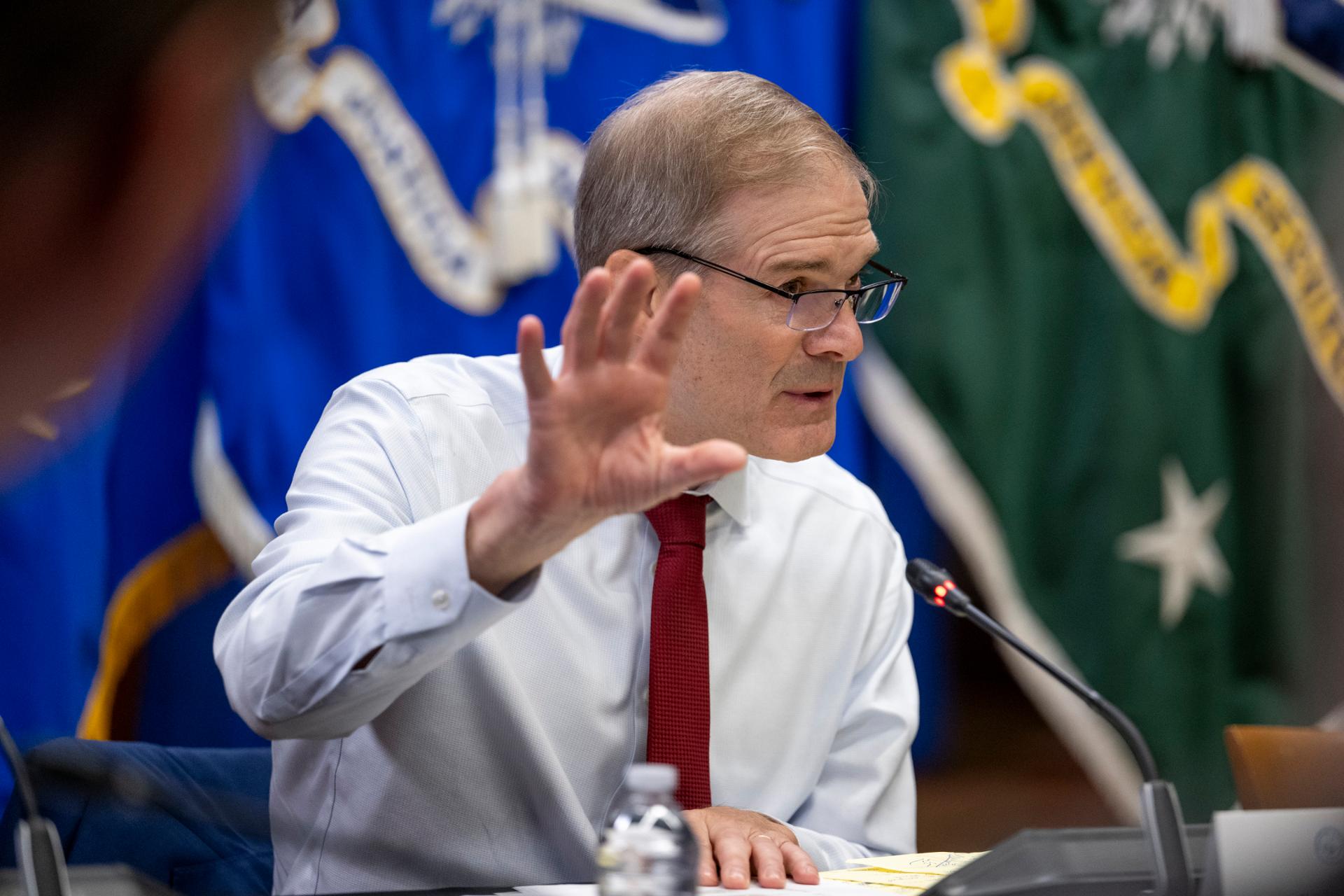
Four Republican members of the U.S. House Judiciary Committee sent a letter on Aug. 6 to the chairman of Korea's Media and Communications Commission. It did more than object to a Korean law. It set a deadline: brief us on your enforcement plans by 10 a.m. Aug. 20, Washington time.
For a standing committee of a foreign legislative body to summon a sovereign regulator to a schedule is not an ordinary event in seven decades of the alliance. Koreans are reading this as a domestic quarrel over free expression. That reading is not wrong, but it is only half the story — and the missing half is the one that should concern us most.