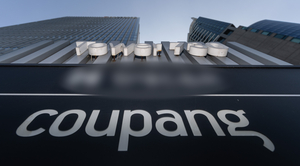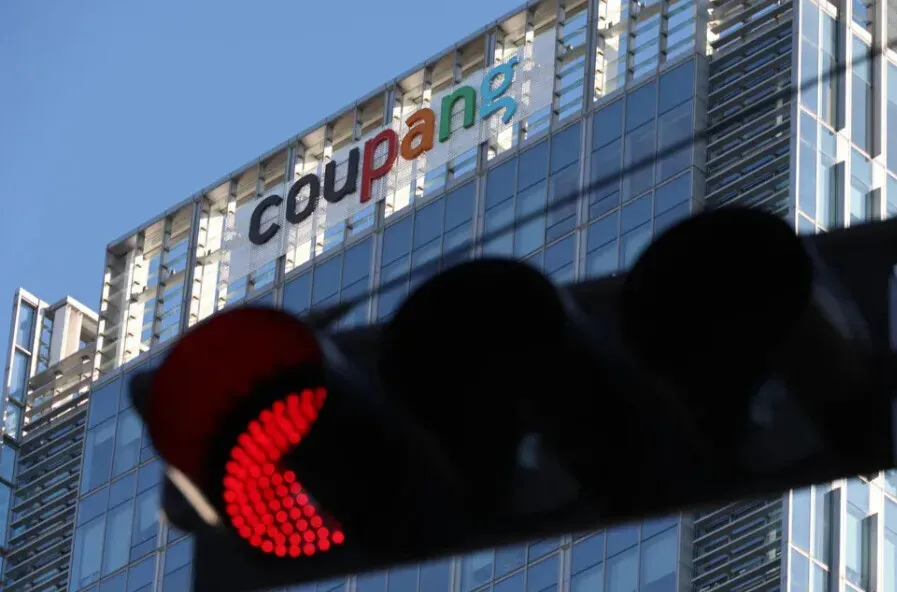
Coupang Corp.’s headquarters in Seoul’s Songpa District. (Ryu Woo-jong/Hankyoreh)
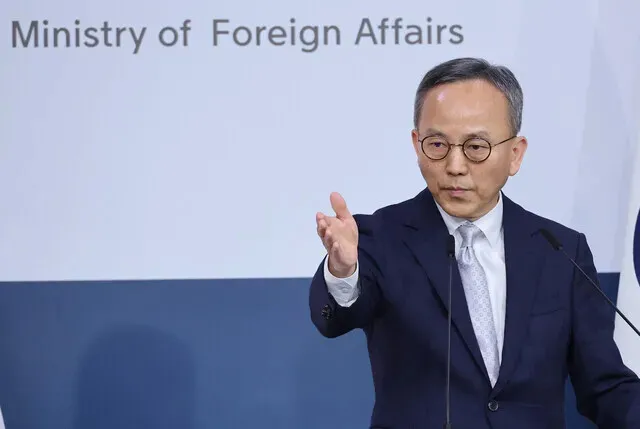
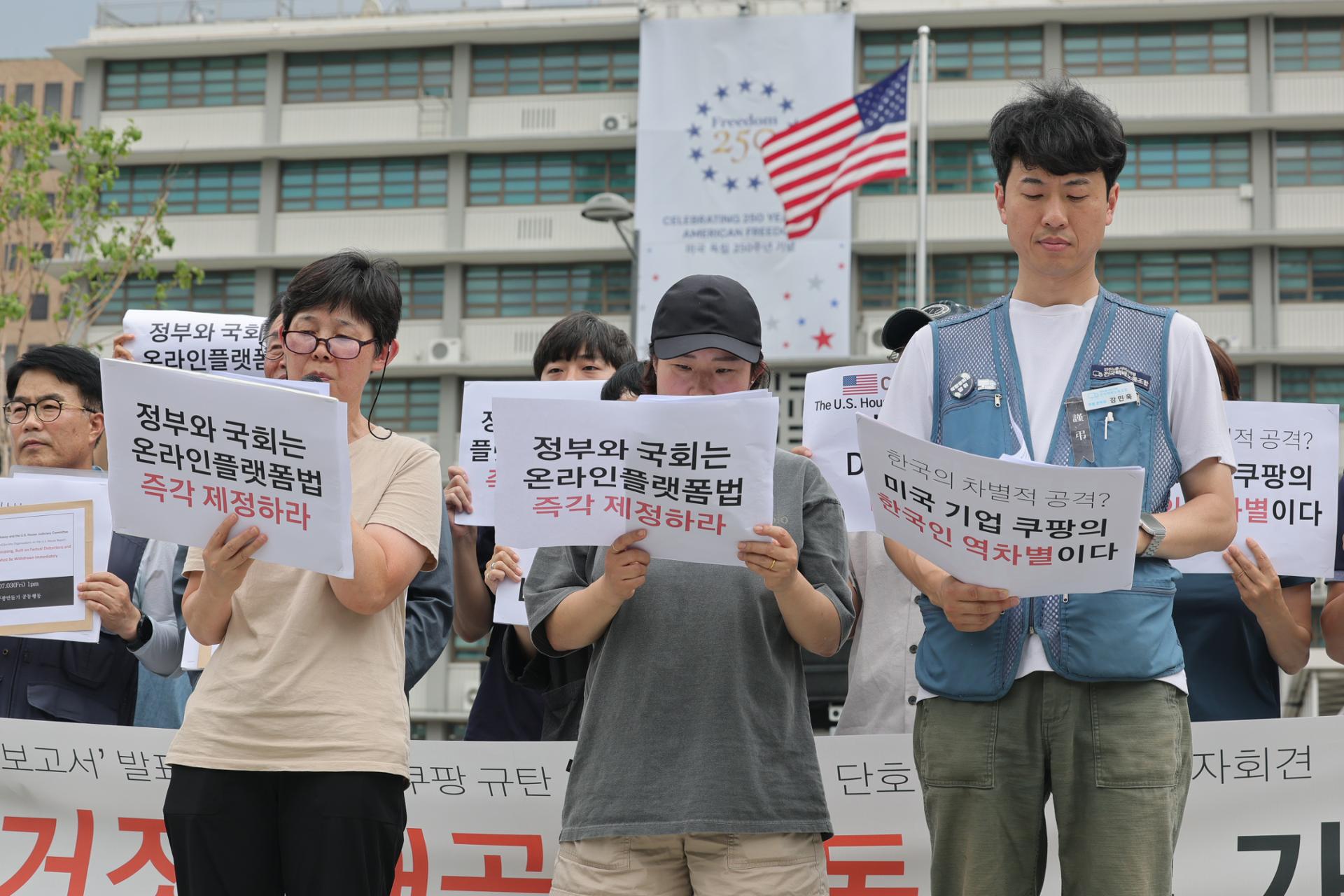
The White House and Republican lawmakers in the US have accused the South Korean government of unfairly harassing American technology companies, citing the results of an investigation based on Coupang’s unilateral claims.With consultations ongoing to enforce a joint fact sheet agreed on by President Lee Jae Myung and US President Donald Trump in November last year, the start of an all-out US offensive over the Coupang issue threatens to derail working-level bilateral talks.At times like these, one of the most important tasks is to counter misinformation and baseless claims while continuing to engage Washington through patient and sustained dialogue. Seoul must do its best to determine the issues in the report and ascertain developments surrounding it within Congress and the White House to ensure that Korea’s national interests are not unjustly undermined.In a statement sent to the Hankyoreh on Thursday (local time), a White House official said that “by any reasonable measure, Coupang is being singled out by the Lee government,” adding that the Trump administration “will not tolerate unfair trade practices, including those that limit market access for US digital services.” The statement came one day after Republican members of the House Judiciary Committee released the interim staff report “Closed for Competition: South Korea’s Discriminatory Attacks on American-Owned Businesses.”The report accused Seoul of a “harassment campaign” against Coupang Inc., Coupang’s US entity, and its Korean subsidiary Coupang Corp., causing the company’s market cap to plummet over 40%, and that, along with other discriminatory acts, this could result in US economic losses of more than US$500 billion over the next 10 years. The White House also stepped in to lend support to this claim.A closer look at the report shows mention of a “whole-of-government assault” by Korea to investigate Coupang’s personal information breach involving over 37 million people, which ignited the scandal. On the investigation by Korea’s Fair Trade Commission that resulted in Bom Kim, the chairman of Coupang’s board of directors, being designated as the company’s controlling figure (“same person”), it cited a recent survey of American companies to find fault with the watchdog agency’s oversight, saying that it was characterized by a “[l]ack of due process and procedural fairness.”The report also criticized moves such as the enactment of the Online Platform Act, saying Seoul “weaponized digital laws and regulations to hinder the ability of innovative American companies to effectively compete in its market.” This clearly painted the Korean government as a shameless entity willing to stop at nothing to disrupt the operations of American companies and inflict economic losses on the US.After the Ministry of Foreign Affairs on Thursday released a statement expressing regret that the report contained only Coupang’s “one-sided claims,” National Security Office Director Wi Sung-lac the next day reiterated that the government’s probes into Coupang are being conducted “in a non-discriminatory manner and according to due process.”This issue will most likely be discussed within the framework of the inter-governmental consultations for implementing the joint fact sheet. The talks will cover not only Korea’s digital laws and policies including the Coupang issue, but also topics related to core national interests, such as the construction of homegrown nuclear-powered submarines and uranium enrichment.While Korea must listen to rational arguments raised by the US, it must firmly reject any unjust and malicious demands based on falsehoods. The Coupang issue could easily spiral into a thorny challenge that leads to an emotional confrontation between the two countries. Meticulous diplomatic efforts are thus needed to ensure that the fallout does not spread to bilateral relations as a whole.Please direct questions or comments to [english@hani.co.kr]