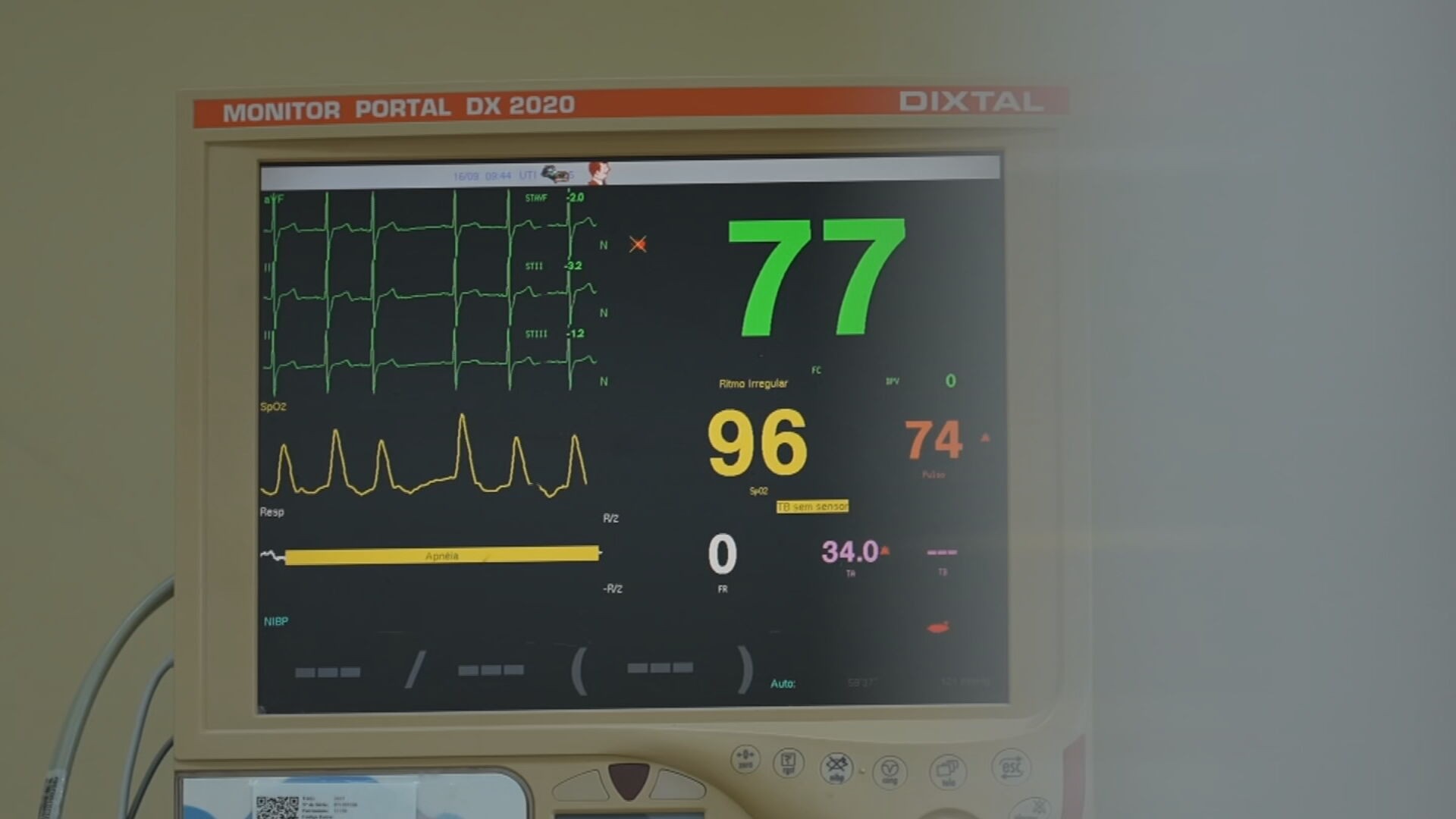
Reflecting improved understanding and treatment advances, new European Society of Cardiology (ESC) guidelines on heart failure have been published online today in the European Heart Journal and will be presented at ESC Congress 2026 this afternoon.
Heart failure is not a single disease but a clinical syndrome comprising signs and/or symptoms caused by the heart not functioning properly. The prevalence of heart failure is estimated to be 1–3% in the general adult population, and although mortality rates have improved considerably over the past three decades, less than 60% of patients diagnosed with heart failure are still alive five years later.
"The overall burden of heart failure is expected to rise due to an aging population and greater prevalence of risk factors and obesity," said task force chair Professor Lars Køber of Rigshospitalet—Copenhagen University Hospital, Denmark. "One of the key points we have tried to emphasize in the 2026 guidelines is the importance of prevention and starting treatment as early as possible."
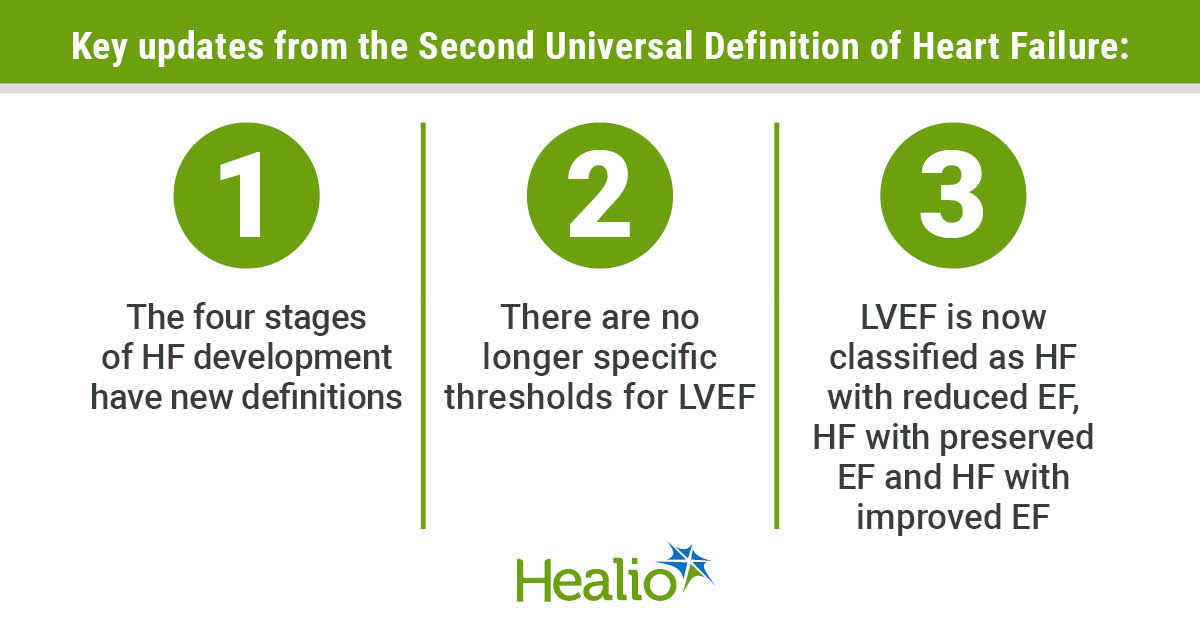
The 2026 guidelines have adopted a staging approach and provide recommendations across the spectrum, from preventing heart failure in patients at risk (stage A) to treating advanced heart failure (stage D).