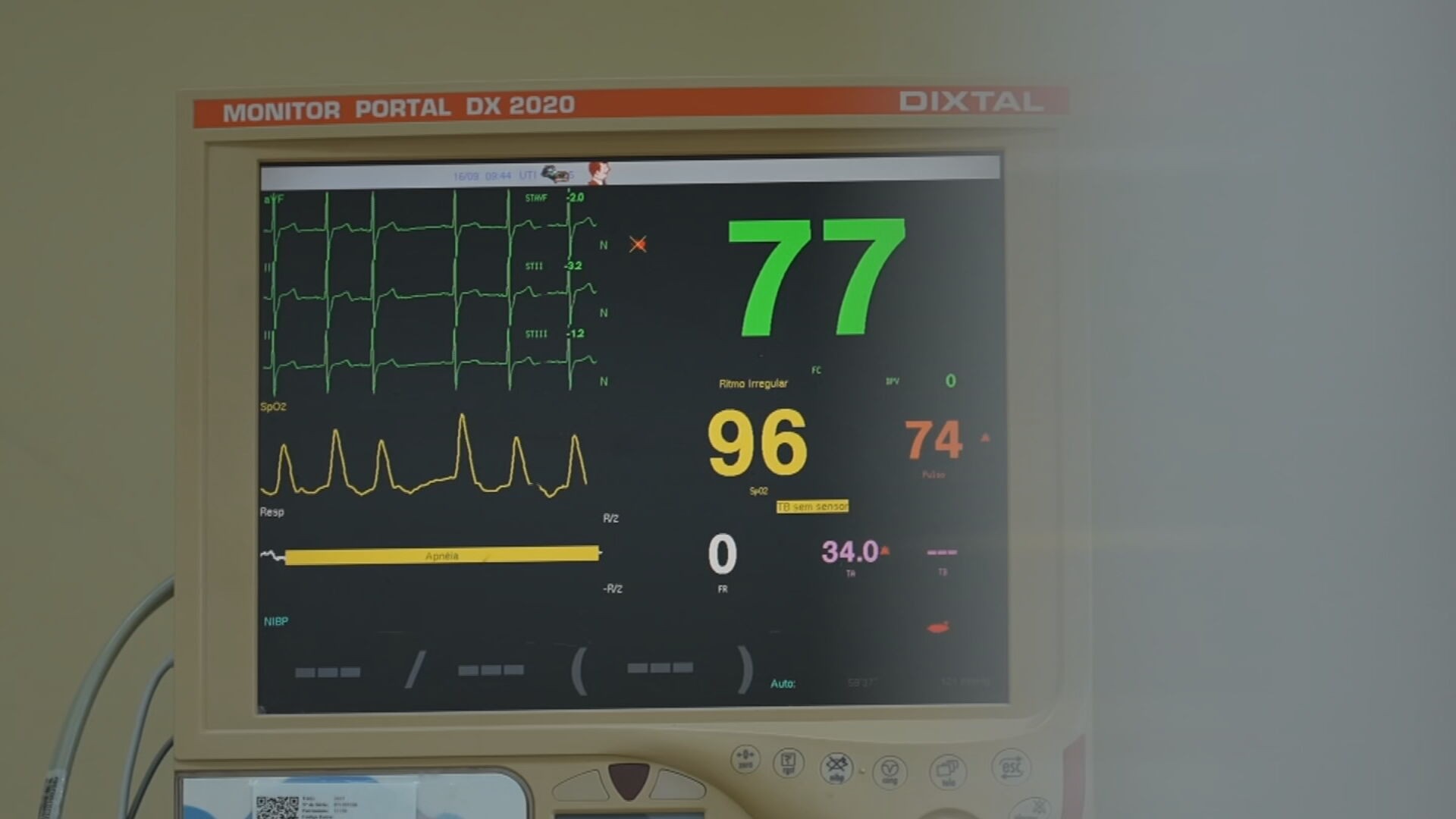
When a myocardial infarction, such as a heart attack, occurs, being able to classify its type can improve diagnosis and treatment. For the first time, a universal definition of myocardial infarction has been developed and published by four major cardiac societies: the European Society of Cardiology (ESC), the American College of Cardiology (ACC), the American Heart Association (AHA) and the World Heart Federation (WHF). The Fifth Universal Definition of Myocardial Infarction was presented at ESC Congress 2026 on Aug. 30.
Myocardial infarction (MI) is one of the most common cardiovascular disorders, with an estimated prevalence of 3.8% in individuals younger than 60 and 9.5% in those 60 and older. MI remains a leading cause of death and a significant public health concern worldwide.
"People may think of an MI as a heart attack caused by a blocked coronary artery, but there are many different causes of MI," explained ESC Chair, professor Nicholas Mills from the University of Edinburgh, UK.
"The previous universal definition used a numerical system to categorize the different types of MI, but this was not always easy to apply in clinical practice, leading to inconsistencies in diagnosis and treatment. The ESC, ACC, AHA and WHF have worked together to devise an updated and simplified classification system for MI, which aims to address these limitations."