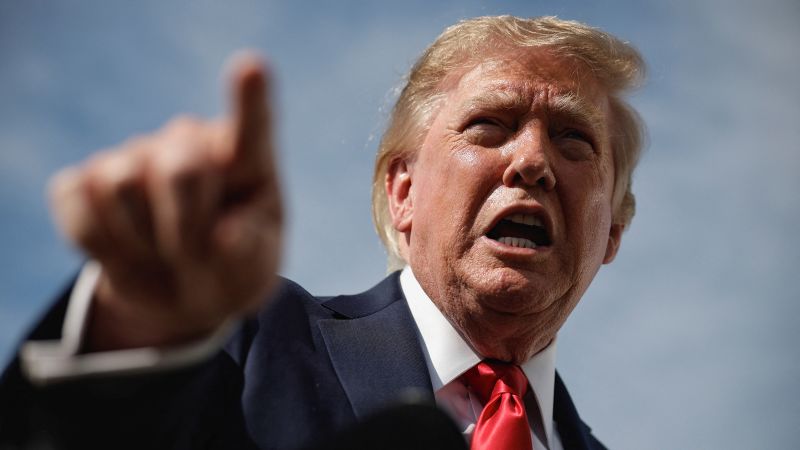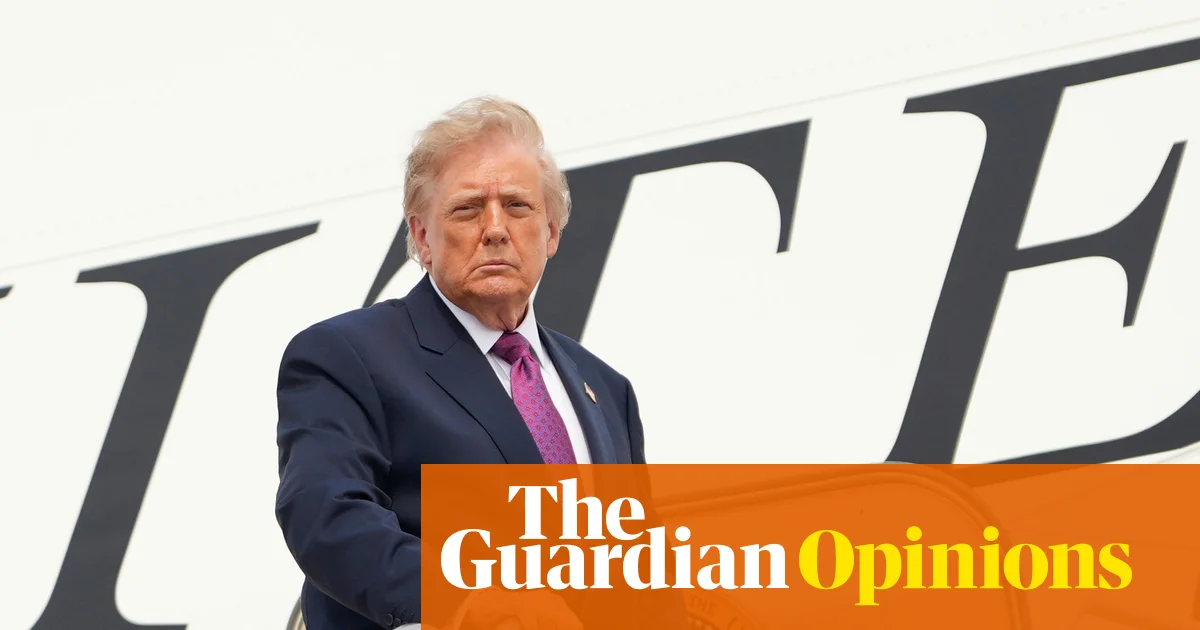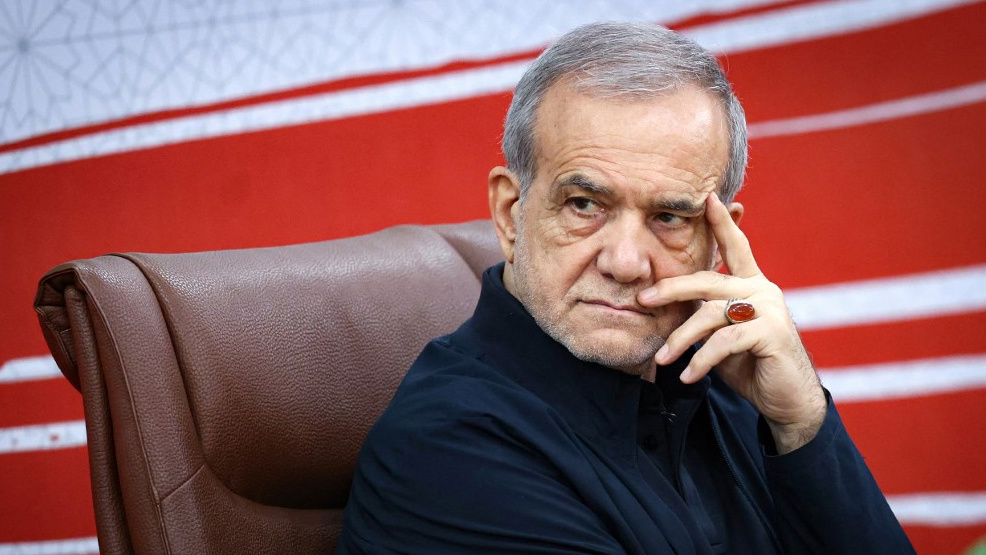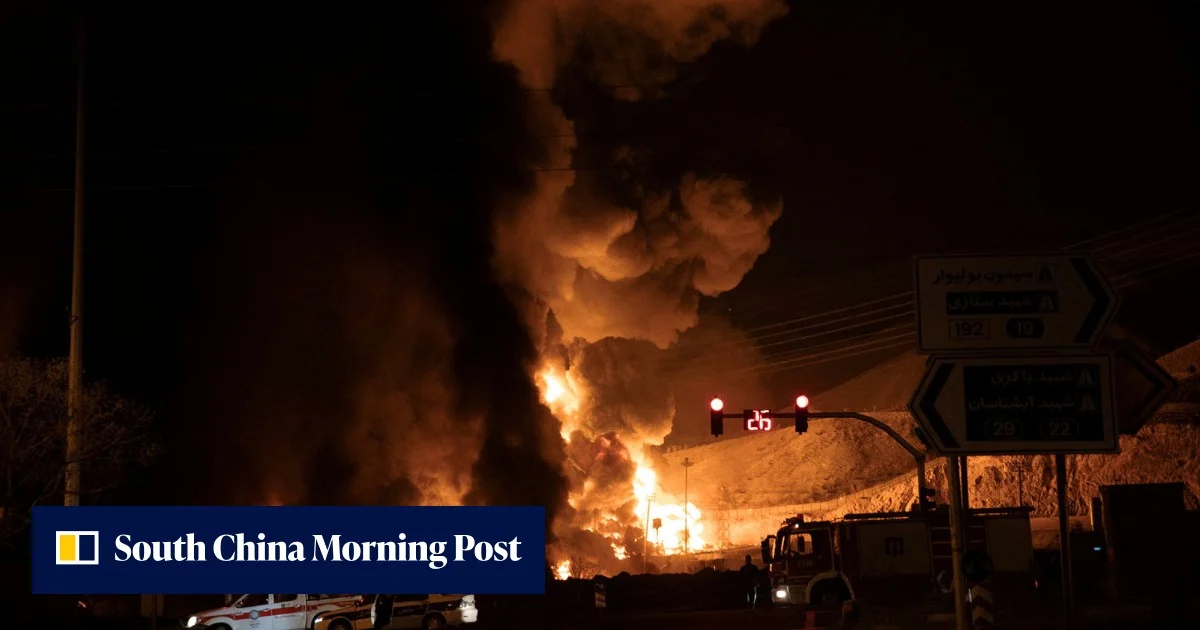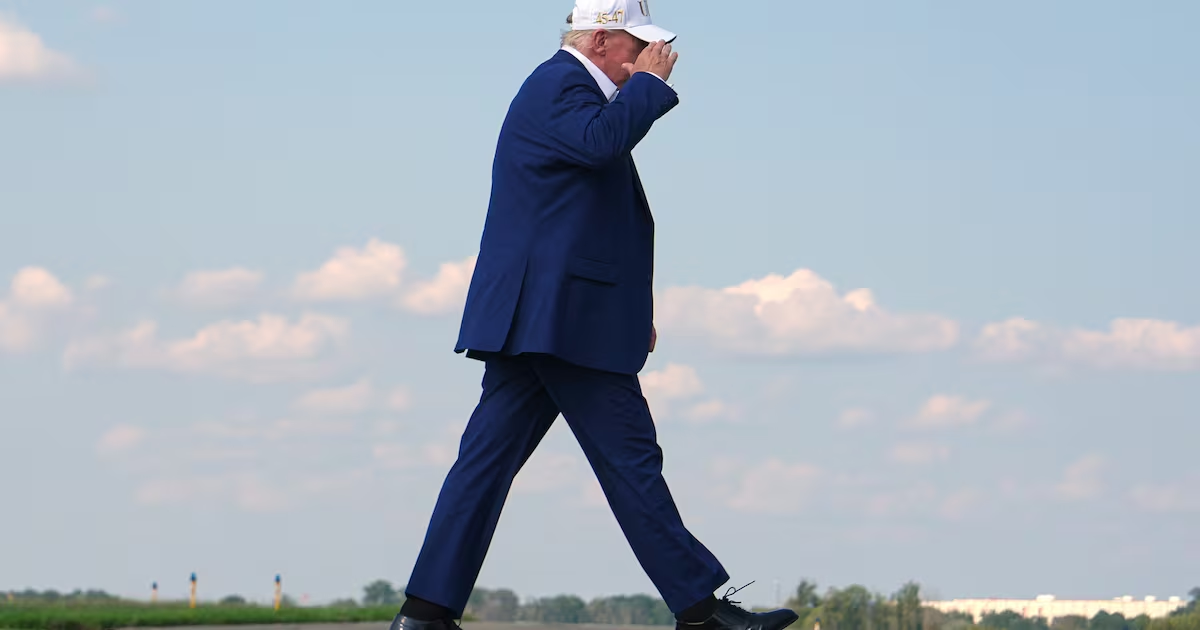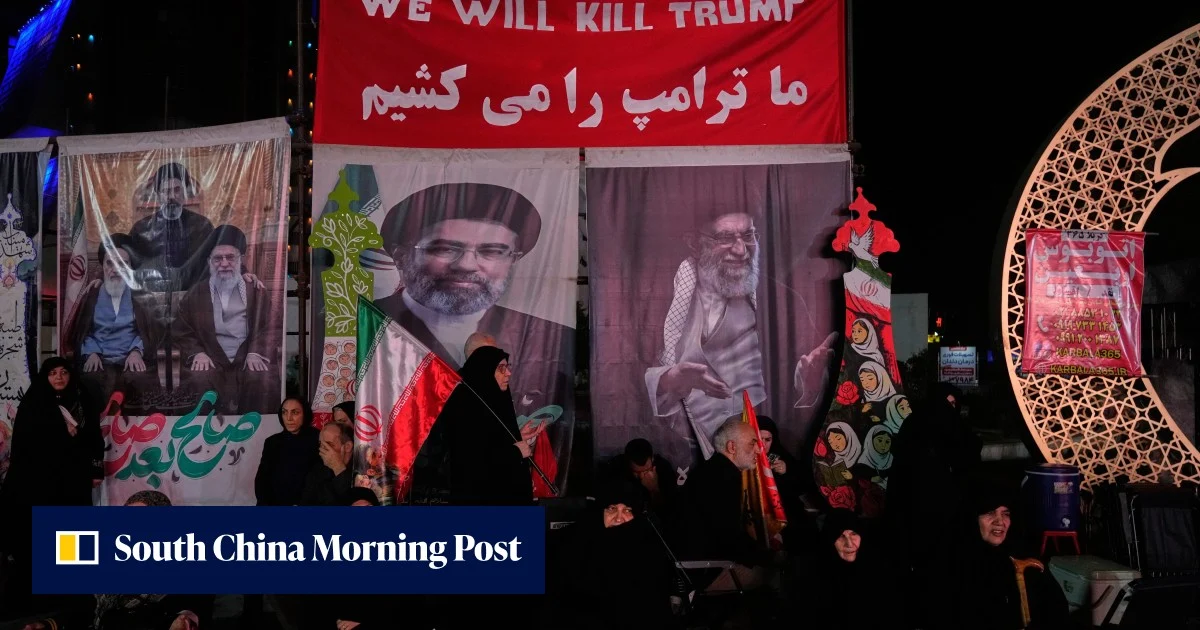
PRESIDENT Donald Trump’s declaration of economic war on Iran is likely to backfire just like his bombing campaign failed to force Iran to surrender. It also exposed the limits of US military options. Wrapped in hyperbolic language, his threats to impose the “toughest sanctions in history” and “the most crushing economic operation ever taken against any country” were met with defiance by Tehran. Iran’s Foreign Minister Abbas Araghchi dismissed them, saying “We have seen this movie before”. Iranian officials warned of halting all oil flows from the Gulf and delivering an “earthquake-like” retaliation if Washington followed through.
On what US Treasury Secretary Scott Bessent called Economic D-Day last week, he announced measures to sever Iran’s “financial lifelines” and force a “regime endgame”. But earlier, Trump telephoned Pakistan’s chief of defence forces, Field Marshal Asim Munir and asked him to persuade Iran to resume negotiations. FM Munir then headed to Tehran for talks with Iranian leaders. For all his blusterous rhetoric about “crippling Iran” the outreach was another sign of Trump’s desperation for a deal to end the six-month-old conflict. His flailing actions showed his growing frustration with a deeply unpopular war in his country. According to officials, Pakistan urged Trump to allow time for diplomacy to produce results.