Story audio is generated using AI
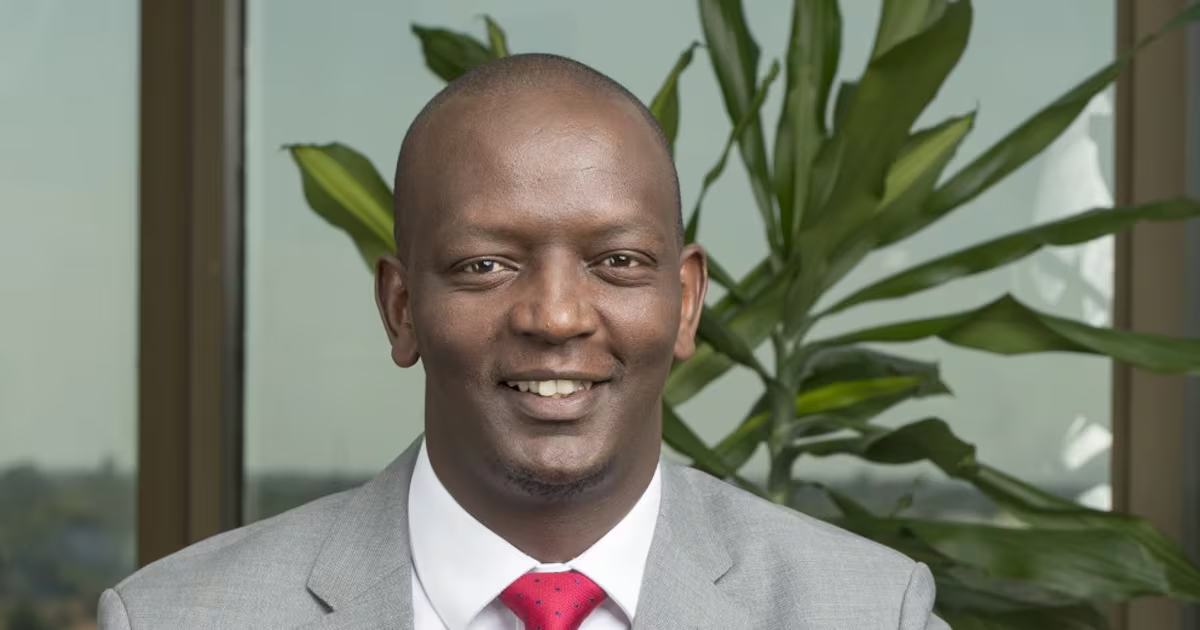
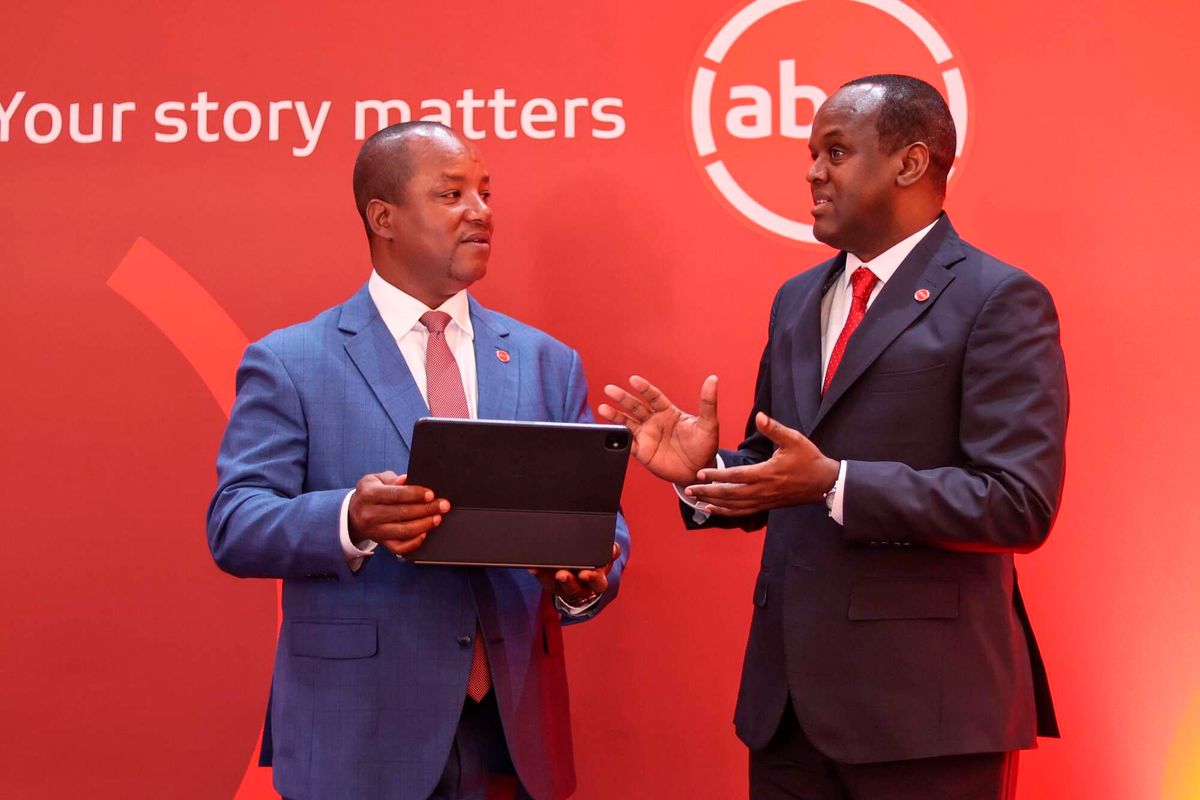
Absa’s new personal and private banking chief, Sitoyo Lopokoiyit, says the country’s third-largest lender by assets has no option but to disrupt itself as it looks to claw back lost ground and gain market share in the highly competitive industry.Lopokoiyit, who took over the position in April, says one of the big opportunities for the franchise lies in cross-selling, identifying the lender’s call centre as low-hanging fruit to sell the group’s products.“My plan is to have at least 50% of the call-centre calls being outbound, getting in touch with clients and selling our products,” he told Business Day.Among the cross-selling opportunities flagged by Lopokoiyit is insurance, as some of the group’s vehicle-finance clients don’t insure their vehicles with the bank. Lopokoiyit also plans to woo workers in the agriculture sector to its ranks. The lender is the country’s largest funder of the agriculture sector, with some estimates putting its market share at 40%.South Africa’s agricultural sector employs about 1-million workers, with a further 300,000 employed across the value chain.“There is a big opportunity for Absa to be the bank of choice for workers in this sector. We have to be deliberate about telling the value we present to clients.”Lopokoiyit, poached from fintech major M-Pesa, says part of the self-disruption in Absa’s bid to build a dominate pan-African retail banking proposition will be to rejig the group’s payments play and its underlying technology.“In the near term, priorities include enhancing digital customer experiences and leveraging our distribution network to accelerate customer acquisition and growth while maintaining disciplined capital allocation,” Lopokoiyit said.“Over the longer term, the business will focus on leveraging new platforms and partners to accelerate growth through scaled digital-first customer acquisition and engagement, expanded payments, and ecosystem capabilities.”In the six months ended June, Absa’s personal and private banking franchise reported a 12% increase in headline earnings to R4bn, with R3.3bn of this coming from its South African business.Gross loans and advances to customers increased by 4% to R571bn, home loans grew by 2% to R331bn, vehicle and asset finance rose by 10% to R143bn, while unsecured lending remained in line with the prior year at R85bn, reflecting a deliberate strategic focus on repositioning the portfolio.Lopokoiyit took over the business midstream in its integration journey, consolidating its South African and African regions into a unified pan-African organisation. Key strategic priorities on Lopokoiyit’s lap include:Accelerating digital adoption, driving simpler, faster and more consistent customer experiences.Repositioning distribution as a commercial growth engine and deepening customer relationships through targeted engagement and integrated propositions.Harnessing strategic partnerships, emerging technologies and platforms to unlock ecosystem opportunities and deliver differentiated customer propositions and experiences.Absa’s retail business, historically its biggest strength, has been underperforming its rivals for some years, losing its dominant position in the home-loans market to Standard Bank.The lender also used to have the biggest market share in deposits by individuals, a leadership position it has also lost.A few years ago, in a strategic misstep, the retail business was split into “everyday banking”, “relationship banking” and “product solutions” clusters, a move that failed to yield the desired results.Charles Russon recombined the businesses in 2024 during his interim CEO stint. In a frank assessment, Absa in its 2025 annual report acknowledged its shareholders were unhappy about the performance of its South African retail businesses and the depth of talent in its executive team.Group CEO Kenny Fihla has wasted no time in ringing in changes to the executive team, including poaching Lopokoiyit to lead the retail outfit.Business Day