Story audio is generated using AI
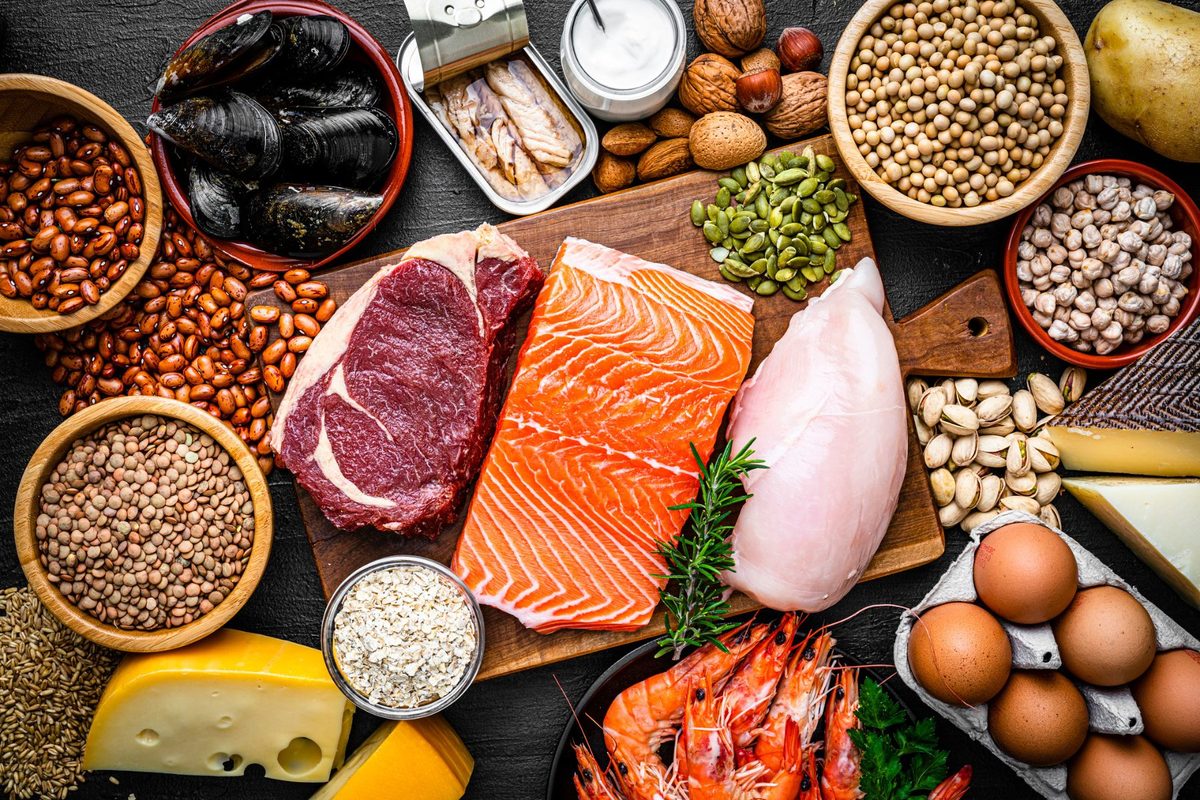
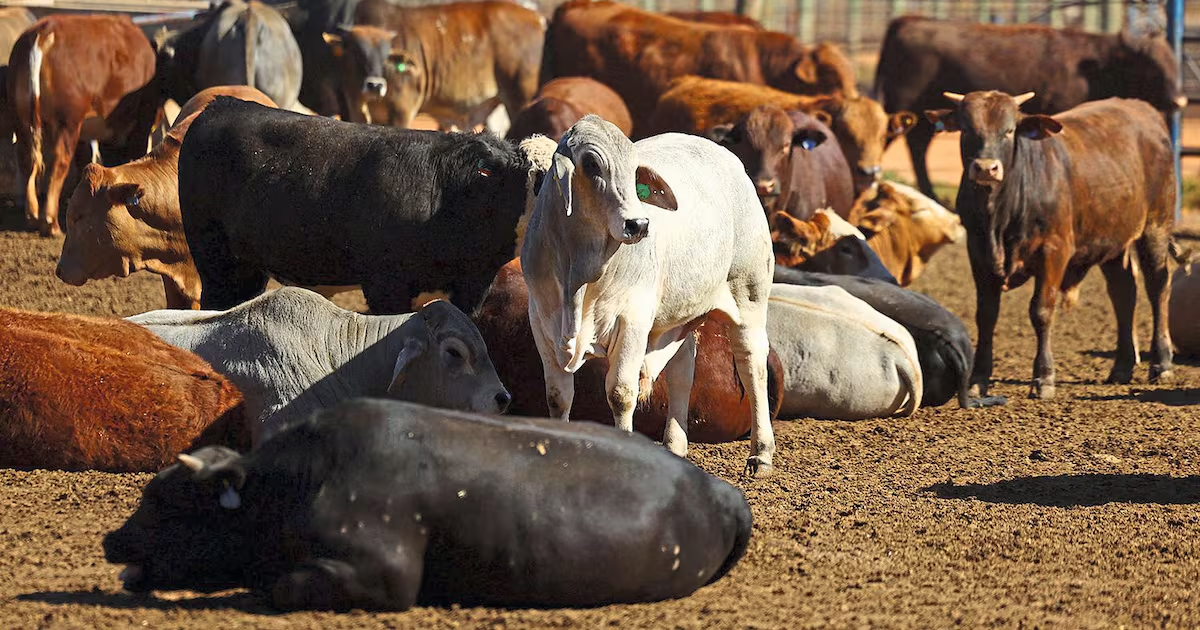
We know that animal farming produces enormous greenhouse gas emissions, and so should we be more mindful about where we source our protein?Tim Cocker is a British YouTuber who hosts the podcast series Eggchasers. He has shot to South African stardom. A lover of rugby, he has fallen in love with the country, the culture, the national team and the braais.The Springboks’ newest sponsor is flighting an advertisement (that features Eggchasers, alongside other famous foreigners) with the question: what are they feeding them? The climax involves Springbok legend Bismarck du Plessis telling forwards coach Daan Human to try the ribs at an inviting meat section. The idea is to “eat like a champion”.I’m sold, Pick n Pay. We do live in a meat-eating country, and I’m open to any meat sponsorships.You are right about the environment. Interestingly, not all avid meat eaters are cavemen, and they can hold two truths at the same time.Biologically, animal protein delivers a complete, highly digestible amino acid profile, rich in muscle-building leucine and essential micronutrients such as haem iron, zinc and vitamin B12, without the heavy carbohydrate and caloric overhead of many plant alternatives. That’s one truth.The other is that commercial food systems account for more than a quarter of global emissions, with high-meat diets imposing a heavy carbon cost that makes personal consumption choices an undeniable climate issue. Every consumer is a “voter” powering the industrial machine.Protein Pivot, co-founded by Terry Owen-Jones, is a South African food-education initiative that advocates for an evidence-based, climate-conscious diet built from familiar local foods. Before we lose all CrossFit readers, it is useful to listen to what Owen-Jones and Protein Pivot have to say. Rather than calling for absolute veganism or lab-grown alternatives, the organisation proposes shifting plate ratios to roughly 60% animal protein and 40% plant protein.That sounds entirely reasonable. My weekly dinner plates alternate between almost every protein source I can find: beef, chicken, fish, pork and lamb occasionally, eggs, black beans, and even lower protein sources such as sorghum, quinoa, couscous, bulgur wheat, yellow mielies, brown and red rice and alfalfa sprouts. The protein in our household is exceptionally diverse but still short of the 60:40 split.Owen-Jones reminded the Water Cooler that food systems drive 21%-37% of global greenhouse gas emissions, with animal foods generating 57% of food-system emissions. We all know the poorest of the poor can’t be asked to think about emissions when they don’t know where their next meal will come from, but Owen-Jones, citing peer-reviewed research, said that reducing heavy meat consumers to moderate levels yields far greater environmental gains than converting low-income meat eaters to strict meat-free diets.Owen-Jones argues that the 60:40 framework satisfies athletic requirements for leucine, vitamin B12, haem iron and zinc without needing complex supplementation. She said research shows muscle hypertrophy gains are equivalent across protein sources when leucine targets are matched. Beyond this, she points to data that the most plant-forward group in a large Harvard cohort had 19% lower recorded cardiovascular disease risk. Unlike long-term carbon dioxide reduction, lowering livestock demand cuts short-lived methane gas, offering rapid climate payoff — within a decade.Protein Pivot’s suggestion to encourage staples such as samp and beans makes eminent economic and environmental sense for the general population. However, one can see the reactionist response already.To extract 30g of protein from chicken or lean beef entails consuming 140–185 calories and zero carbohydrates. Reaching that same 30g protein threshold through samp and beans, for example, demands a massive two-and-a-half-cup portion delivering 540 calories and 112g of heavy starch. This nearly triples the energy cost for protein equivalency.For anyone managing body fat, insulin sensitivity or tight daily caloric limits, swapping lean animal protein for carb-dense plant staples is not a neutral exchange. It is an unavoidable carb-and-calorie trade-off.However, that’s just samp. No-one is saying eat only samp. What about a spicy quinoa and black bean dish? It’s way better than samp but still not calorie-neutral with lean meat. However, the Water Cooler doesn’t construct strawmen; mostly, we eat them.Protein Pivot’s suggested 60:40 animal-to-plant protein split, as opposed to an all-or-nothing plant-only alternative, represents a high-impact, mindful “middle ground” precisely because there is ample room for meat, fish, dairy and eggs.Business Day