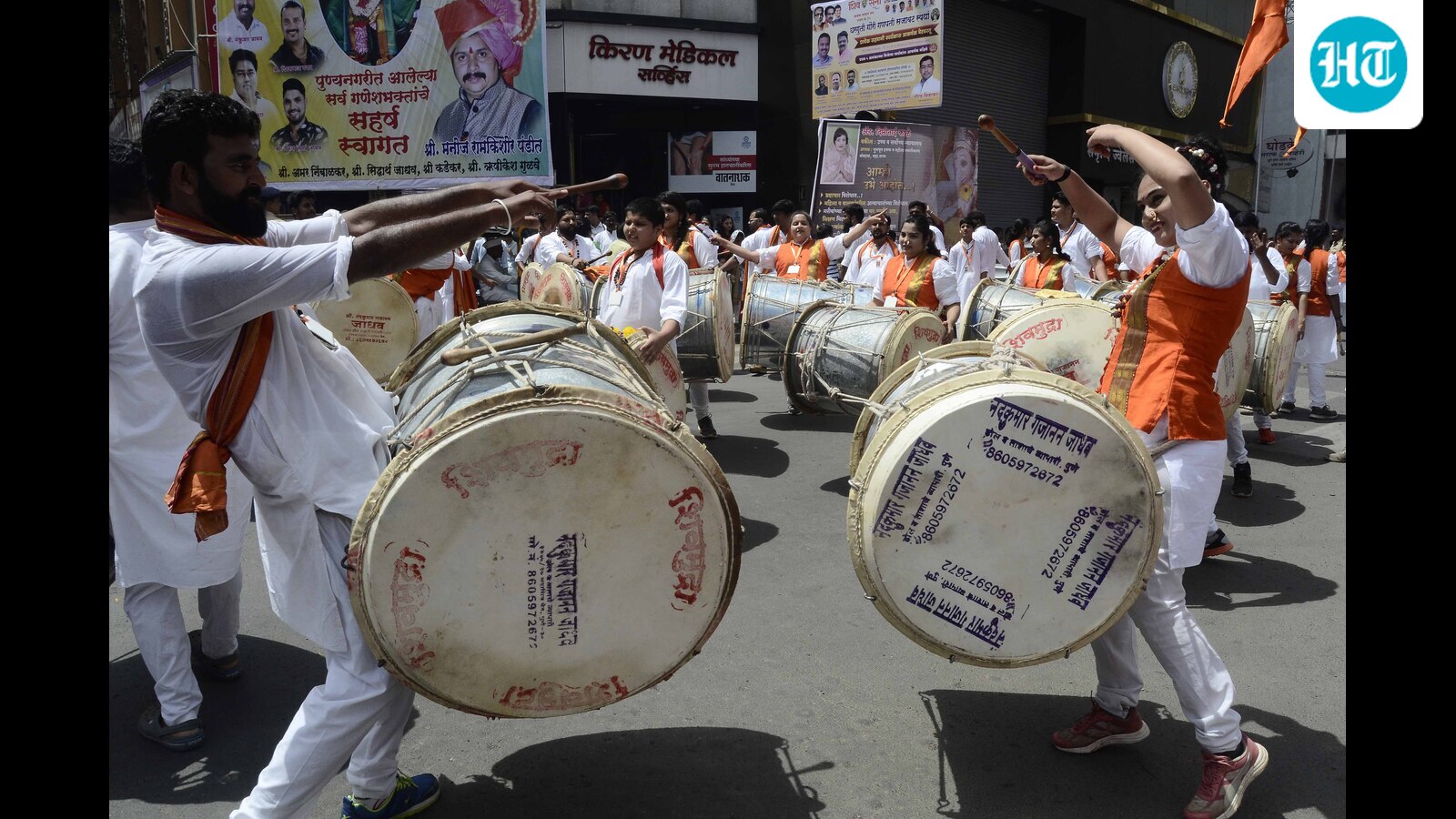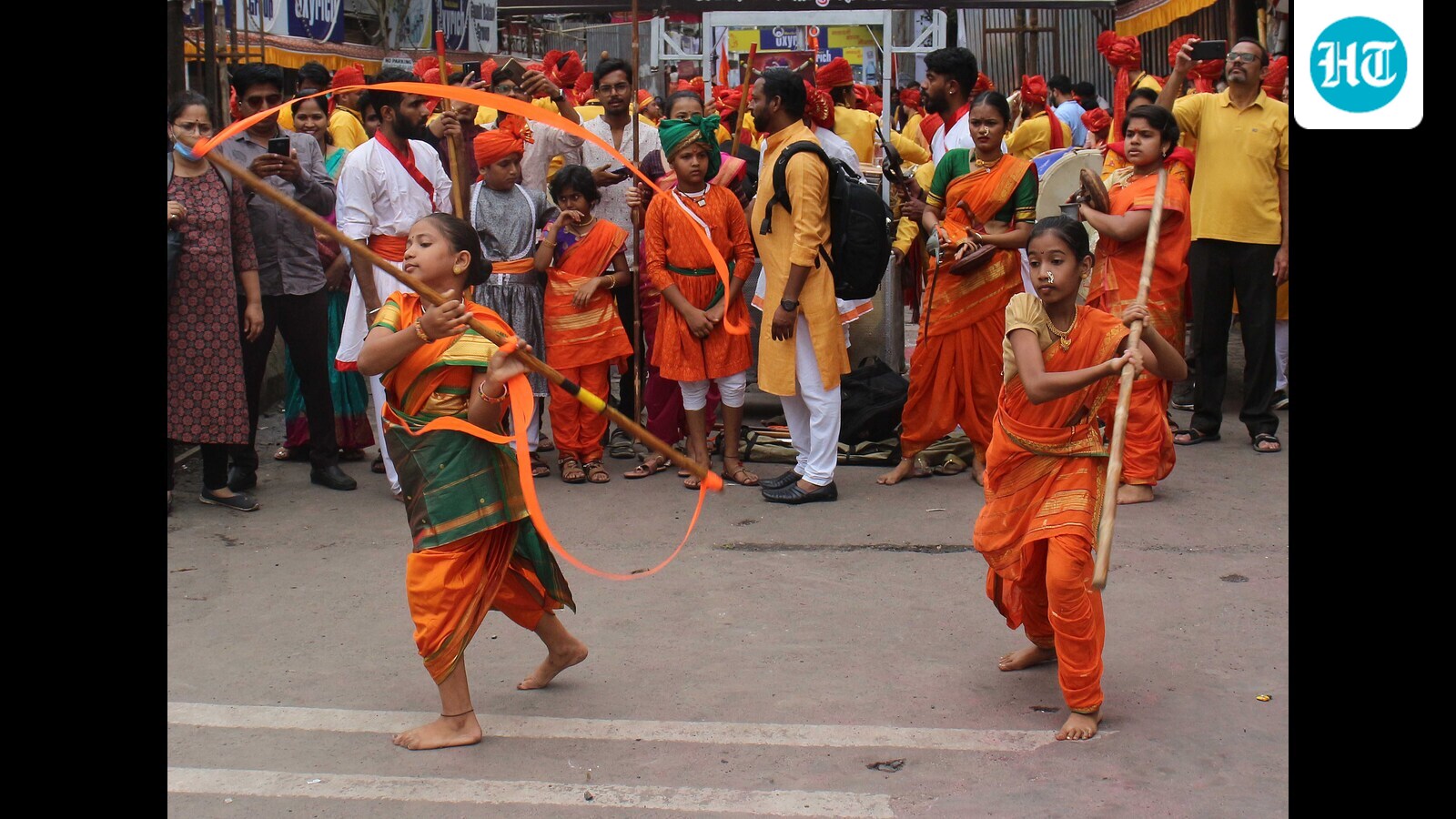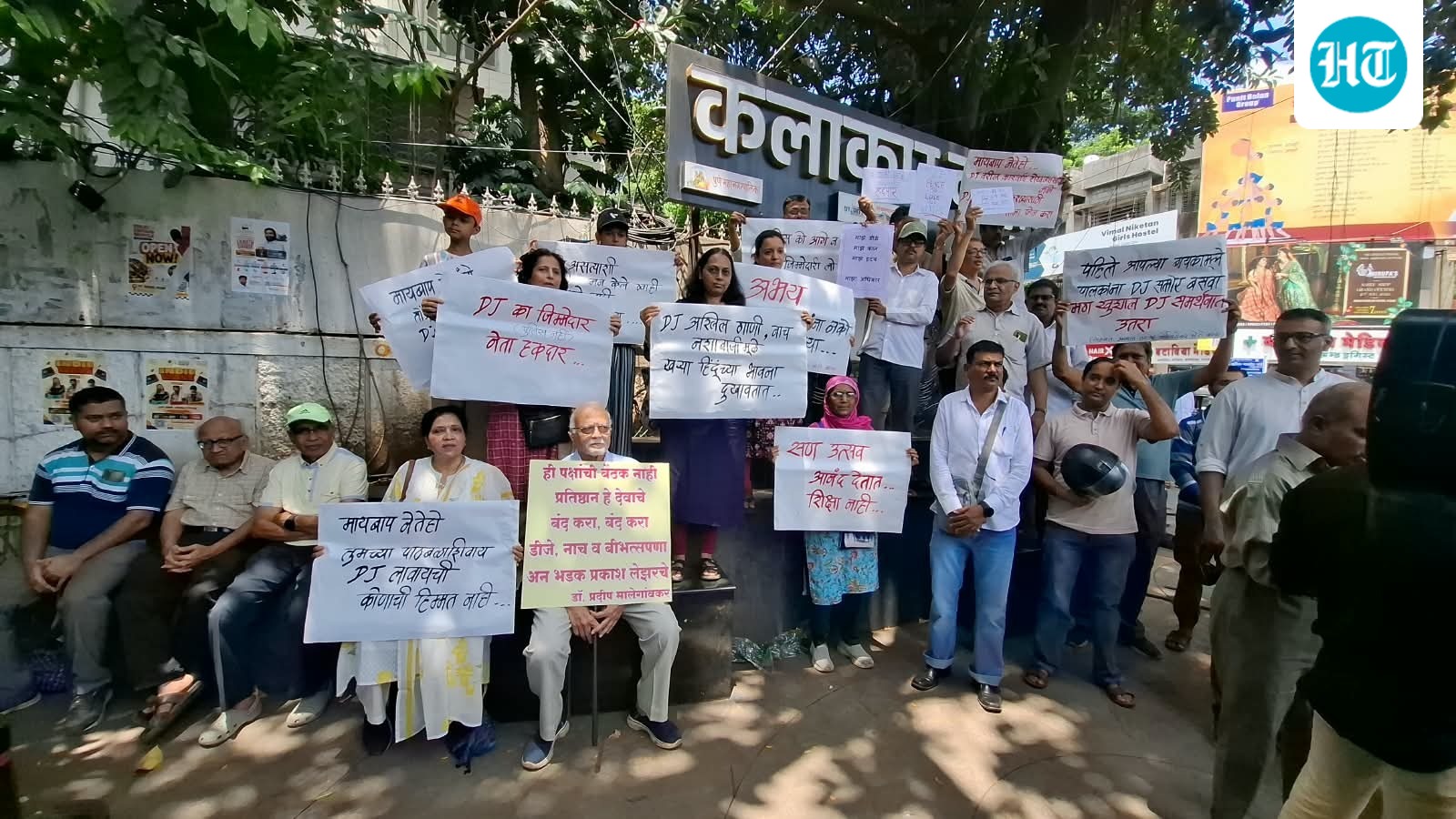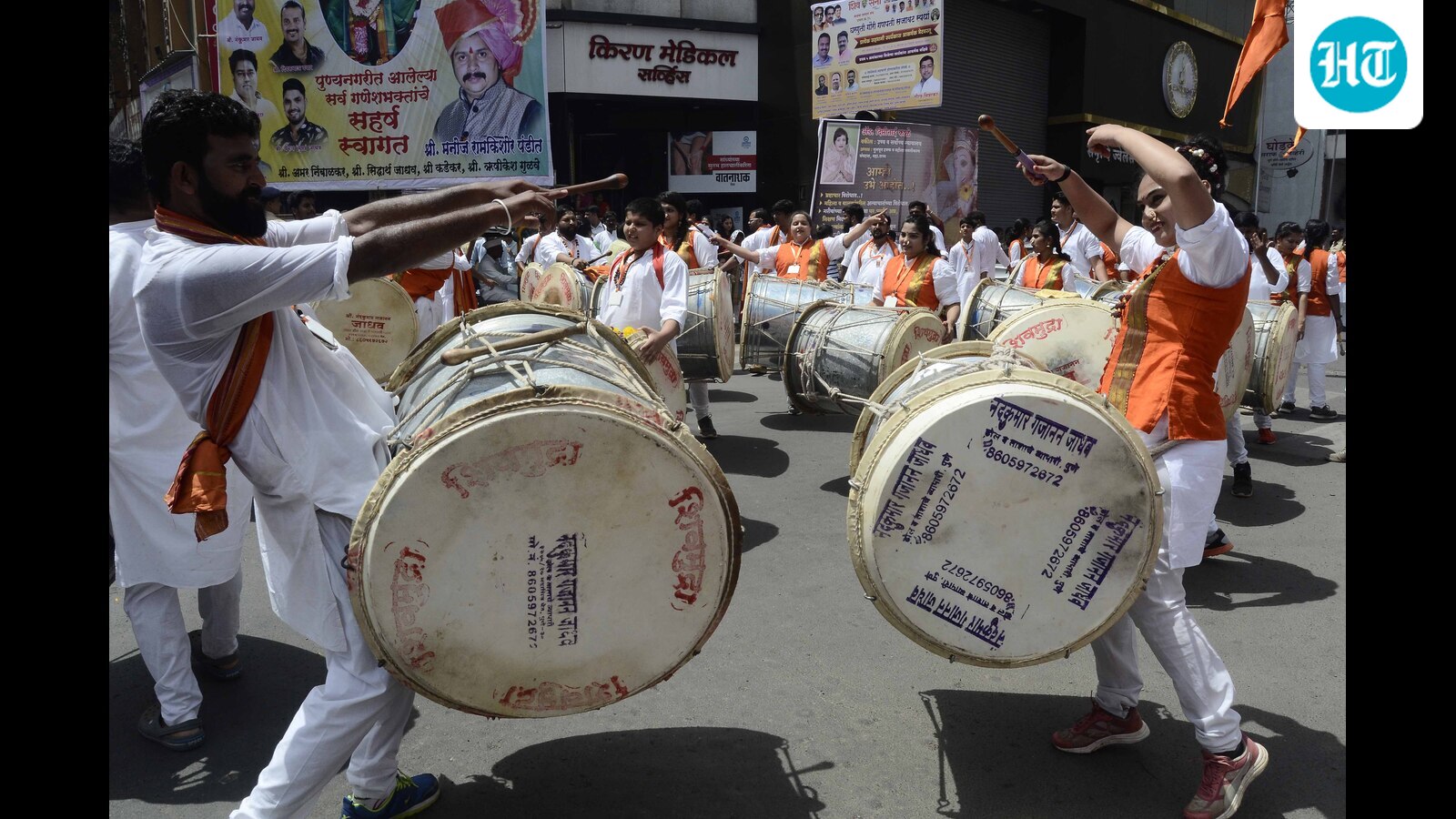
There is something striking about ongoing debate over noise during Ganeshotsav. A festival that was transformed into a public institution more than 130 years ago to bring people together, create social awareness and provide a platform for public discussion is today increasingly judged by how loudly it can make itself heard.In 2025, the average noise level recorded at 10 locations was 92.6 decibels, the lowest post-Covid average, but still considerably above the prescribed daytime limit of 55 decibels for residential areas. (FILE)Every year, the arguments return with remarkable consistency: DJs versus dhol-tasha, tradition versus noise restrictions, religious sentiment versus the rights of residents, and whether the police should be more stringent. Yet, amid this familiar debate, there is a larger question about how a public festival has evolved and how much of its original character remains relevant today.Pune now has enough evidence to show that the issue is not merely about a particular musical instrument or a particular generation’s idea of celebration. CoEP Technological University’s annual monitoring of sound levels during the Ganesh immersion procession provides a useful picture of how loud the city becomes during its biggest public celebration.In 2025, the average noise level recorded at 10 locations was 92.6 decibels, the lowest post-Covid average, but still considerably above the prescribed daytime limit of 55 decibels for residential areas. At Belbaug Chowk, the average was 98.8 decibels, while the peak at Kunte Chowk reached 111.8 decibels. In 2022, the average across the monitored locations was 105.2 decibels.The comparison with the Covid-19 years is perhaps more interesting. In 2020, when the conventional immersion procession did not take place, the average sound levels monitored by CoEP fell to roughly 55-61 decibels. When the procession returned, the levels rose substantially.The comparison does not establish that the noise is caused by DJs alone, or that one form of music is inherently more problematic than another. It does, however, offer a measure of the impact that a large public procession has on the city’s sound environment.That also makes the distinction between the various sources of noise somewhat less important. Whether the sound comes from a DJ system, dhol-tasha, a brass band or a loudspeaker, its impact ultimately depends on its volume, duration and proximity to people living or working along the route.The legal position is equally worth recalling, as the permission granted for the use of loudspeakers beyond 10 pm on specified festival days is not a blanket exemption from noise standards. The Noise Pollution Rules permit states to allow cultural or religious occasions to extend loudspeaker use until midnight on a limited number of days in a calendar year. The exemption concerns the timing; applicable noise limits continue to remain relevant.Pune’s 2026 notification permitting such extensions on specified occasions also makes the distinction clear. Midnight, therefore, is not a decibel exemption.The issue is not confined to Ganeshotsav either. Pune has religious, political, cultural and celebratory processions through the year. Meanwhile, the city has become denser, with residential buildings increasingly located along roads used for public events. Hospitals, schools and homes are often part of the same urban environment through which processions pass.It is against this changing city that the history of the public Ganesh festival is worth revisiting.More than 130 years ago, when Lokmanya Tilak helped give Ganeshotsav a wider public character, the festival became a means of bringing people together at a time when large public gatherings were viewed with suspicion by the colonial administration. The early public celebrations included lectures, cultural programmes, music and discussions and became platforms for social mobilisation and public engagement.The important point is not to imagine those celebrations as some idealised, noise-free version of Ganeshotsav. Music and public celebration were clearly part of them. What was different was the nature of the public space being created: people gathered not simply to watch a spectacle but also to participate, listen, discuss and engage with one another.That history offers an interesting backdrop to the present debate. Pune’s Ganeshotsav has grown enormously in scale, just as the city itself has. Its processions attract thousands of people and are an important part of Pune’s cultural identity. The challenge now is to accommodate that celebration within a much larger and denser city.For a city that has made public Ganeshotsav part of its identity for more than a century, the conversation around its future need not be about celebration versus restraint. It could simply be about how a very old public tradition adapts to a very different city.And perhaps that is where the title of the festival’s history acquires a contemporary resonance: a public celebration created to bring people together and encourage public engagement now has to find a way of allowing everyone in that public space to be heard.
When Ganeshotsav was meant to make people listen
Pune now has enough evidence to show that the issue is not merely about a particular musical instrument or a particular generation’s idea of celebration
787 words~4 min read