Much has been written about Pakistan’s steep decline in cotton production — from around 13.9 million bales in FY15 to just 7.05m bales in FY26 — and its far-reaching economic repercussions. The decline has weakened the country’s largest export-oriented industry, textiles, and pushed raw cotton imports to $2.69 billion in FY25. It has also squeezed the domestic supply of cottonseed, which provides edible oil and cottonseed cake, a key source of livestock feed, further compounding the economic cost of cotton’s decline.
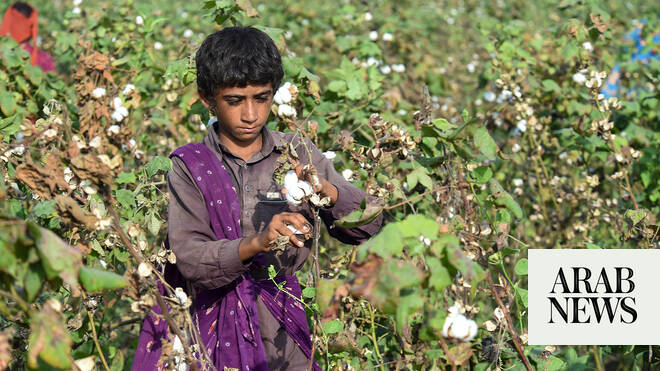
However, far less attention has been paid to how the shrinking area under cotton — a major Kharif (summer) crop — has affected Pakistan’s broader agriculture sector, reduced seasonal employment in labour-intensive cotton picking, and, most significantly, altered the country’s cropping pattern, particularly in Punjab.
For decades, Pakistan’s farmers have faced limited crop choices because well-developed value chains exist for only a handful of crops. The options are even narrower during the Kharif season. When cotton farmers began suffering heavy losses — largely due to the influx of poor-quality seed and inadequate government regulatory oversight — they increasingly shifted to other commercially viable alternatives, primarily sugarcane, rice, maize and sesame.