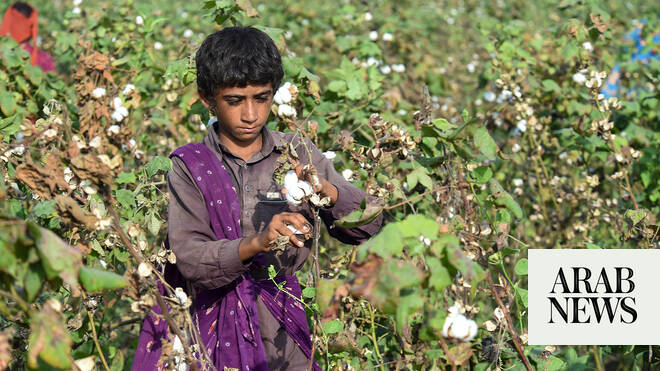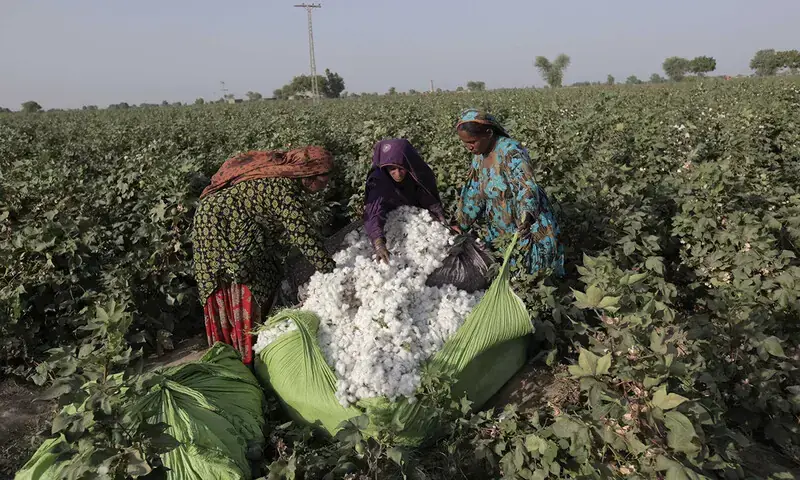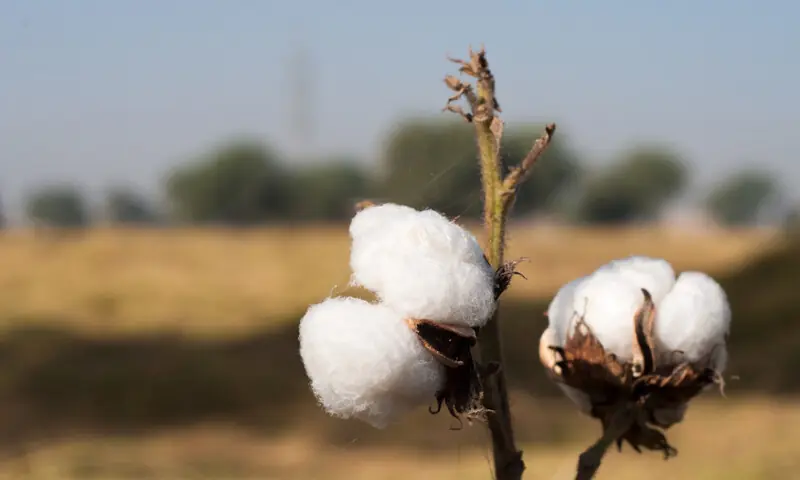
Pakistan’s cotton sector is shrinking, and the numbers explain why. Average national yields have collapsed to about 14-16 maunds an acre, down from the 40-50 maunds farmers once pulled from the same land. The shortfall is pushing growers towards more profitable rice and sugarcane instead.
Stagnant yields, weakening varietal quality and roadblocks to importing fresh germplasm have left little room to reverse the slide. “Wherever a farmer gets a bit more profit, they will naturally cultivate that crop. That is the core reason,” says Shahzad Ali Malik, CEO of Guard Agricultural Research & Services, one of the country’s largest seed companies.
He points to this year’s cropping pattern as evidence: cotton acreage has again fallen below government targets, while rice cultivation has climbed. Sugarcane has already expanded over time, though its heavy water requirement and dependence on proximity to sugar mills cap how far it can spread.
Even by the government’s own numbers, cotton compares badly with these crops. “Officials have now set 25 maunds per acre as the minimum yield for approving new cotton seed varieties, markedly down from historical norms. Even at that reduced bar, cotton cannot compete. Why would farmers grow cotton when sugarcane and rice turn bigger profits?” wonders Mr Malik.