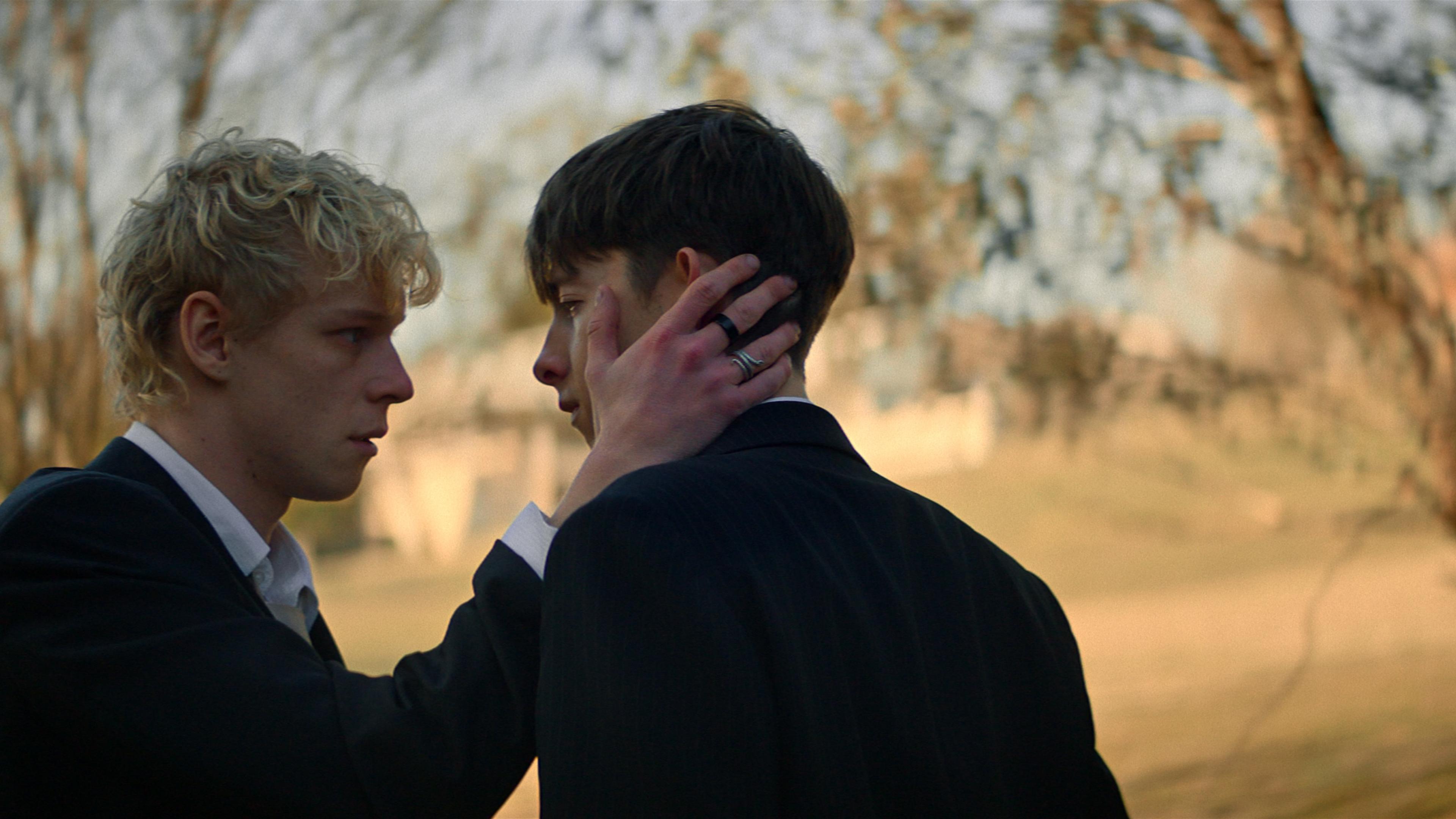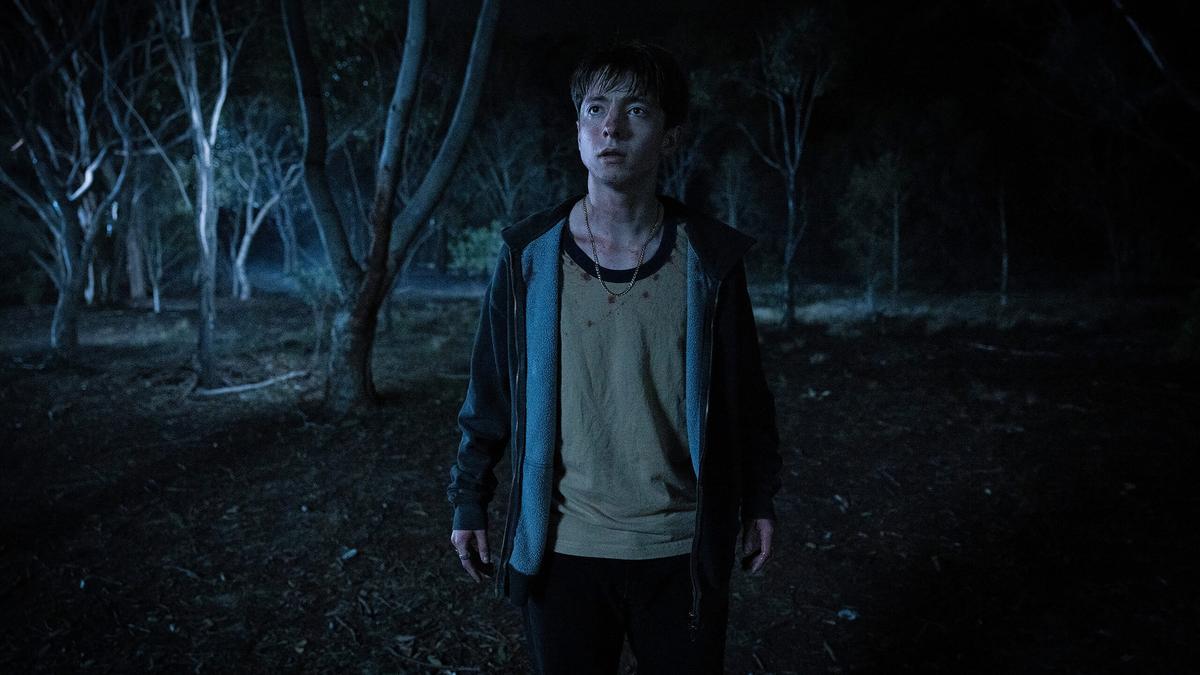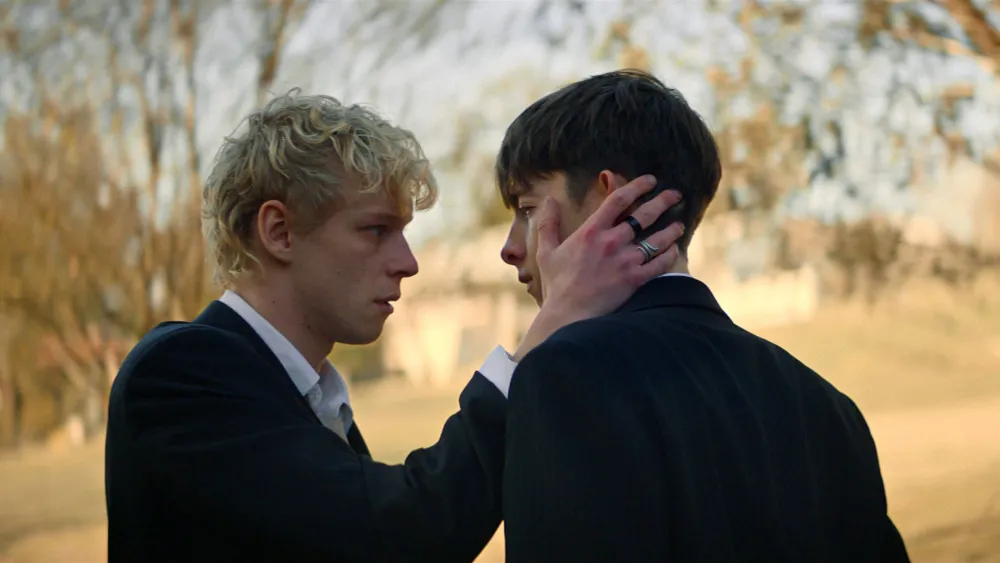
Adrian Chiarella’s impressive debut follows two teenage boys in an isolated religious town whose attraction unleashes supernatural violence; the allegory can be heavy-handed, but Joe Bird and Stacey Clausen give the film its aching emotional forceThe Hebrew title (i.e., blood ritual) given to Leviticus is misleading. There is no blood ritual at the center of Australian director Adrian Chiarella’s film, and despite several moments of graphic violence and some well-placed scares, this is not exactly a conventional horror movie either.At heart, Leviticus is about two teenage boys who feel estranged from their families and from the isolated religious community around them because of their mutual attraction. That attraction is eventually transformed into supernatural horror, but the monster is really an allegory for something much more familiar: homophobia, repression and a community determined to police desire.Leviticus, trailer
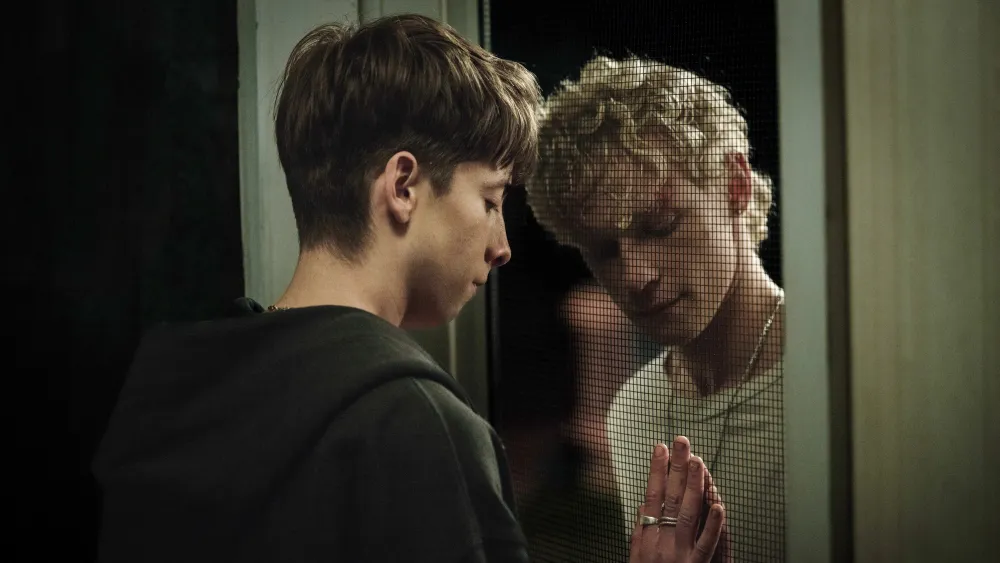
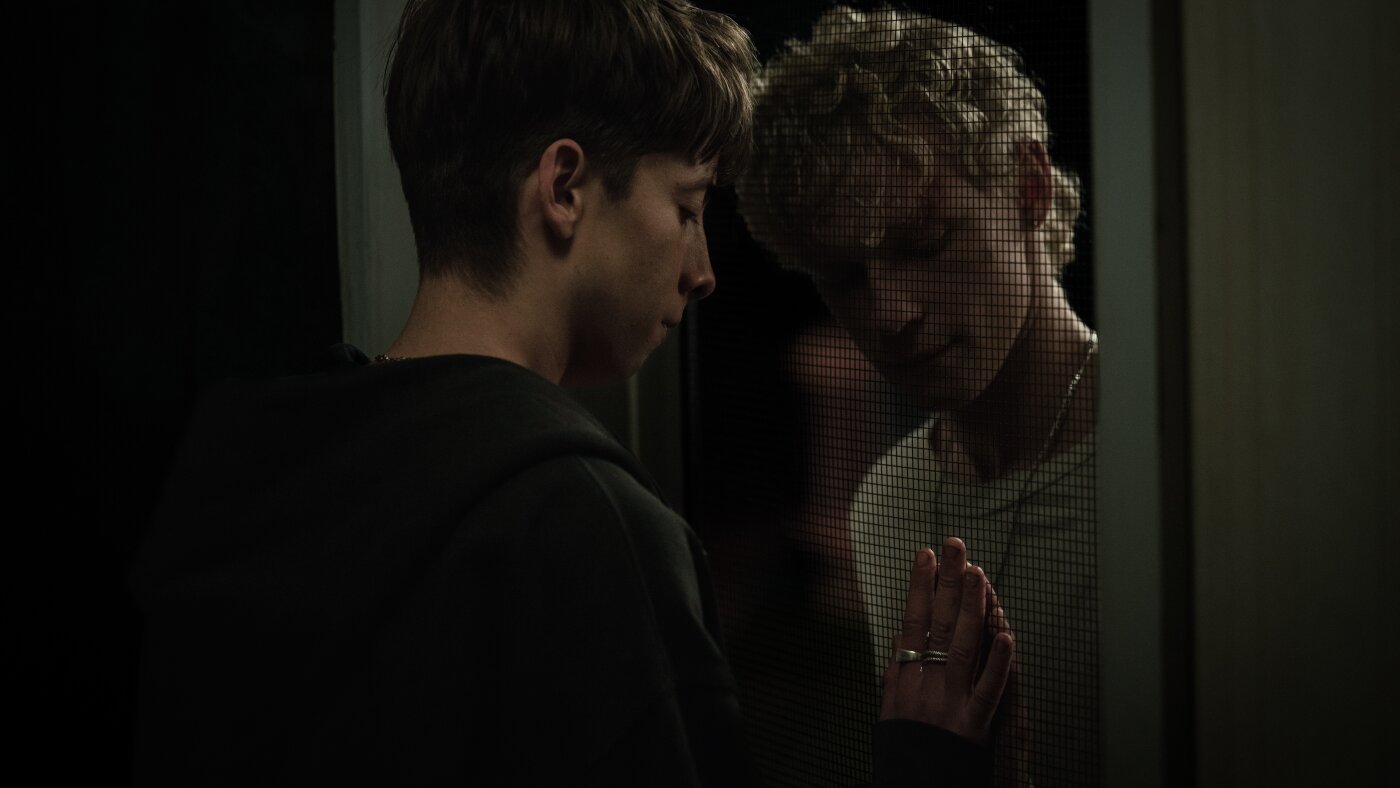
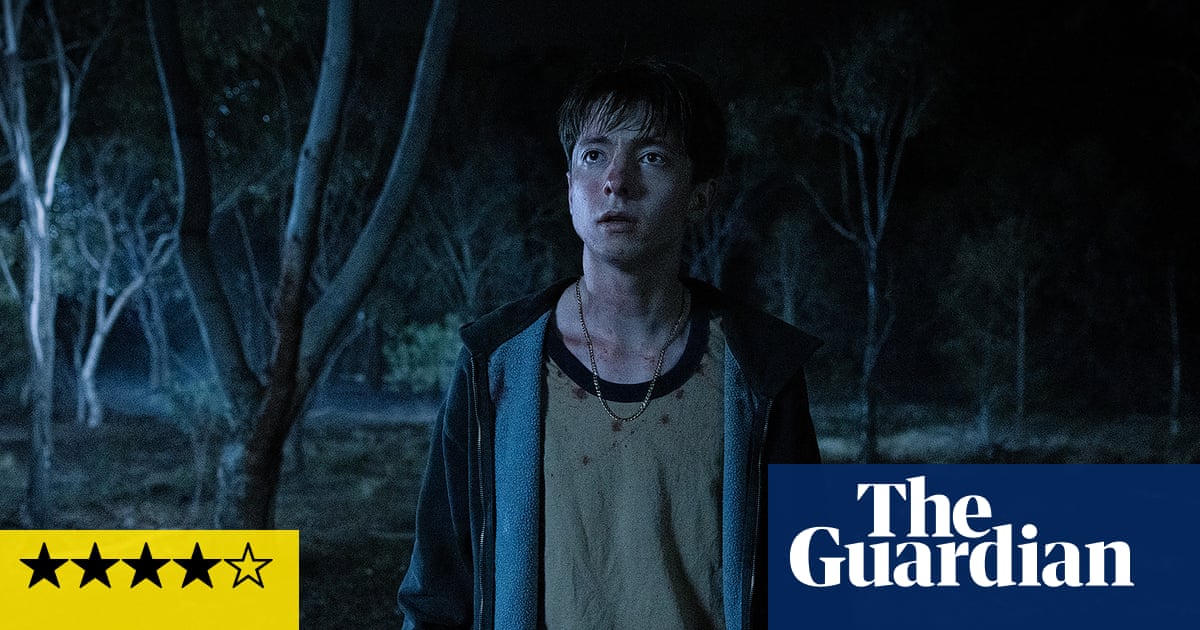
(Video: Courtesy of United King Film)Most of the time, the idea works. Perhaps not quite well enough to justify all of the enthusiasm from American critics, with the film currently holding a score of 83 on Metacritic, but well enough to make Chiarella’s debut an impressive and at times genuinely haunting piece of queer horror.At the center of the story is Naim, played by Joe Bird, who arrives in a remote town with his widowed mother, played by Mia Wasikowska. There he meets Ryan, played by Stacey Clausen, a local boy with an almost angelic appearance, and the two quickly form an intense bond.The conservative, deeply religious town is hardly an ideal environment for their relationship. Things become worse when Naim, jealous of Ryan, outs the town pastor’s son after catching the two kissing.The pastor then brings in a kind of exorcist, a homophobic religious figure who places a curse on the young men. From that point on, the male object of their desire transforms into a monster whenever they give in to temptation. In other words, desire itself becomes a source of deadly violence.The film establishes this idea early through the fate of a lesbian teenager who gives in to attraction and pays a brutal price.Chiarella’s film belongs to what is often described as queer horror, and it finds an inventive way to engage with homophobia and conversion therapy. The monster in Leviticus is closely tied to mechanisms of repression. The supernatural presence is essentially a tool of social control, designed to instill fear and shame in queer young people and force them to suppress who they are.Here, supernatural horror becomes a way of expressing the trauma of repression and persecution. That allows the film to create moments that are frightening and sad at the same time. Its combination of horror with the alienation of adolescence (recalling at times the early films of Gregg Araki and Richard Linklater) gives the story its strongest sense of originality: young people who are isolated not only emotionally but geographically, trapped in a place where their desires have nowhere safe to go.GalleryFrom Leviticus(Photo: Courtesy of United King Films)It is difficult not to compare Leviticus with David Robert Mitchell’s It Follows from 2014. In that film, a monstrous entity pursues its victims after sexual contact. Both movies connect sexuality with monstrosity and intimacy with threat, but Chiarella takes the idea in a different direction.In Leviticus, desire itself is treated as cursed. Its queer protagonists cannot safely act on their attraction because the society around them has transformed that attraction into something monstrous. Where It Follows gives physical form to the anxieties surrounding sexual awakening and intimacy, Leviticus is more interested in the ideology that teaches people to regard certain forms of sexuality as monstrous in the first place.One of the film’s most effective scenes takes place in a public photo booth. The images that emerge show Ryan kissing a figure who is invisible to us. Moments later, that unseen figure attacks him. Naim, who has been following Ryan, is horrified to see Ryan recoil from him in terror.Only later do we learn that the figure visible to Ryan alone was the monstrous entity taking Naim’s form. It creates a striking divide between desire and visibility. The person Ryan longs for is literally absent from the photograph, turning the image into a potent representation of what happens when queer desire is forbidden from appearing openly in a conservative public space.From Leviticus. A film about repression as a means of survival(Photo: Courtesy of United King Films)Leviticus is ultimately a film about repression as a means of survival. Its title refers to the biblical Book of Leviticus, which contains the prohibition against sex between men. But this is also a film about two young lovers, effectively cursed, who confront the trauma of repression both together and separately.It asks what happens when the thing a person desires most is declared forbidden, something that must be denied. There is something overly didactic about the film’s allegorical horror, and that may be what keeps it from becoming truly distinctive. Still, Bird and Clausen are its greatest strength, their anguished performances capturing with painful precision a love that feels both tormented and haunted.Chiarella, the son of an Italian father and Chinese mother, has cited influences ranging from Asian filmmakers such as Wong Kar-wai and Kiyoshi Kurosawa to American horror classics including John Carpenter’s The Thing and the A Nightmare on Elm Street films.Judging by his debut, he is emerging as one of the more promising and intriguing voices in contemporary Australian cinema, an industry that has produced several notable horror filmmakers in recent years, including Jennifer Kent, director of The Babadook, and Danny and Michael Philippou, the brothers behind Bring Her Back.Leviticus is worth seeing, but do not let its horror packaging mislead you. Above all, this is a sensitive and painful love story about two teenagers who want to be together in a world determined not to let them. In that sense, it belongs to a much older Gothic tradition, where love and desire are bound up with prohibition, fear and the monstrous.Not everything here is subtle, and the metaphor sometimes announces itself more loudly than necessary. But it is precisely the collision between romance and horror that makes Leviticus linger: a love story in which the terror grows directly out of the love itself.