Macquarie Group began life in Sydney in 1969 with just three employees. Today, Macquarie is one of Australia’s most powerful financial institutions, operating across 30 markets globally, and boasting more than A$700 billion in assets under management and A$4.8 billion in annual profit.
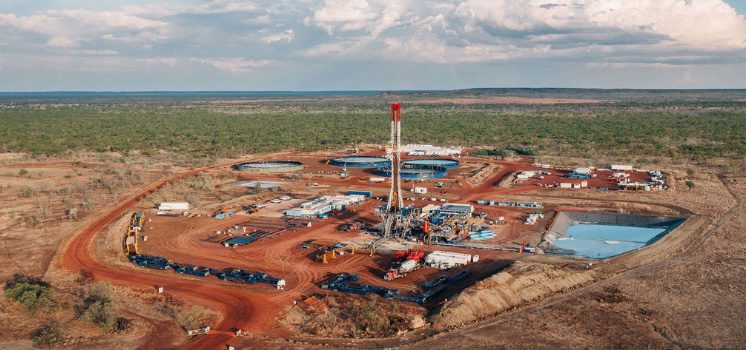
Expanding beyond traditional banking into almost every corner of global finance, Macquarie’s rise has been driven by a particularly cutthroat form of capitalism with an appetite for high risk in pursuit of higher returns.
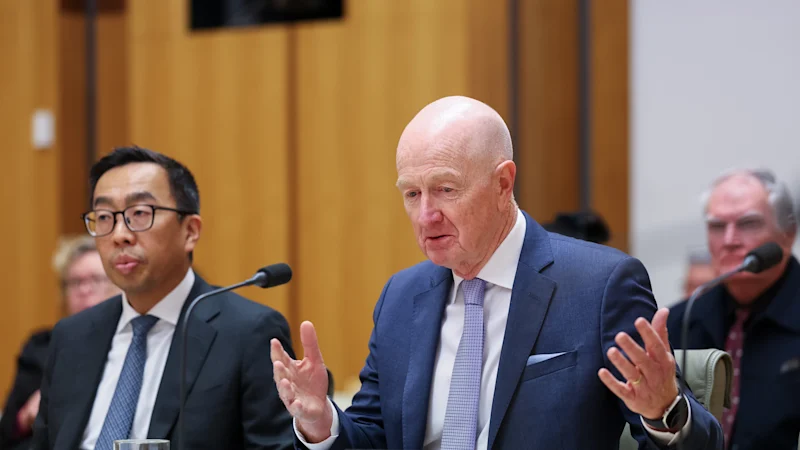
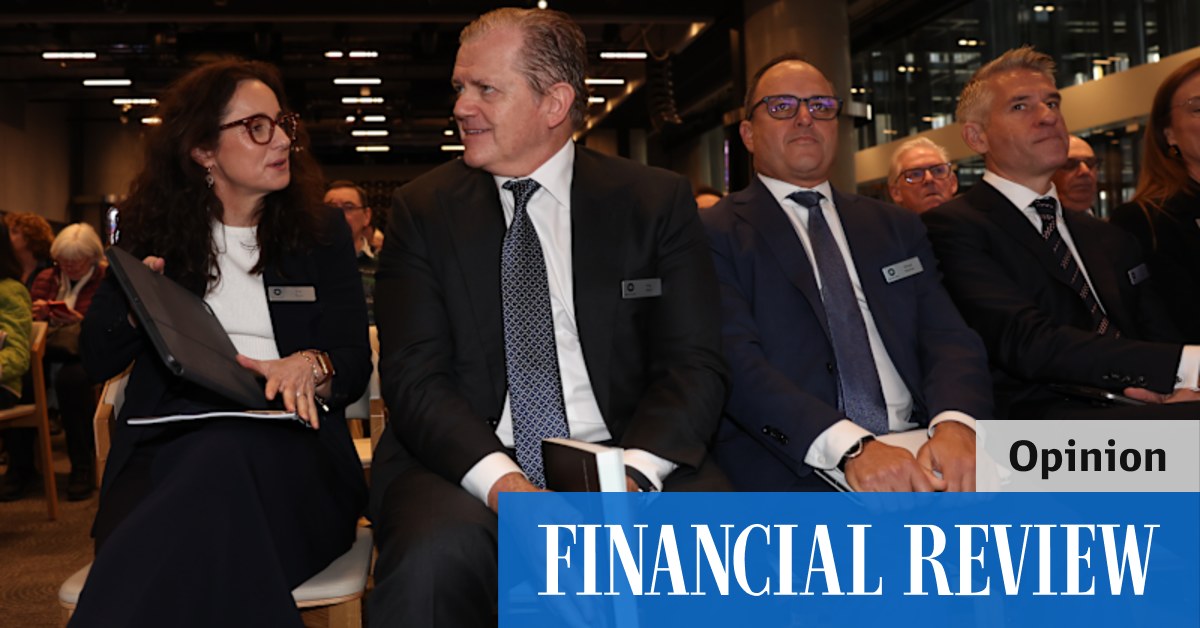
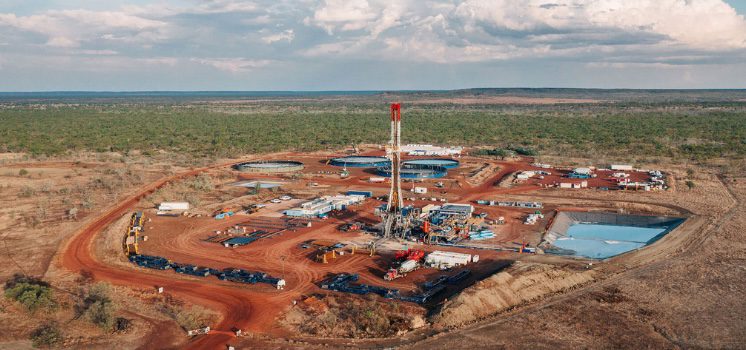
But its approach to climate change is pushing that high risk-reward identity to a disturbing extreme – treating the prospect of catastrophic levels of global warming as a business opportunity for fossil fuel expansion.At its annual general meeting (AGM) last month, Macquarie Chair Glenn Stevens even remarked that the impacts of a 3°C hotter world, while uncertain, could even prove favourable to Macquarie.
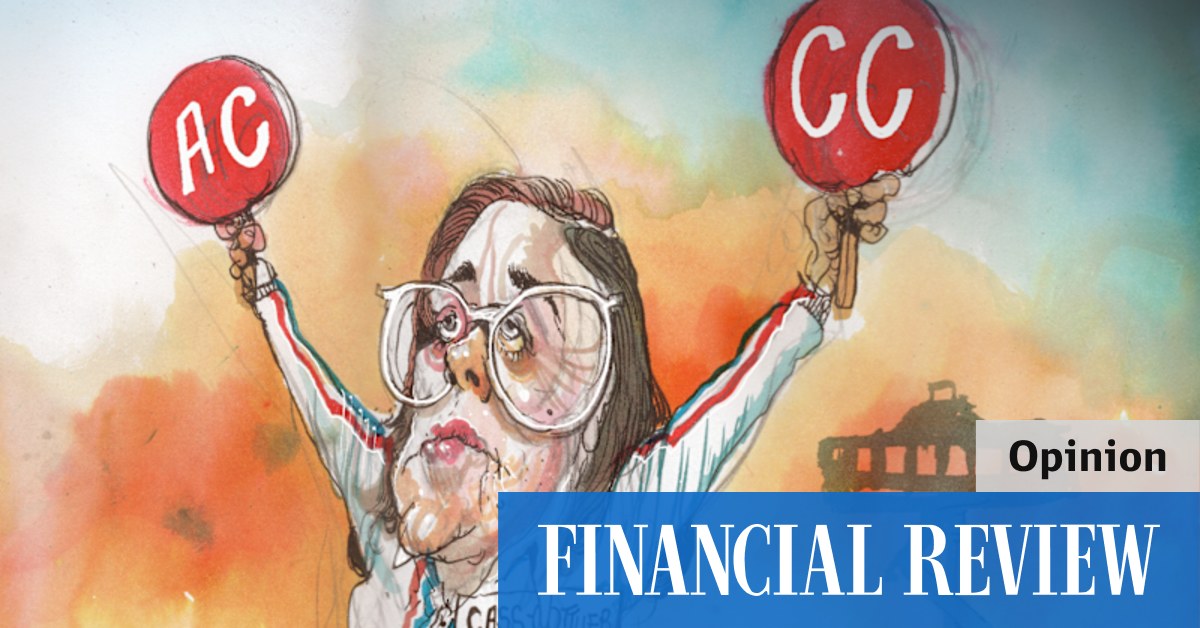
Climate experts and emergency leaders including former NSW fire chief Greg Mullins are warning about what a possible “super El Niño” event would mean for the Australian summer ahead. Yet Macquarie’s cavalier approach to fossil fuel expansion should be setting off more alarm bells.
Ahead of the AGM, Macquarie weakened its climate position, replacing its previous commitment to align all financing with net-zero by 2050 with a more generic “ambition to support the goals of the Paris Agreement”.