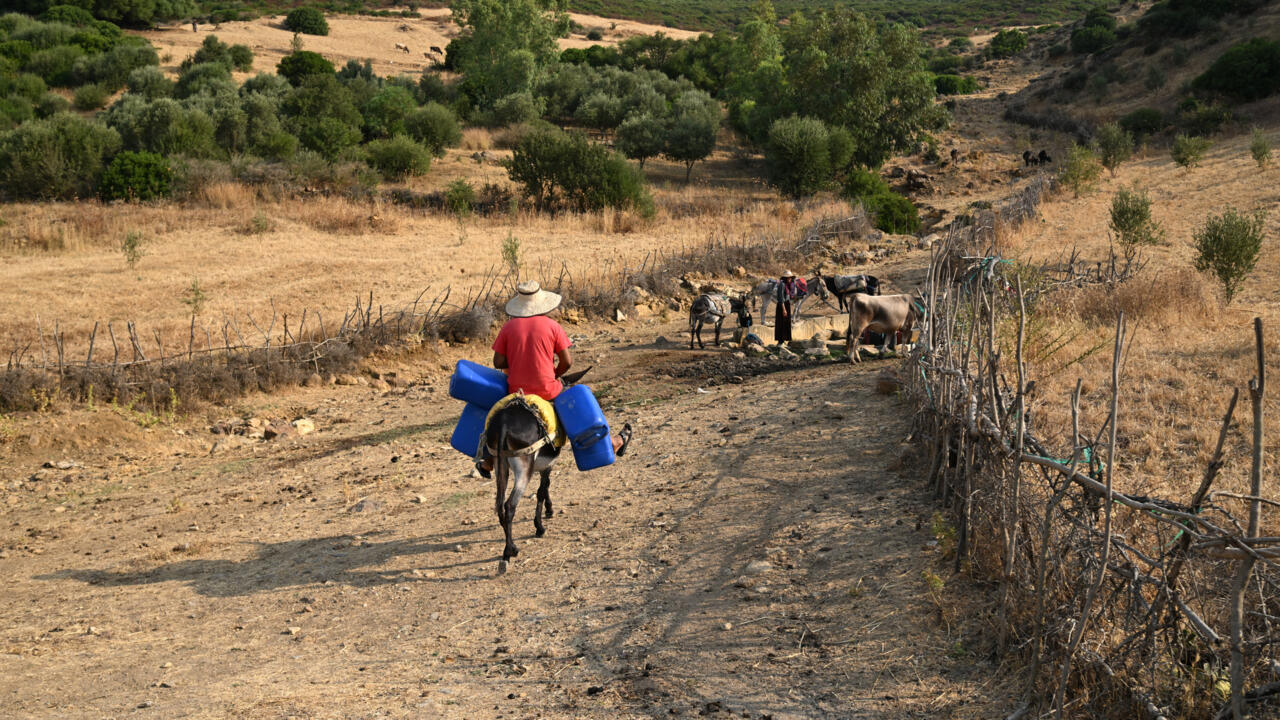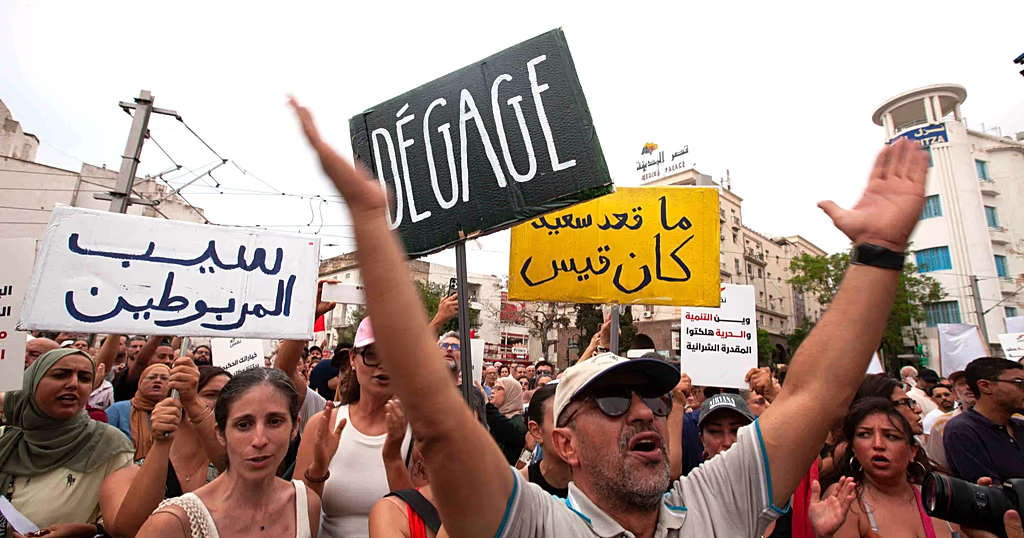
Tunisia is facing another spell of extreme heat, with temperatures reaching 49.8 degrees Celsius (121.6 Fahrenheit) in the central city of Kairouan on August 27.The heat has coincided with electricity cuts and water shortages in parts of the country, while doctors have warned of mounting pressure on emergency departments.The electricity and water disruptions are linked in some areas, but they have different underlying causes.How hot has it become?Kairouan reached 49.8°C on August 27, according to the Tunisian Observatory for Weather and Climate. The observatory said Kairouan was the second-hottest location among those monitored worldwide that day, behind Mehran in Iran, which reached 50°C. Six Tunisian cities were among the world’s 20 hottest monitoring stations.The reading was also close to Tunisia’s national temperature record of 50.3°C, recorded on August 11, 2021.The extreme temperatures have pushed up electricity demand as households and businesses use more air conditioning. Water demand also rises during periods of extreme heat, adding pressure to a system already facing longer-term shortages.Why is Tunisia cutting electricity?The Tunisian Company of Electricity and Gas (STEG) has introduced rotating power cuts in several regions.The immediate pressure on the electricity system has come from exceptionally high demand during periods of extreme heat, particularly because of heavy use of air conditioning.STEG officials said electricity demand may have reached a record 6,000 megawatts in July, after reaching 5,600MW only days earlier.STEG has said the rotating cuts are intended to protect the safety and continuity of the electricity system.Where are the cuts happening?The outages have affected areas across Tunisia rather than a single region.STEG has introduced temporary cuts in several parts of the country as it manages pressure on the network. The timing and duration have varied, with some residents reporting interruptions lasting several hours.Why are water supplies being affected?Parts of Tunisia’s water-distribution system depend on electrically powered pumping stations. When electricity is interrupted, those stations can stop operating, disrupting the movement and distribution of water.A sign displaying an ambient temperature of 49°C is pictured along a street in Tunis on August 24, 2026, as Tunisia faced a heatwave with temperatures exceeding 48°C amid daily water and electricity cuts [Fethi Belaid/AFP]There is a clear recent example. On August 24, an electricity interruption stopped the main Kerker pumping station, disrupting drinking-water supplies in several areas of the Mahdia and Sfax governorates, according to Tunisia’s National Company for Water Exploitation and Distribution (SONEDE).The incident shows how a disruption to electricity at a pumping station can quickly affect water supplies.But that does not mean every water shortage is caused by a power cut.Was Tunisia already facing water shortages?Yes. Tunisia has been dealing with structural water scarcity and recurring drought for years. The World Bank describes the country as facing growing water scarcity and climate pressures and is supporting projects to improve the reliability and resilience of drinking-water services.The current electricity cuts are therefore adding pressure to an existing water problem rather than creating Tunisia’s water crisis from scratch.Water interruptions can have several causes, including shortages, infrastructure problems, maintenance and disruptions to pumping and distribution.What is happening to bottled-water supplies?The heat and electricity disruptions have also affected bottled-water supplies.The Associated Press reported that power rationing disrupted factory operations as demand for bottled water increased during the heatwave. Production was also affected by shortages of raw plastic materials.The shortage therefore cannot be attributed to electricity cuts alone.What does a power cut mean for households?During a heatwave, losing electricity means more than losing lights.Air conditioners and fans stop working. Refrigerators and freezers stop cooling. If an outage lasts for several hours, households may struggle to keep perishable food safely refrigerated.For businesses, prolonged outages can mean lost refrigerated stock and disrupted operations.And when a power interruption affects water-pumping infrastructure, households can face two basic-service disruptions at once: less electricity and less reliable access to water.What is happening in hospitals?The heat is also putting pressure on emergency departments.On August 29, the Tunisian Organization of Young Doctors said emergency departments were experiencing an “unprecedented” increase in deaths and hospital admissions associated with heatstroke and extreme temperatures.The organisation called for the government to declare a health emergency and said doctors and nurses were under severe pressure.Wajih Dhakkar, head of the organisation, said 13 people had died within 24 hours at Habib Bourguiba Hospital in Sfax.That figure comes from the doctors’ organisation and is not an official nationwide death toll.The Health Ministry said on August 29 that 633 cases requiring medical consultation and healthcare management related to the effects of the heatwave had been recorded between July 1 and August 29. It also said health services had continued without interruption and that medical and technical resources had been mobilised.The ministry did not provide a nationwide death toll.What about patients who depend on electricity?Power cuts can create particular difficulties for people who rely on electricity-dependent medical equipment at home.Oxygen concentrators, for example, require electricity to operate.There have been reports in Tunisia of difficulties for patients whose home medical equipment was affected by electricity interruptions. But individual deaths attributed directly to a power cut require confirmation from medical professionals or authorities.There is also not enough reliable evidence to say that surgeries across Tunisia are being cancelled because of the electricity cuts.Is the heat the only reason for the electricity and water problems?No. The heat has sharply increased electricity demand, particularly because of air-conditioning use. That has put additional pressure on the electricity network.But Tunisia’s water problems predate the current heatwave. The country faces structural water scarcity, drought and infrastructure challenges.Water interruptions can therefore have several causes, including shortages, infrastructure problems, maintenance and disruptions to pumping and distribution.What does President Kais Saied say?President Kais Saied has offered another explanation for some of the recent disruptions.On August 27, Saied said investigations had shown that water and electricity disruptions were not the result of routine technical failures but rather what he described as deliberate acts of sabotage intended to stir tensions and spread rumours. He did not identify those he said were responsible.That remains the president’s claim and should not be presented as an established explanation for the outages as a whole.There are documented technical explanations for at least some disruptions. STEG has said its temporary electricity cuts are intended to protect the stability and continuity of the power system, while SONEDE has documented a case in which an electricity interruption stopped a water-pumping station.Why has the crisis become political?Repeated interruptions to electricity and water have added to public frustration and have become a focus of protests against the government.A woman carries a child as they cool off by water jets from a fountain at the entrance to the Medina in Tunis on August 24, 2026, amid a heatwave with temperatures exceeding 48°C and daily water and electricity cuts [Fethi Belaid/AFP]A protest in Tunis organised by the Nafas movement on August 20 included demands for better access to water and electricity, alongside concerns over living costs and political freedoms.For households, the immediate impact is practical: a power cut during extreme heat means no air conditioning and less reliable refrigeration. If the interruption affects a pumping station, it can also mean less water.For some patients, it can create difficulties if they depend on electricity-powered equipment.What happens if the heat continues?As long as temperatures remain high, electricity demand is likely to remain elevated, particularly while households and businesses rely heavily on air conditioning.That keeps pressure on the electricity network. Further power cuts could affect water pumping, refrigeration and electricity-dependent medical equipment.The current crisis shows how closely Tunisia’s electricity and water systems can be linked — but also why they should not be treated as the same problem.Extreme heat is putting immediate pressure on the electricity network. Power cuts can then disrupt parts of the water system. But Tunisia’s underlying water crisis is older and broader, rooted in long-term water scarcity and infrastructure challenges.
Tunisia swelters as power cuts disrupt water supplies
Near 50C temperatures are driving record electricity demand, disrupting water supplies and straining health services.
1,299 words~6 min read