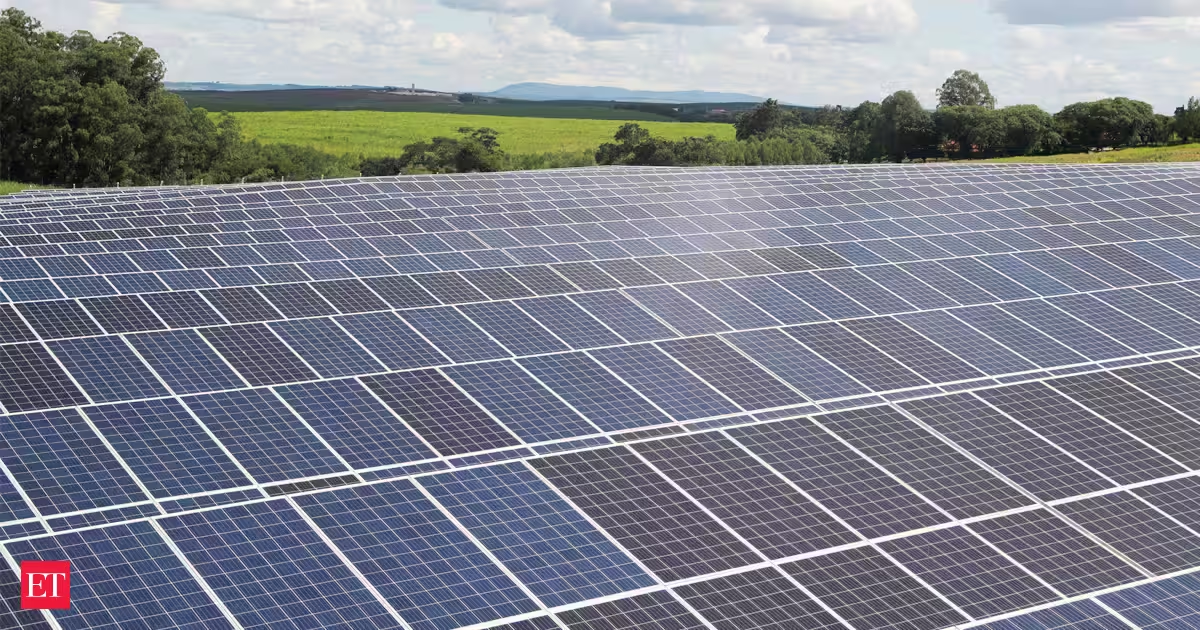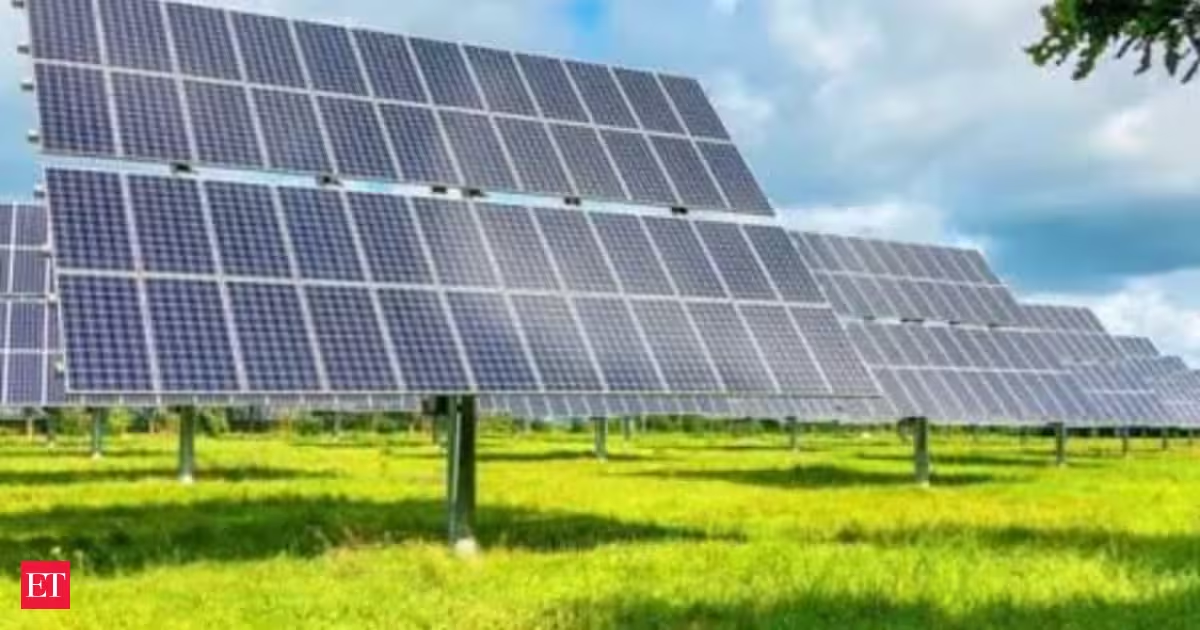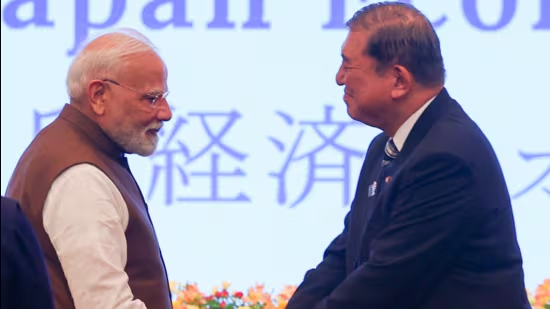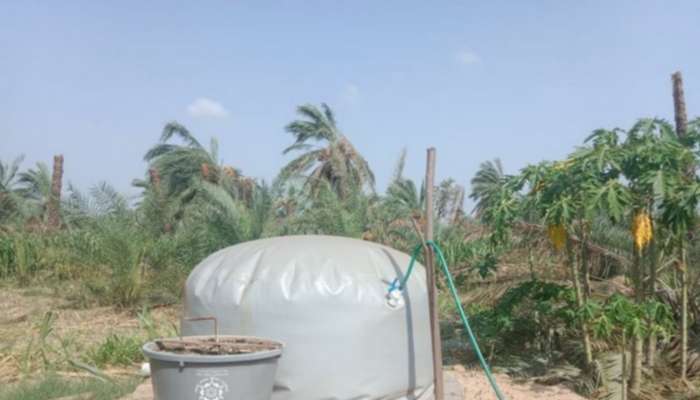
Developers of renewable energy projects with battery storage, compressed biogas plants and carbon capture projects in India may have a new revenue opportunity: selling carbon credits to Japanese buyers.This potentially lucrative market is opening up under Article 6.2 of the Paris Agreement, which provides a framework for countries to cooperate and transfer emission reductions internationally.India has concluded bilateral arrangements with Japan and South Korea, while talks are on with Singapore, Switzerland and Sweden, according to Yashodhan Ramteke, CEO of EcoGuard Global, a Switzerland-headquartered climate-tech company building digitally traceable infrastructure for carbon markets.For Indian companies, Ramteke believes Japan could offer an especially attractive opportunity.What is Article 6.2?Put simply, Article 6.2 enables two countries to cooperate in reducing greenhouse-gas emissions.Suppose an Indian project — say, a compressed biogas plant or an eligible renewable energy project with storage — results in verifiable emission reductions. Under an agreed framework between India and another country, those emission reductions can be transferred internationally, subject to the methodologies, approvals and accounting rules applicable to the arrangement.The buyer country can then use the credits or mitigation outcomes towards its climate objectives, while the accounting framework is intended to ensure that the same emission reduction is not counted twice.Ramteke told businessline recently that the India-Japan arrangement opens the possibility of Indian projects generating credits for Japanese buyers.“We are working with some of the biggest Japanese buyers,” he said, adding that the areas of immediate interest include carbon capture, utilisation, and storage (CCUS); battery energy storage systems (BESS); and compressed biogas (CBG).In the Japanese market, he estimated a floor price of around $11 a credit and a ceiling of $27, with most transactions likely somewhere in the middle of that range.Japan operates its own Joint Crediting Mechanism (JCM) — with methodologies, procedures and registry arrangements for tracking projects and credits — rather than functioning as a project under a voluntary carbon credit programme such as Verra or Gold Standard.It has set an ambitious target for the mechanism. Ramteke said the country aims to secure cumulative emission reductions and removal of around 100 million tonnes of carbon dioxide by 2030.Fourteen opportunitiesIndia has identified 14 activities that can potentially generate internationally transferable credits under Article 6.2.These include renewable energy with storage (the stored component only), solar thermal power, offshore wind, green hydrogen, CBG, emerging mobility solutions such as fuel cells, high-end energy-efficiency technologies, sustainable aviation fuel, and best available technologies for process improvement in hard-to-abate sectors.The list also includes tidal and other ocean energy technologies, high-voltage direct current (HVDC) transmission associated with renewable energy projects, clean cooking based on renewable energy at scale, green ammonia, and CCUS.The list creates an avenue for projects outside India’s domestic compliance carbon market.India has separately prescribed greenhouse gas emission reduction targets for obligated industrial entities. According to Ramteke, around 490 units across seven sectors are currently covered, with iron and steel expected to be added. Companies that overachieve the targets can earn carbon credits, while those that fall short can buy credits to meet their obligations.Article 6.2 opens a different possibility: eligible projects can potentially access overseas buyers.Yet, Ramteke said, awareness of the opportunity remains surprisingly limited. He recalled a meeting organised by the International Emissions Trading Association on June 18, attended by representatives of large Indian companies, including Reliance, Jindal, Adani and Indian Oil.“Believe me, they were not even aware of how Article 6.2 will work,” he said.Japan may not be the only attractive destination. Singapore is also in discussions with India, Ramteke said. Unlike Japan, Singapore does not operate a conventional carbon credit trading market; it imposes a carbon tax. Companies liable for the tax can partially offset it using eligible international carbon credits.Singapore’s carbon tax, Ramteke noted, has risen from S$25 to S$45 a tonne (EcoGuard works with other countries like Sri Lanka to sell carbon credits in Singapore). This could translate into attractive prices for eligible international credits, though the final price would depend on negotiations and the discount buyers seek, he said.There could also be a significant opening in CBG. During the recent visit of Japanese Prime Minister Sanae Takaichi to India, there was mention of support for the development of 1,000 CBG plants. Ramteke believes the Article 6.2/ JCM mechanism could provide a possible route for supporting such projects.For Indian project developers, therefore, the opportunity is worth watching closely. A carbon credit generated by an eligible project may soon have a market beyond India’s borders — and Japan, with a stated appetite for large volumes of internationally generated emission reductions, could become one of the most promising buyers.Published on August 31, 2026
Japan opens carbon credit opportunity for Indian green projects
Japan's carbon credit market opens lucrative opportunities for Indian green projects under the Paris Agreement's Article 6.2.
762 words~3 min read