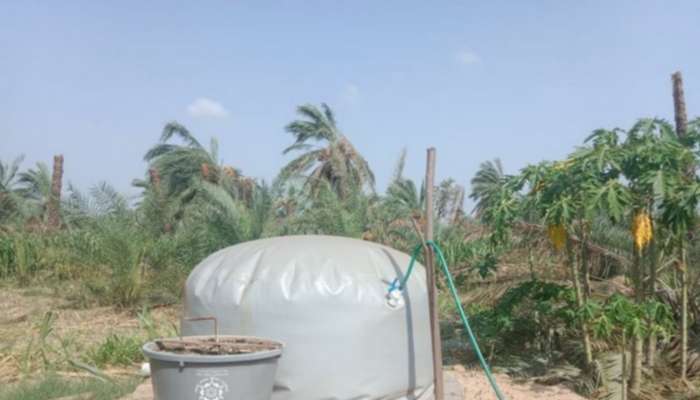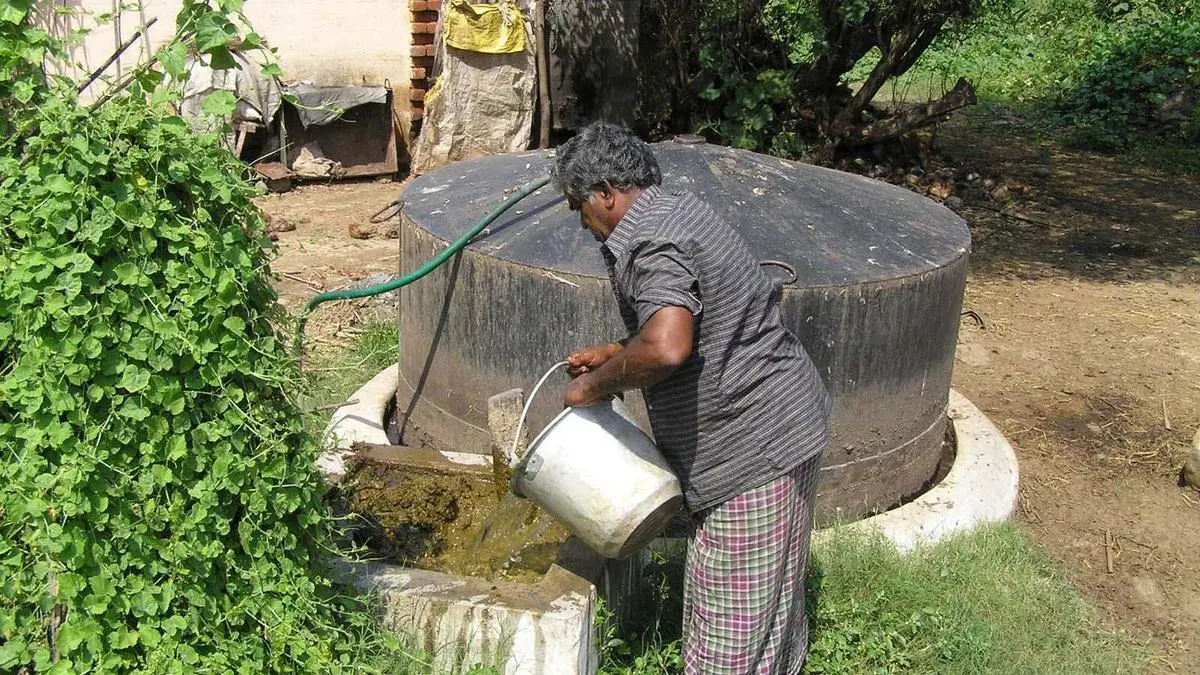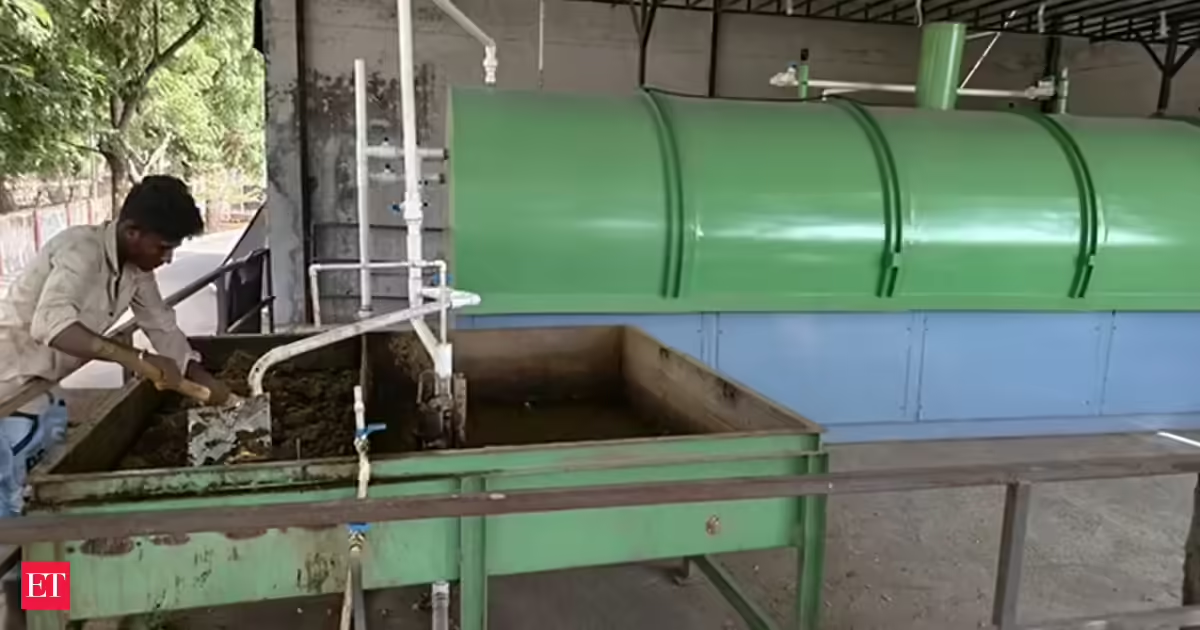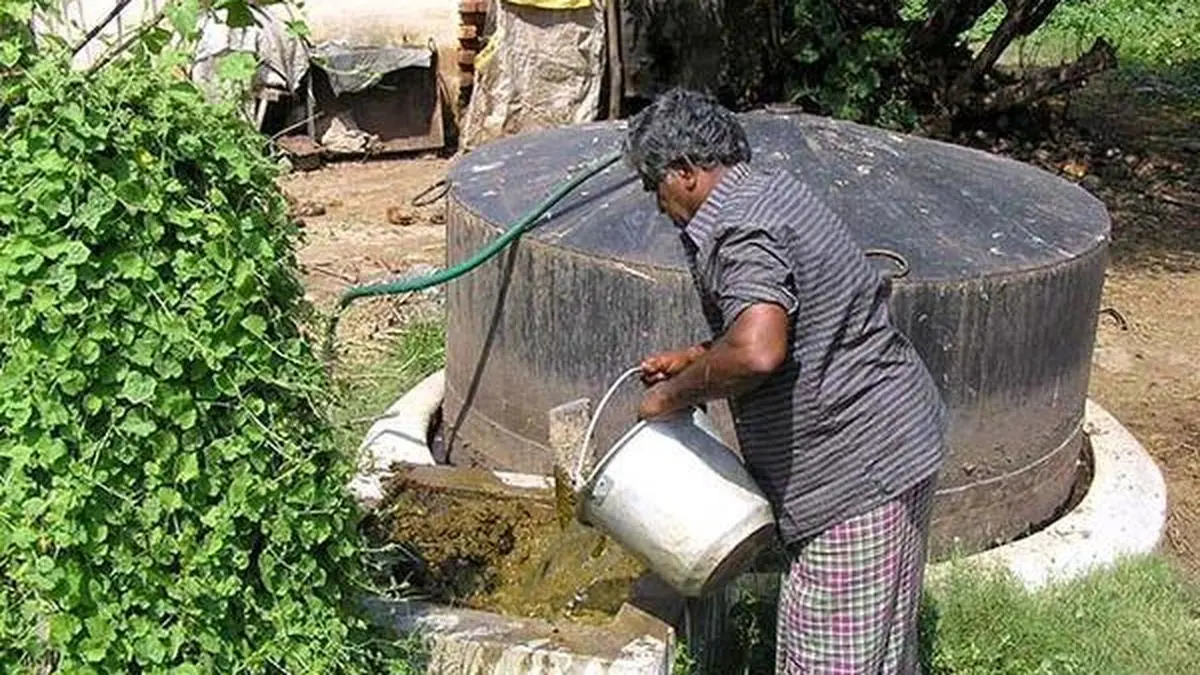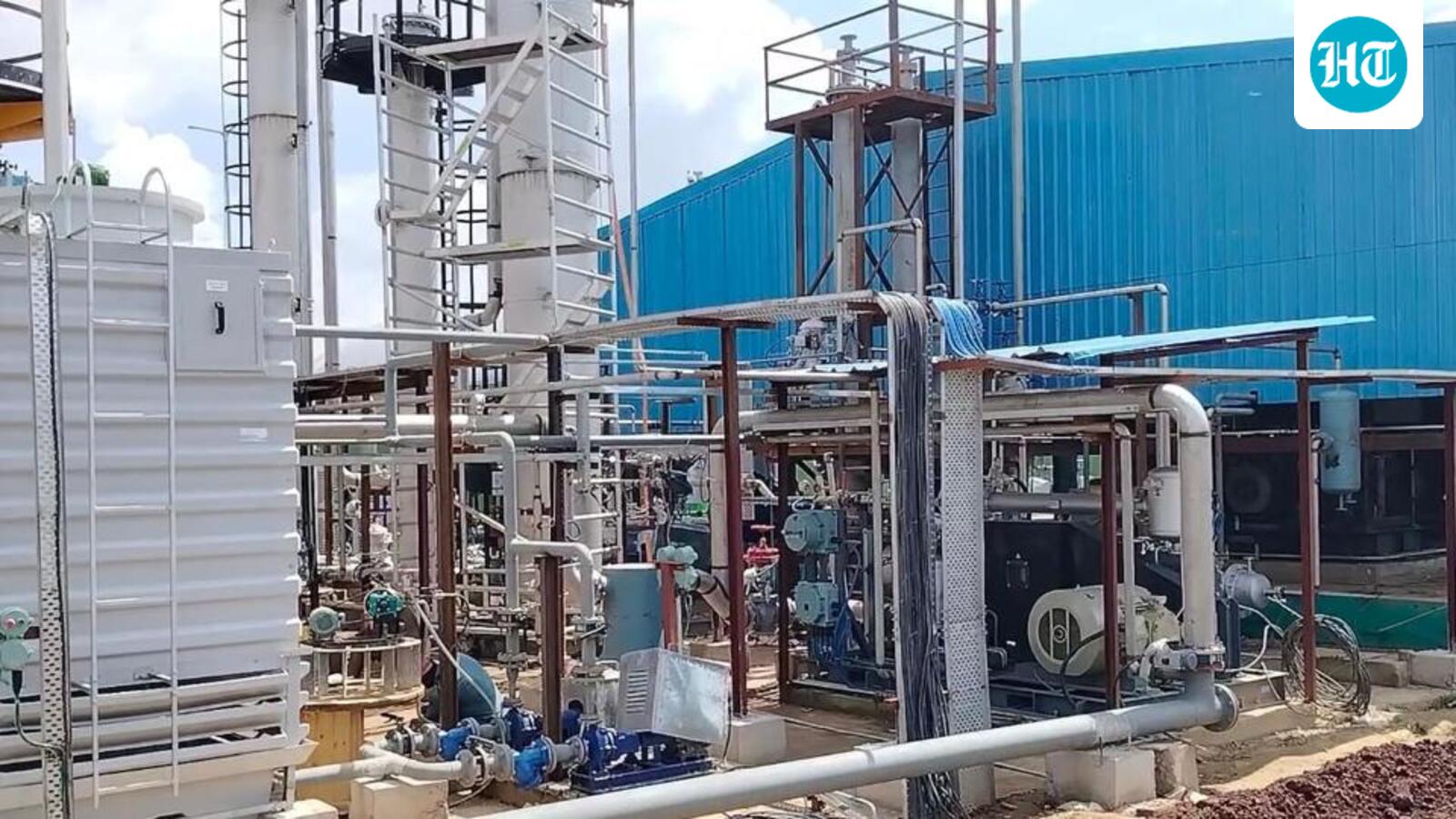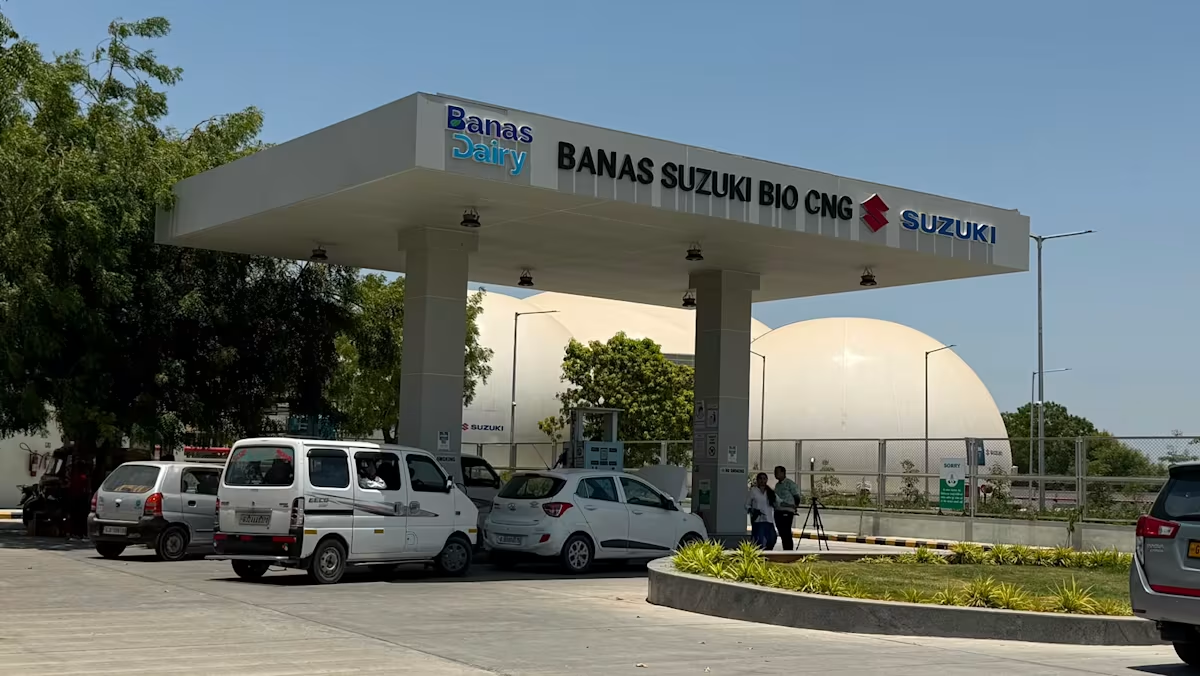
SINGAPORE: Can cow dung and farm waste fuel Japan's next phase of growth in India's car market? Tokyo is betting on it.It is partnering with New Delhi to produce biogas for vehicles, hoping the renewable fuel can gain further traction in one of the world's fastest-growing automotive markets. On Jul 1, both countries launched an initiative to develop 1,000 biogas plants across India by 2030 - more than seven times the number estimated to be in operation - aiming to power 2.5 million vehicles. Weeks later, Maruti Suzuki approved four biogas projects worth 5.61 billion rupees (US$58.8 million) in the first phase of a broader expansion. Maruti Suzuki is the Indian subsidiary of Japanese automaker Suzuki Motor and India’s largest carmaker.India’s vast agricultural sector, growing fleet of compressed natural gas (CNG) vehicles that can run on biogas and relatively slow pace of electric vehicle adoption position it favourably, say analysts.But they warn that translating ambitions into reality will require overcoming fragmented supply chains and distribution challenges in a vast country of 1.4 billion people.FROM COW DUNG TO CAR FUELAt its core, the technology is relatively straightforward.Agricultural waste, food scraps and cattle dung are converted into biogas, which is purified and compressed for use in compatible CNG vehicles. The process also produces fermented organic manure that can be used as fertiliser.
Can cow dung and farm waste fuel Japan’s next phase of growth in India’s car market?
Tokyo and New Delhi launched an initiative on Jul 1 to build 1,000 biogas plants across India by 2030, aimed at powering 2.5 million vehicles. Analysts expect an uneven road ahead as favourable conditions collide with formidable obstacles.
2,200 words~10 min read