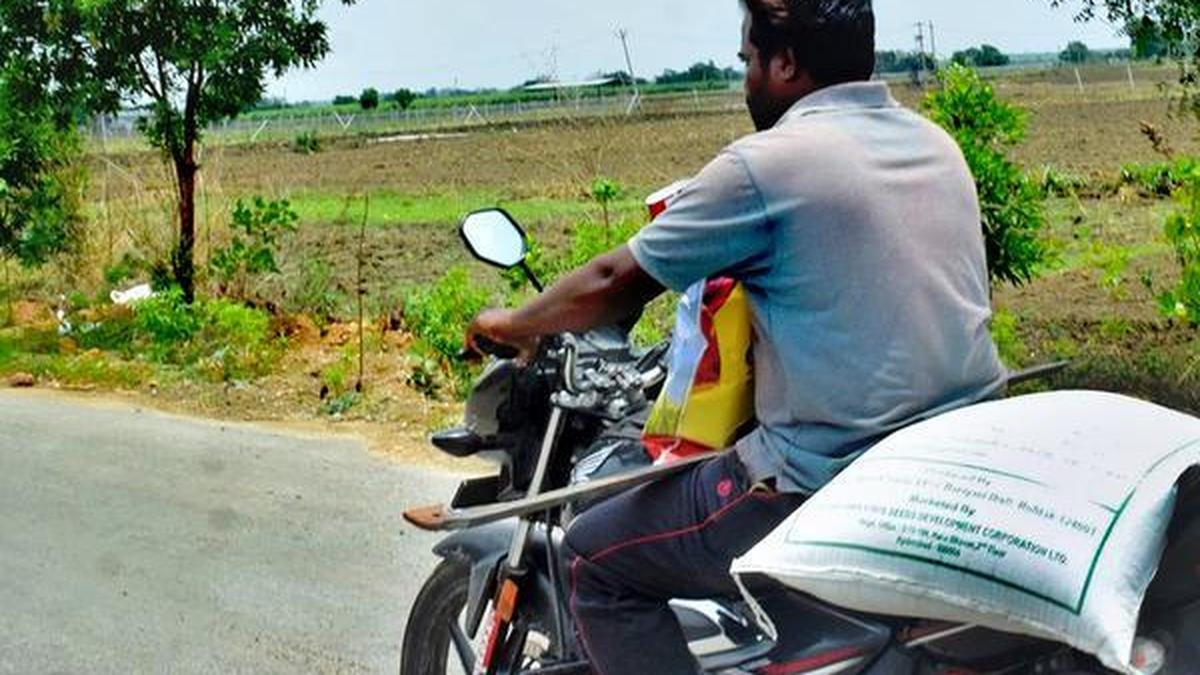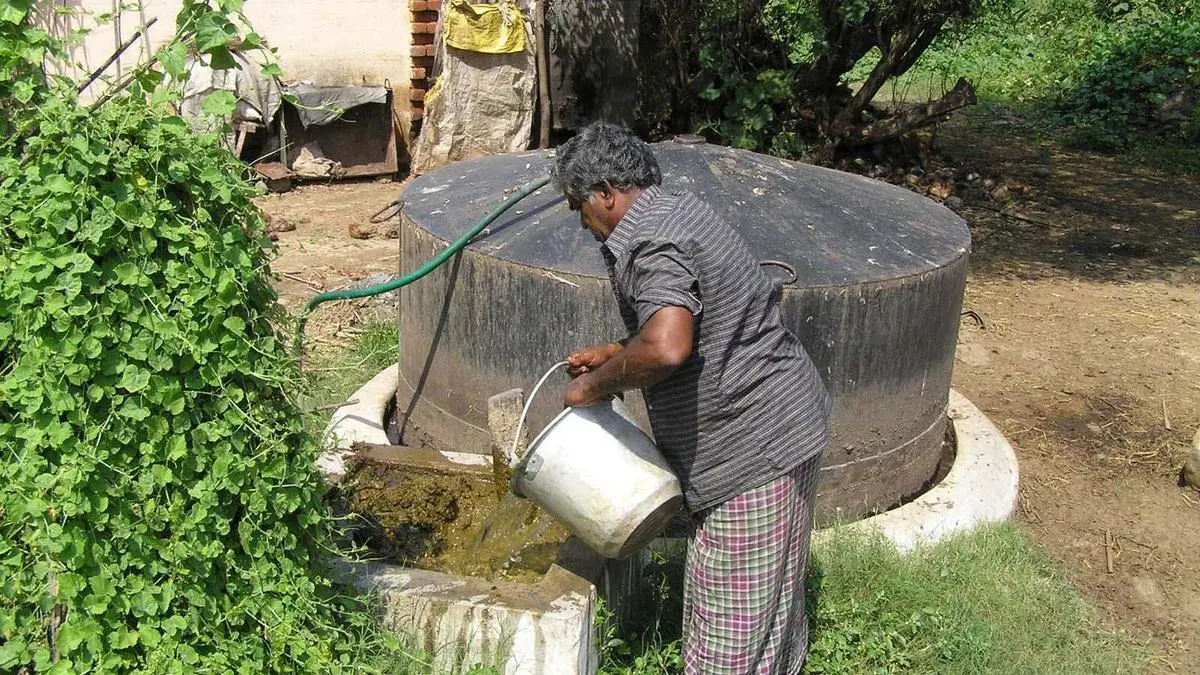
With a bovine population of more than 300 million, the country produces approximately 1.27 billion tonnes of dung annually
| Photo Credit:
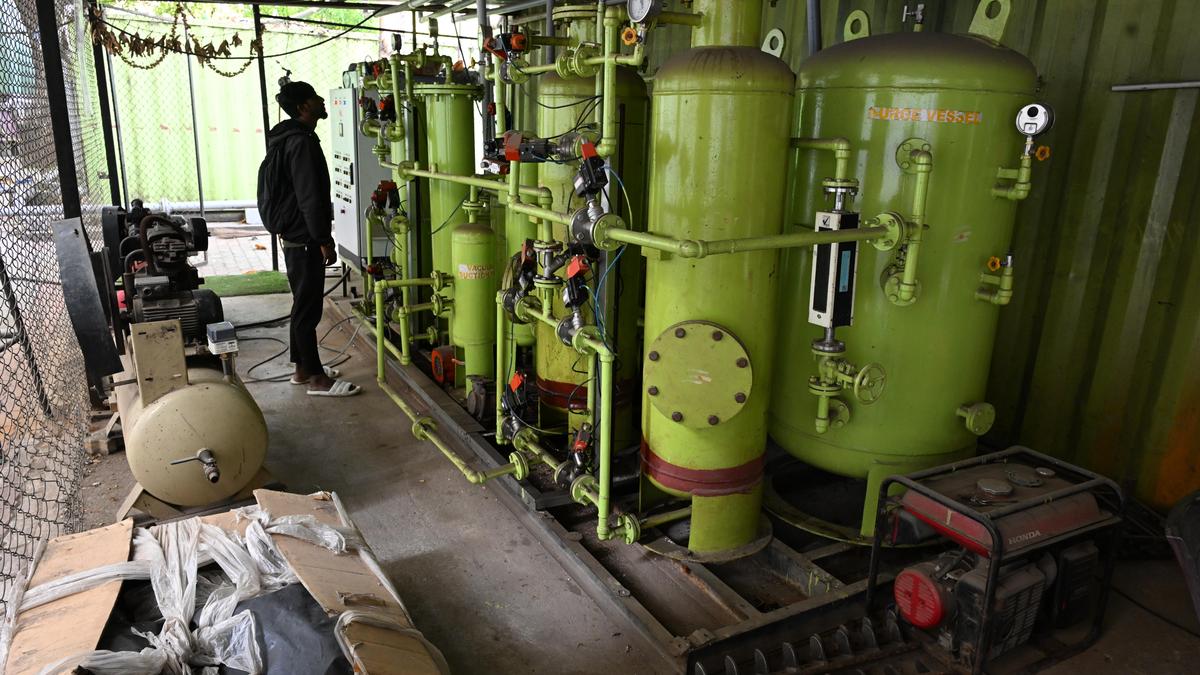
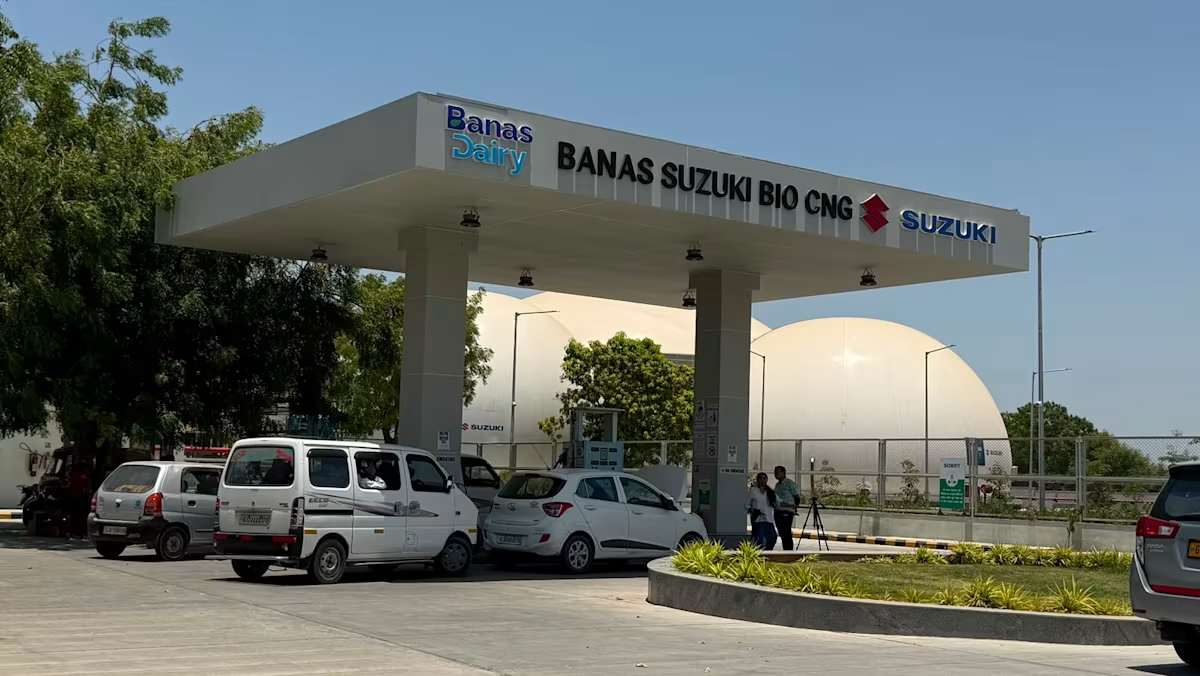
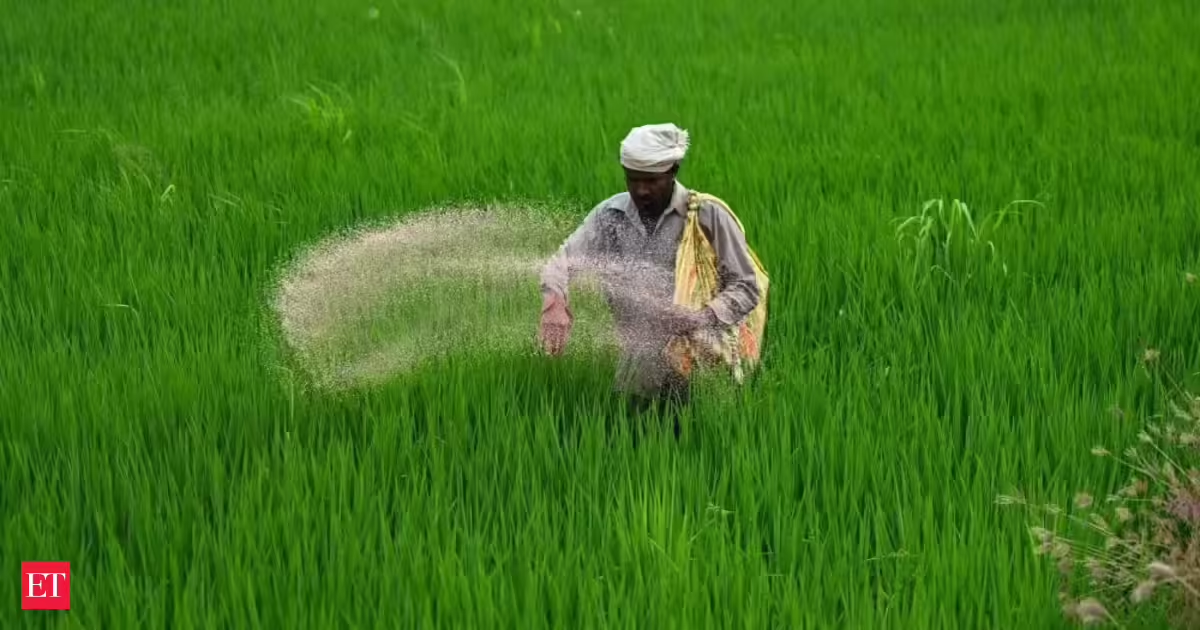
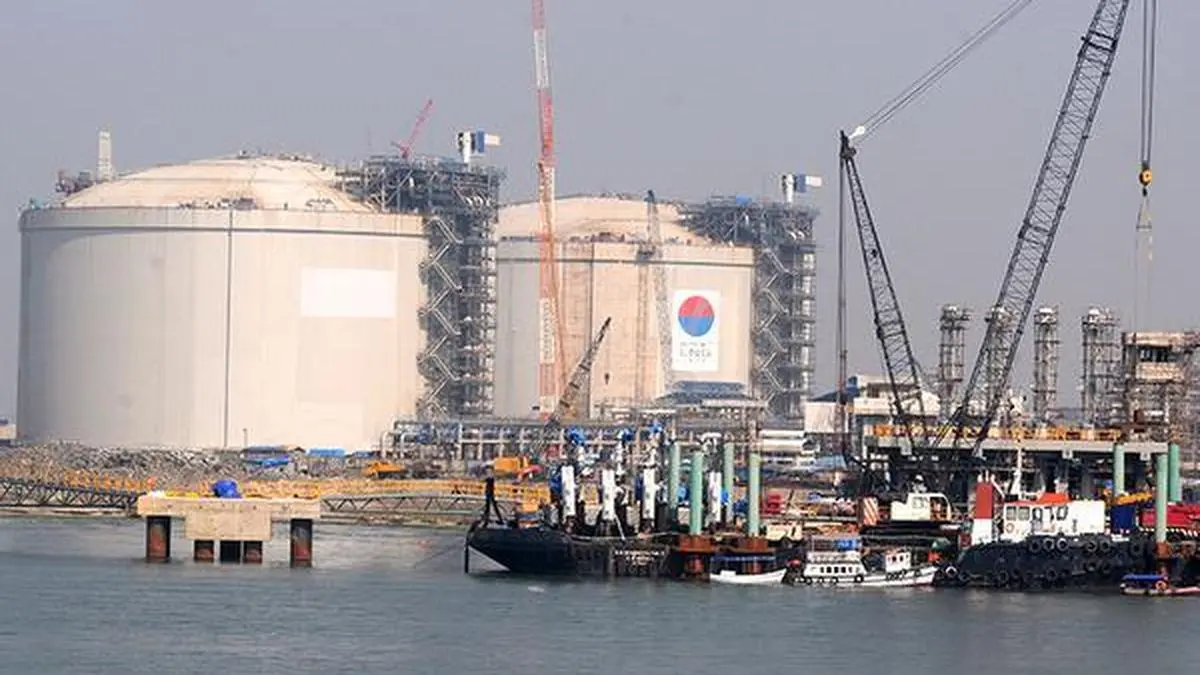
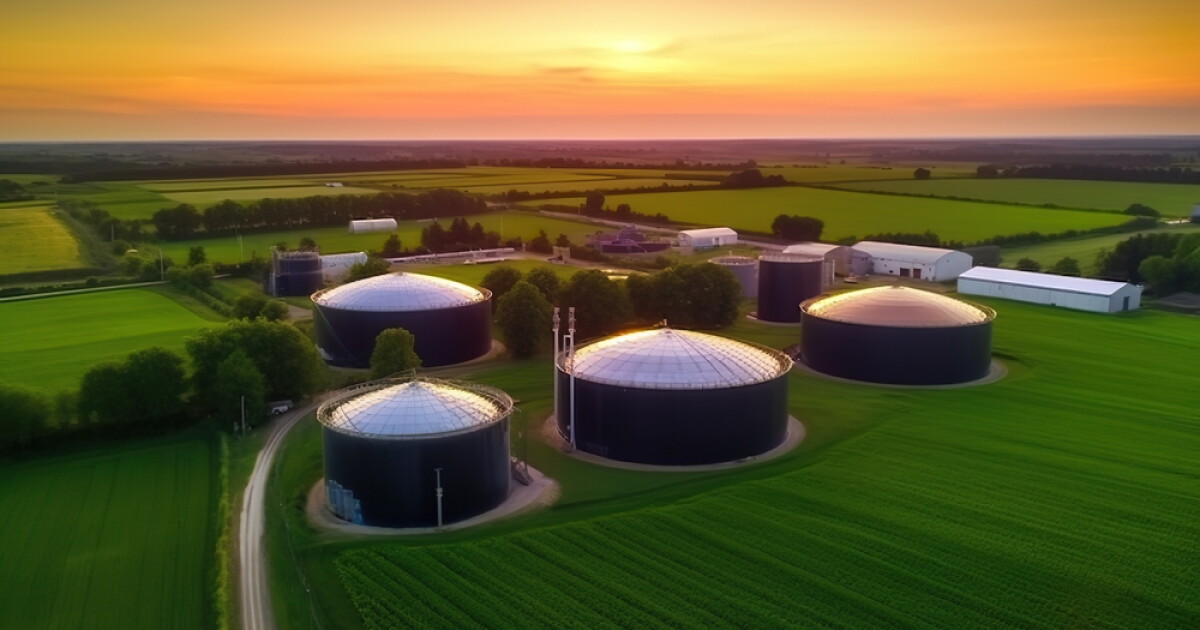
The ongoing geopolitical conflict in West Asia has exposed India’s vulnerability to disruptions in global energy and fertilizer supply chains. India imports over half of its liquefied natural gas (LNG) requirements, with approximately 60 per cent originating from the Gulf region. India also sources a significant share of its fertilizer requirements, particularly nitrogenous and phosphatic fertilizers, from this region. Natural gas is also a feedstock for urea production, and India’s reliance on imports of both casts a shadow of dual vulnerability.Yet, it is paradoxical that one of India’s most abundant energy resources is not found underground but above it, on its farmlands. With a bovine population of more than 300 million, the country produces approximately 1.27 billion tonnes of dung annually. For centuries, dung has been used as a household cooking fuel and organic manure. However, with the expansion of LPG and chemical fertilizers, dung has gradually lost economic importance.Nonetheless, with scientific management, dung is a tremendous source of renewable energy and organic fertilizer. Recent estimates from the New Delhi-based ICAR-National Institute of Agricultural Economics and Policy Research indicate that this dung can generate nearly 47 billion cubic meters of biogas or 22 million tonnes (mt) of bio-compressed natural gas (bio-CNG) annually, while simultaneously producing over 9 (mt) of organic fertilizers. This can virtually replace both LNG and fertilizer imports. In practice, collecting and processing the entire volume of dung produced is unfeasible. However, if even half of it is used for the production of bio-gas, it could significantly improve the country’s energy and fertilizer security, reduce vehicular pollution, and improve soil health. This also creates new income opportunities for livestock-owning households.Bio-gas partnershipIndia has long recognised the potential of biogas as a source of clean energy. Since the 1980s, the government has encouraged the establishment of household biogas plants. However, their adoption and long-term sustainability have not met expectations because of maintenance challenges and limited technical support.To unlock the potential of dung for clean energy and organic fertilizers, the Ministry of Cooperation and Japan’s Ministry of Economy, Trade and Industry (METI) launched the India-Japan Cooperative Biogas for Growth (CBG) initiative at the India-Japan Summit on July 2. The initiative aims to establish 1,000 cooperative biogas and organic fertilizer plants across India by leveraging the extensive dairy cooperative network. Japan has extensive experience with biogas plants and waste management.India’s dairy sector is dominated by smallholders, with most households owning two to three animals. Individually, these farmers produce little dung, making its collection and transport uneconomical. However, India has one of the world’s largest dairy cooperative networks, with over 2.3 lakh village dairy cooperative societies serving nearly 20 million producers. This network can support dung aggregation, ensuring feedstock supply, reducing transaction costs, and sharing the benefits of biogas and organic fertilizer production among participating farmers.Successful models already exist. A notable example is Maruti Suzuki India Ltd’s partnership with Banas Dairy in Gujarat to procure dung for producing compressed biogas and organic fertilizers. Similarly, Adani TotalEnergies Biomass Ltd has established a large CBG plant at Barsana, Mathura, Uttar Pradesh, sourcing dung from Shri Mataji Gaushala.The India-Japan initiative should be regarded not only as a clean energy programme but also as a catalyst for developing a circular rural bio-economy. Unlike most renewable energy technologies, biogas simultaneously generates clean energy, recycles nutrients, enhances soil health, reduces greenhouse gas emissions and creates rural employment opportunities. However, the programme’s success will rely more on the long-term commercial viability of the established plants than on their coverage.Priority should be given to developing cost-efficient feedstock aggregation systems at the village level, transparent pricing mechanisms for dung, and a gas distribution infrastructure. Simultaneously, organic fertilizers produced from biogas plants must be integrated into mainstream fertilizer markets through quality standards, certification, branding, and production-linked incentives in the initial years.The writer is Distinguished Fellow, Research and Information System for Developing Countries, New DelhiPublished on July 23, 2026