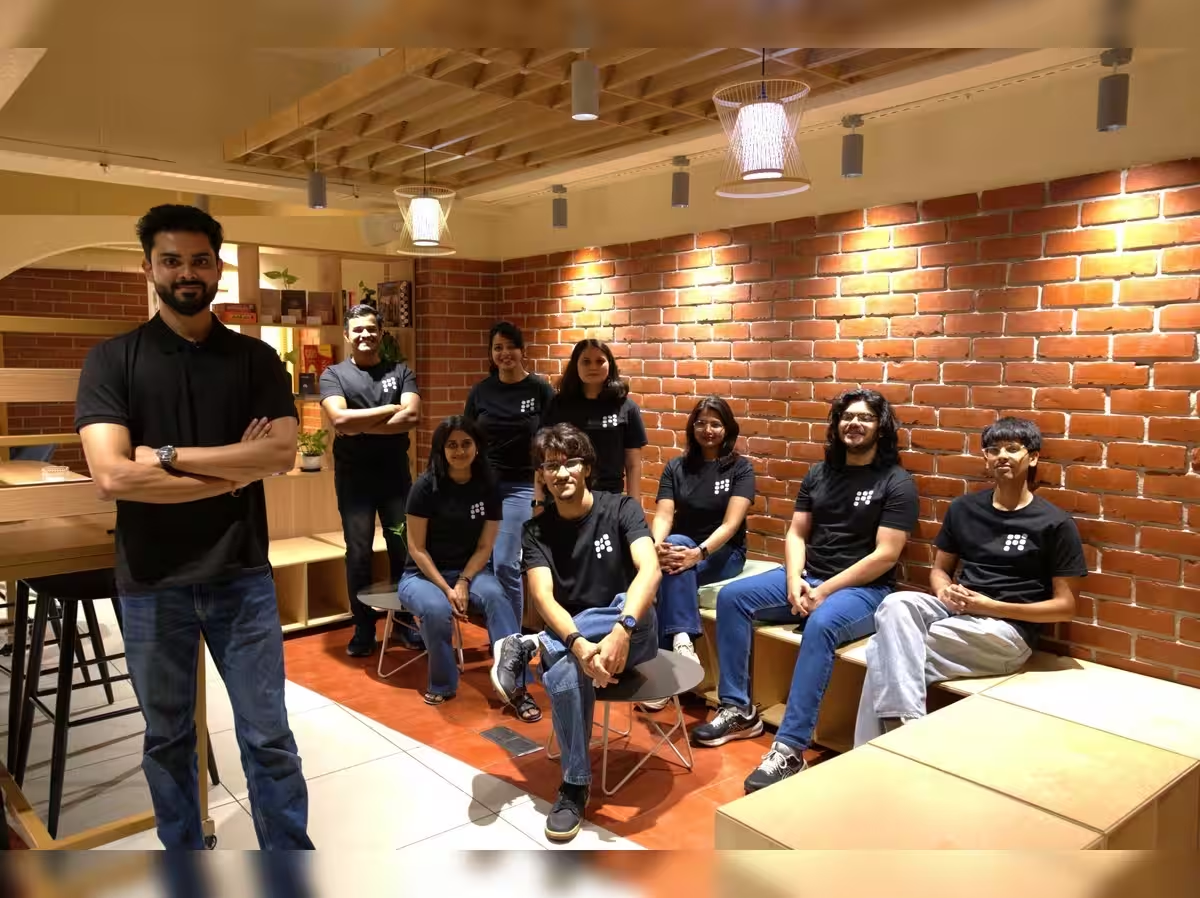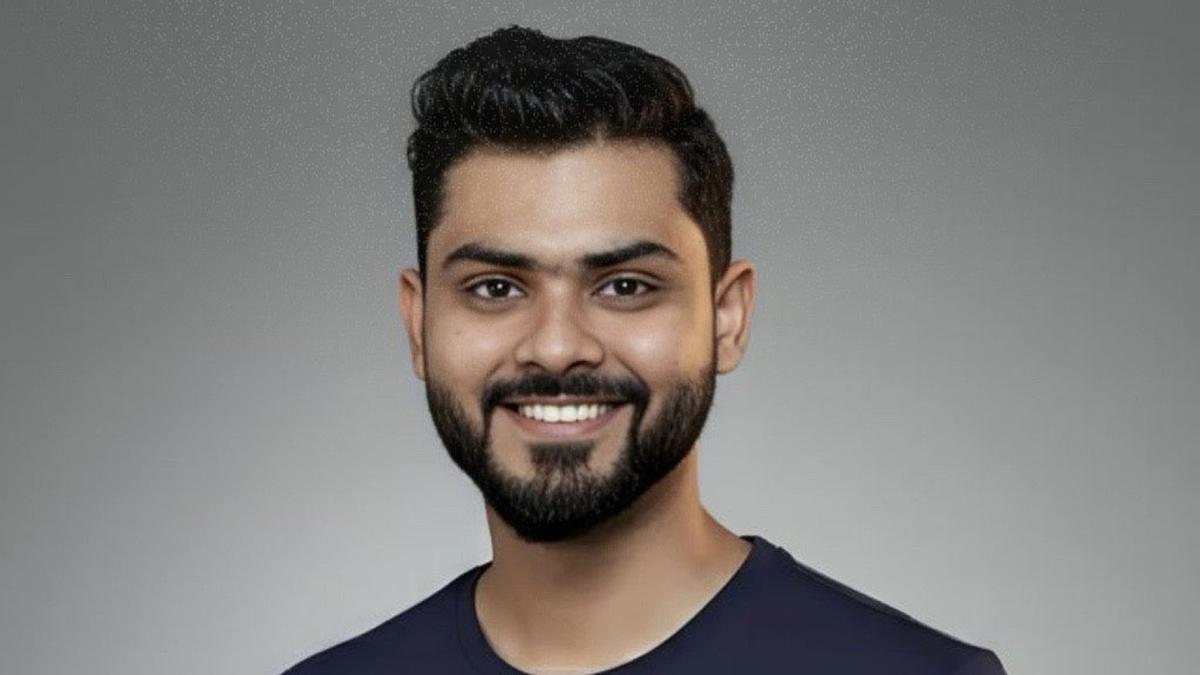
AI IN THE DNA. Tanay Lohia, founder and chief editing officer, Mandrake Bio
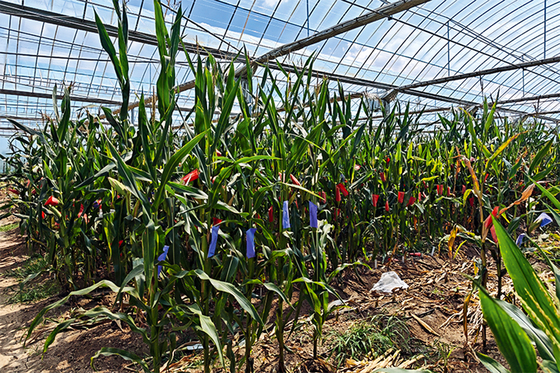
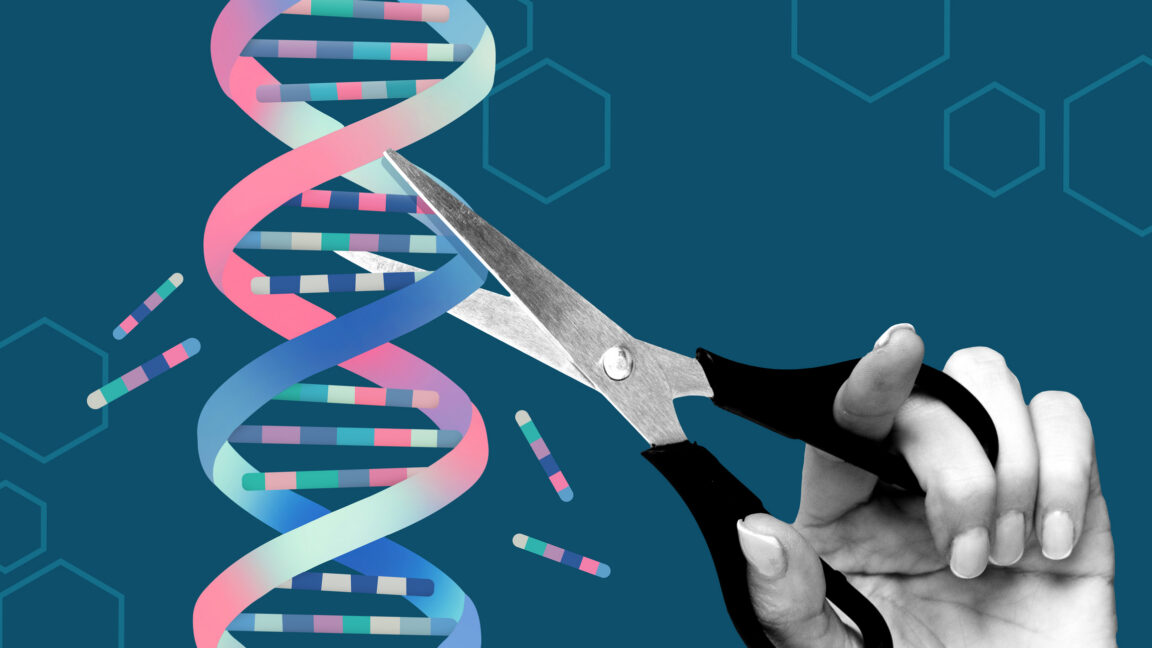
Gene editing is proving transformative in fields ranging from medicine to agriculture, but the technology remains constrained by the tools used to rewrite DNA. Bengaluru-based Mandrake Bio is betting on generative AI to make a difference.“Every living thing runs on one set of instructions, the DNA; and for the first time in history we can rewrite it,” says Tanay Lohia, founder and chief editing officer at Mandrake Bio.Scores of genetic diseases, including sickle cell disease and inherited blindness, can be traced to errors in DNA. Yet most treatments still manage symptoms rather than addressing the underlying genetic cause, Lohia explains.Today, gene editing capability is increasingly being explored for uses ranging from cancer treatment to improving agricultural output. However, the technology remains beyond the reach of ordinary people“Today’s (gene editing) cures work for a handful of diseases, cost a fortune, and only work by editing cells outside the body; in agriculture, edited crops barely reach real fields,” says Lohia.By designThe existing gene editing tool CRISPR can cut DNA with high precision but is too large for use within the body, nor can it perform complex edits, like inserting a healthy gene.Rather than modifying a naturally occurring enzyme to carry out gene editing, as happens in existing tools, Mandrake Bio designs new proteins specifically for the job, using generative AI and first-principles biophysics.“The next generation of gene editors won’t be discovered in nature, but will be designed,” Lohia says.“We build the properties that matter — compactness, precision, and control — directly into each candidate rather than hoping to find them in nature,” he explains.The company tests each design at its in-house wet lab, feeding the results back into its AI models.Lohia describes this closed-loop approach as the core of the company’s platform, with each round of real-world data intended to improve the next generation of designs.“We treat editor development as an engineering discipline, not a discovery expedition,” he says. “That compresses years of enzyme engineering into weeks of design and lets us test a handful of excellent candidates instead of screening thousands of mediocre ones.”Co-developmentThe company is pursuing a co-development model in association with agricultural, seed, therapeutic and biotech companies.Its target customers are companies developing agricultural products and therapeutics.The startup raised about ₹16 crore in a pre-seed round earlier this year and the money is being used to validate its AI stack with real-world data across its editing enzymes. A bigger fundraise is being planned to support the development of larger AI models, lab infrastructure and the expansion of the platform.The company also eyes the global market. “We’re global by design. Disease and food security don’t belong to any one country, and an improved gene editor is valuable to all of humanity,” Lohia says.The company is, however, building from India because this enables it to operate with less capital while providing access to scientific and engineering talent.Published on August 31, 2026