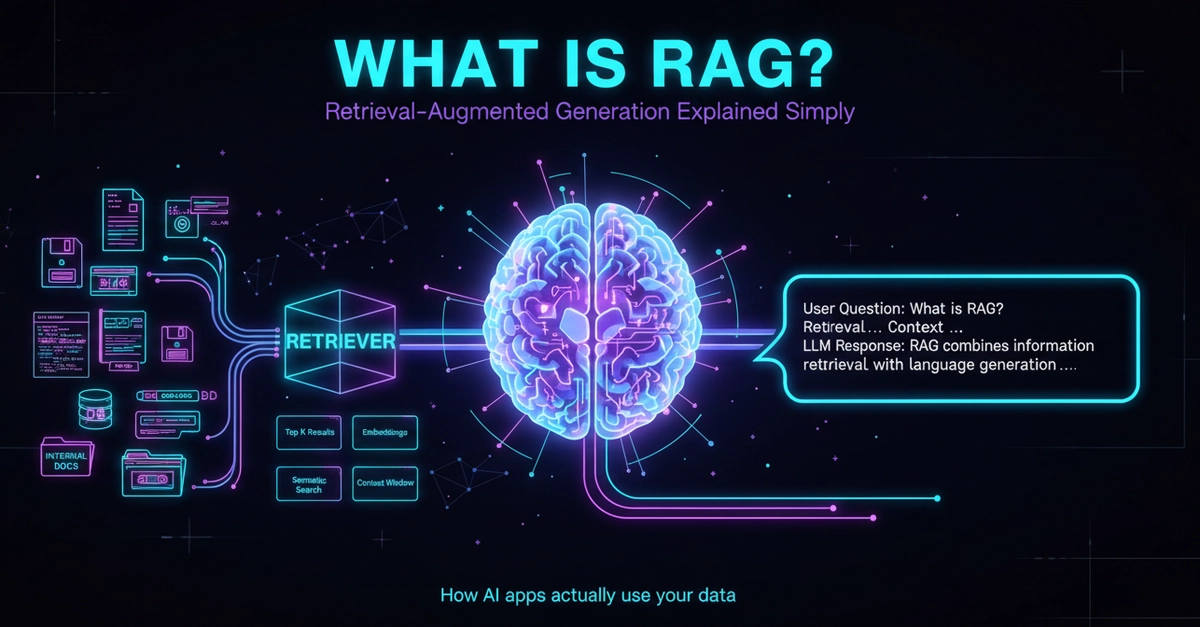
You've probably seen the term RAG everywhere lately — "RAG pipeline," "RAG chatbot," "build your own RAG app." It sounds complicated, but the idea behind it is actually pretty simple.
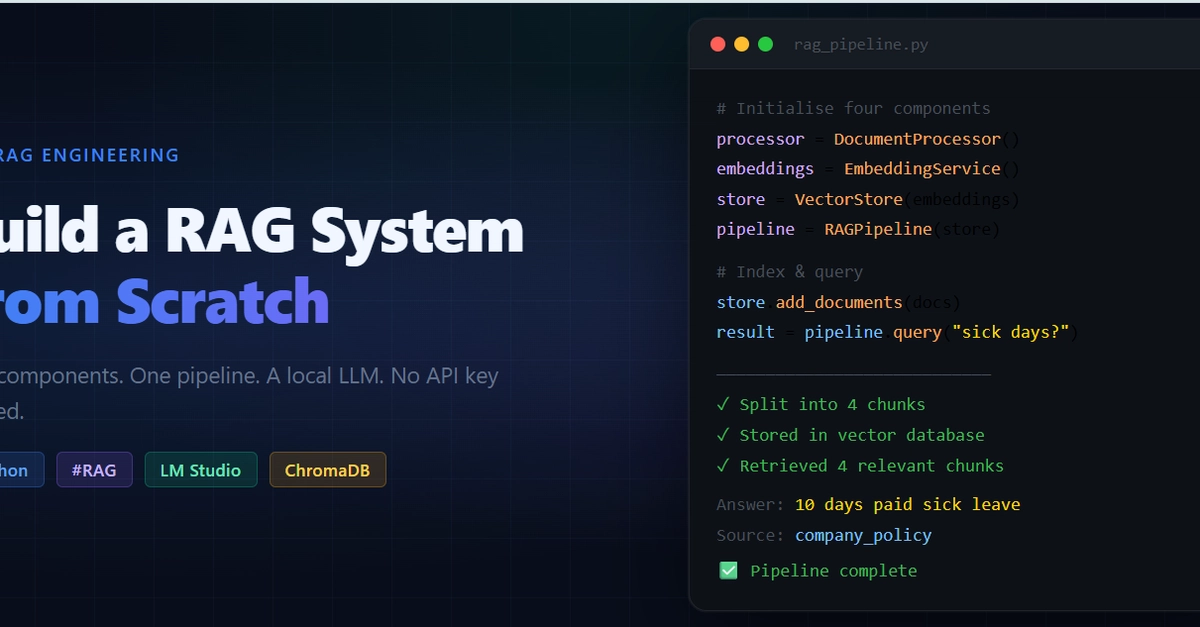
In this article, I'll explain RAG in plain language, then walk through how it works using a real project I built: Guidely, an internal knowledge assistant that answers questions using a company's own documents.
The Problem RAG Solves
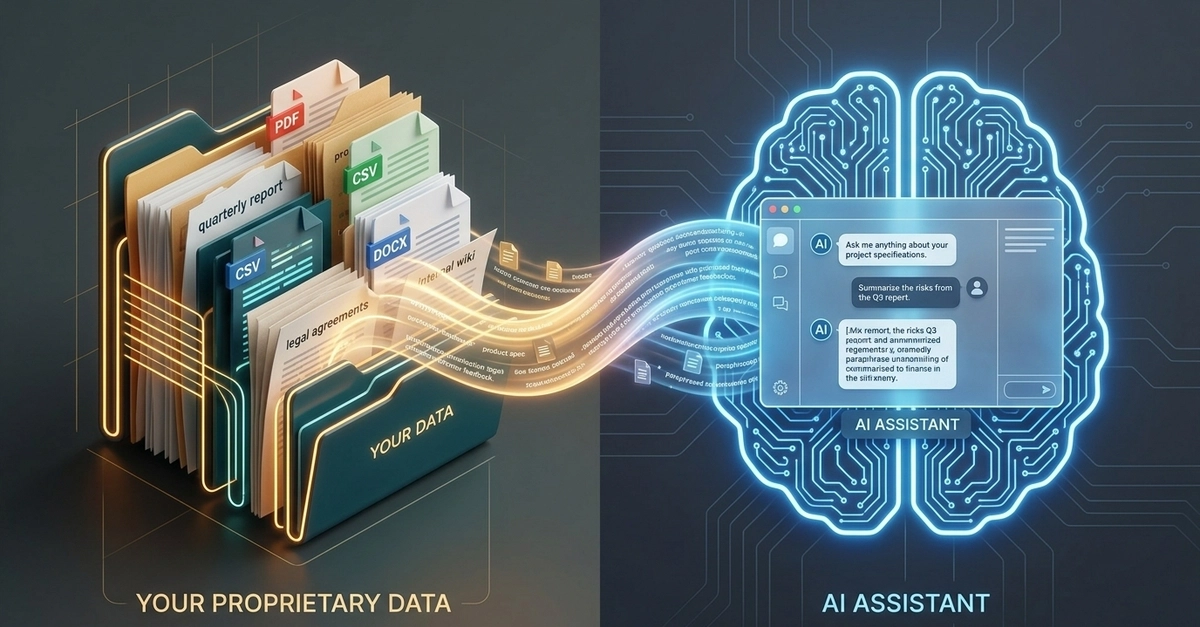
Large language models (like GPT or Claude) are trained on a huge amount of general knowledge, but they don't know about your specific data — your company's internal docs, your product manuals, your onboarding guides. They also can't be retrained every time a document changes; that's slow and expensive.
RAG solves this without retraining the model at all.