Academia
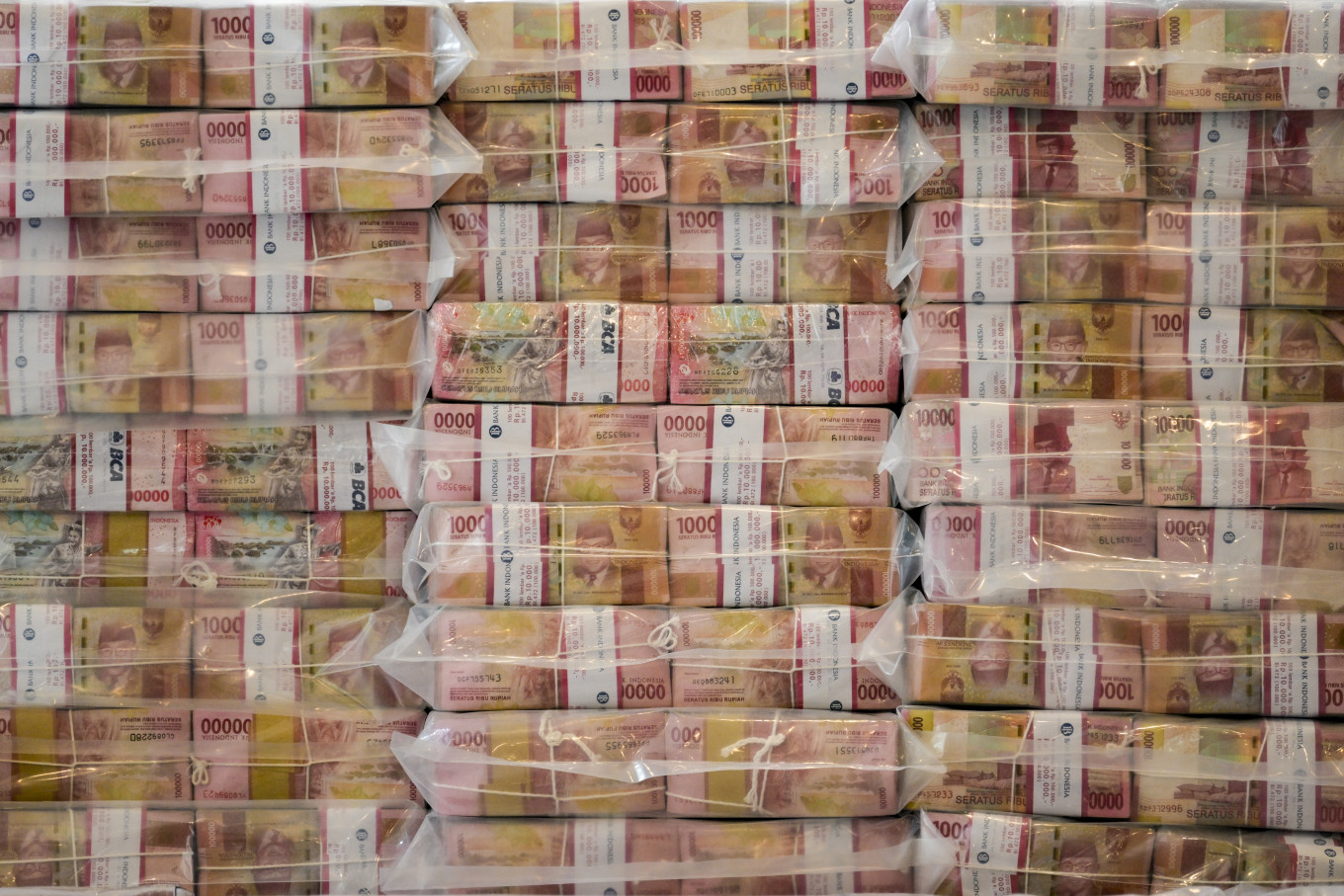
Officials arrange stacks of money collected from forestry administrative fines and recovered state assets from corruption cases on Dec. 24, 2025, at the Attorney General’s Office complex in Jakarta. ( Antara/Aditya Pradana Putra)
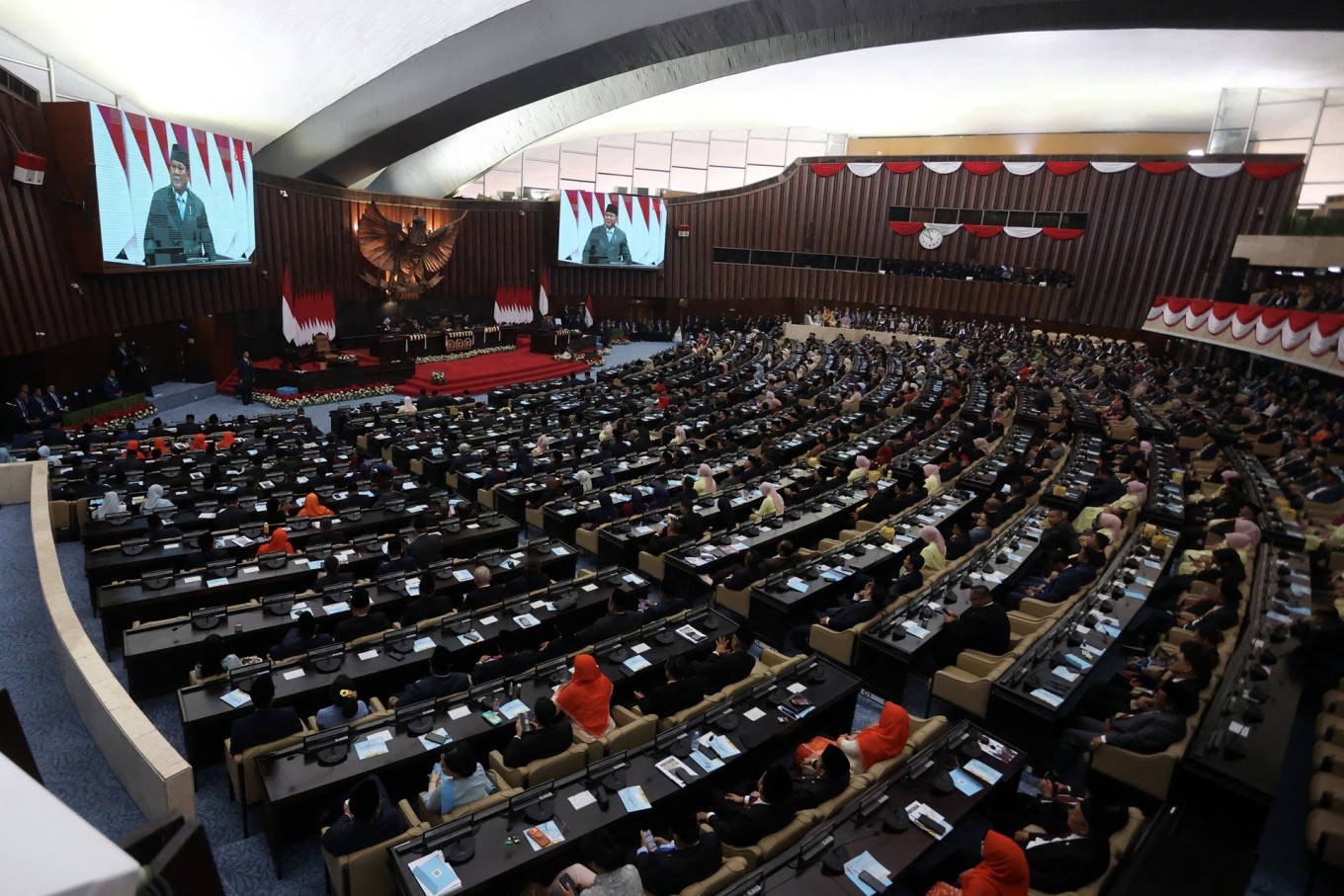
Imagine a corrupt official who has stolen billions of rupiah from state coffers. Under a proposal floated by President Prabowo Subianto, that official could walk free, no conviction, no prison, simply by handing the money back. It sounds like restitution; critics say it looks a lot like a pardon with a price tag. The proposal, outlined in Prabowo's Aug. 14 State of the Nation Address, would offer amnesty to corruptors who return stolen state funds. It has reignited a debate that cuts to the heart of his presidency: Is Indonesia's war on corruption for real, or is it starting to look negotiable?The plan was framed as pragmatic: recover the money first, worry about punishment later. But it raises an uncomfortable question. If corrupt officials can buy their way out of consequences by returning even part of what they stole, what does that say about the government's actual commitment to accountability?
The stakes are high precisely because Prabowo built his political brand on the opposite promise. He came to office vowing an uncompromising fight against graft, calling corruption one of Indonesia's greatest obstacles to prosperity and warning state officials to clean up their act or face consequences. But rhetoric and policy are not always the same thing.