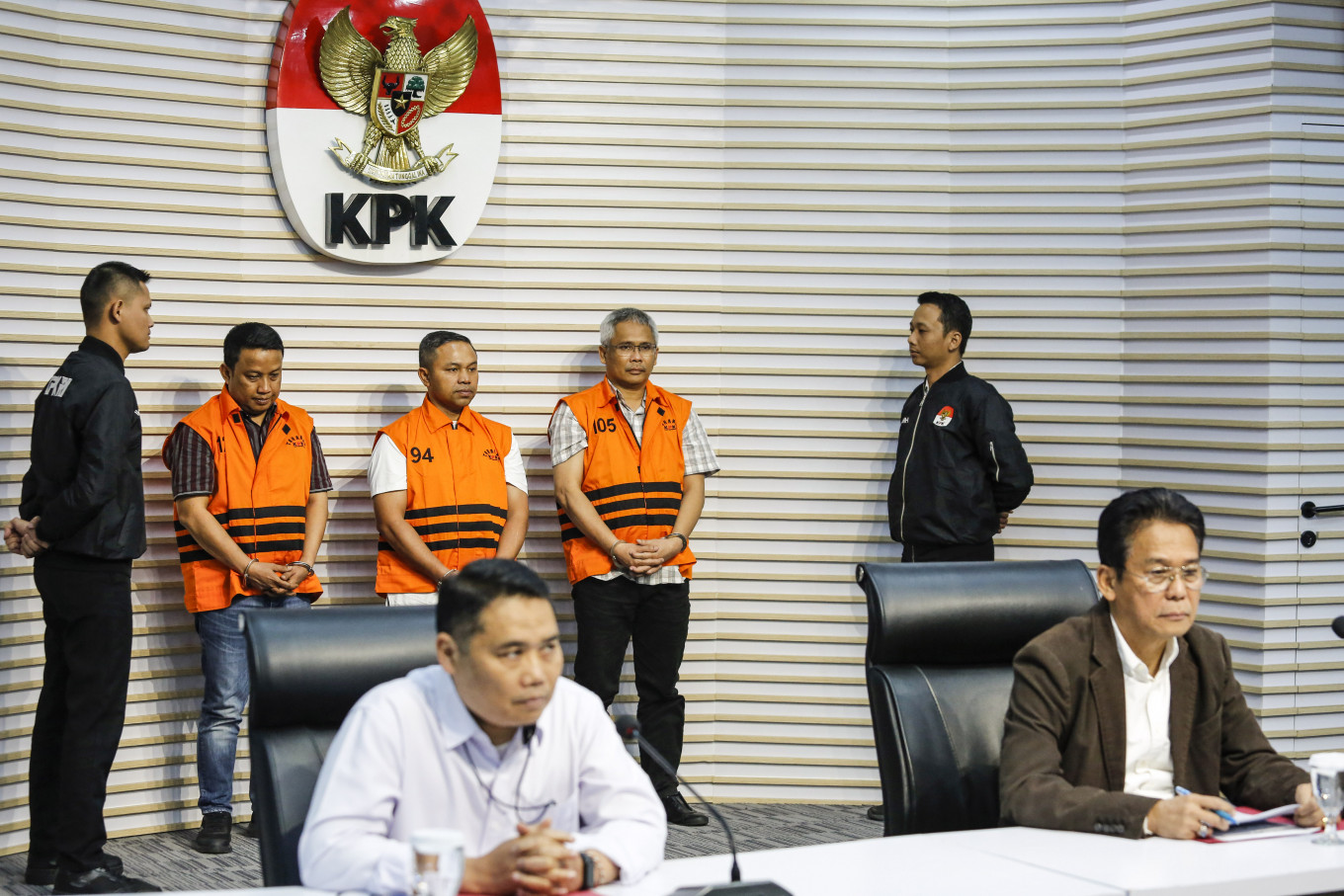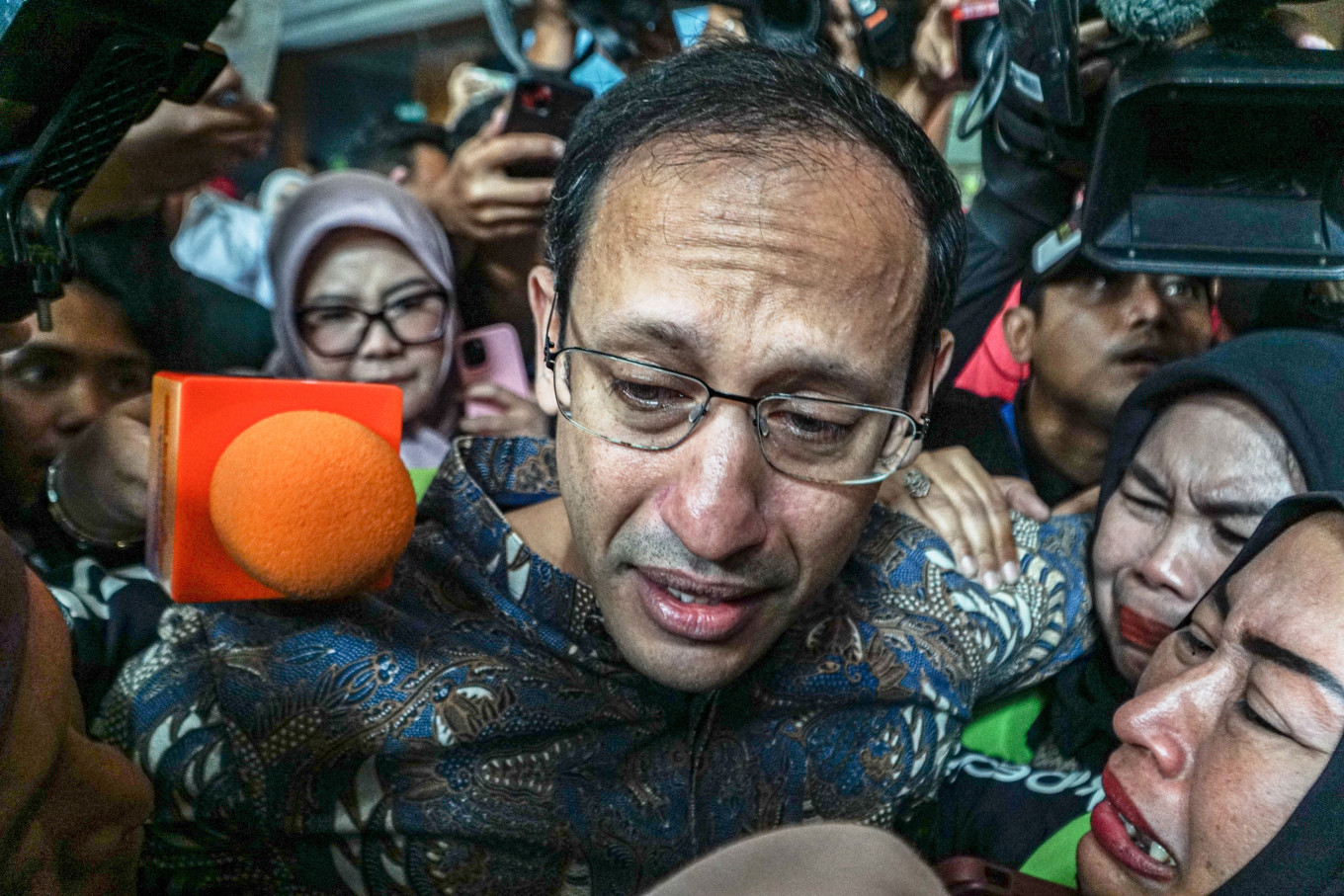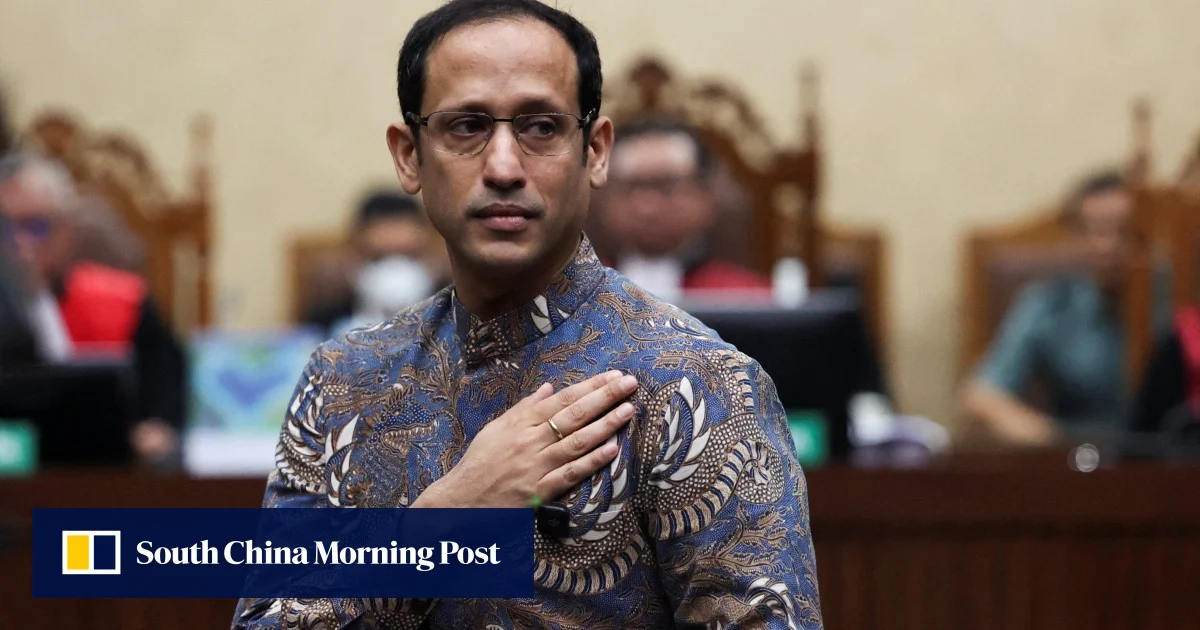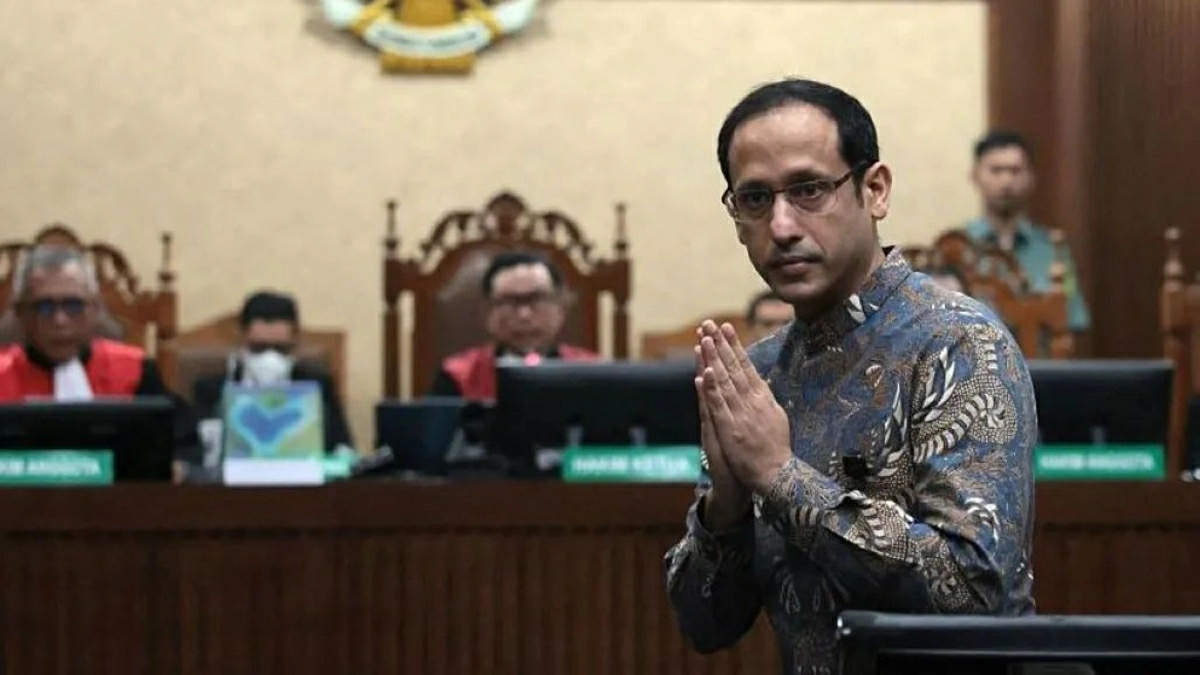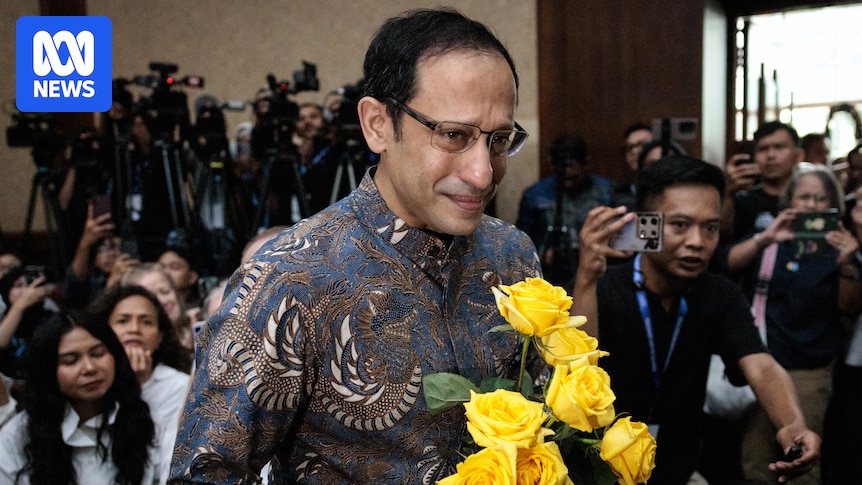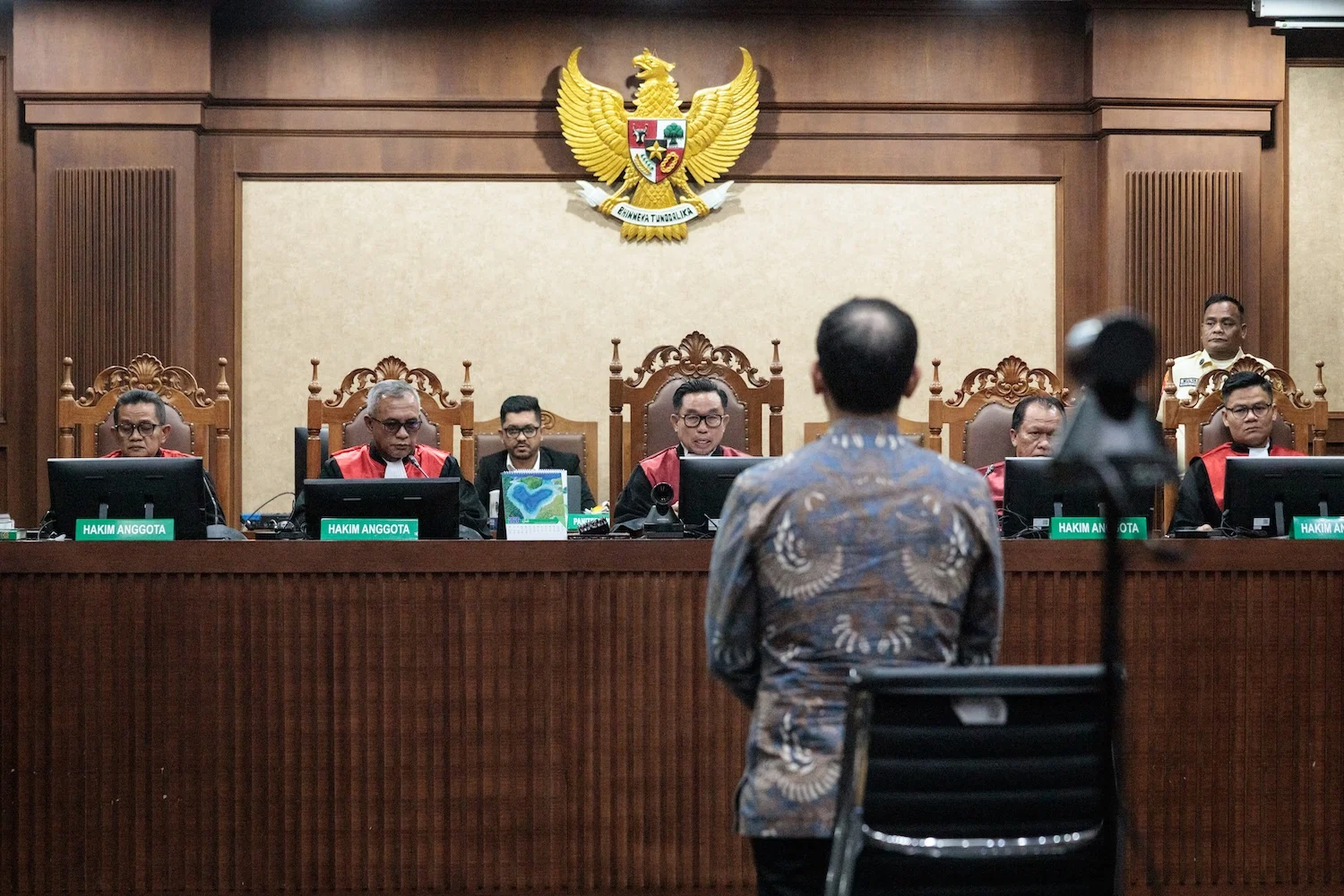
On June 30, Nadiem Makarim, a prominent Indonesian tech entrepreneur, was sentenced to 10 years in prison on corruption charges stemming from his time as Indonesia’s education minister.
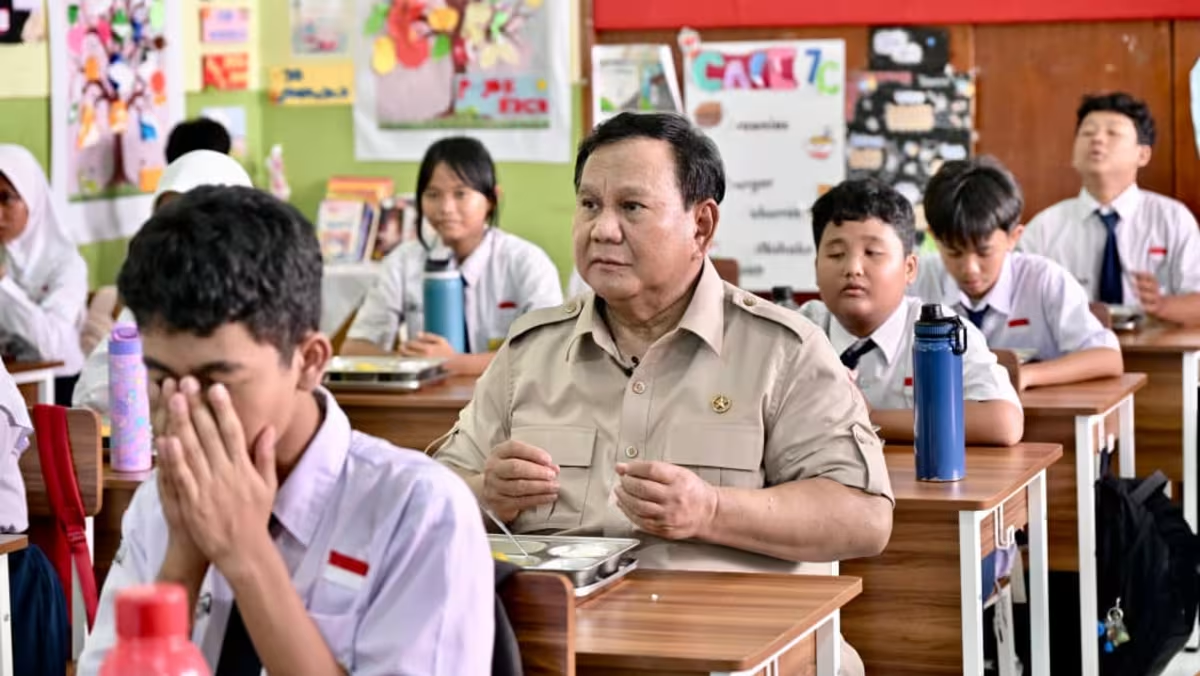
Makarim’s case is the highest profile in a string of investigations under President Prabowo Subianto, who made tackling corruption a centerpiece of his populist election campaign and his presidency since 2024. He pledged to recover stolen assets, strengthen law enforcement, and take down those he deems to be part of the corrupt elite, regardless of status or political standing.
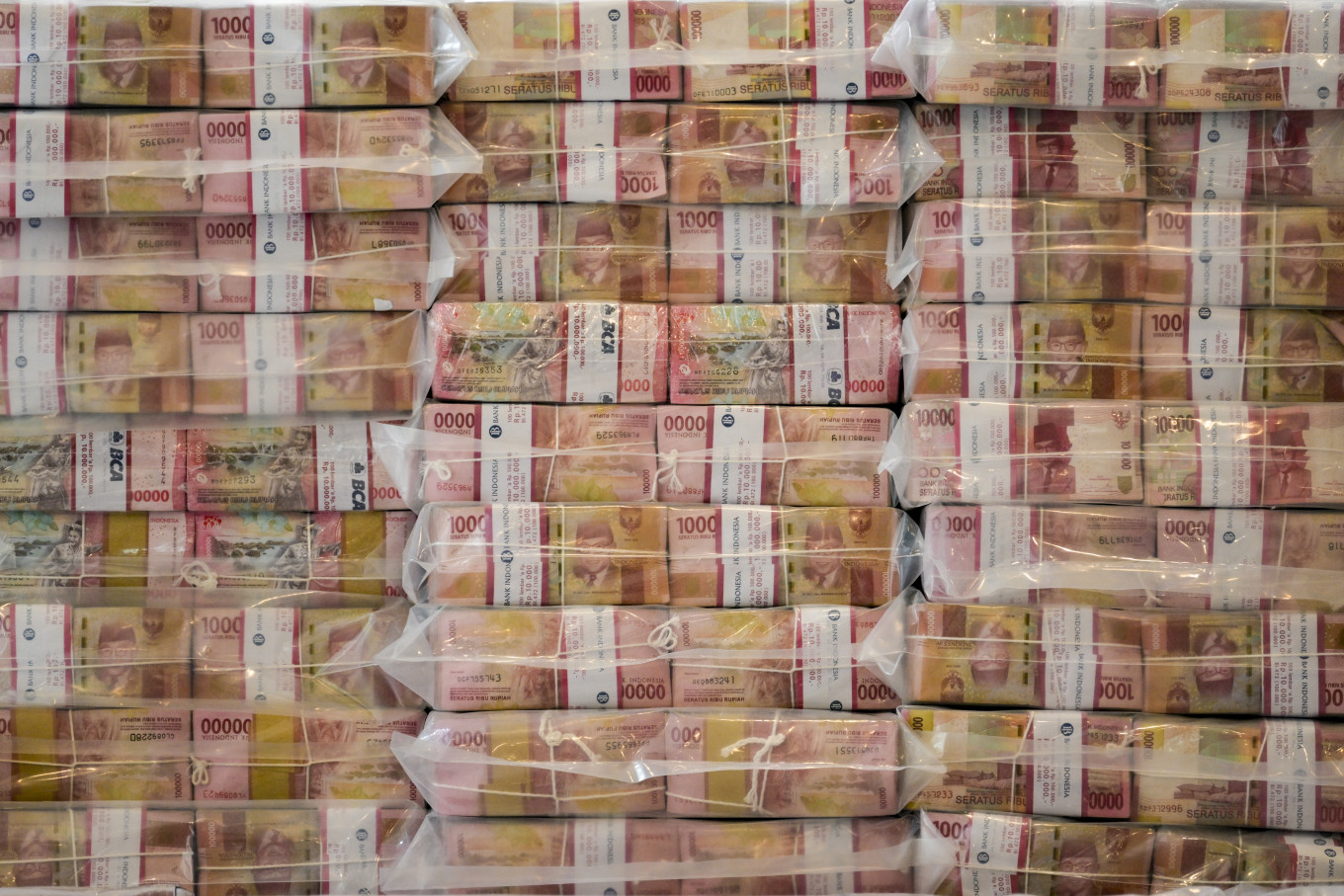
Other high-profile investigations during Prabowo’s term have involved politically connected businessmen, state-owned enterprises, and former ministers. In July, Indonesia’s top anti-corruption prosecutor Febrie Adriansyah resigned from his role in the attorney general’s office after police raids uncovered a stash of gold bars and almost $20 million in cash in a residence that he owns. Adriansyah is now facing allegations of corruption and money laundering connected to several state-owned enterprise cases. (He has denied any wrongdoing.)
Prabowo’s supporters argue that these investigations demonstrate a willingness to pursue corruption at the highest levels, even when it implicates popular public figures such as Makarim. Critics say they instead reflect selective enforcement and political maneuvering, rather than genuine institutional reform.