Nigeria’s struggle with electoral violence has continued despite repeated peace accords signed by political parties and candidates, with no fewer than 870 people reportedly killed in election-related violence since the National Peace Committee began its intervention in 2015.
The figure has renewed concerns over the effectiveness of the peace agreements, particularly with political parties and presidential candidates preparing for the 2027 general elections.
Politics in Nigeria appears to have strayed far from political scientist David Easton’s description of politics as the “authoritative allocation of values”, with contests for political power frequently degenerating into violence, intimidation and destruction of lives and property.
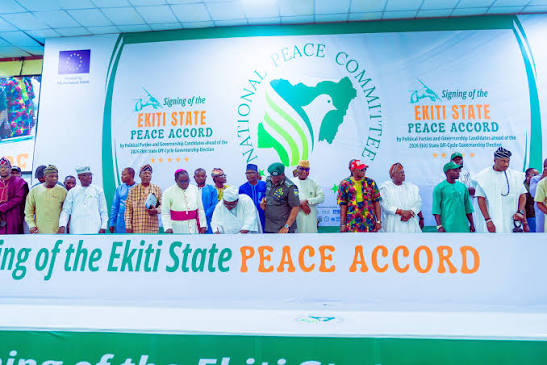
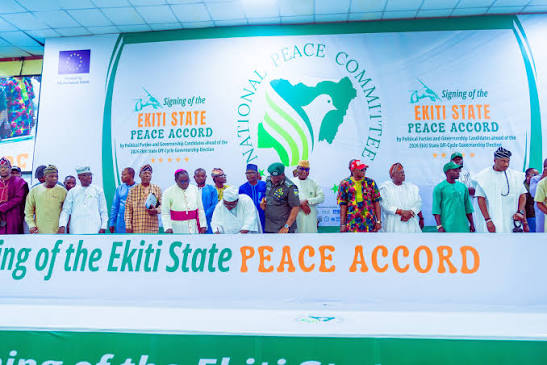
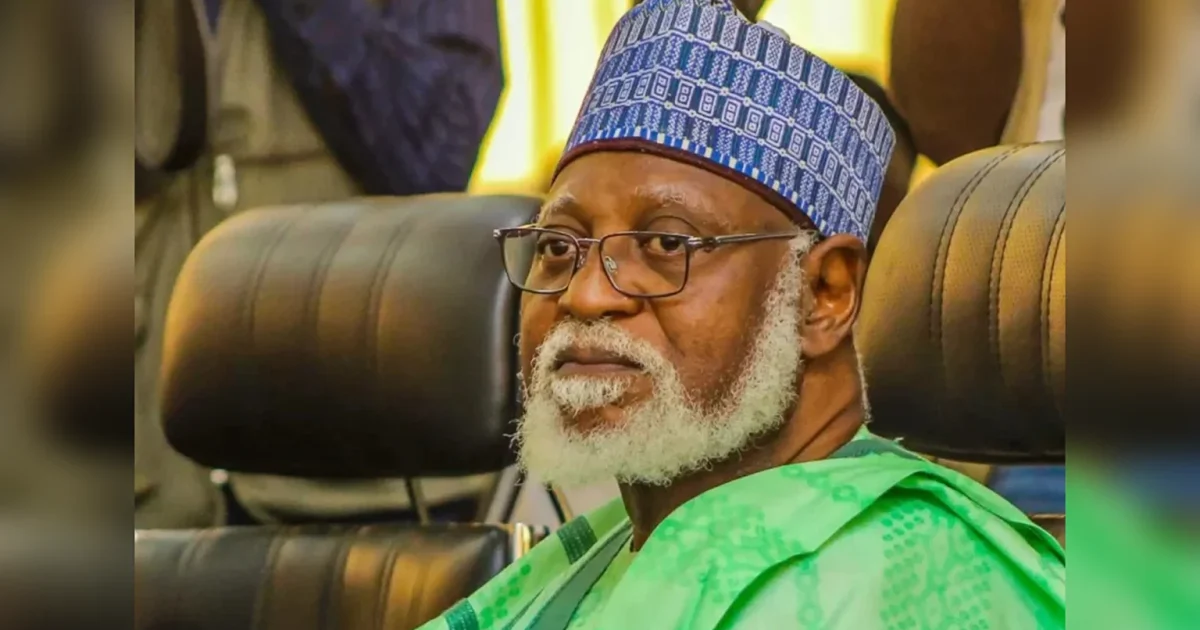
The National Peace Committee, chaired by former Head of State, Gen Abdulsalami Abubakar and co-chaired by the Catholic Bishop of Sokoto Diocese, Matthew Kukah, introduced the peace accord ahead of the 2015 general election as an attempt to prevent violence before, during and after elections.
Ahead of the 2015 presidential election, the then presidential candidates of the All Progressives Congress, Muhammadu Buhari, and Peoples Democratic Party, Goodluck Jonathan, signed the agreement in Abuja, pledging to accept the outcome of the election and refrain from acts capable of undermining the democratic process.