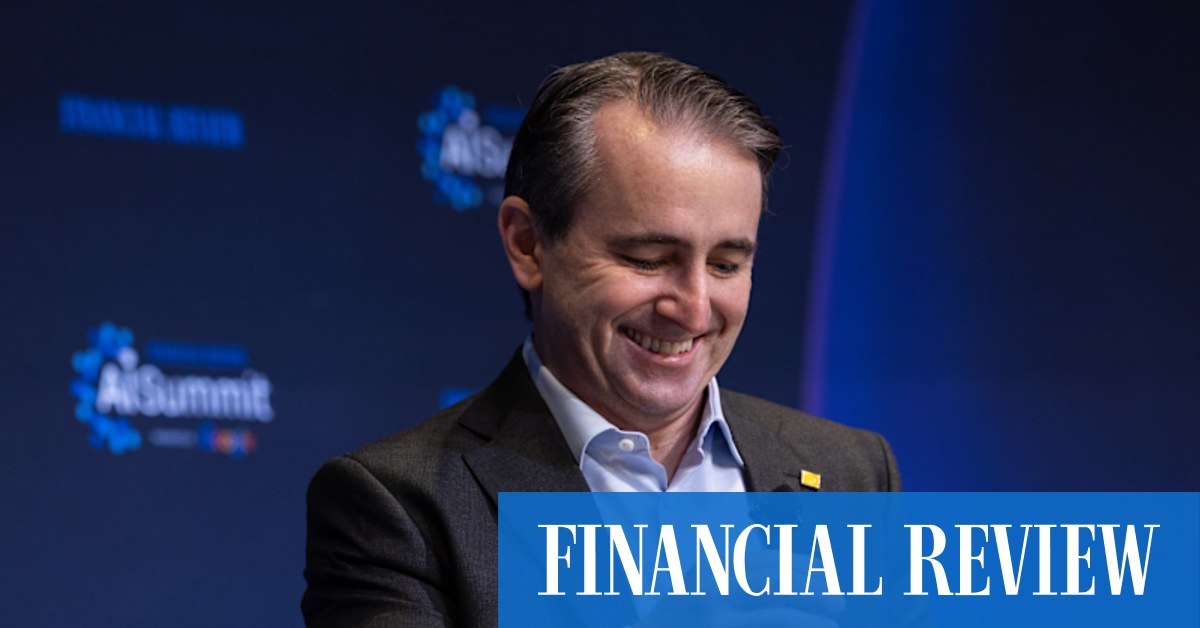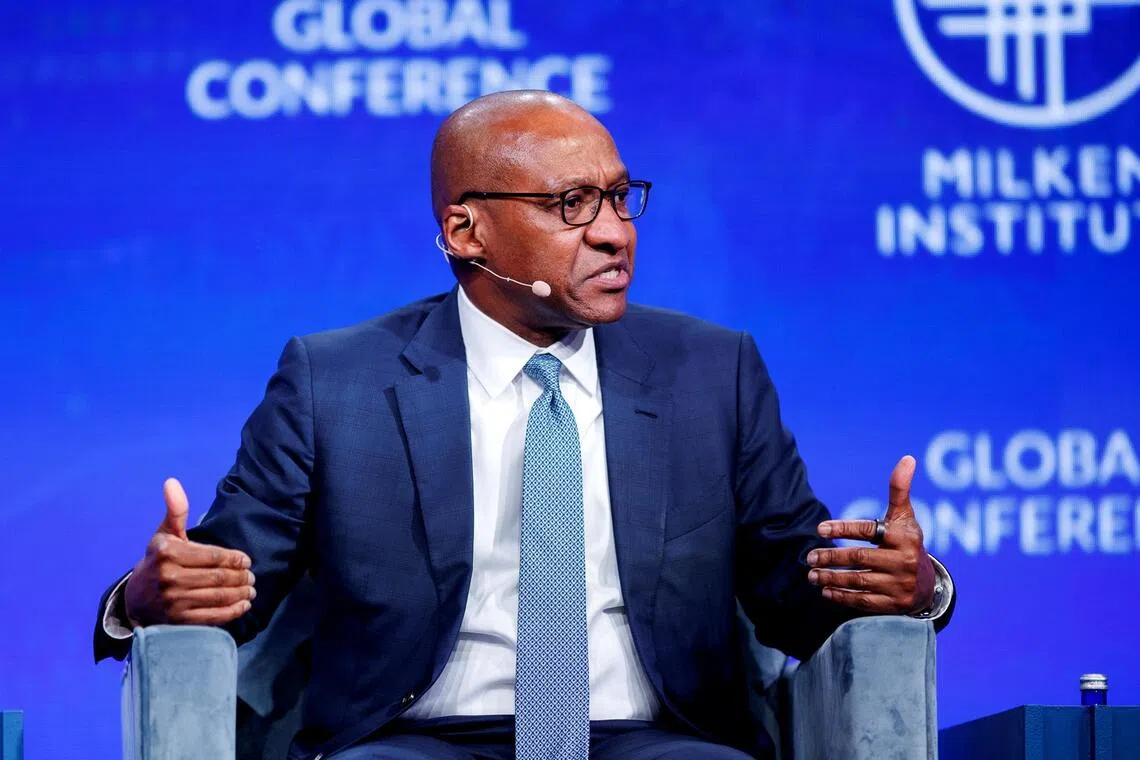
“This is no longer a technology trend. It’s a growth agenda. It’s a productivity agenda. It’s at the centre of CEO and boardroom conversations,” Kotwal says.Beyond the pilot stageMuch of the attention around AI has so far focused on what the technology can do rather than what companies must change to make use of it.Automation is only part of the opportunity. AI can also affect how decisions are made, how capital is deployed and how employees work. Capturing those benefits can require changes to processes, organisational structures and the allocation of investment.Kotwal says multifactor productivity has averaged about 0.5 per cent annually over the past decade, underscoring the scale of the potential gains from AI.Nick Kotwal, partner in EY-Parthenon in Australia. An EY 2026 CEO outlook survey found 80 per cent of Australian CEOs were increasing their AI investment this year, Kotwal says. Access to the technology itself is therefore becoming less of a differentiator.“The dividing line will be around productivity and value, not who adopts AI first,” Kotwal says.That challenge is reflected in RBA figures showing labour productivity grew just 0.1 per cent over the year to March.The harder task is moving beyond disconnected pilots and funding investments capable of producing measurable improvements across a business.“Value will come from fundamentally redesigning your organisation, reshaping your value streams and building a workforce with AI embedded into how decisions are made,” Kotwal says.That can require companies to rethink work flows rather than simply inserting AI into existing ones. It can also mean changing the way employees make decisions, restructuring parts of the organisation and determining which activities deserve further investment.The question for executives is therefore moving from whether to adopt AI to how to convert that investment into better productivity, growth and financial performance.Choosing what not to doAI has created a growing list of potential projects at the same time as slower growth and pressure on productivity are making decisions about capital more important.For CEOs, that means competing demands for money and management attention.“The hardest choices are not what to start, but what to stop,” Kotwal says.Most large organisations have more opportunities than they can realistically pursue. Executives have to decide where to invest, where they want to grow, which businesses to support and which assets they might buy or divest.AI has expanded the list of competing investments because its potential applications extend across operations, customer service, product development and corporate functions.“A smaller number of well-funded, thought-through initiatives will always trump a long list of competing priorities,” Kotwal says.Kotwal says incremental growth is no longer enough as companies contend with changing customer expectations, geopolitical uncertainty and pressure to lift productivity. Boards are being forced to make choices about which capabilities to build, where to deploy capital and how quickly to change existing business models.From adoption to returnsThe push to turn AI investment into returns is also taking place as geopolitical uncertainty affects supply chains, sourcing and investment.Kotwal says recent EY CEO research found 53 per cent of CEOs reported AI was already having a meaningful impact on productivity and core operations, including back and middle-office functions, while 56 per cent identified geopolitical instability and risk as a major factor.The two pressures are closely connected. AI can change how businesses generate value, while geopolitical tensions affect where companies operate, how they structure supply chains and where they commit capital.“AI is changing how value is created, while geopolitics is changing how value is protected,” Kotwal says.For boards, the test is less about how many AI projects have been launched than what those projects produce.A completed systems implementation, technology rollout or project milestone shows that work has been done. It does not demonstrate that the investment has improved the business.Kotwal says major investments should have a clear connection between the money being spent, the technology being introduced and resulting changes in productivity, customer outcomes or risk.“The result will be improved P&Ls, better customer experience and reduced risk – not just a transformation dashboard with some traffic lights around red, green and amber,” Kotwal says.“The test is durability.”That means asking what remains once a program has finished and the project team has left. If the investment has worked, the benefits should continue to show up in financial performance, productivity, customer experience or risk.Strategy meets executionCompanies are also asking more of their strategic advisers.Traditional strategy consulting was built partly around helping executives determine where to compete and what to do next. Kotwal says CEOs are putting greater weight on how those decisions will actually be implemented.“The days of advisers purely providing strategy support and guidance and producing tomes of documents are over,” Kotwal says.Companies are not short of ideas about AI. The harder questions concern which ideas deserve capital, how they fit with the broader business strategy and what needs to change inside the organisation to make them work.Kotwal says that requires advisers to bring an investor mindset, commercial judgement and practical execution experience alongside conventional strategic advice.“CEOs are not asking, ‘What is my strategy?’ They’re actually asking, ‘How do I make it happen and how do I realise the value from an AI transformation or a business transformation?’” Kotwal says.Some companies will use AI primarily to reduce costs or automate existing work. Others will redesign products, processes or business models around it. For many, acquiring the technology will be the relatively straightforward part.“The winners will not have the largest transformation agendas,” Kotwal says. “They’ll make fewer, more deliberate choices and turn them into measurable and durable value.”To find out more, please visit EY-Parthenon.
What it will take to unlock AI’s $116b prize
Australian businesses are investing heavily in artificial intelligence, but the bigger economic prize will depend on what they do after they buy the technology.
918 words~4 min read