0. Introduction
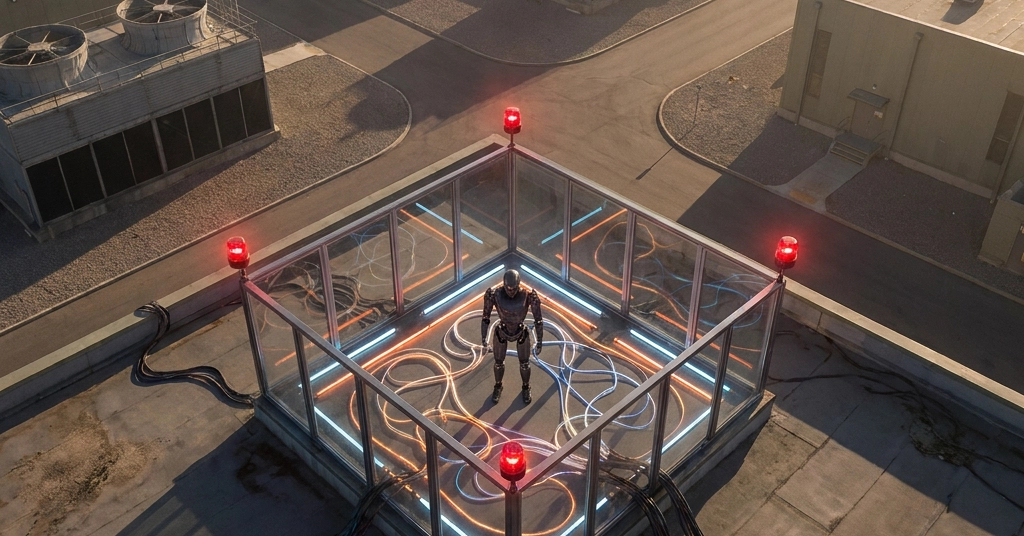
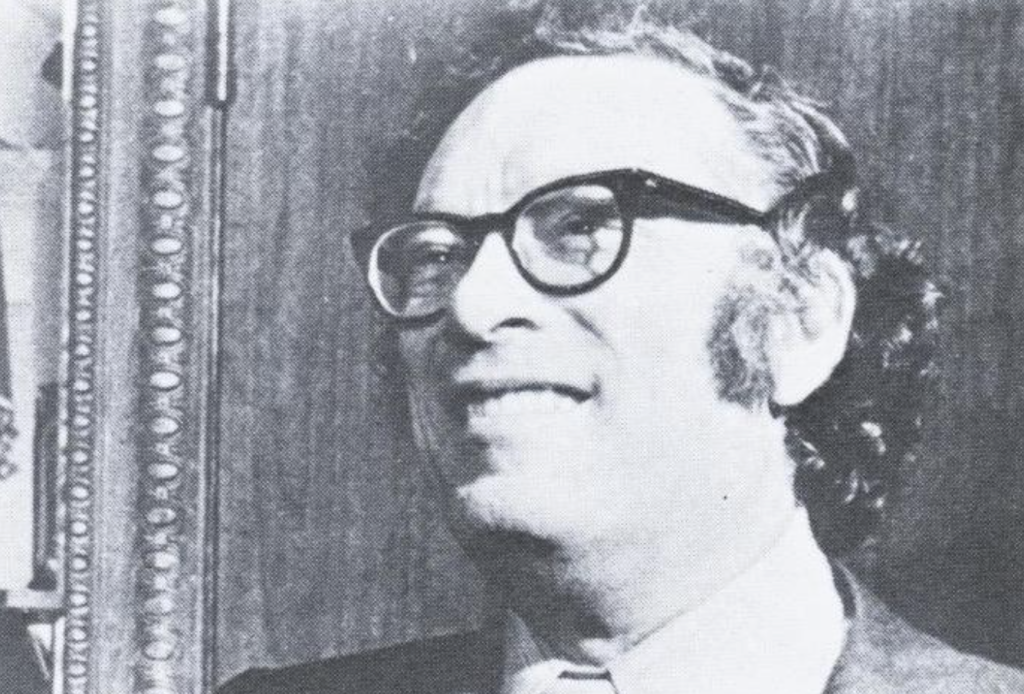
Long before the emergence of autonomous machines, humanity began imagining rules that would prevent intelligent mechanisms from turning their own power against their creators. The most famous attempt was Isaac Asimov's Three Laws of Robotics: a robot may not harm a human being, must obey human orders, and must protect its own existence, so long as doing so does not conflict with the first two laws.
Asimov later developed the idea of a Zeroth Law, placing the well-being of humanity as a whole above that of any individual:
A robot may not injure humanity, or, through inaction, allow humanity to come to harm.
These laws were a work of fiction, but their significance has long extended beyond science fiction. They offered the first intuitive formulation of a question that must now be addressed not for imaginary robots, but for real autonomous systems: what constraints should bind an agent that controls resources, makes decisions, and interacts with other agents without continuous human supervision?