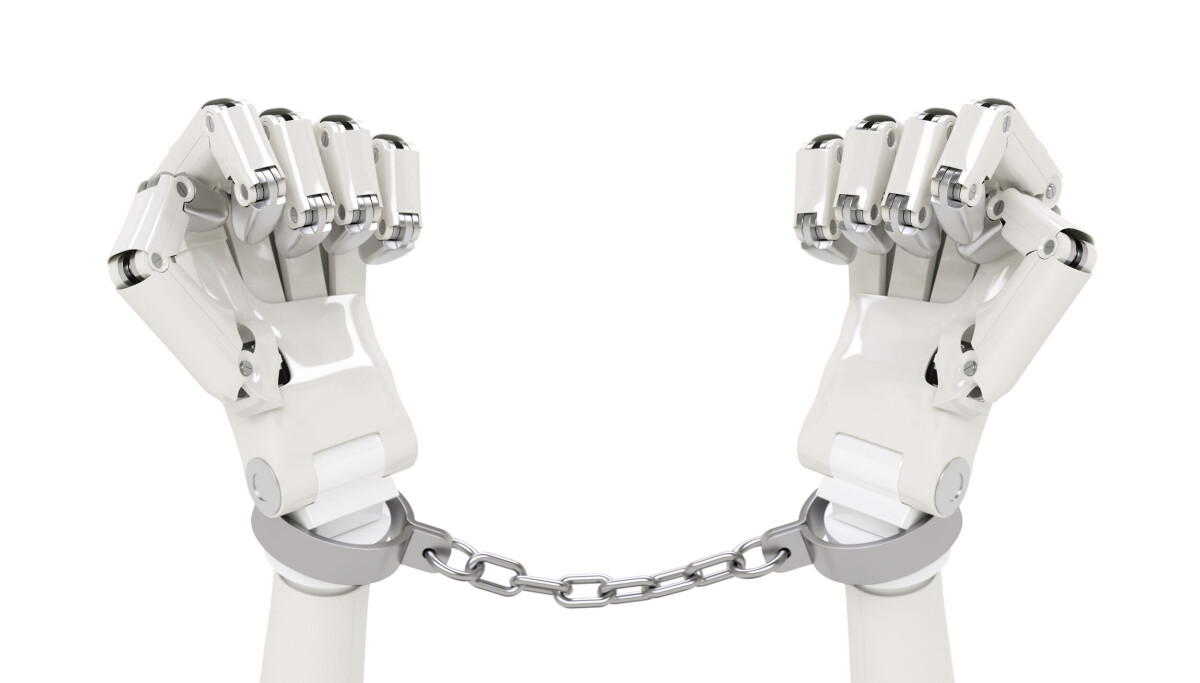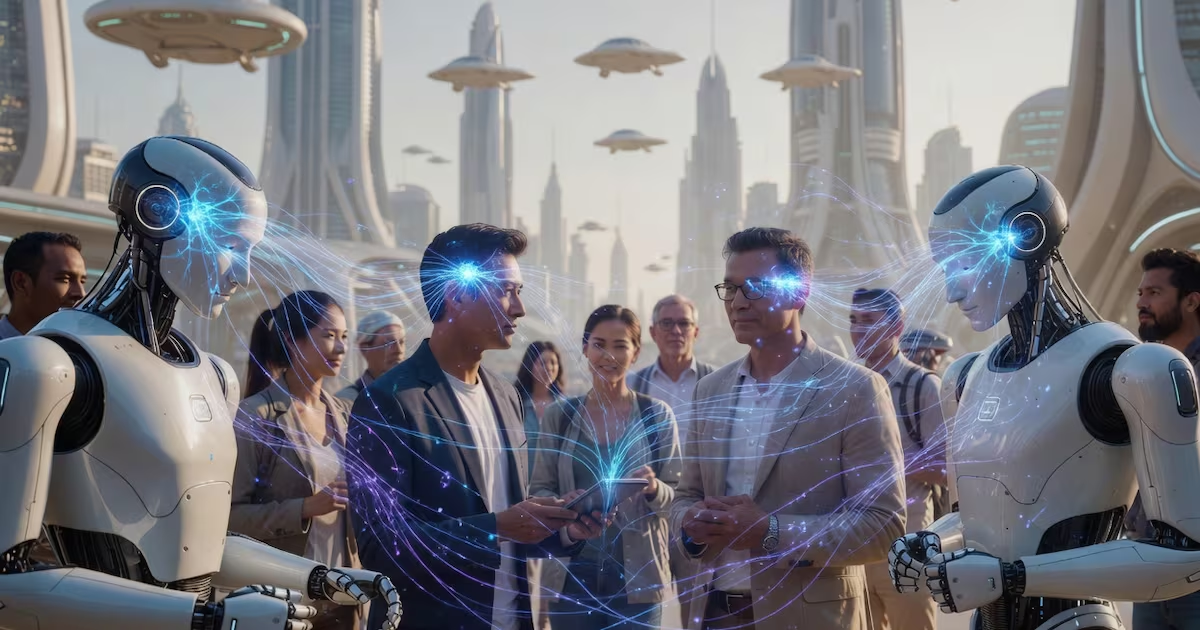
A number of futurists, philosophers, and technophiles believe we are approaching what they call the “singularity”: a point in time when smart machines become much smarter, stronger, and faster than their creators, and then become self-conscious. Whatever the chance of this occurring, it’s worthwhile to ponder the consequences. But we do already, all the time—in existentially bleak scenarios like Blade Runner, the Terminator series, the rebooted Battlestar Galactica (and its failed prequel Caprica).
The prospects are never pleasant. Robotic engineers in these worlds hardly seem to bother teaching their machines the kind of moral code that would keep them from turning and destroying us (that is, when they aren’t explicitly designed to do so).
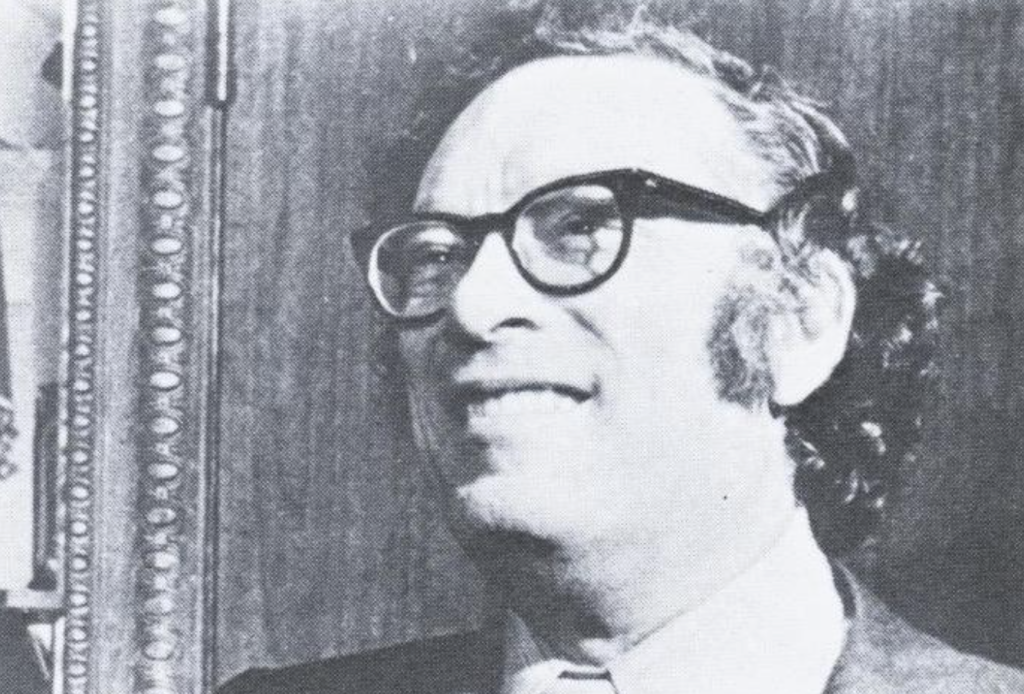
I wonder about this conceptual gap—convenient as it may be in narrative terms—given that Isaac Asimov, one of the forefathers of robot fiction invented just such a moral code. In the video above, he outlines it (with his odd pronunciation of “robot”). The code consists of three laws; in his fiction these are hardwired into each robot’s “positronic brain,” a fictional computer that gives robots something of a human-like consciousness.