Read The Diplomat, Know The Asia-Pacific
The Tanaka affair has cast a long shadow.
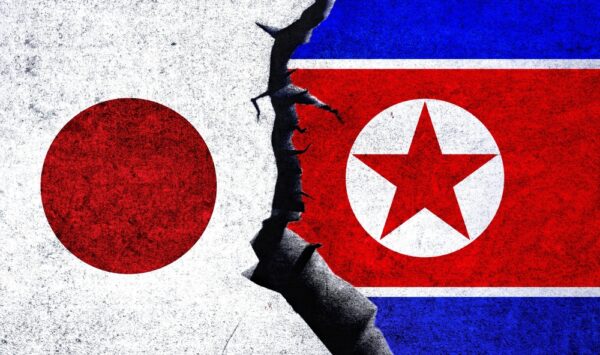
Only two Japan-North Korea summit meetings have ever been held, both between Japanese Prime Minister Junichiro Koizumi and former North Korean leader Kim Jong Il, in September 2002 and May 2004. Since then, an inter-Korean summit was held in October 2007, followed by three more in 2018. U.S.-North Korea summits were held in June 2018, February 2019, and June 2019. Yet Japan and North Korea have not met at the summit level in over two decades.
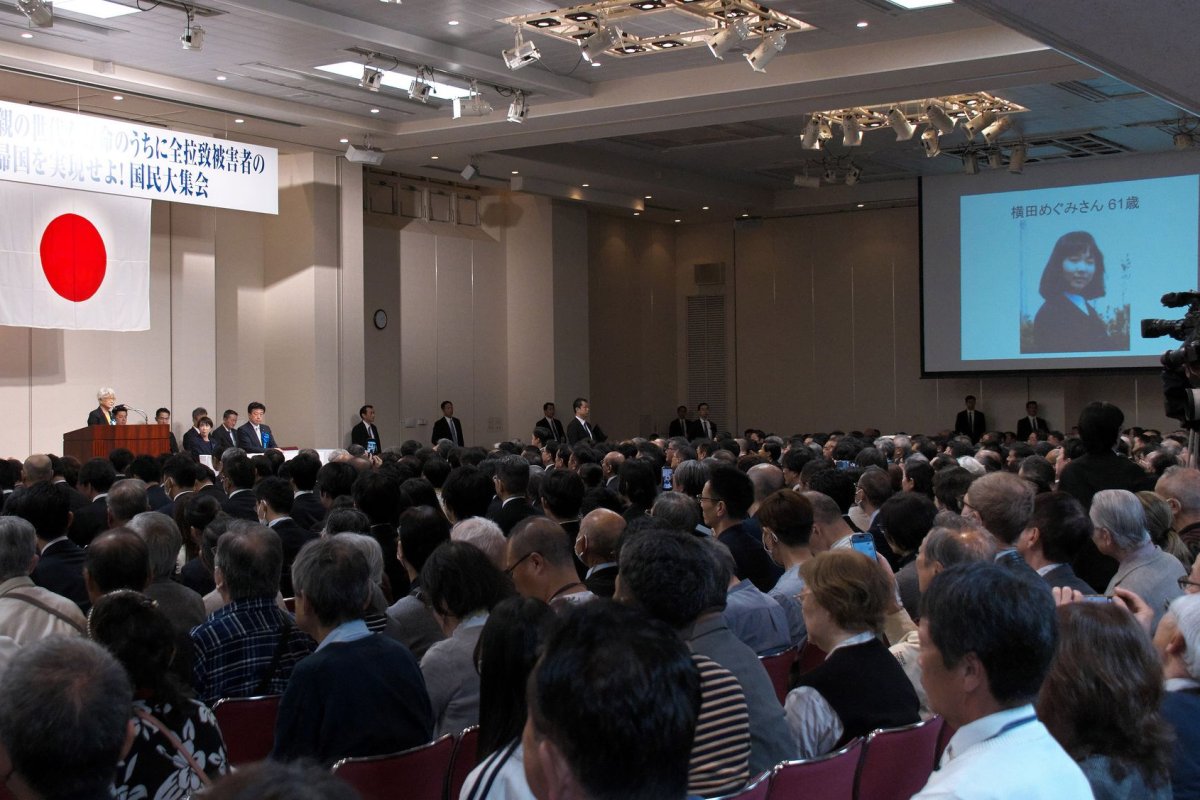
What makes summit dialogue uniquely difficult for Japan is the abduction issue. From the 1970s through the 1980s, North Korean agents abducted a large number of Japanese citizens. The abduction of Megumi Yokota, a middle school student at the time, especially shocked Japanese society, and resolving the abduction issue has been declared a “high-priority issue” by every successive administration.
Japanese sanctions on North Korea are the heaviest in the world, yet they have not led to the return of a single abductee to Japan since the five abductees came home in October 2002. Japanese public opinion nonetheless persistently calls for heavier sanctions, driven by anger and distrust. This is despite the fact that it was dialogue, not sanctions, that secured Koizumi’s signal achievement: an apology from North Korean leader Kim Jong Il and the return of five abductees and their family members.