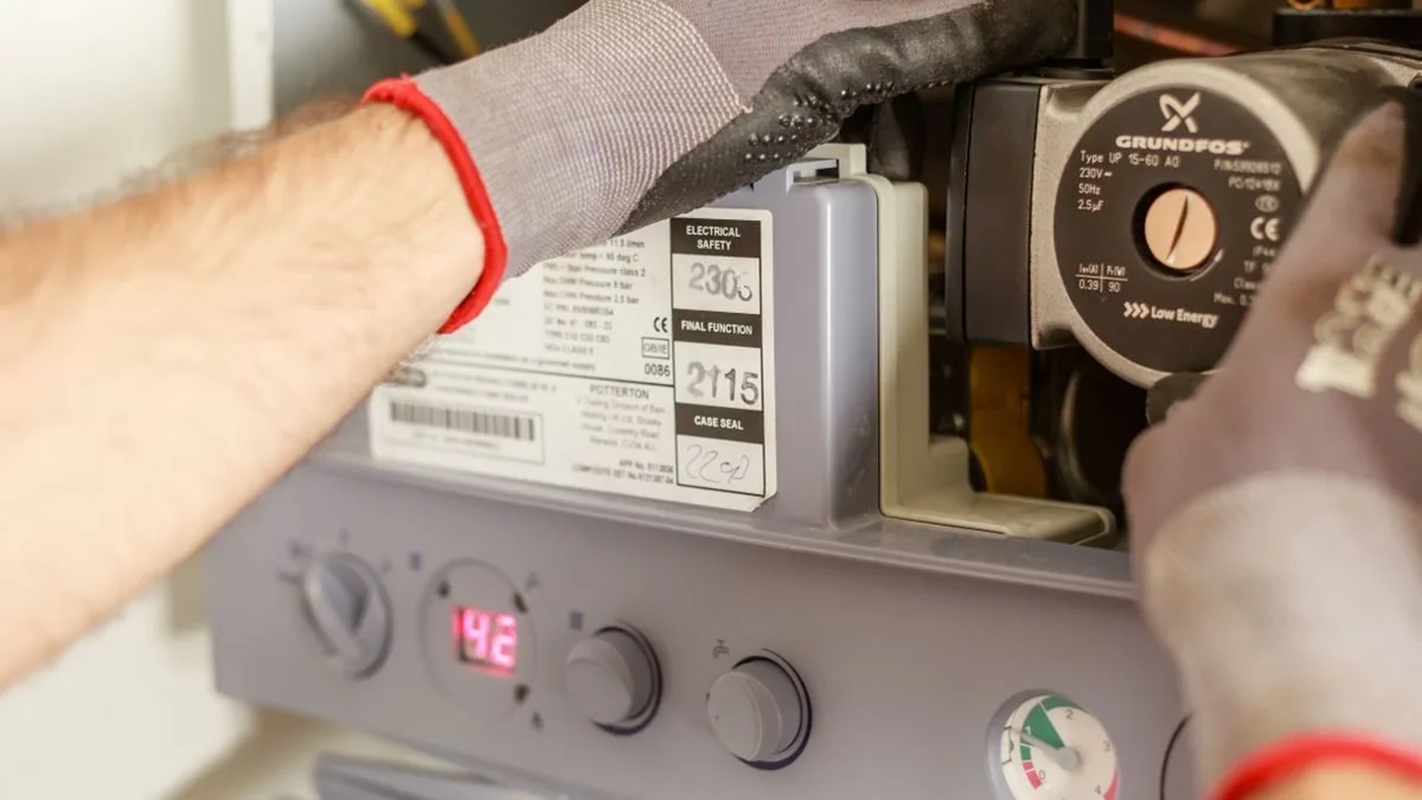
The introduction of an EU-wide directive giving hundreds of millions of consumers the right to seek the repair of household items, rather than being fobbed off by retailers and manufacturers and told they have no choice but to replace them, is welcome on environmental, financial and common sense grounds. It is not, however, the introduction of the repair directive that matters as much as how it will be implemented. This will determine whether it will make a tangible difference to the lives of people, or become little more than an aspiration that will become as useless as an overheated tumble dryer. The aim of the measure is to encourage longer product lifespans and reduce the need for premature replacement of goods, while tackling a growing EU waste mountain. Under the new rules, makers of products in certain categories will have to offer a repair service if their goods develop faults outside of the typical guarantee window and consumers will be able to request repairs at a reasonable price and in a reasonable time frame.It is not entirely clear what will be considered “reasonable” by those offering repairs and by those seeking them. And it remains to be seen what volume of products will still be deemed impossible to repair. Too many of the products we rely on, from our fridges and washing machines to our phones and televisions, are built by multinational corporations who take little pride in their work and are too often motivated less by giving their customers satisfaction than by enriching shareholders. Their main aim is to have products built at the cheapest possible cost, before being sold for the highest possible price. If they break down or fail sooner rather than later, that planned obsolescence forces people to buy again.Question marks also hang over who will carry out the repairs given the deficit of skilled tradespeople. A Government-backed platform listing repair specialist is certainly to be welcomed, but it will be of little use if those capable of carrying out the repairs simply cannot be found.
The Irish Times view on the right to repairs: fighting planned obsolescence
New EU rules are designed to offer a better deal to consumers, but implementation will be key
340 words~2 min read