Published August 30th, 2026 - 18:19 GMT
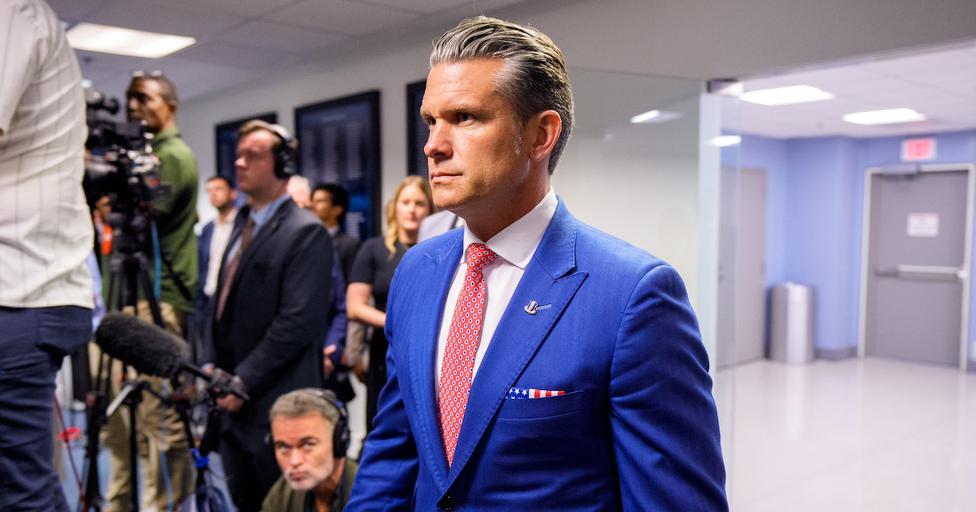
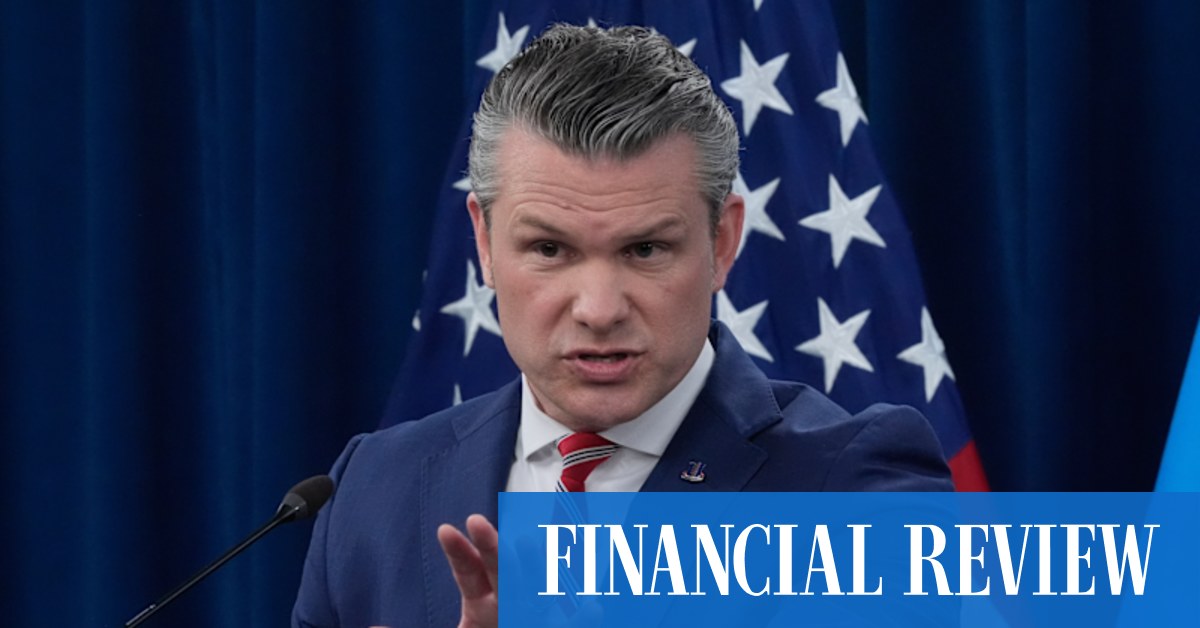
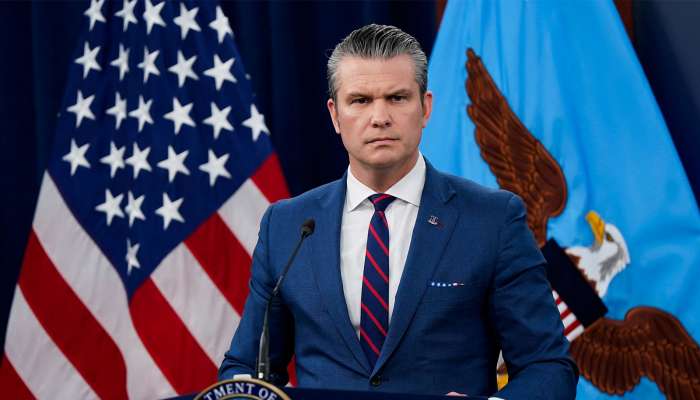
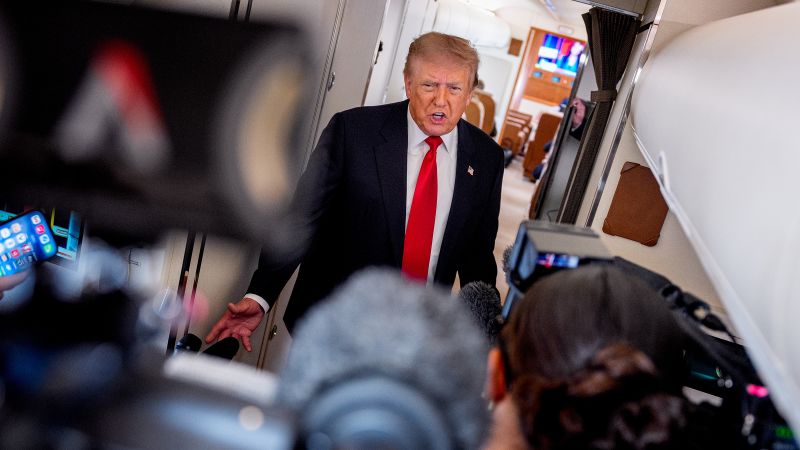
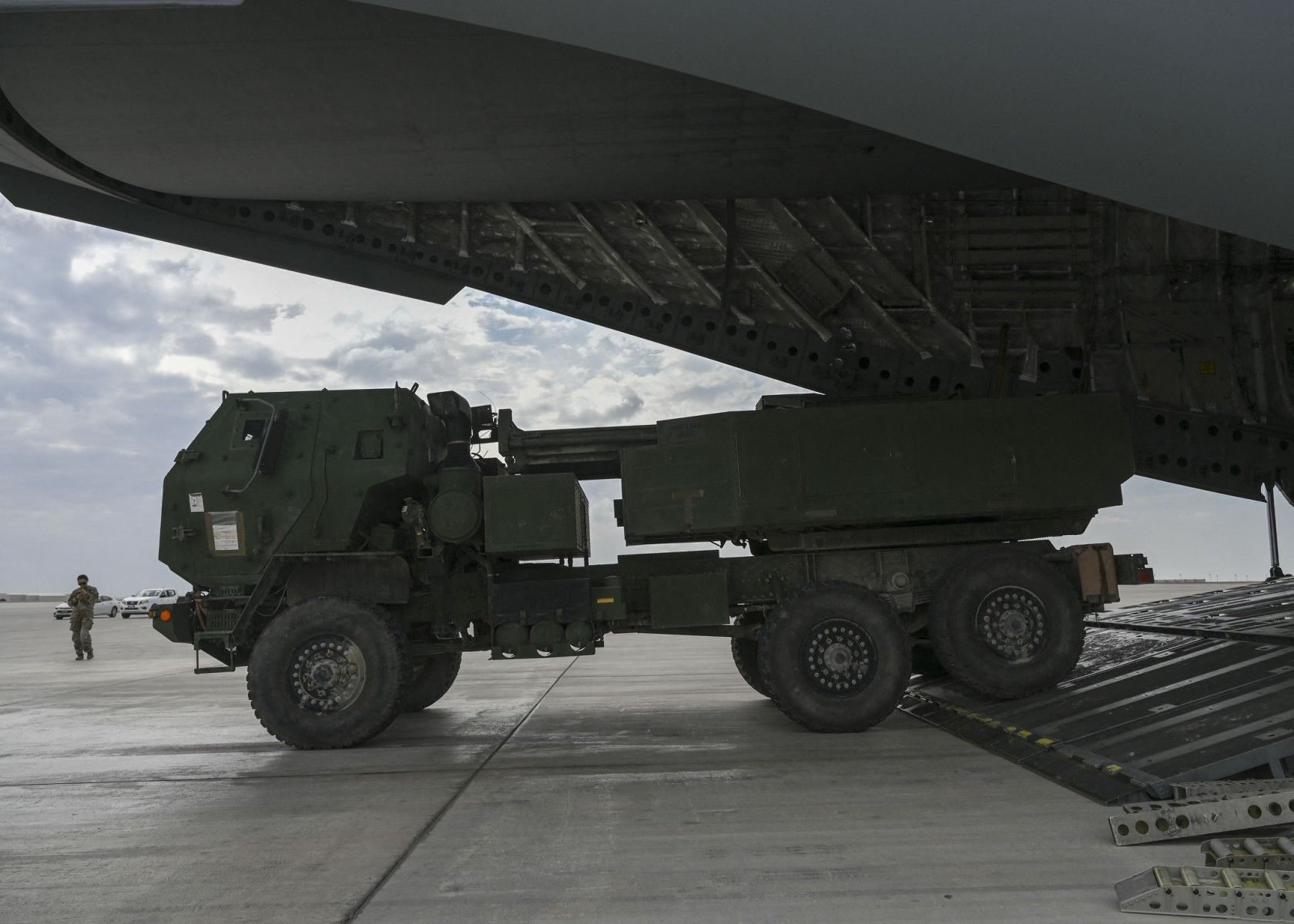
ALBAWABA - The months-long war with Iran is taking an increasing toll on the US military, with senior commanders warning that Washington’s heavy engagement in the Middle East is wearing away its capacity to respond to threats elsewhere—including at home.The Washington Post reports that top Army, Navy and Air Force commanders have warned Defense Secretary Pete Hegseth that continuing large-scale operations against Iran at the current pace is becoming “unsustainable.”The concerns were detailed in an Aug. 14 Pentagon assessment and went far beyond the Middle East. Commanders of U.S. forces in Europe, the Indo-Pacific and Latin America warned that the diversion of ships, aircraft, personnel and other military assets to the Iran conflict was impacting their own readiness.50,000 Troops on StandbyThe warning comes as US President Donald Trump continues to push Tehran to reopen the Strait of Hormuz and accept Washington’s conditions for ending the conflict.Meanwhile, US Central Command has reportedly kept more than 50,000 troops on standby for months in case of more strikes, with Trump insisting there is still the potential for more military action.Some forces are expected to stay deployed in the Middle East through September, and other deployments could reportedly last until 2027.But the growing military buildup is causing concern in the Pentagon.“The commanders of Europe, the Indo-Pacific and Latin America, along with the Navy’s top officer, have reportedly balked at parts of the deployment plans. 🇺🇸 The U.S. military is beginning to formally push back against the force demands of the Iran war.A classified Pentagon assessment obtained by The Washington Post reveals that several senior military leaders have warned Defense Secretary Pete Hegseth that sustaining the current… pic.twitter.com/Dg4K8Im7ZW— The Tectonic (@thetect0nic) August 30, 2026 ‘Too Much, for Too Long’As the Iran war enters its sixth month, military leaders are becoming concerned about the price Washington is paying elsewhere.Outside the Middle East, US commands are said to have been compelled to surrender ships, aircraft and equipment to support the operation, taking away from their capacity to carry out missions and adequately train their forces.Even Army and Air Force leaders who favored longer deployments warned the move carried big risks.The mood among the military leadership’s concerns is bluntly summed up by one person familiar with them: the Iran operation has become “too much, for too long.”Hegseth’s office, however, defended the Pentagon’s approach, saying decisions on where to deploy forces and for how long are based on current threats, President Trump’s strategic priorities and recommendations from America’s senior military leadership.The warnings underscore an emerging dilemma for Washington: how to maintain enough firepower to keep pressure on Iran without stretching America’s forces too thin elsewhere in a world that is becoming increasingly volatile.