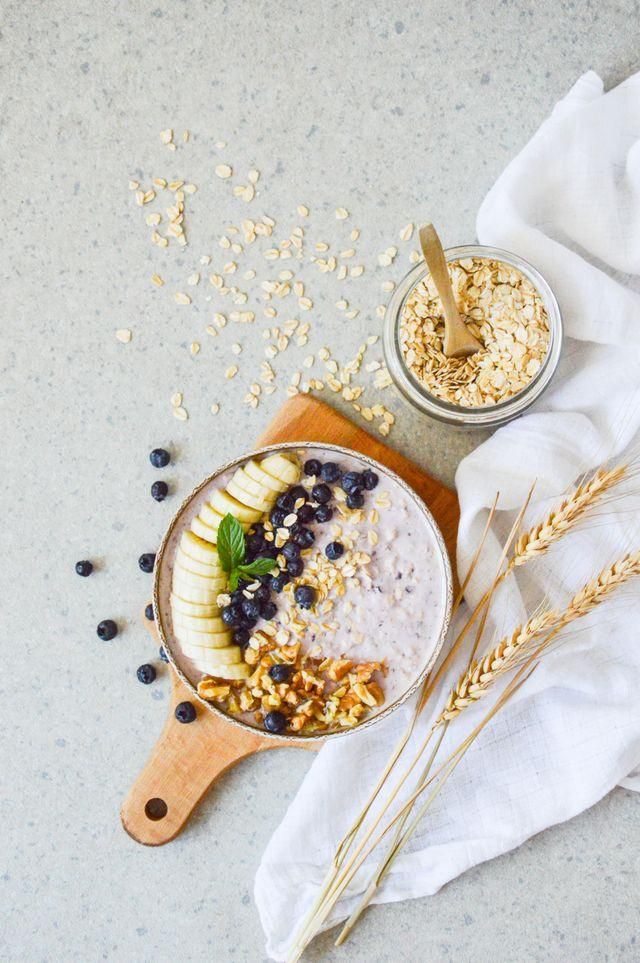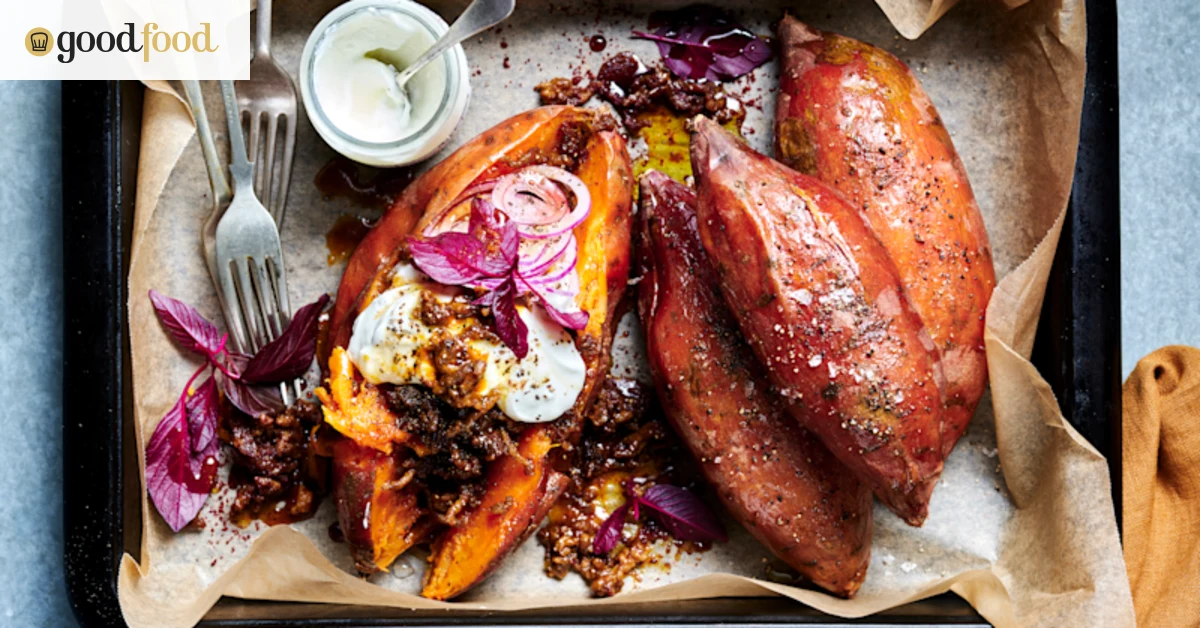
Meeting daily fibre targets is easier to do with these versatile and low-cost ingredients that can be found at almost any supermarket.Audrey BrunoAugust 31, 2026Dietary fibre is often praised for its positive effects on digestion, most notably helping prevent constipation, but it also provides a number of other surprising health benefits — such as lowering cholesterol and helping control blood sugar. Yet, despite trends such as fibremaxxing and a growing awareness of its importance, many people still aren’t meeting their fibre needs.Eat more canned beans in dishes like this tomato, bean and chicken tray bake.James MoffattThe fact that fibre comes from plants could be a limiting factor, said Whitney Linsenmeyer, an assistant professor and director of the Didactic Program in Dietetics at St Louis University. Studies show plants are notoriously undereaten, with accessibility — and perhaps more consequentially, cost — being key contributors.Fresh produce isn’t a prerequisite for adequate fibre consumption, though, said Wendy Lopez, a registered dietitian, diabetes educator and co-founder of Diabetes Digital. Neither is a large monetary investment. In fact, the foods that registered dietitians most frequently encourage their clients to lean on aren’t pricey nut butters, tropical fruits or fresh berries that get the most credit for their fibre content, but rather the unsung heroes of the shelf-stable aisles - as well as a couple of standout, budget produce picks.Here are the fibre-rich ingredients they recommend to help reach the recommended 25-30g daily fibre intake per day without busting the budget. Canned beans means cheap, nutritious meals.iStockThe best recipes from Australia's leading chefs straight to your inbox.Sign upCanned beansBeans offer one of the biggest returns on investment in regard to fibre. The fibre count of these legumes can climb up to almost 16 grams per one-cup serving depending on the variety. Uses for them are practically limitless, with their most famous applications covering everything from soups and stews to dips such as hummus, Lopez said.There are also many creative ways to sneak them into dishes where they might not normally appear. Lindsay Malone, a registered dietitian and instructor at Case Western Reserve University in Cleveland, said some of the easiest, stealthy tricks include adding them to recipes that call for ground meat. “You don’t even have to replace all of your meat but let’s say you’re making tacos: use half meat, half beans,” she said.Dried lentilsThe lentil is another fibre-rich food that’s easy to slip into and boost the fibre count of traditionally meat-based meals without drawing undue attention, Malone said. What’s more, lentils may be easier to digest than most beans, thanks to their thinner skins and lower amounts of fermentable carbohydrates, which may cause bloating and gas in large amounts.What’s really special about lentils is just how inexpensive they are. “If you’re buying the dried version versus the canned version, those will be a few cents per serving,” Linsenmeyer said. A typical 1kg bar of lentils carries around 20 servings, so it can contribute meaningfully to fibre intake for weeks.Oat bran is an inexpensive way to get more fibre in your diet.Getty ImagesOat branOatmeal is widely considered to be one of the most inexpensive, fibre-rich foods, and while that’s largely true, there’s an important caveat: instant oats, the type many to choose for convenience, don’t offer as much as slower-cooking, whole grain varieties, Malone said.Malone recommends choosing oat bran — the fibrous part of oats, found in the same supermarket aisle — because it retains some of the fibre content that instant oats lose during processing. Its creamy texture makes it the perfect option for hot cereal, and you can combine it with the same toppings you’d use on other kinds of oats, such as berries, seeds and nut butters.Additionally, you can add oat bran to baked goods, to boost fibre content without drastically altering taste.Chia pots with fresh fruit: fibre central.William Meppem Styling: Hannah MeppemChia seedsChia seeds require more of an up-front investment than some of the other items on this list, but the fibre offerings per serving are impressive all the same, said Linsenmeyer.Beyond the cost, Malone is a chia seed advocate because of its versatile taste and texture and how well the ingredient regulates bowel movements. She warns that consuming the seeds with a liquid is important to avoid unintended consequences such as constipation, as they can absorb up to 15 times their weight in water. But because many popular recipes prioritise soaking or blending them — such as chia pots or smoothies — that doesn’t tend to be too much of an issue.Popcorn is a good source of fibre.iStockPopcornA surefire way to ensure your daily fibre needs are met is to keep fibre-rich snacks on hand to fill in the gaps, Lopez said. Popcorn is a solid choice because it’s low in cost, long-lasting, infinitely customisable and generally a healthy choice, provided you’re limiting intake of microwave options with excess sodium and saturated fats.Apples When it comes to fresh produce that’s rich in fibre and cheap to boot, apples can’t be beat, Linsenmeyer said. This fruit has both types of fibre — the flesh is soluble and the skin insoluble — and contains roughly five grams of fibre on average.Plus, the fact that apples are transportable and relatively long-lasting when compared with other fresh fruits makes them an especially good option for high-fibre snacking throughout the day.Sweet potatoes have more fibre than white potatoes.James MoffattSweet PotatoesThese bright orange spuds have an extended shelf life and a solid amount of fibre without the high price tag, Malone says. Her tip is to keep the skin on for an added gram or two of the nutrient. Using it as a base for an already fibre-rich dish, such as chili or a lentil-based stew, is a tried-and-true technique for ensuring a lunch or dinner hits that 10-gram-per-meal recommendation.A few of our favourite recipes to try: skillet sweet potatoes with brown butter and sage, a sweet potato and ground beef chili and this creamy sweet potato and mushroom gratin.How to start eating more fibreWhile fibre is a non negotiable for regular and consistent bowel movements, adding too much to your diet too quickly can backfire, said Malone. “The analogy that I give my patients is that if the conveyor belt is not moving, putting more boxes on the conveyor belt is not going to help our situation,” she said. She recommends aiming to include 10 grams of fibre in each meal but suggests starting with about half of that if you don’t already have a habit of eating very much.Another option is to introduce one new fibre-rich food into your dining routine every couple days, Linsenmeyer said. That way, “you’re basically giving your intestines time to adapt to that significantly larger bulk that it’s not used to,” she explained.However you choose to go about increasing your fibre intake, staying hydrated throughout the process is one point all of our sources could get behind. “We need the conveyor belt to be moving for everything to work, and that requires adequate hydration,” Malone said.Washington PostFrom our partners
Seven inexpensive sources of fibre to add to your grocery list
Meeting daily fibre targets is easier to do with these versatile and low-cost ingredients that can be found at almost any supermarket.
1,171 words~5 min read