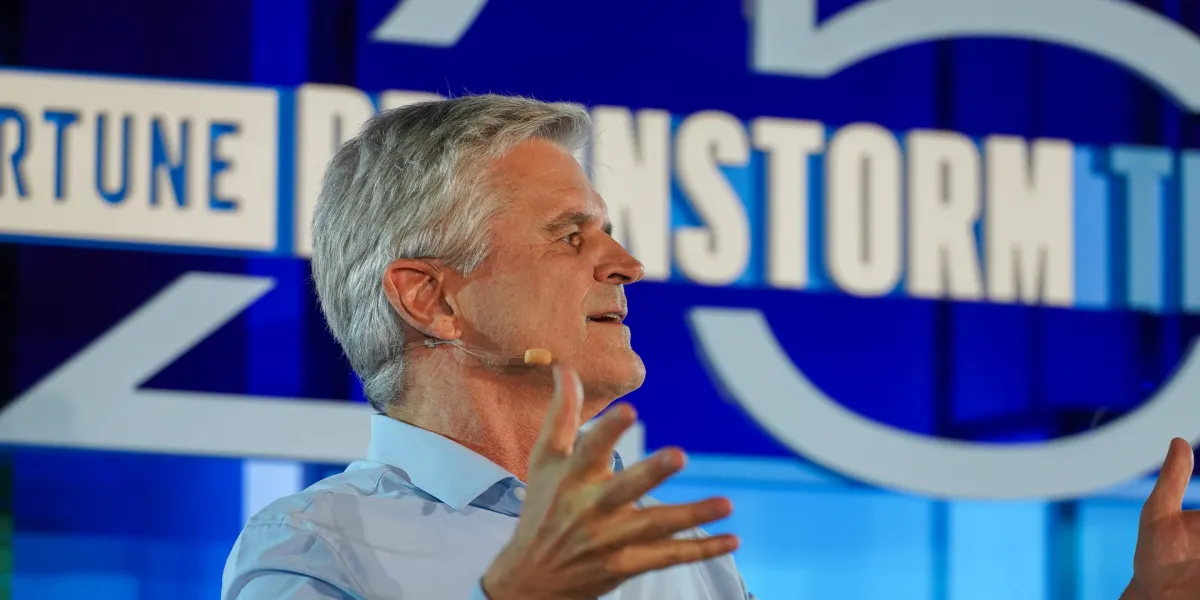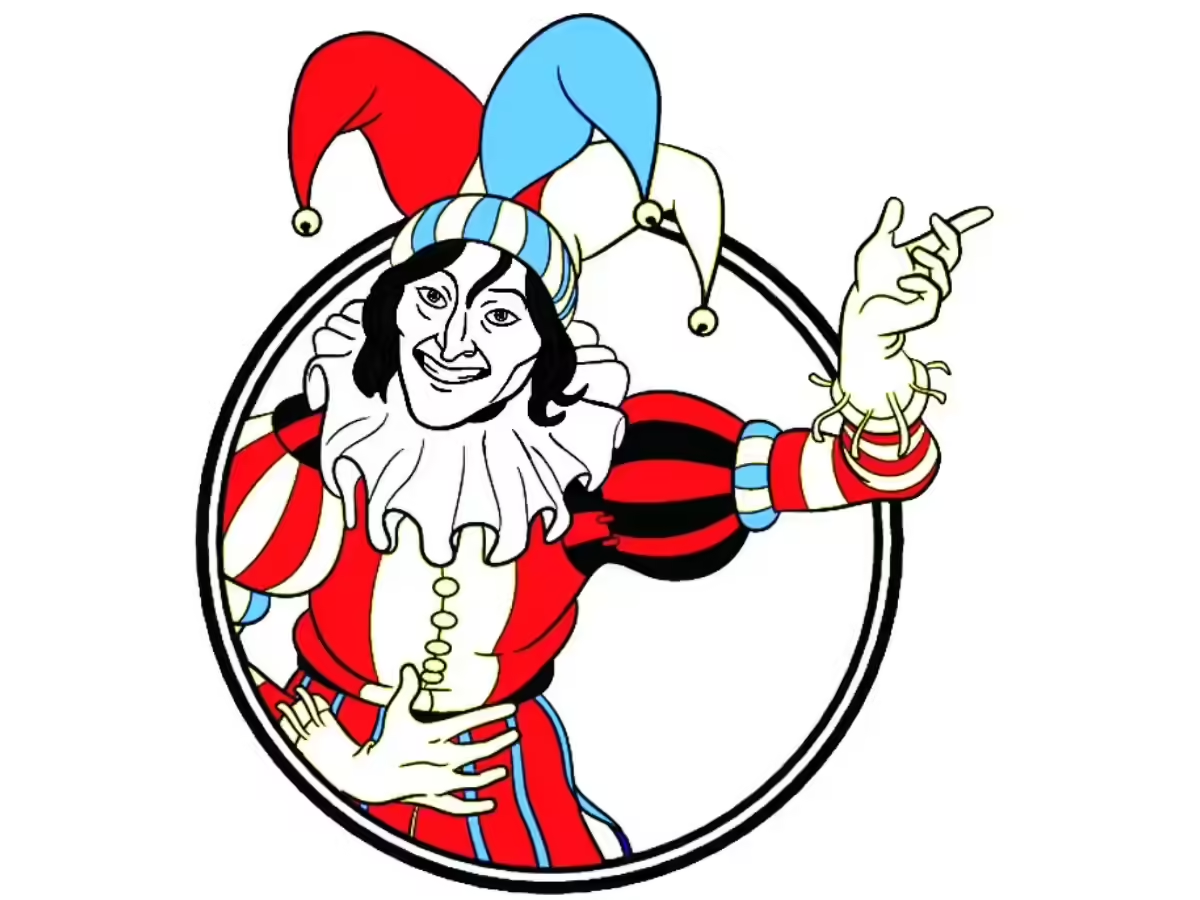
SynopsisModern tech tycoons now emphasize their ostentatious public identities rather than the products they create. This transformation is fueled by attention economics, compelling them to engage in provocative acts as marketing ploys. Workers are treated more like devoted followers than employees, often expected to sacrifice their personal well-being. Consequently, the innovative spirit that previously drove the industry is frequently eclipsed by a focus on sensationalism.Tech billionaires are getting wilder, more abrasive, more outrageousRunaway eccentricity has been a new currency for a while. Once upon a time, Jobs and Gates could be taken seriously by virtue of their ideas, their products and their ability to make beige boxes desirable. Today, the tech billionaire must be brash, outlandish, and if they're perceived as downright nasty, that's taken to be a sign of 'genius', next in line for a Walter Isaacson biography.The archetype is clear. The innovator is no longer the mad scientist in a garage, but a showman on stage, treating individuals as servers for 'a greater cause'. Employees are not colleagues but cult acolytes, expected to sacrifice weekends and sanity for the promise of disruption and payment in fava beans stocks. After all, visions of Mars colonies, AI utopias and immortality pills are so much cooler than spreadsheets and circuit boards. This is not accidental. In an age of attention economics, flamboyance is the business model, outrage is marketing, outlandish social media chuck-ups are shareholder updates.To be taken seriously, one must be taken loudly. The tech billionaire's persona is the product; the tech's the packaging. In Silicon Valley, seriousness is measured not in patents, but in provocation. If you're not brash, or even absurd, you may as well be invisible. Unless, of course, you're a techie still fostering process knowledge in China. ...moreElevate your knowledge and leadership skills at a cost cheaper than your daily tea.Subscribe Now
To be tech-en seriously, be loud - The Economic Times
Modern tech tycoons now emphasize their ostentatious public identities rather than the products they create. This transformation is fueled by attention economics, compelling them to engage in provocative acts as marketing ploys. Workers are treated more like devoted followers than employees, often expected to sacrifice their personal well-being. Consequently, the innovative spirit that previously drove the industry is frequently eclipsed by a focus on sensationalism.
306 words~1 min read