There is a certain wildness in the tech industry these days that both mimics previous eras of large changes, like cloud computing (runaway costs in the early days), and is like nothing we’ve ever seen before (record revenues accompanied by mass layoffs).
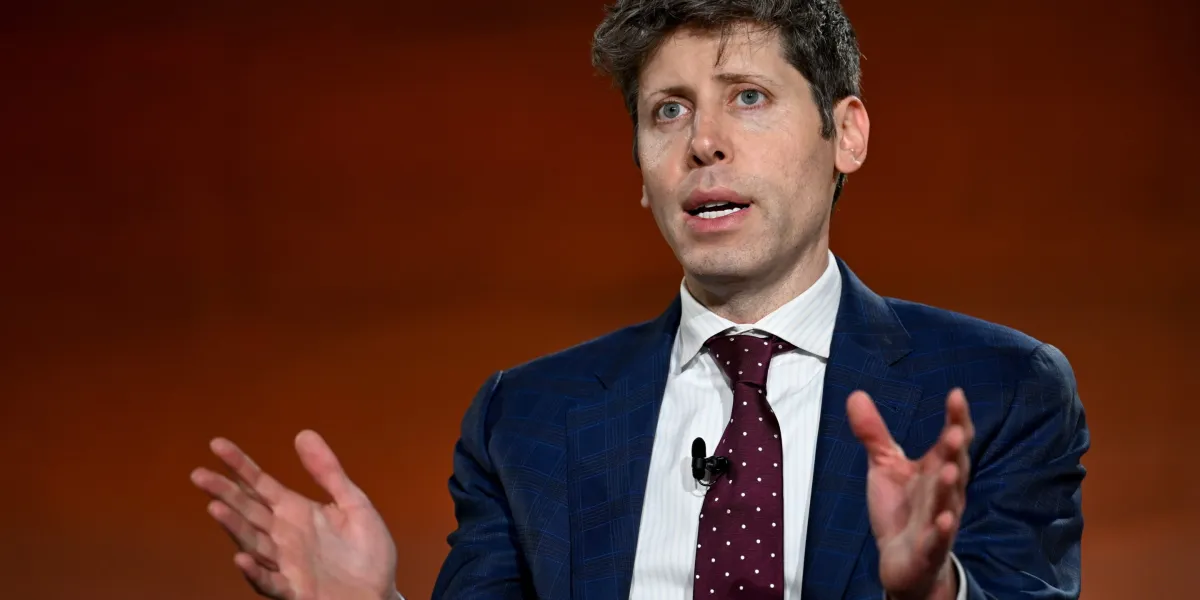
A theory doing the rounds attempts to explain the phenomenon: Tech executives, especially CEOs, are collectively suffering from delusions of grandeur thanks to AI. And at least one tech CEO has said so out loud: Box founder Aaron Levie.
“CEOs are uniquely prone to AI psychosis because they’re sufficiently distant from the last mile of work that still has to happen to generate most value with AI,” Levie wrote on X.
CEOs “play with AI,” develop a prototype, or generate a contract, to use Levie’s examples, and then make the leap to believing agents can do the work.
But these top-level executives aren’t the people who have to review code, discover bugs, and identify calls to hallucinated libraries before software is deployed. They aren’t responsible for training AI models on a company’s idiosyncratic contract terms, nor do they have to spend days combing through contracts to find sneaky terms, as Levie indicates.