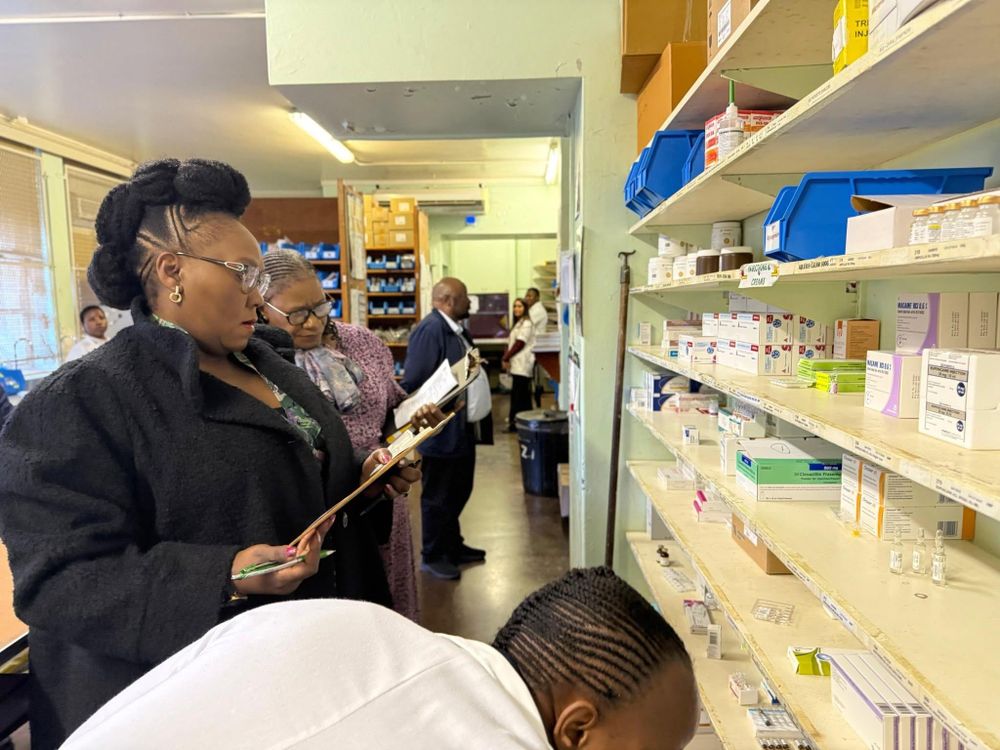
KZN health officials are managing global medicine supply pressures by sourcing alternatives and sharing stock to ensure continued patient care.
The KwaZulu-Natal Department of Health is actively managing medication supply challenges resulting from global supply-chain pressures. Despite these logistical pressures, the department has emphasised that patient care remains the priority.
In July, the KZN department reported that it had supply issues with epilepsy medication (Phenobarbital), tuberculosis (Rifampicin), and contraceptive pills. In the same month, the Gauteng Department of Health squashed claims that Charlotte Maxeke Johannesburg Academic Hospital patients were being denied essential medicines due to shortages.
The department acknowledged that challenges exist within the public healthcare system; these are continuously managed through established clinical and supply chain processes to ensure continuity of patient care.
In a parliamentary response in June, Health Minister Dr Aaron Motsoaledi said that antibiotics (Ciprofloxacin, Flucytosine, Fosfomycin and Mebendazole), tuberculosis (Rifampicin-containing products), oncology products (Bleomycin, Carboplatin, Docetaxel, and Filgrastim), insulin, and selected paediatric antiretroviral medicines (Nevirapine and Lamivudine) are frequently affected by stock disruptions.