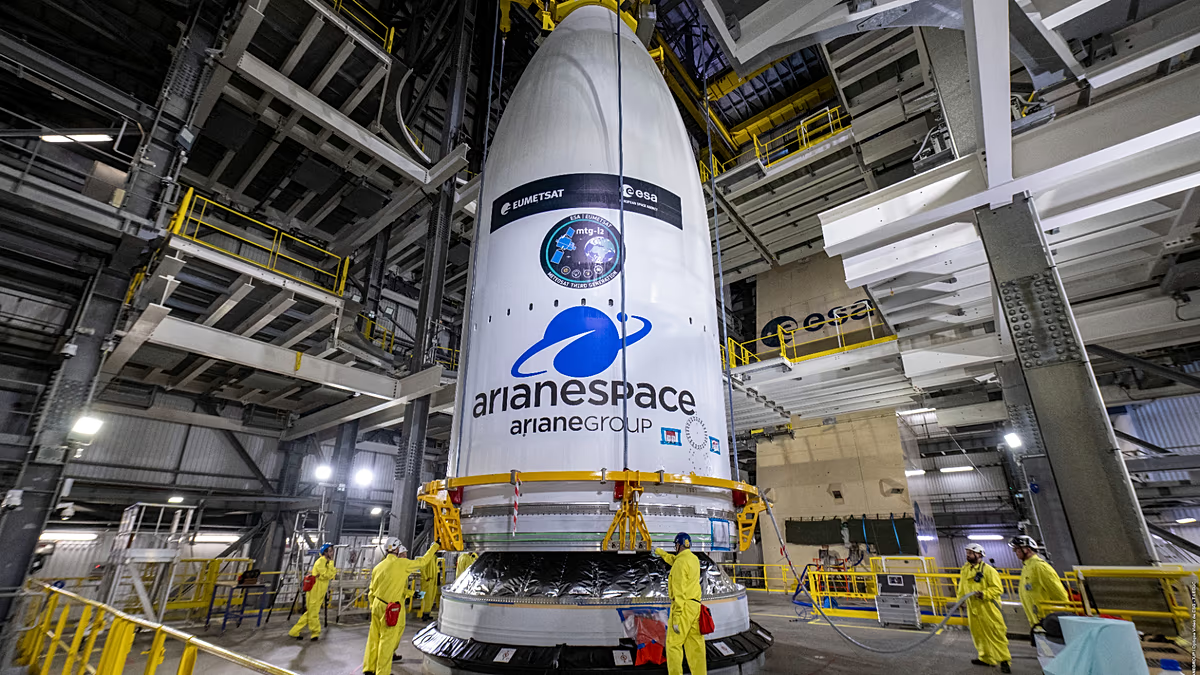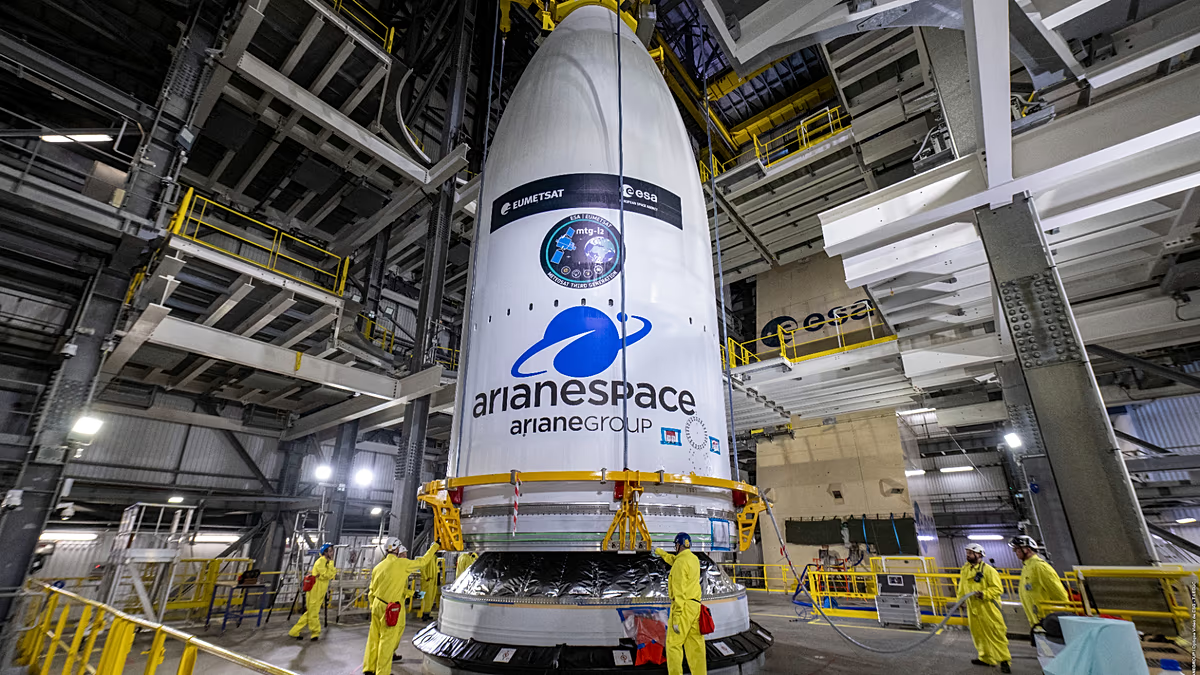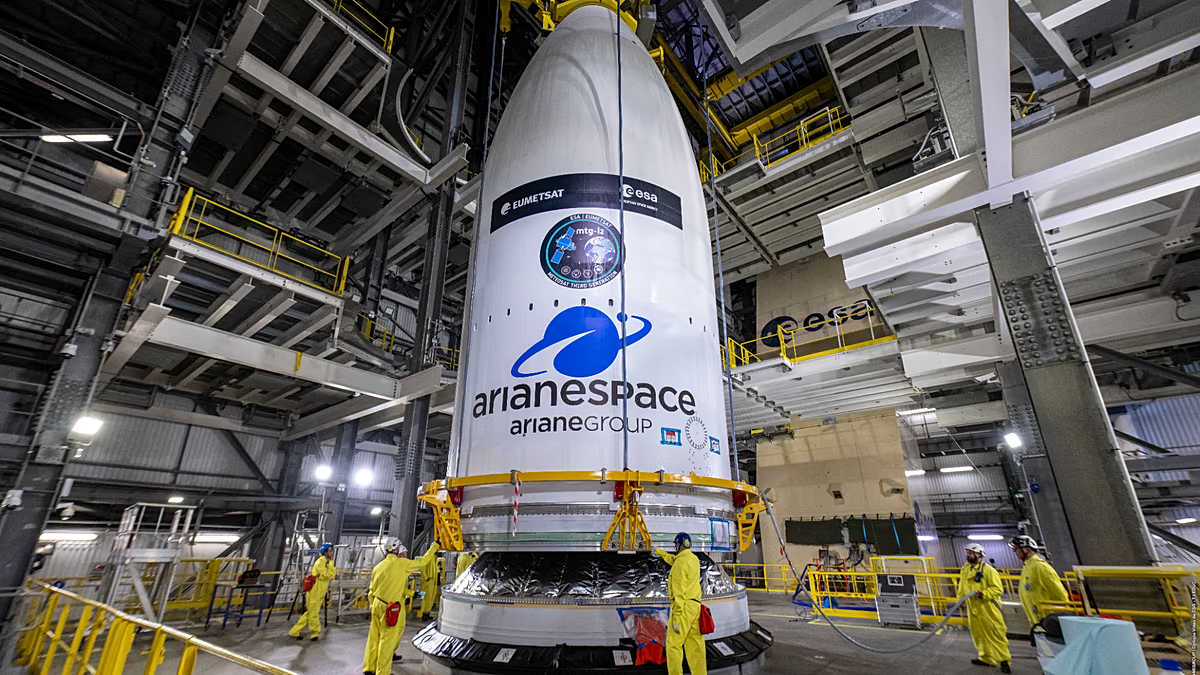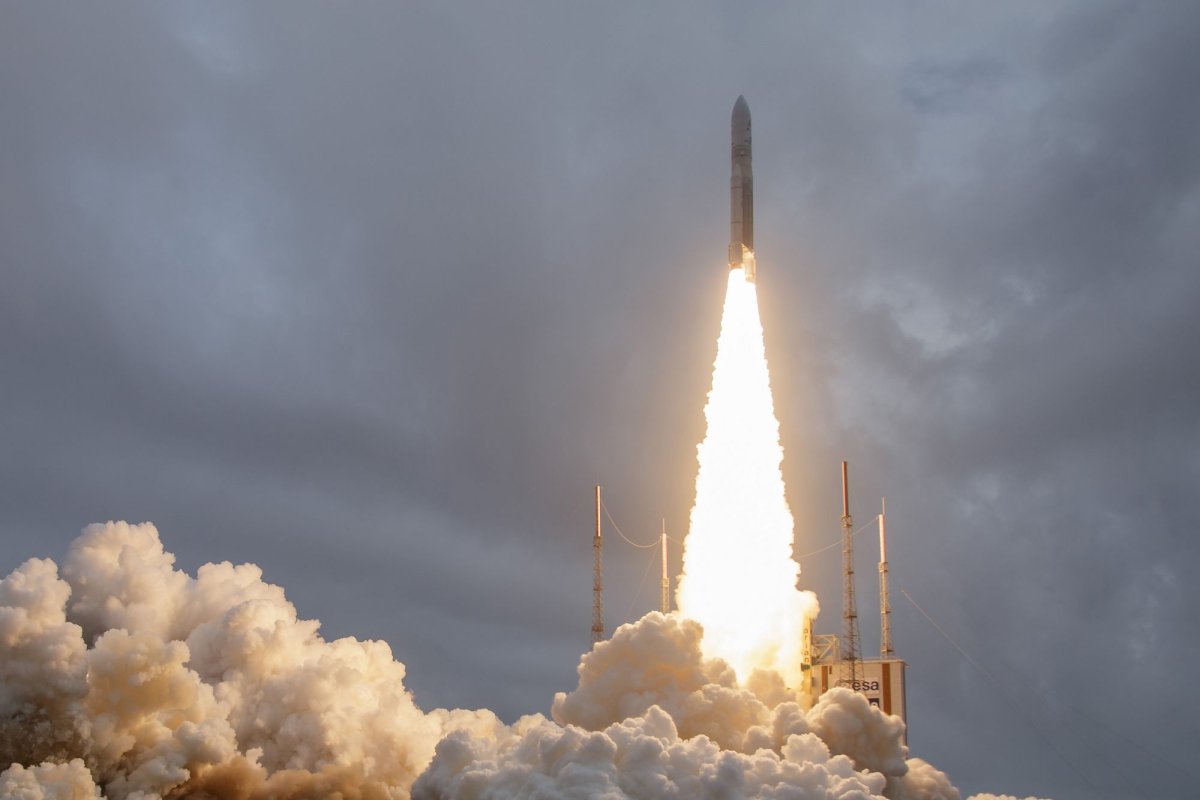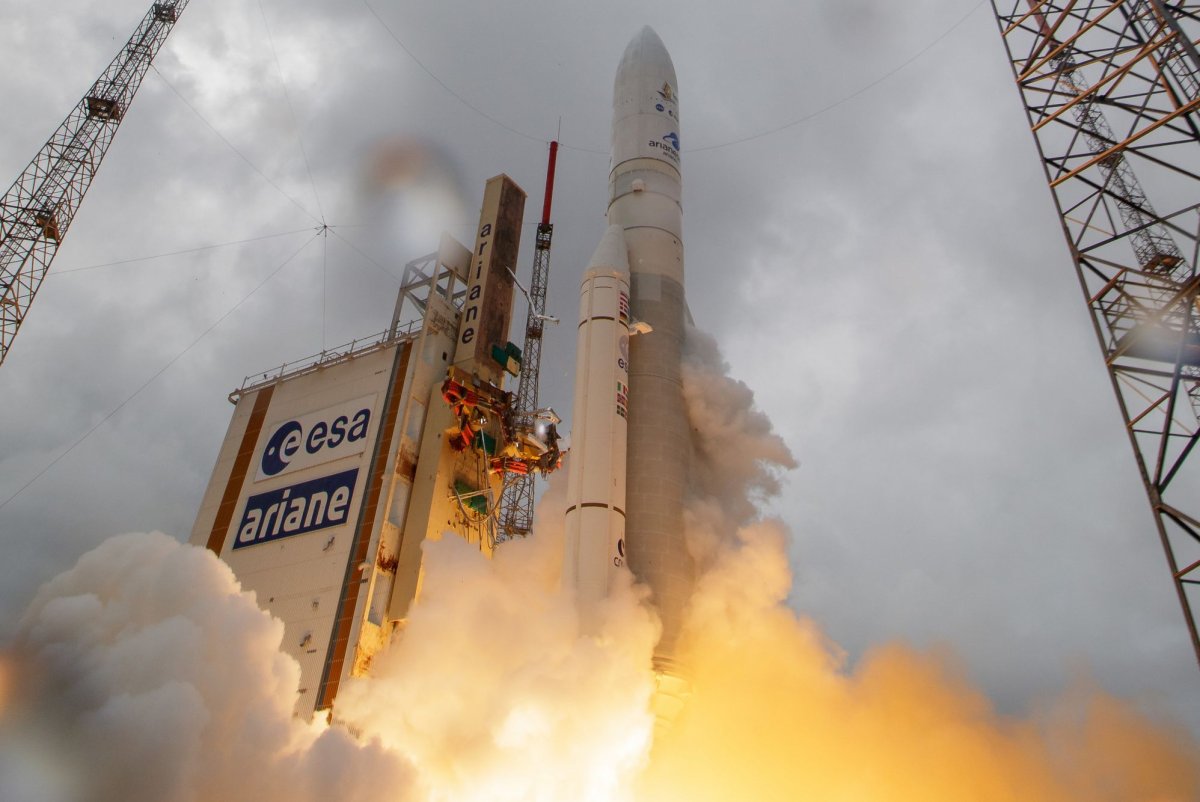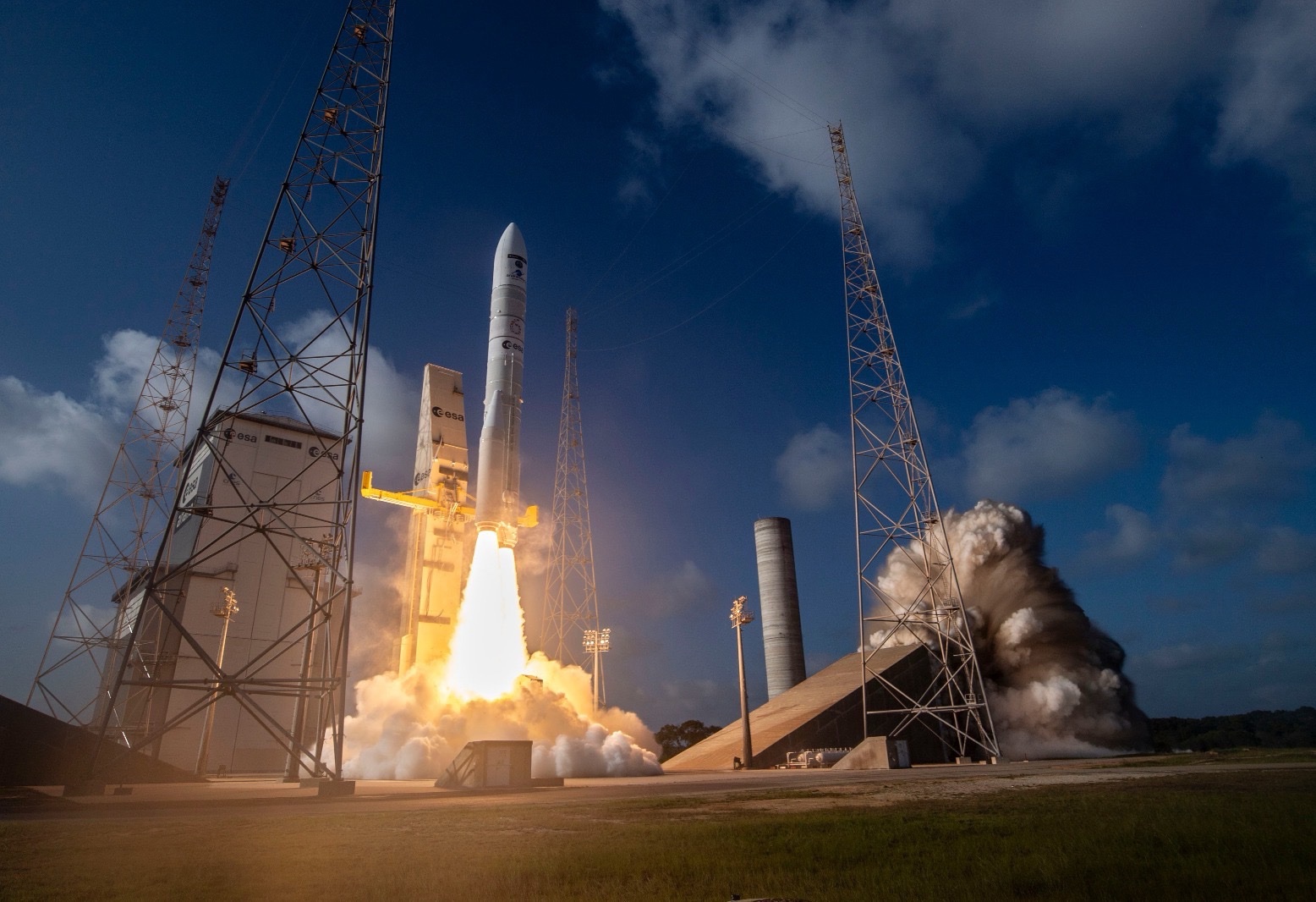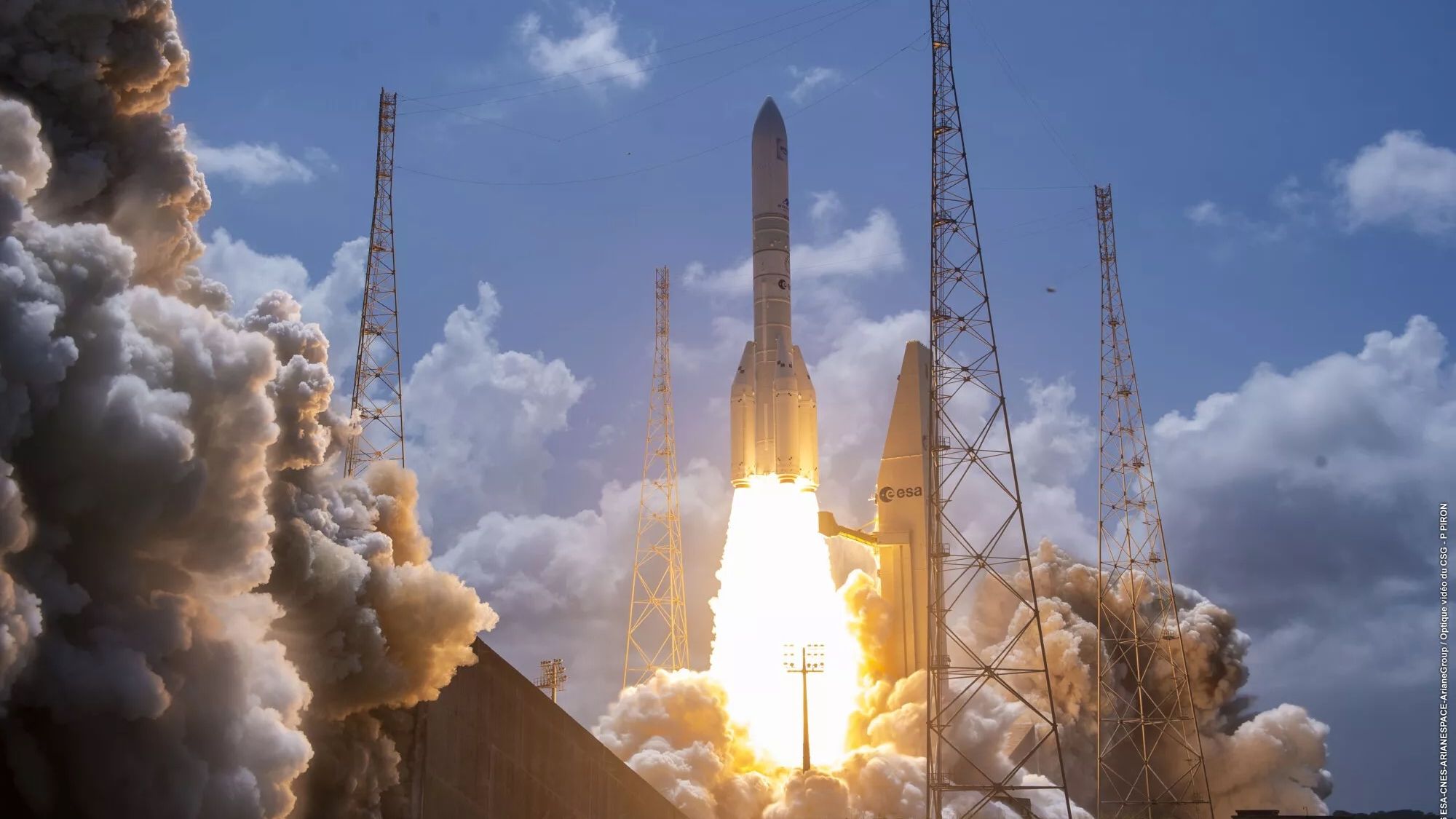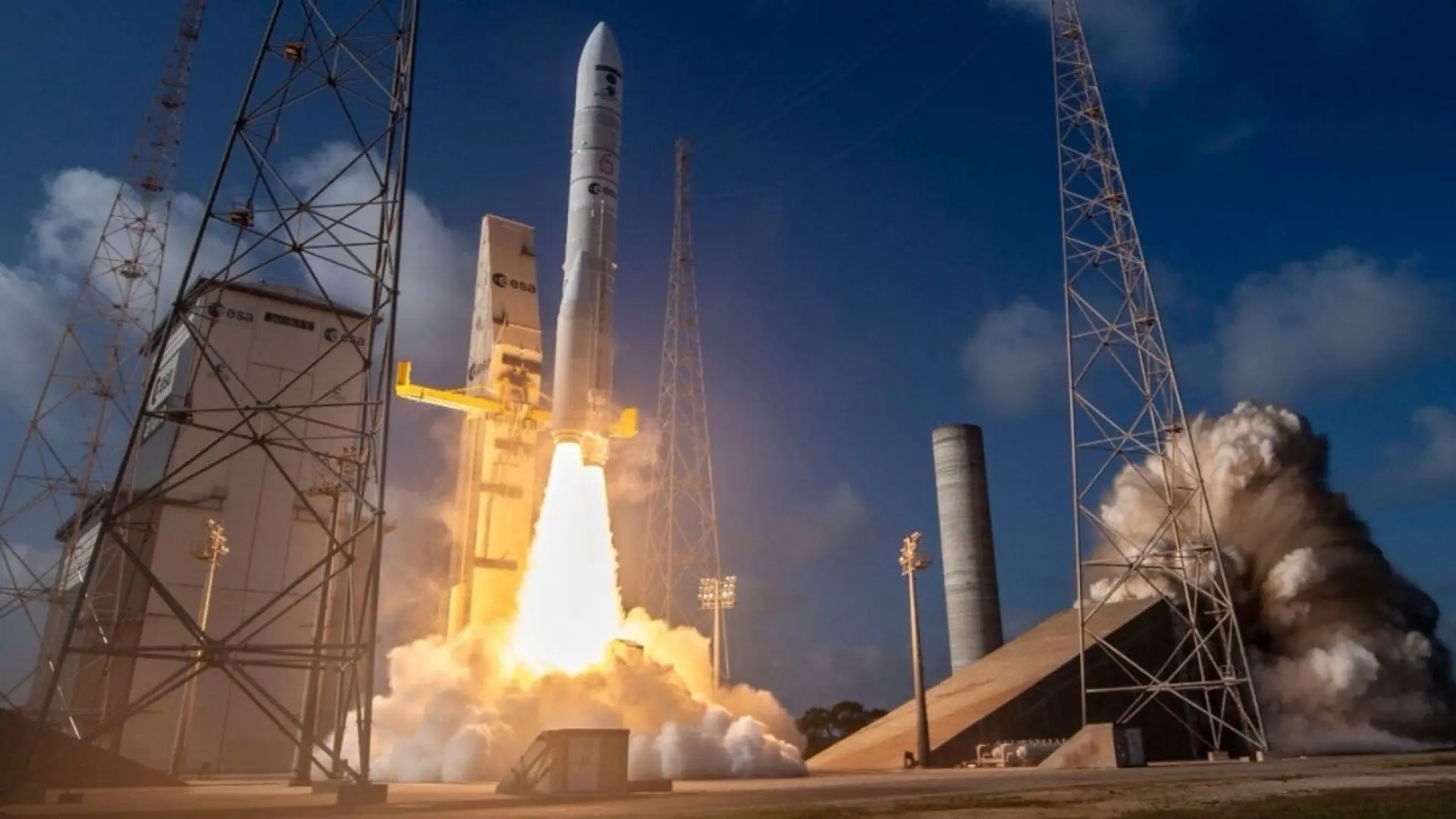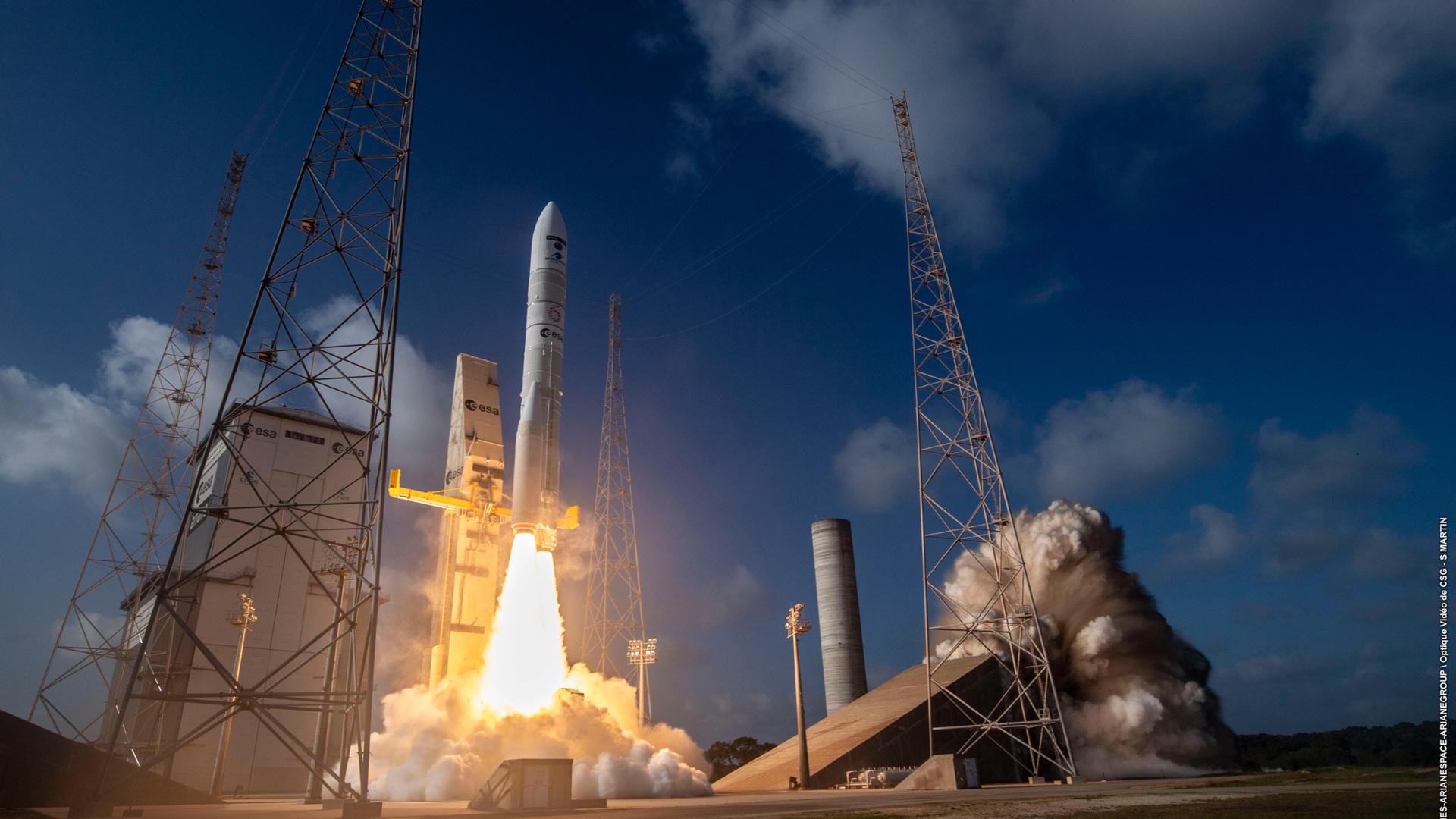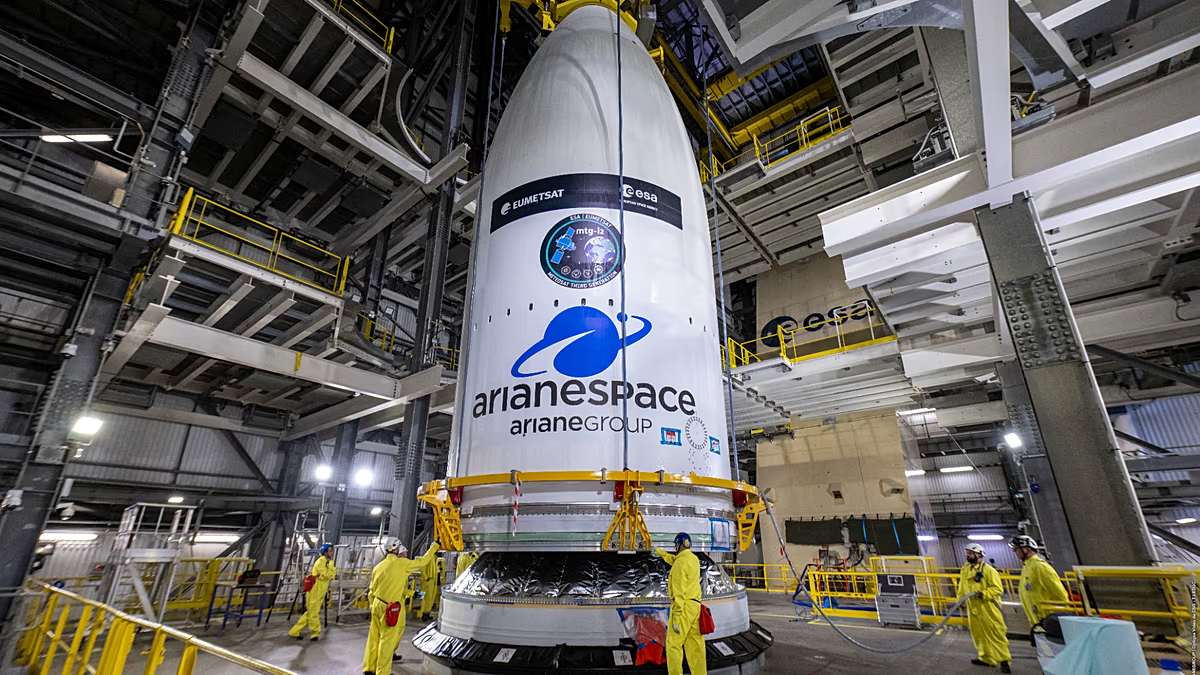
After two flights and more than 7,000 kilometres from Paris, we have witnessed first-hand a launch that has put Europe at the forefront of global space technology: the placing in orbit of a state-of-the-art satellite that speeds up mapping of the Earth’s surface to monitor disasters and help prevent floods and fires from continuing to devastate countries across the Old Continent.
The heart of the Ariane 6 launch system is not on the pad, but in a windowless control room several kilometres away. That is where we are received by the deputy launch director, Frédéric, whose surname we are withholding to protect him from cyberattacks, and several engineers who walk us through the details of the milestone. The rocket that is about to place the new European weather satellite in orbit was built on a very specific premise: to be cheaper and more versatile than its predecessor, Ariane 5, in a far more competitive international environment than a decade ago.
The launcher: a rocket designed not to waste time in Kourou
The key, the engineers explain, lies in where each task is carried out. The Ariane 6 core stage is manufactured and fully tested in France; the upper stage in Germany. Both arrive in Guiana already "ready to fly", with no need for any further functional tests once they are unloaded from the Canopée. Transport is handled by the dedicated cargo ship Canopée, the same one with the large sails that made the shipping line famous, which also picks up parts in Bordeaux and Rotterdam before completing the route to South America.