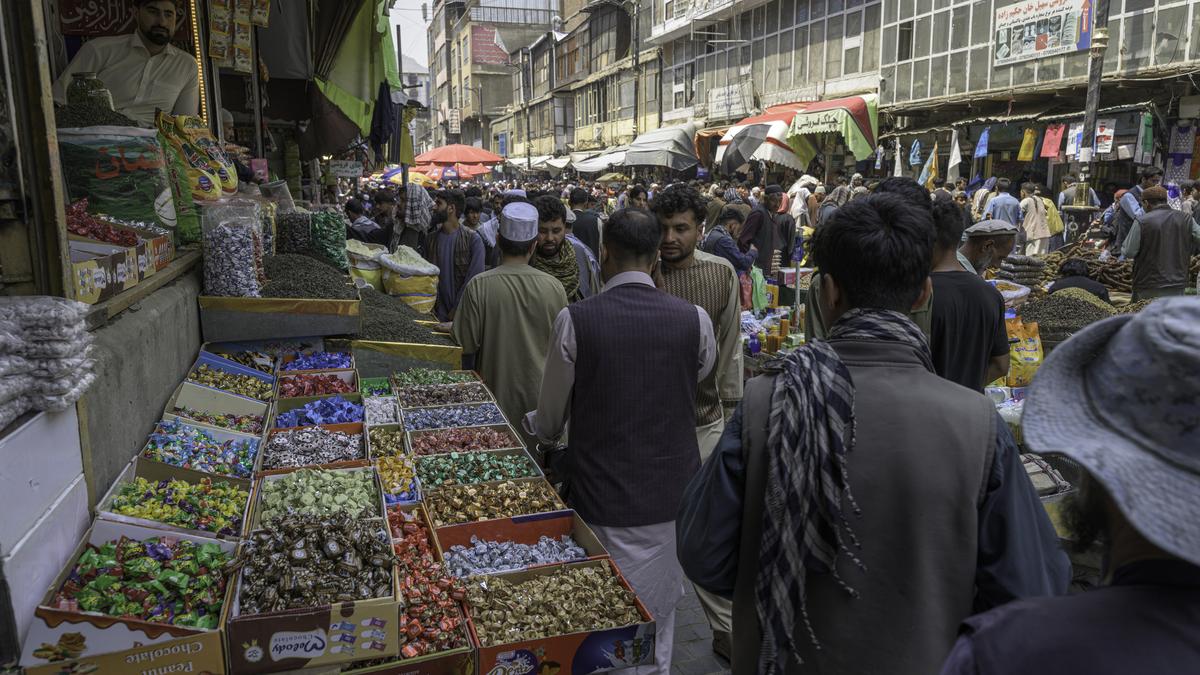
A crowded market street in Kabul.
| Photo Credit: Getty Images
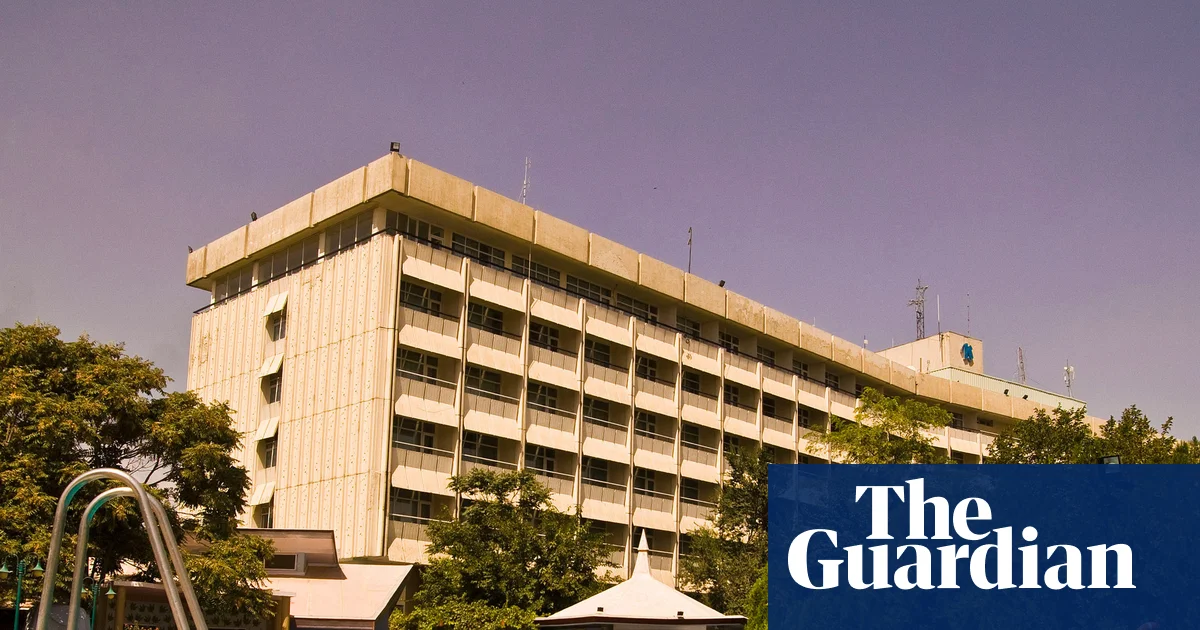
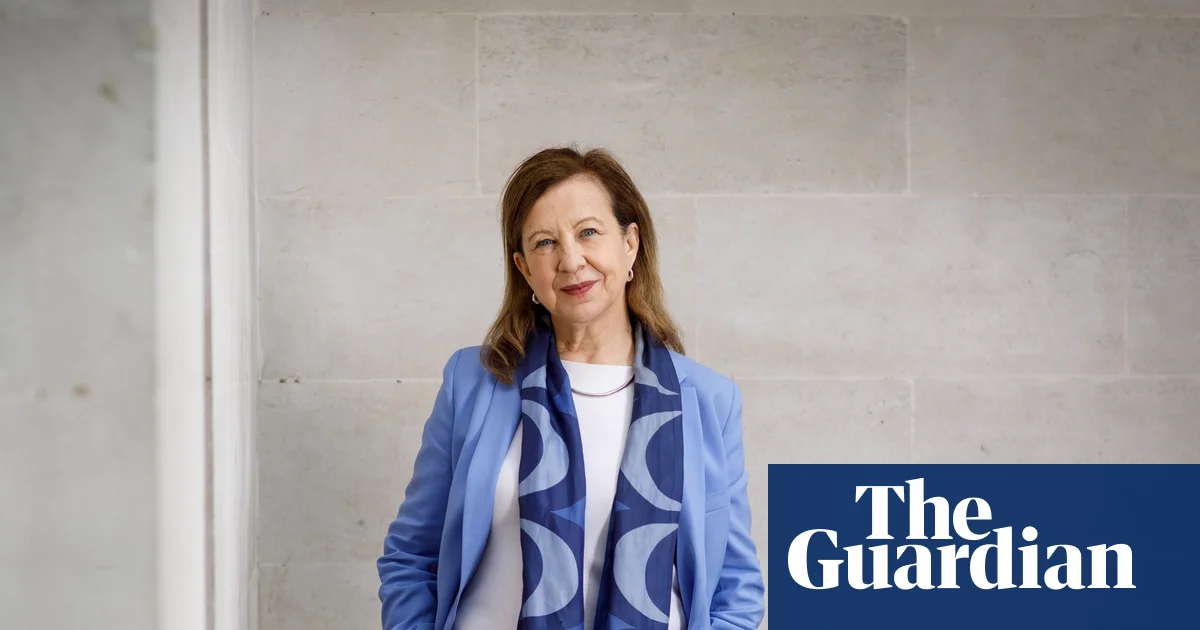
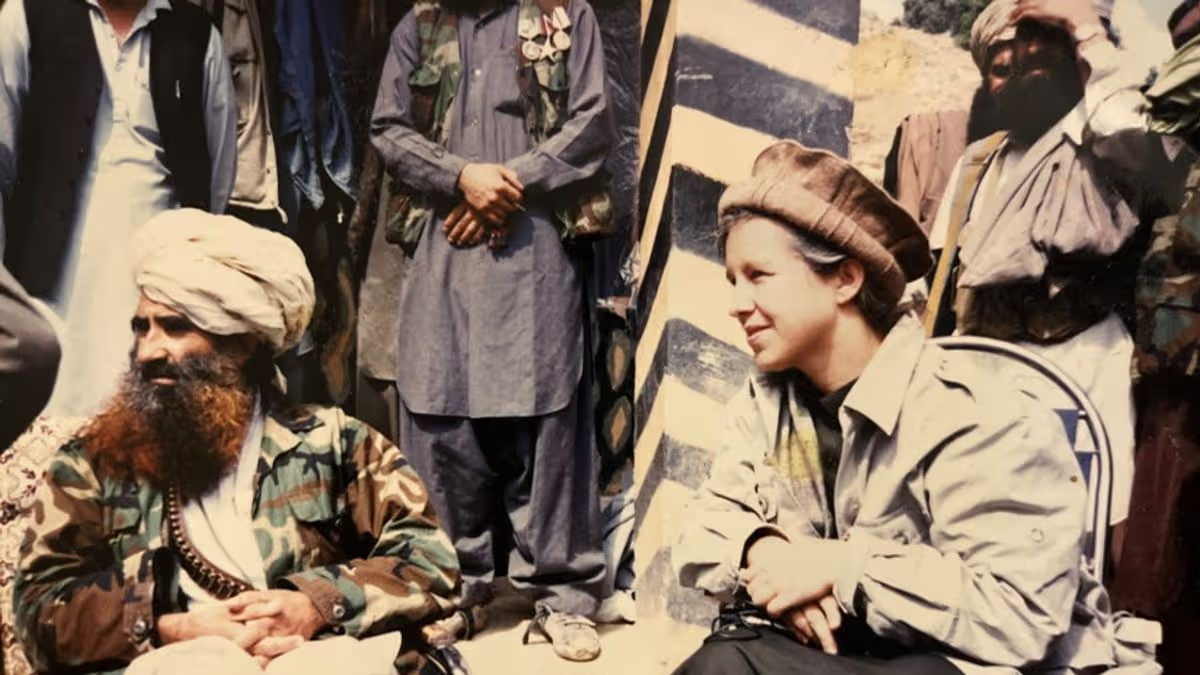
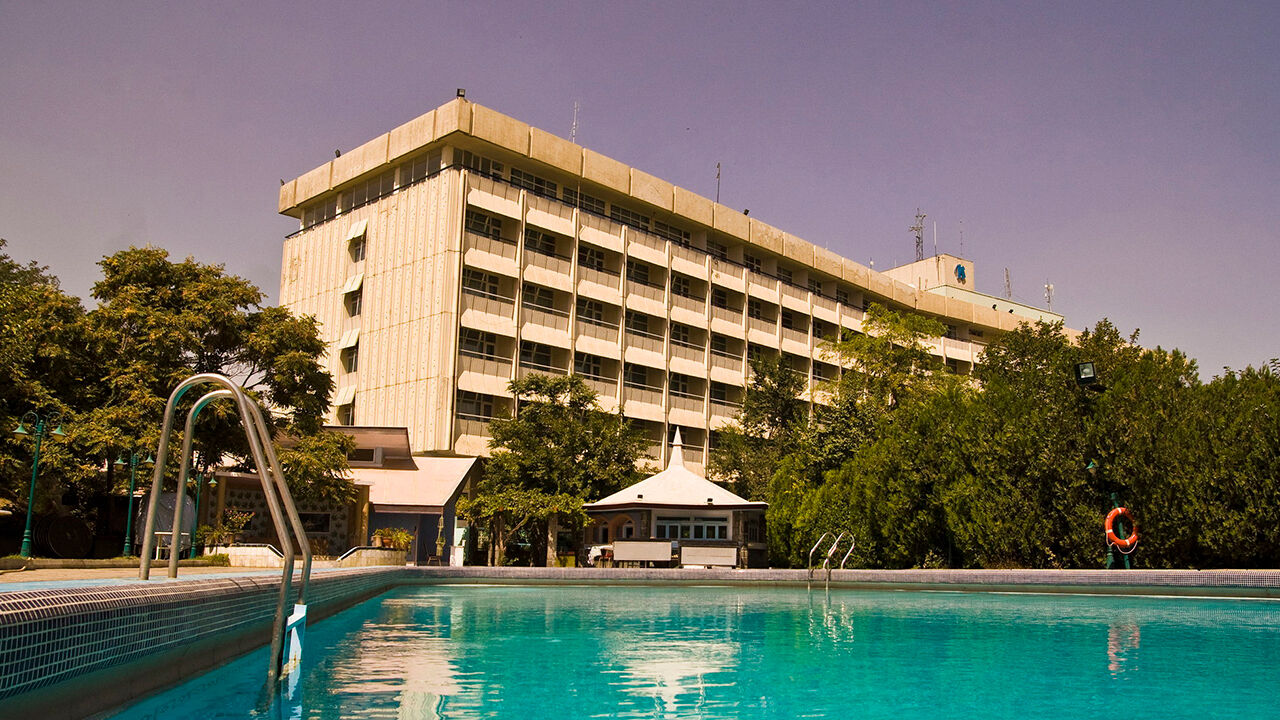
Lyse Doucet checked into Inter-Continental Kabul for the first time after she landed in the city on Christmas day in 1988. As a BBC journalist who was there to report on the withdrawal of Soviet troops from the country, she had no idea how long she would be there. She ended up staying close to a year, and was a guest there many times in the years that followed. In The Finest Hotel in Kabul: A People’s History of Afghanistan, which won the Women’s Prize for Non-Fiction, Doucet returns to the Inter-Continental, popularly known as the Inter-Con, and uses the story of the hotel and its staff to narrate the history of a war-torn, yet resilient nation.Golden yearsThe hotel opened in Kabul in 1969 when Zahir Shah was still the king. It was a sophisticated hotel in a city known as ‘the Paris of the East’ and was a symbol of the country’s attempts to modernise itself and move with the times. During its heyday, Inter-Con was an emblem of luxury, of a lifestyle that most people of the country could not even dream of. With its fashion shows, music concerts, lavish parties, and finest food and drinks, it was far removed from the everyday realities of the nation.However, the golden years of the hotel were short-lived. Only a few years into Inter-Con’s existence, Afghanistan was pushed into a state of political uncertainty beginning with a coup against Zahir Shah. What followed was a period of political instability, as leaders came and went — or were killed — like people moving through revolving doors.