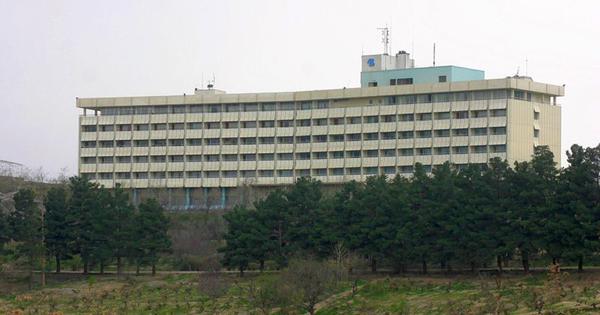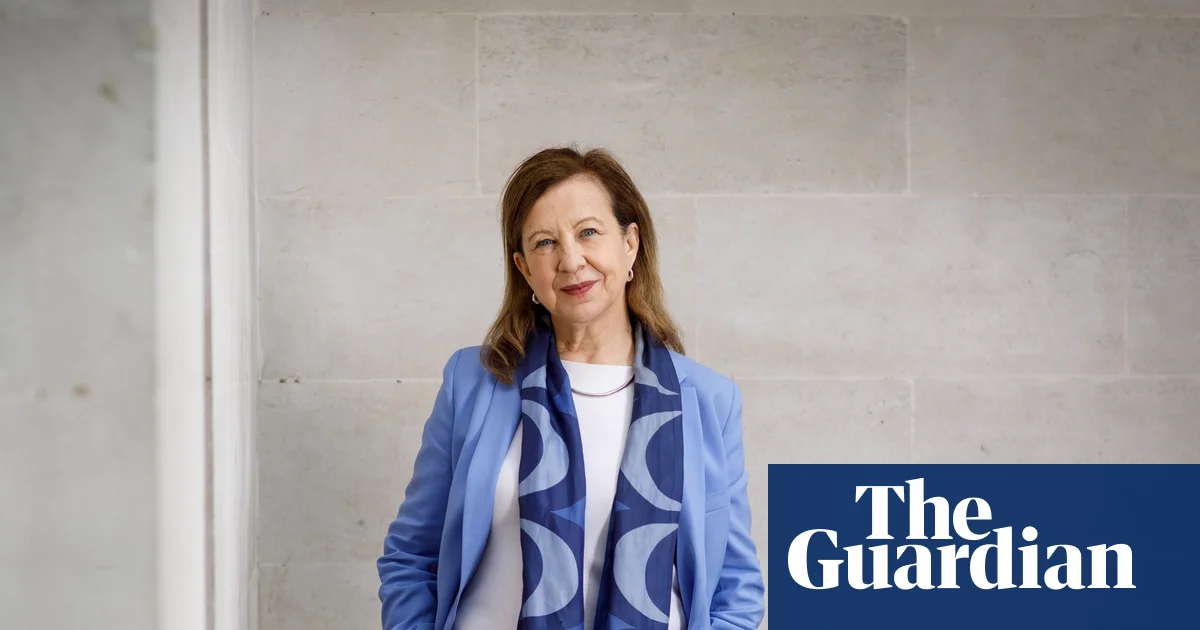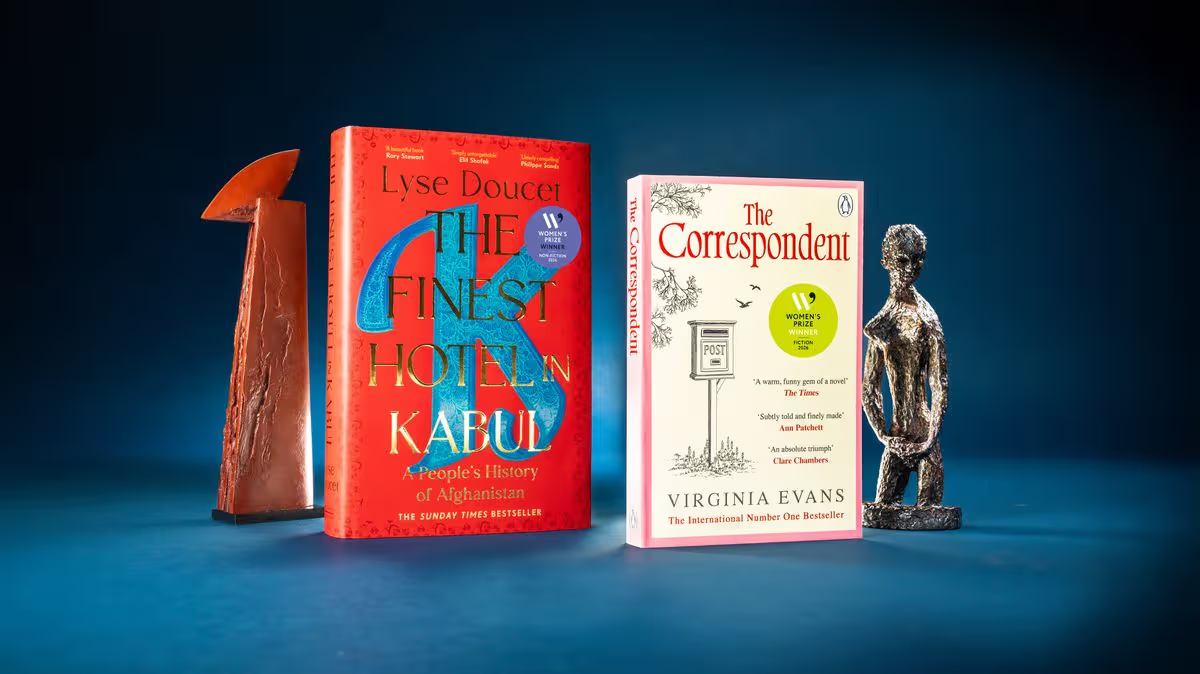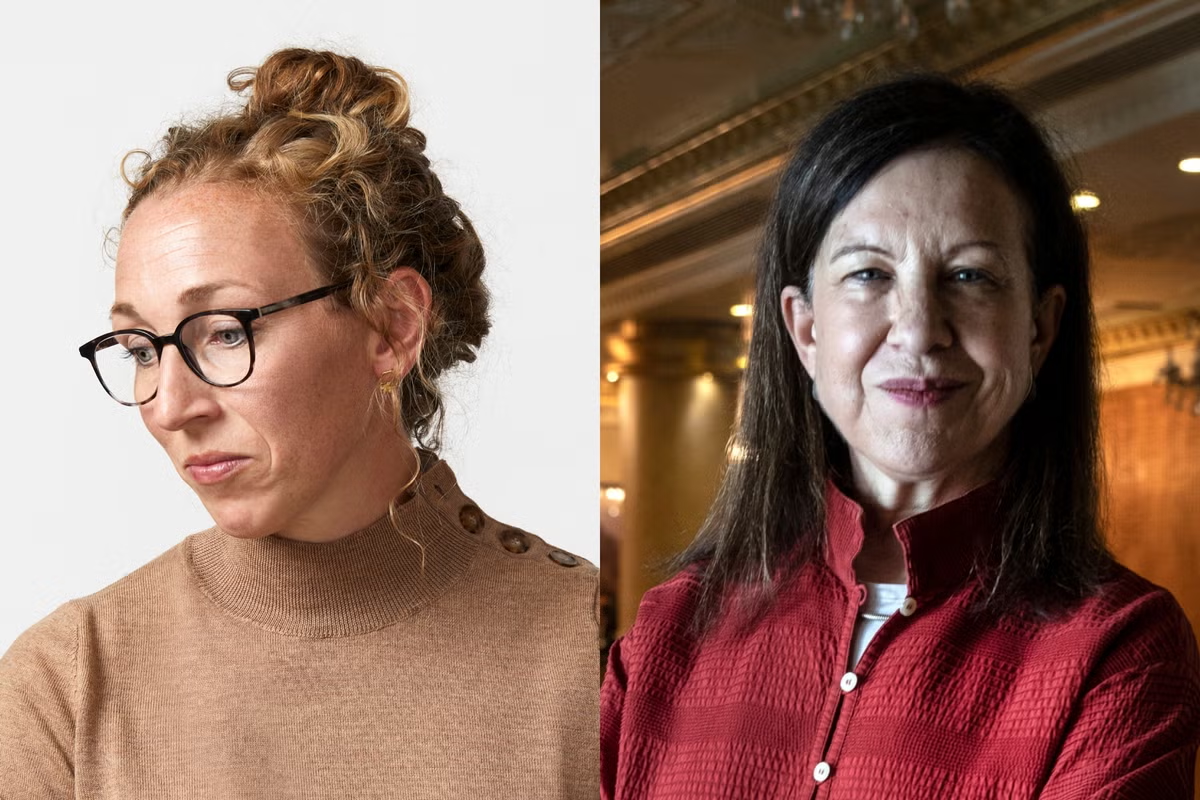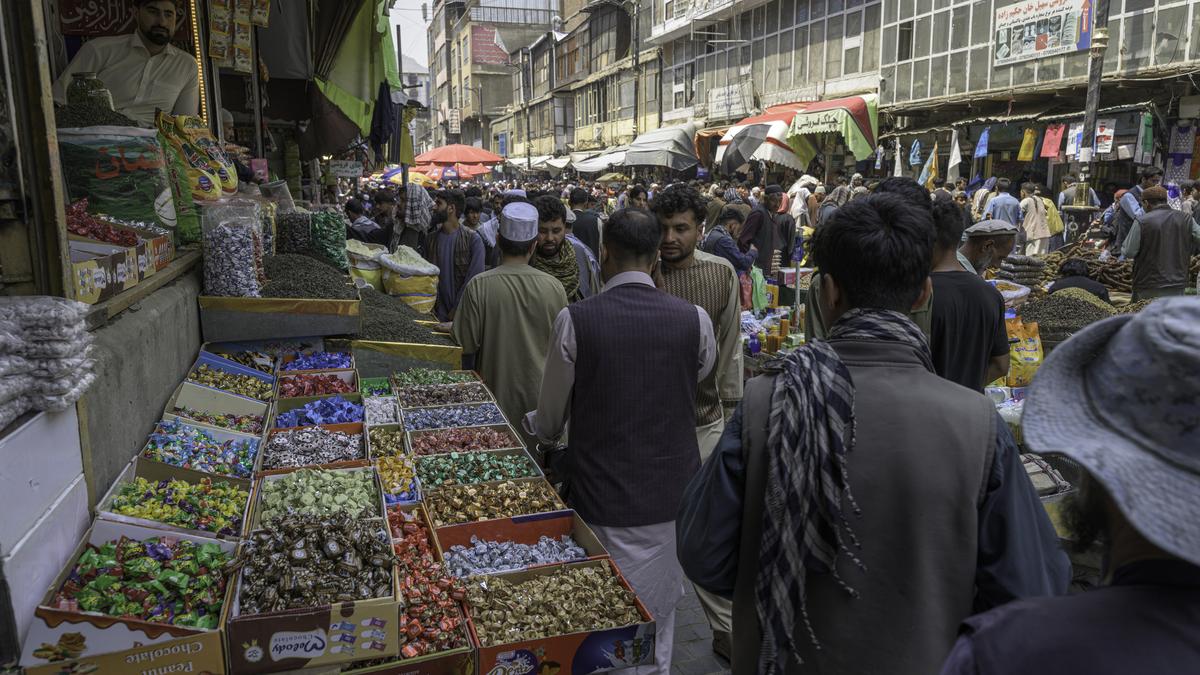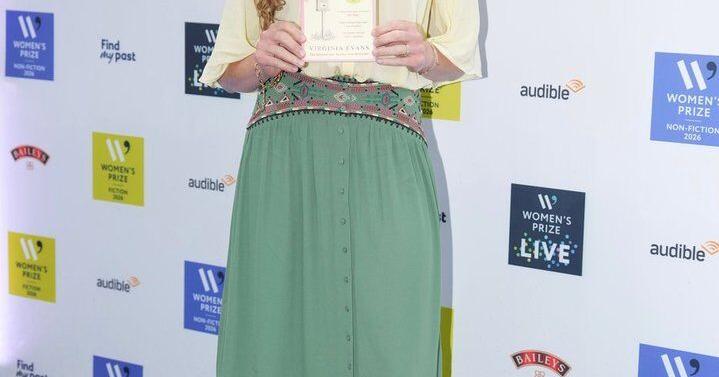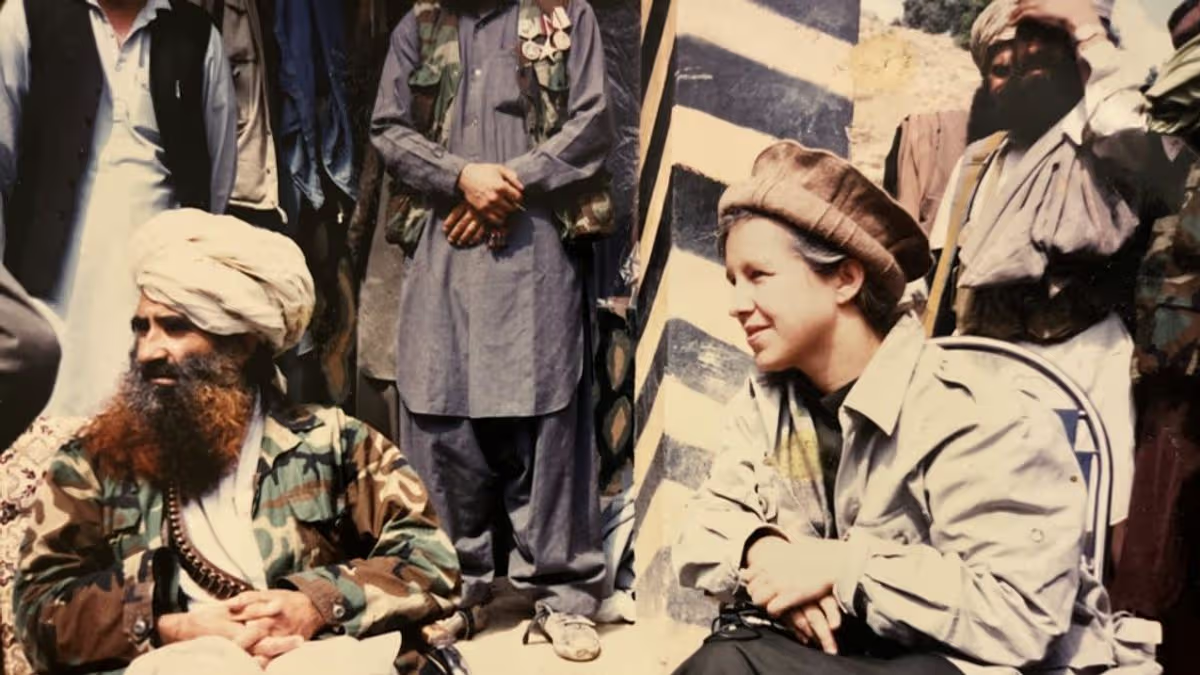
Broadcasting from warzones across the world, Lyse Doucet is one of the most recognisable faces on British news - and now she is an award-winning author for a non-fiction book on the history of Afghanistan.Canadian journalist Doucet places the Inter-Continental Hotel in Kabul at the heart of her richly crafted recent history of modern Afghanistan, and the many people who lived and worked there, whilst surviving decades of turbulence.After hours of interviews with Afghanis, Doucet began the work of writing The Finest Hotel in Kabul: A People’s History of Afghanistan. Once completed, they were her first readers, the ones she sought the first gold-seal of approval from.Published in the UK in 2025, the book was that same year longlisted for the Bailie Gifford Prize for Non-Fiction. It’s gone from strength to strength, as on June 11, at a ceremony at Bedford Square Gardens in London, the journalist was awarded the Women’s Prize for Non-fiction, which comes with a £30,000 prize fund.Speaking with The Mirror's resident book critic Dr. Aimee Walsh after her win, Doucet said hearing her name announced as the winner was “a bolt out of the blue”, adding that the event felt like “one big hug”.The BBC journalist described the choice to write a book as a “risk”. She added: “Just because you've managed to have a career in one kind of writing [doesn’t mean] that it will necessarily translate into another kind of writing."One of the hopes that Doucet has in publishing this book is to “draw attention to a place in a people who have largely dropped from our headlines.” She added: “It's our story too. There were two decades of international engagement. There are Afghans arriving here now on a daily basis.“While their lives may seem so different from ours but at the end of the day they, like us, have to get up and face the day with an everyday kind of courage and hope and try trying to find the light and the dark in their lives.”The Taliban retook control of Afghanistan on August 15, 2021, which culminated in the city of Kabul being captured after the U.S.-backed government collapsed. UNESCO reported in 2025 that since 2021 more than 80% of women working in the media have lost their jobs.The report continues: “Afghanistan stands out tragically as the only country in the world where secondary and higher education is strictly forbidden to girls and women. Nearly 2.2 million of them are now barred from attending school beyond the primary level due to this regressive decision.”Speaking out against the treatment of women and girls in the country, Lyse said: “How can any of us allow ourselves to accept that that's normal? Afghans really feel forgotten. It's like Malala Yousafzai says, even picking up a book now as an act of resistance for Afghan girls.”She continued: “Sadly there's girls who are getting scholarships to British universities but they can't get visas because the foreign office is not giving them visas.“It's a hard time to find hope, but we don't have the gift, as people who live in much more privileged circumstances, to lose hope for Afghans.”The BBC’s Chief International Correspondent, Doucet has reported from warzones all over the world, from Afghanistan, to the Russian invasion of Ukraine, to Sudan and the October 7th attacks. In The Finest Hotel in Kabul, as well as documenting the history of the country and its people, she also includes anecdotes from her time reporting there.A stand-out moment is from her time as the BBCs Pakistan Afghanistan Correspondent in Pakistan’s city of Islamabad in 1991, when she received a call from an Islamist Afghani group called the Haqqani fighters bringing news of their “major military victory”.They told Doucet that they had “taken the city of Khost in eastern Afghanistan.” The caller asked if the BBC would like to cover it - of course, Doucet replied.Then arose the small issue: Doucet is a woman journalist. The Haqqani caller expressed this concern: “We'd like the BBC to come, but we can't have women coming to the front line.”So, they agreed Doucet could report for the BBC if she was dressed like a man. She explained: “There I go dressed like a man, but they still know I'm the woman who has to be treated with respect.“So, who's given the chair, the best chair, right next to the commander? Me. Dressed like a man, but very much a woman at the press conference with the commander with the beard down to his belly, not wanting to be seen with any women.“And as we're driving into Afghanistan, as we through the tribal areas of Pakistan, my Pakistani colleague says to me, "Please, in the pickup in front of us, they're arguing over whether you're a man or you're a woman."Love reading? Join Dr. Aimée Walsh and our community of fellow readers in the Mirror Book Club to dive deeper into the books everyone is talking about.
Women's Prize winner had to 'dress like a man' to report in Afghanistan
After winning the Women’s Prize for Non-Fiction, legendary BBC war journalist Lyse Doucet tells The Mirror's Dr. Aimee Walsh the powerful story behind her book on modern Afghanistan.
822 words~4 min read