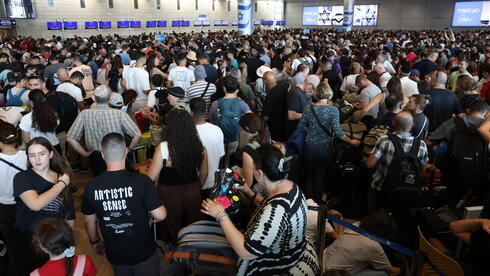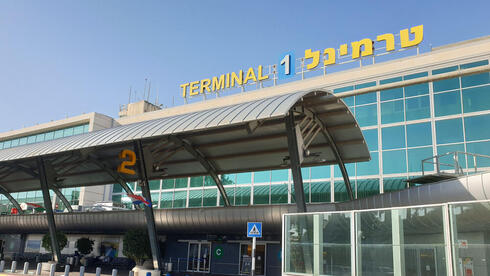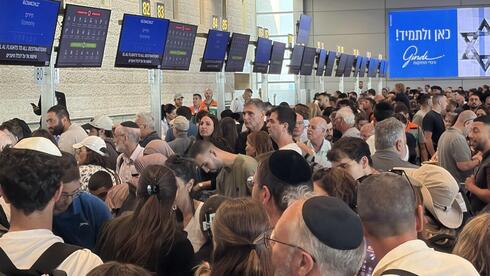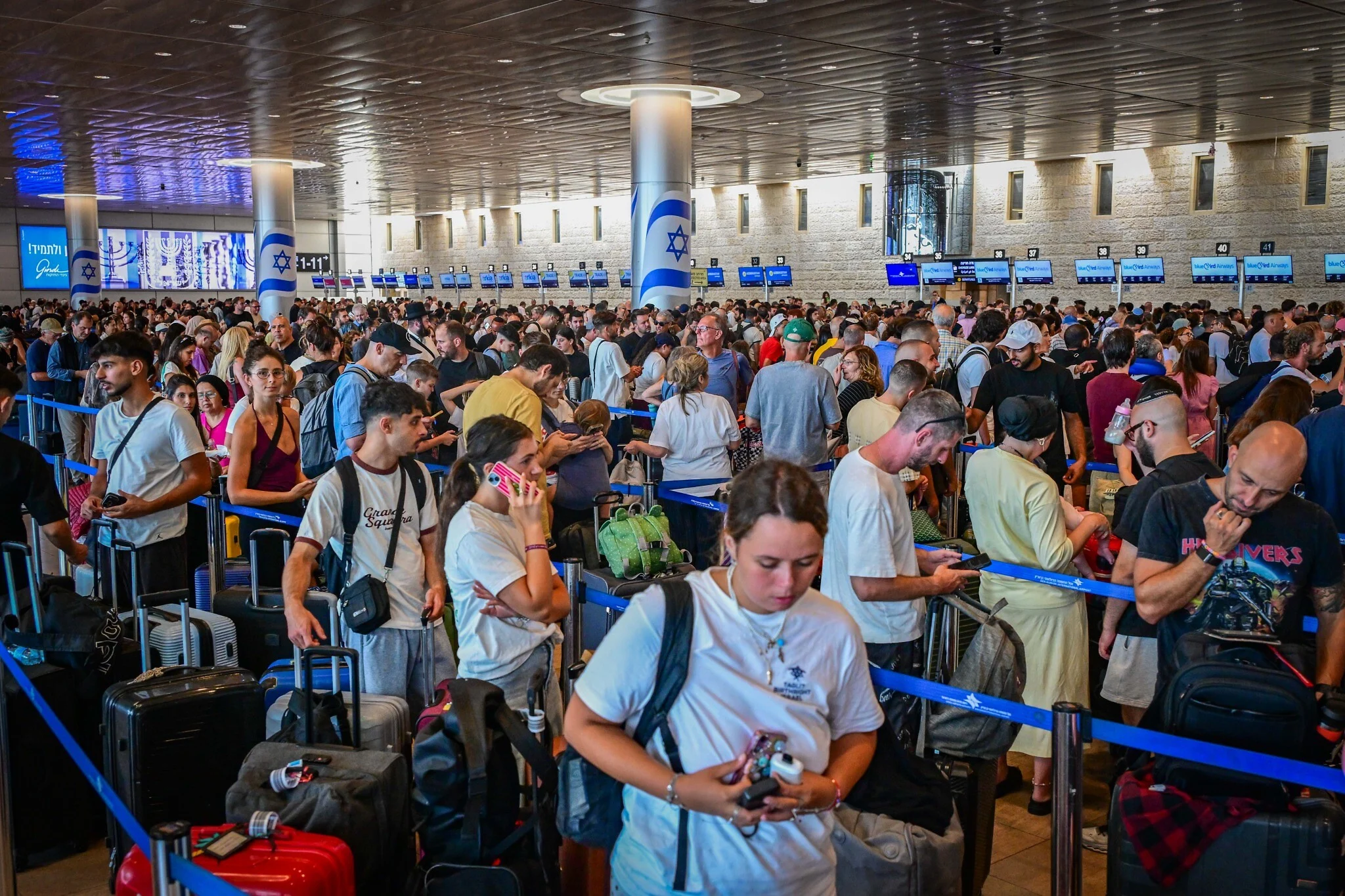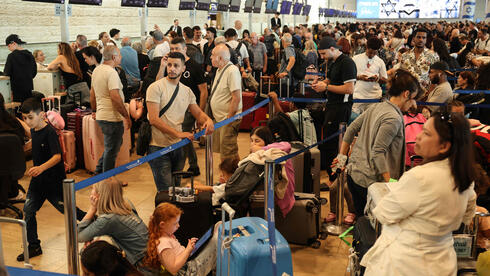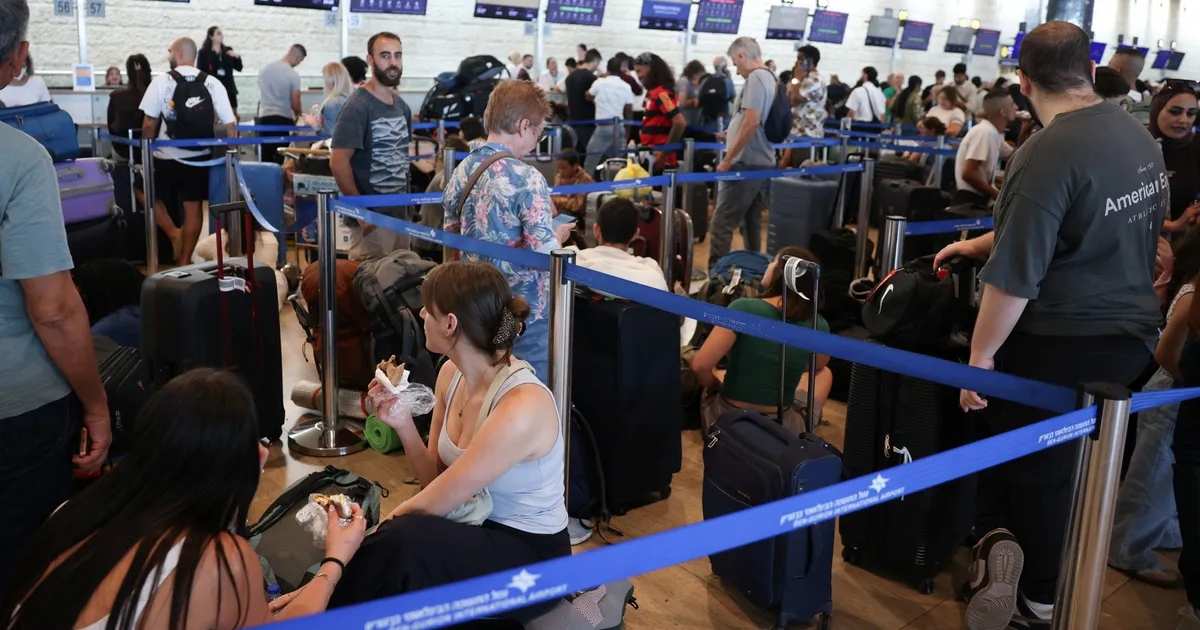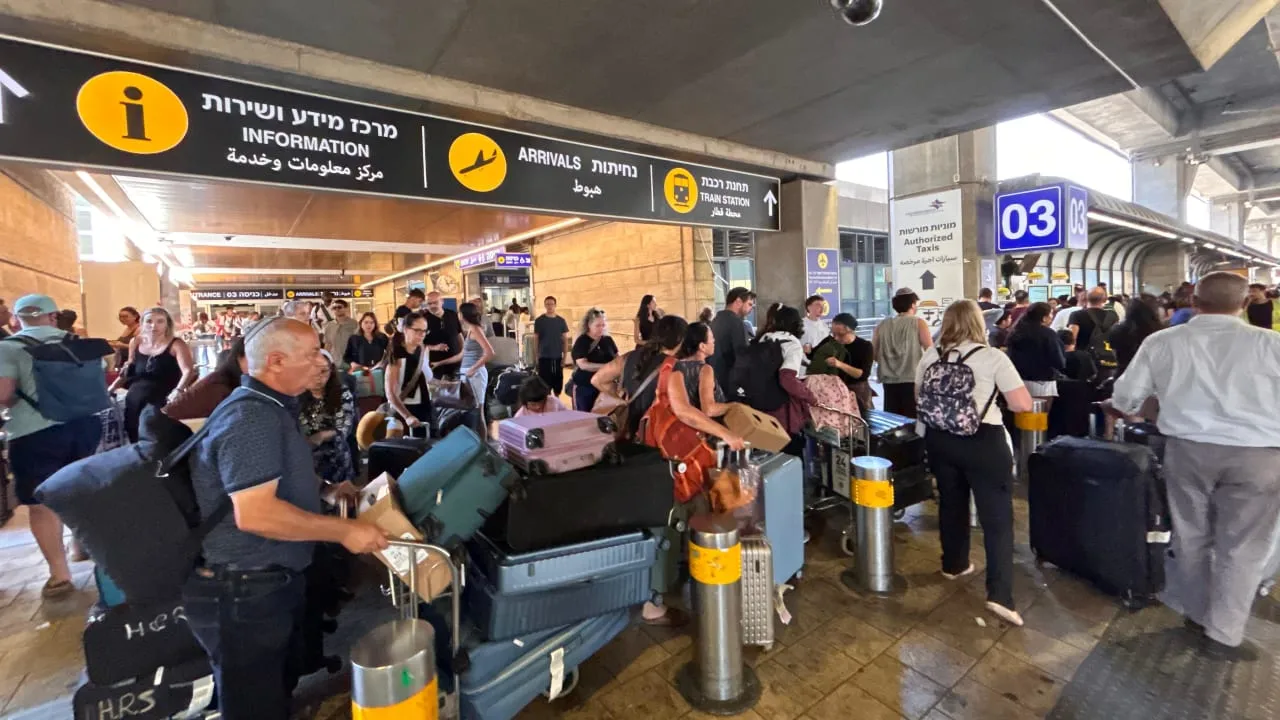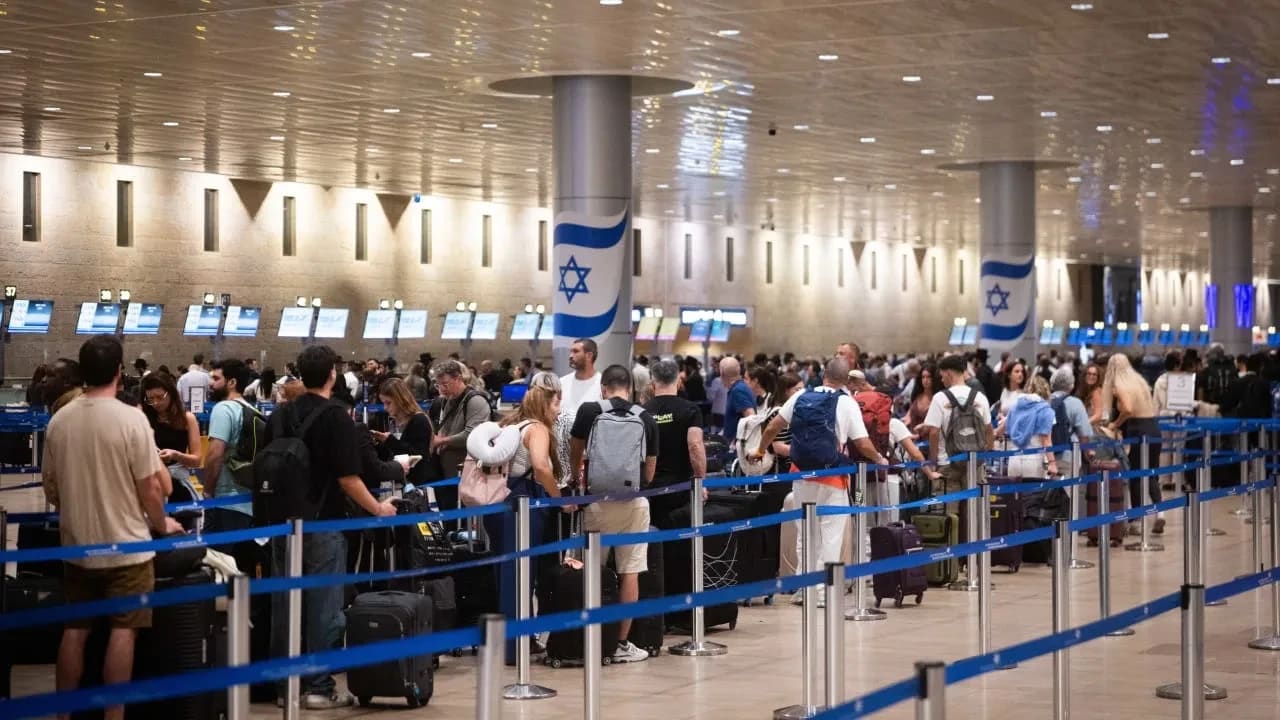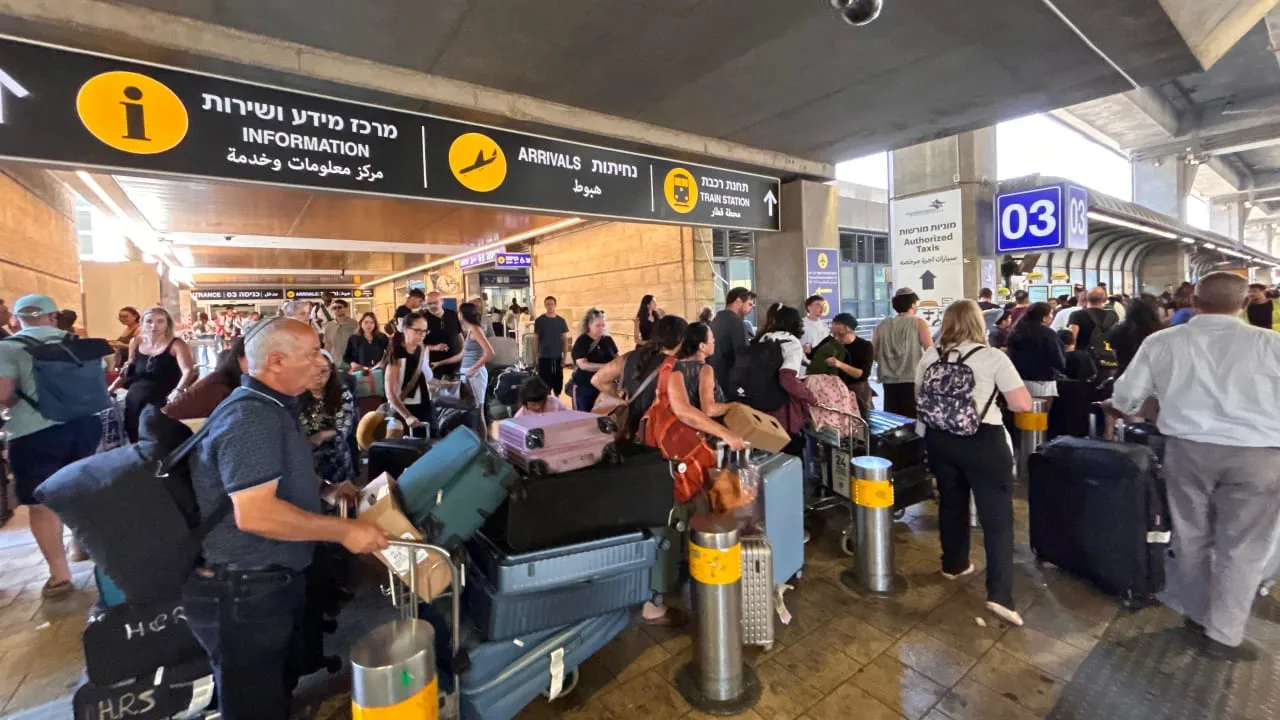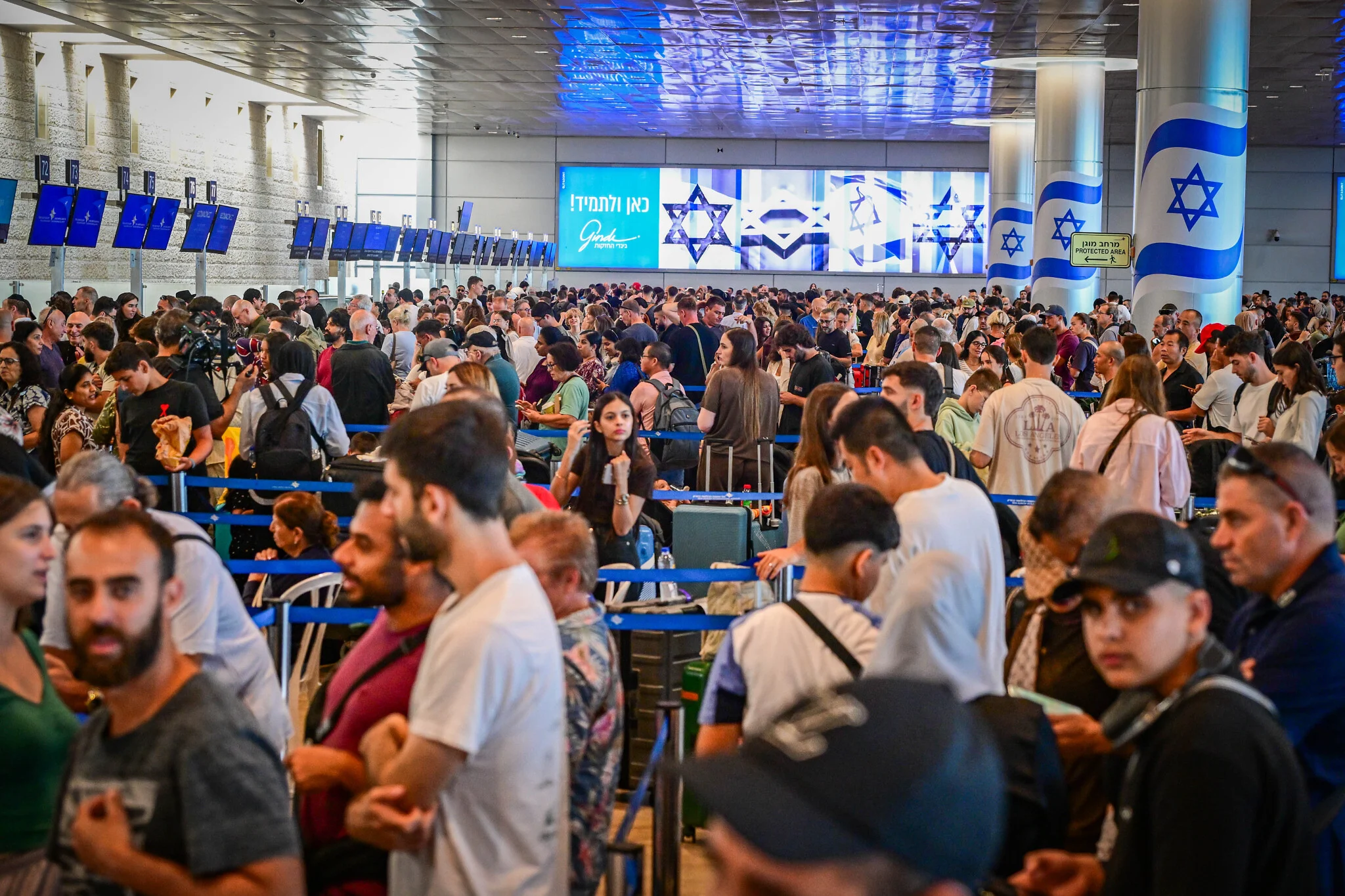
It wasn’t a pandemic, and it wasn’t a missile strike. What ground Ben Gurion Airport to a halt this month — stranding tens of thousands of Israelis who’d paid exorbitant prices in hopes of taking their first summer vacation not under the shadow of war in years — was a two-hour period in which check-in and ground staff refused to work overtime on one of peak season’s busiest days.
Or in the words of the workers, who are accused of calling a wildcat strike and blamed for days of cascading delays, the issue was not their walkout but rather rampant mismanagement that left too few staff members to deal with too many passengers, triggering the near-collapse of airport services.
Ben Gurion Airport, Israel’s sole major portal to the outside world, has long been nearing the breaking point, its woes driven by a deep-seated and persistent leadership and infrastructure crisis. But many Israelis were still caught off guard by how quickly the airport fell into paralysis despite the absence of any external threat to operations.
“Israelis already experienced airport closures due to the war, but because this time it suddenly happened not because of the war, it shook many people as the gateway is a symbol of some kind of normality in an abnormal situation,” Ehud Uziel, a transportation policy expert who served as an adviser to former transportation minister MK Merav Michaeli, told The Times of Israel.