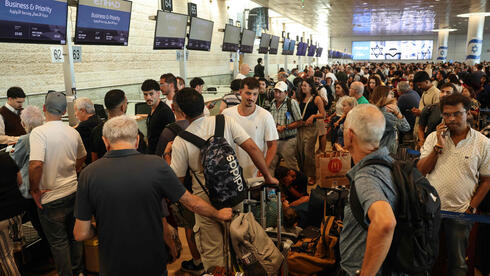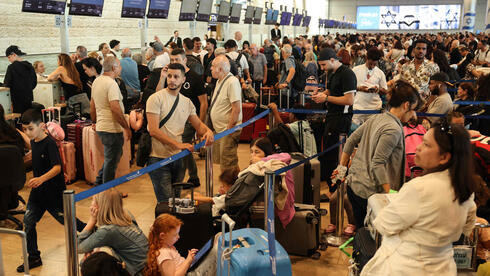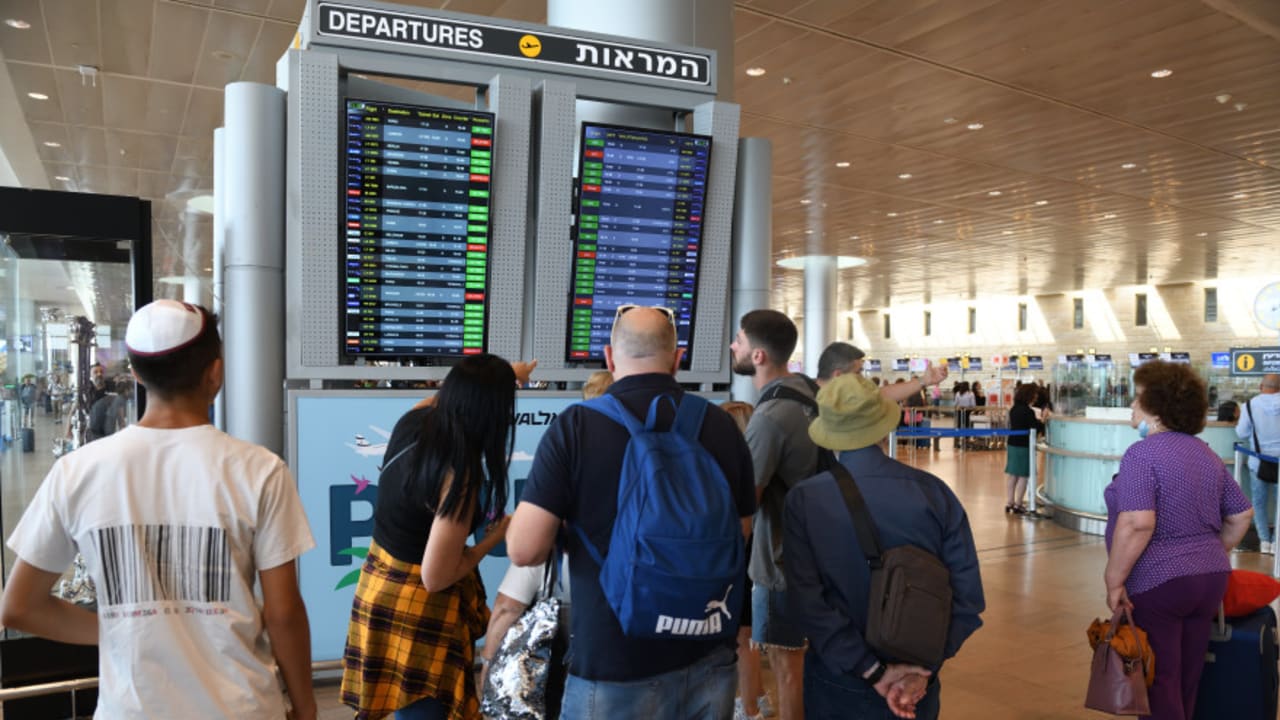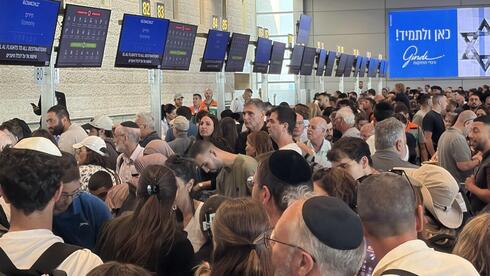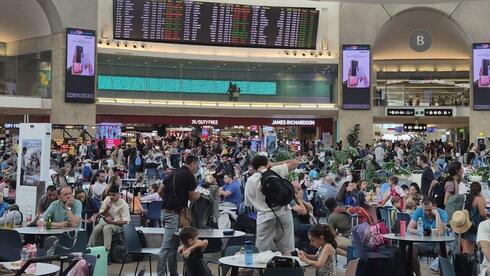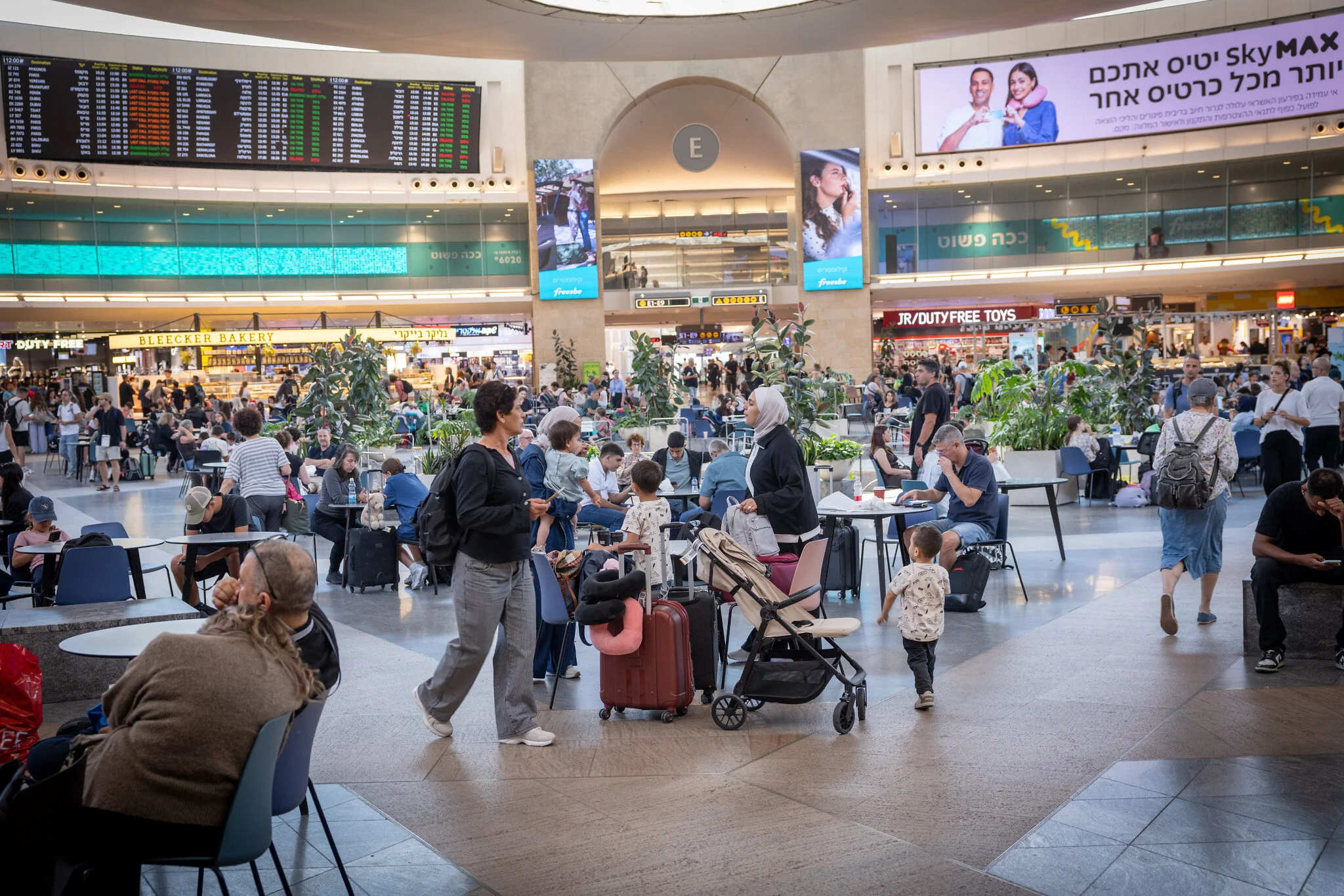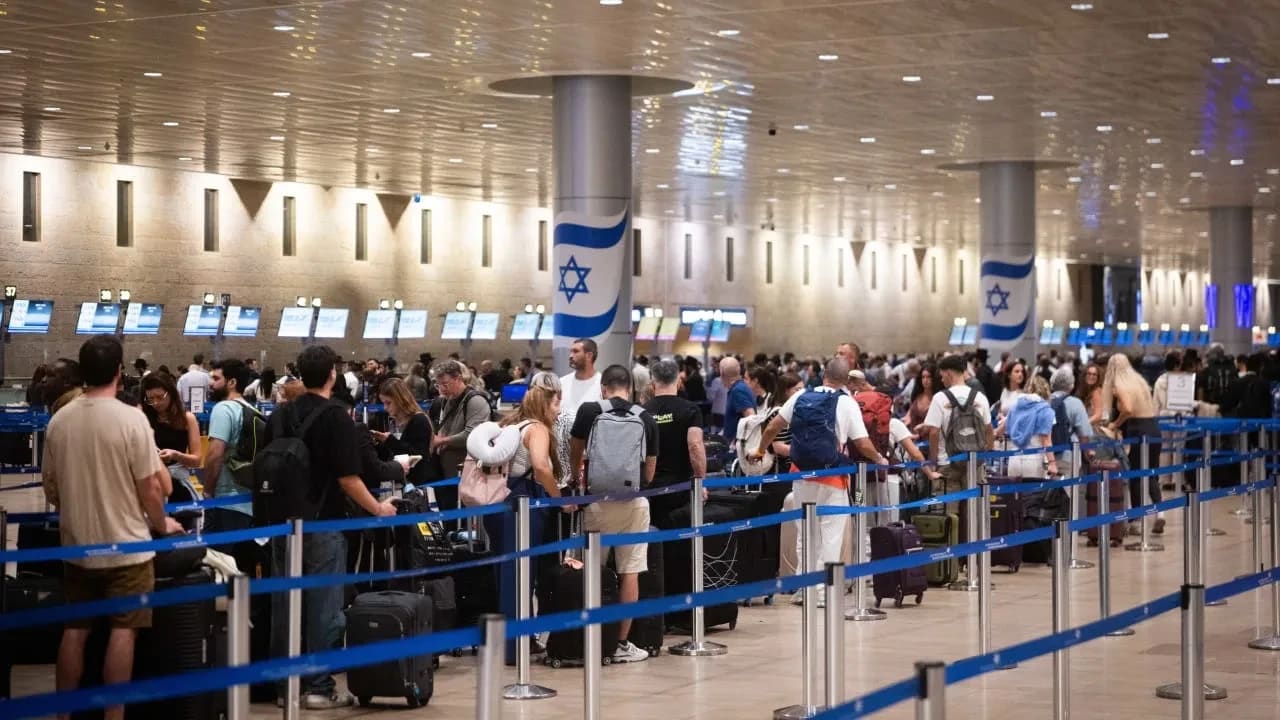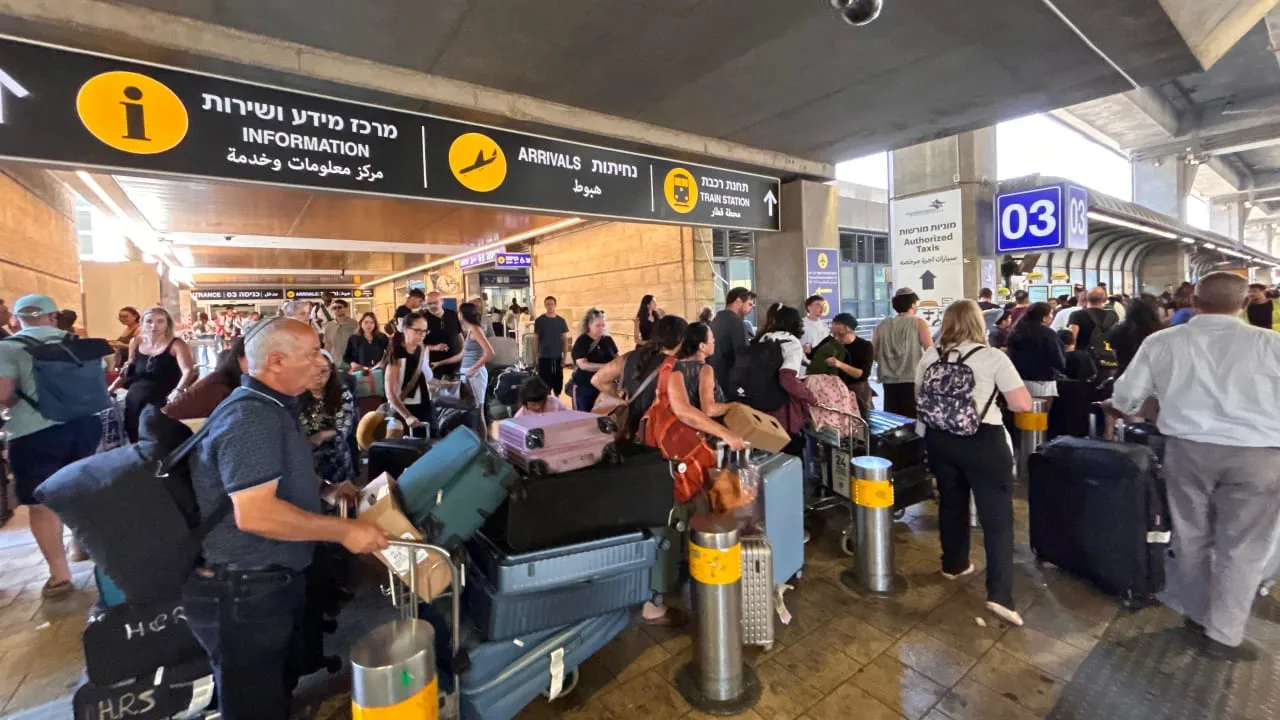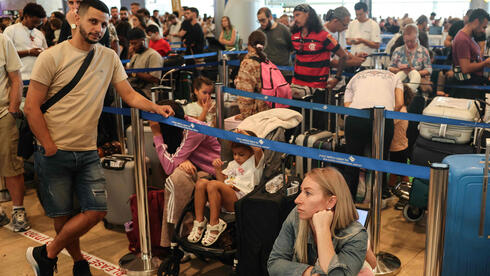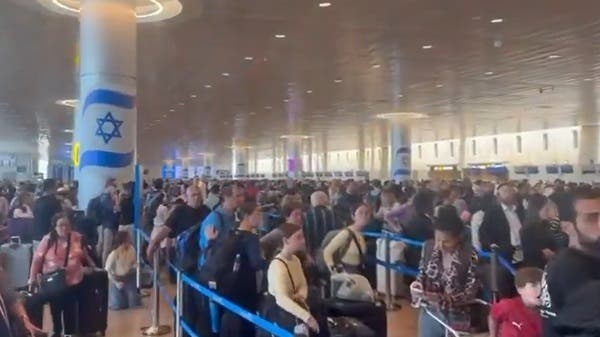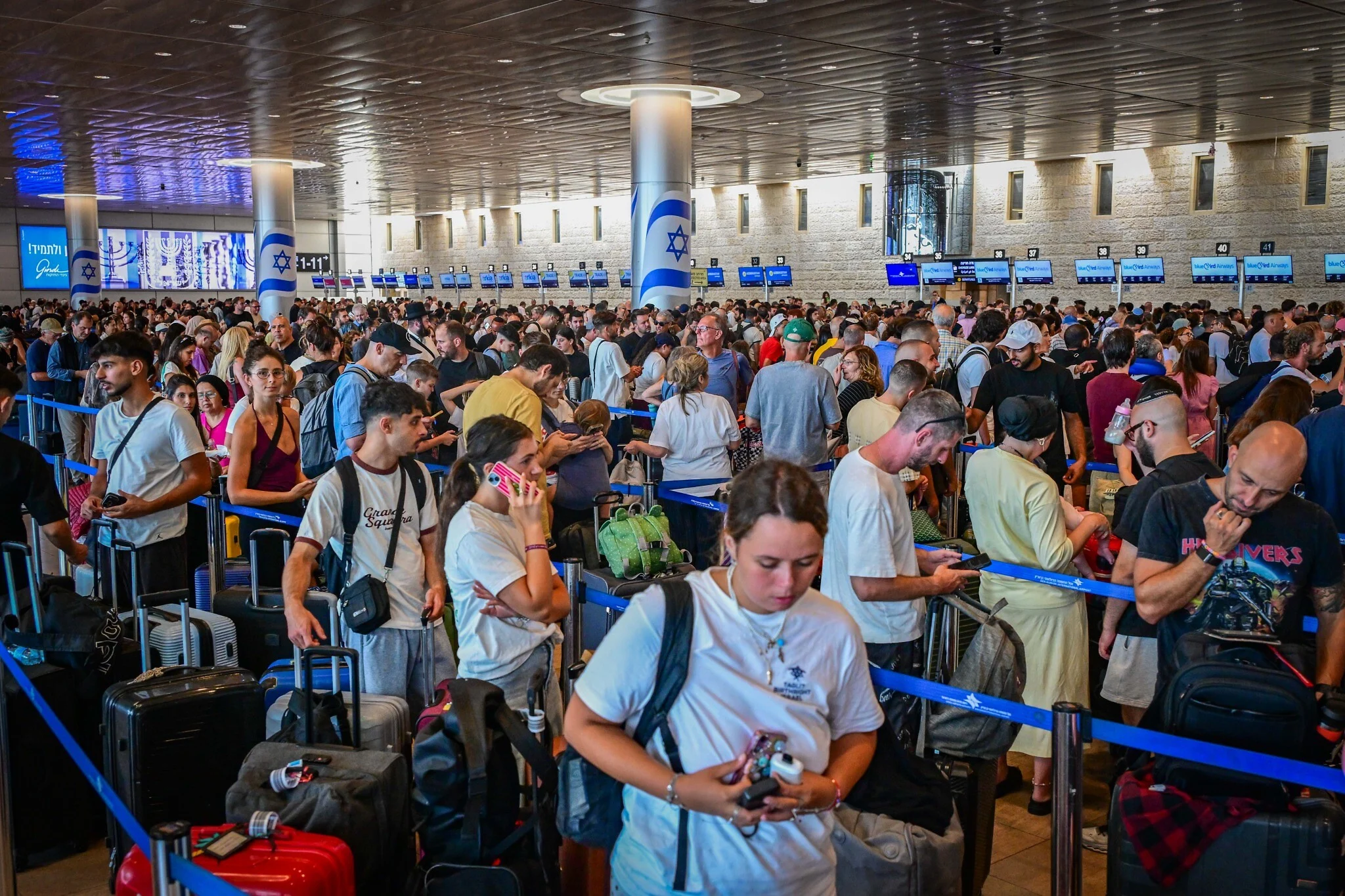
After the fiasco at Israel’s main international airport last week that led to widespread delays in flights and baggage handling for thousands of travelers during the peak summer season, the Israel Airports Authority announced on Sunday that it had agreed with labor representatives on steps to stabilize operations and ease congestion.
However, it was unclear whether the measures would resolve any of the fundamental issues in the dispute, and thereby avert the next crisis at Tel Aviv’s Ben Gurion Airport, ahead of the busy Jewish holiday travel season starting next month.
After the two-hour wildcat strike Thursday, which sparked extensive delays and flight cancellations at the airport, the management of the Israel Airports Authority and the workers’ union agreed to refrain from labor action as the airport attempts to regain full operational services, including baggage handling, security, and ground services.
After employees returned to work mid-afternoon Thursday, a surge of arriving and departing flights within a brief time window quickly created bottlenecks — not just on the runways, but at the gates, baggage claim, and passenger traffic.
The impromptu labor action caused damage estimated at NIS 25-30 million ($8-10 million). On Friday morning, Ben Gurion Airport was the most disrupted airport in the world for departures, with delays averaging between 70 and 90 minutes.