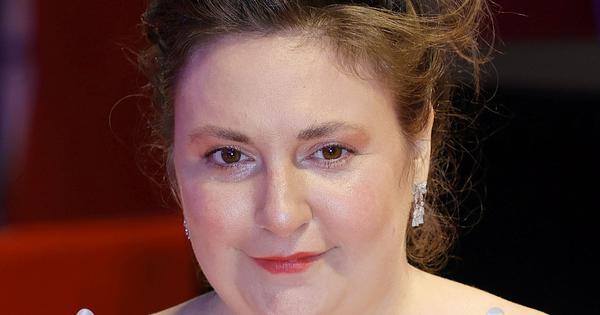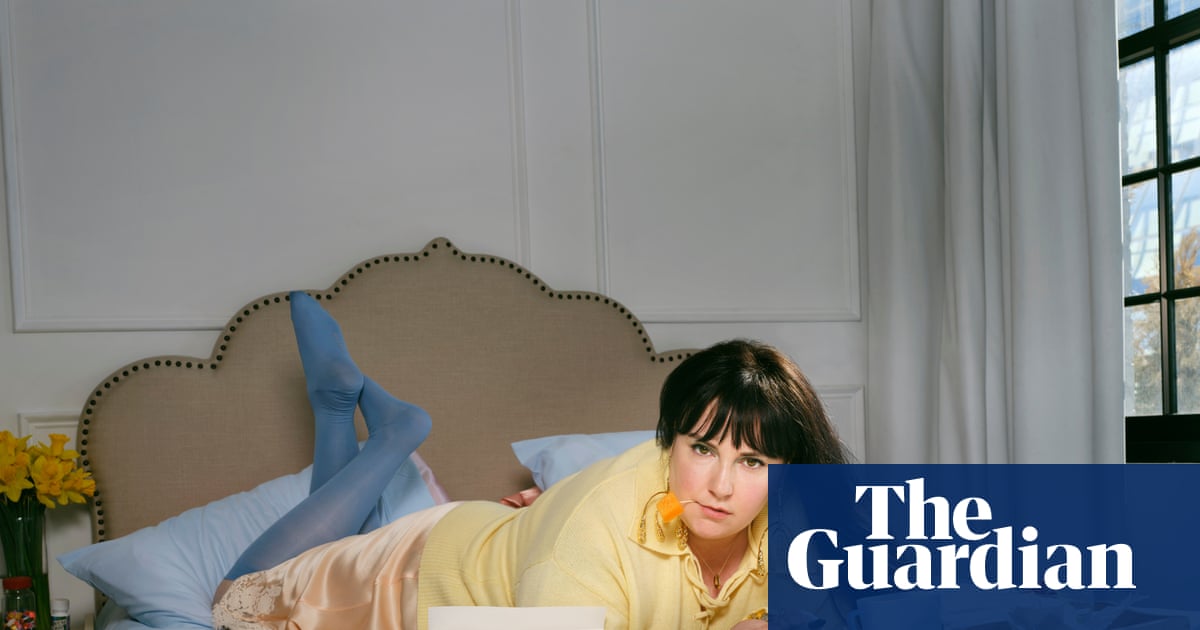
“The triad of illness, trauma, and addiction was more than I had been able to bear. Everything that had happened publicly was harder than I let on. But it was real. It could be clearly laid out on a timeline, like in a history book or a true crime podcast. I always struggled physically, but my symptoms, which seemed diffuse, were never collated into a diagnosis, especially in a world where the pain of girls and women is dismissed. Stress has a measurable effect on autoimmune and inflammatory conditions, and worsened my physical symptoms, so ironically making Girls – arguably the best thing that had ever happened to me, but also the hardest I had ever worked – only served to make me sicker. But by this point, my responsibilities made taking the time to get well seemingly impossible.”Lena Dunham’s Girls was for millennials what Candace Bushnell’s Sex and the City was for Gen X. However, unlike SATC, where NYC was the mecca of high fashion and brunch dates, Girls offered a more realistic view of bad job markets, matchbox apartments, and measly salaries in this devilishly expensive city. Dunham’s character Hannah Horvath aspires to be a writer but there’s little opportunity to make a living unless one was writing those very specific 2010s BuzzFeed-era infomercials. Thrown into this career existentialism is messy relationships, difficult friendships, and reckoning with the burdens of one’s parents. Dunham, who was 24 when the first season aired, was attuned to and living these nightmares of young adulthood. The world, which promised to be so open if you only persevered just a little, suddenly could not be bothered with rewarding any of your ambitions or dreams. However, unlike the Hannah she created, Dunham was, in fact, one of the very few lucky ones whose talents were immediately recognised and rewarded. She had a show that would become a cult favourite and launch careers of her co-stars (most notably of Adam Driver who would be nominated for two consecutive Academy Awards), but what she had not foreseen was the extreme scrutiny and severe chronic illness that her fame would metamorphose into.For better or for worseThe obsession with young female stars is as old as show business, and Dunham, whose struggle with her health was public knowledge, had to endure a particularly vicious interest in her body and what she calls its failings. For the longest time, she reasoned it was a small price to pay for her fame and creative success, till one day she realised that she wasn’t simply famous, but famesick. Thus the title of her memoir, Famesick.Dunham begins at the beginning of her career, which started with indie, self-funded projects during her time at Oberlin College. Her 2010 movie, Tiny Furniture, which was too indie even for the Sundance Festival, was funded by her artist mother Laurie Simmons’s contacts who helped her raise $20,000 for it. This is not much in movie-making terms but it is an impressive amount of money regardless. Simmons swooping in to help her daughter get a shot at her dreams will define her role in the memoir – the super-protective, resourceful mother who will do just about anything to ensure her daughter survives.
Sunday book pick: Fame, chronic illness and Hollywood dreamland in Lena Dunham’s memoir, ‘Famesick’
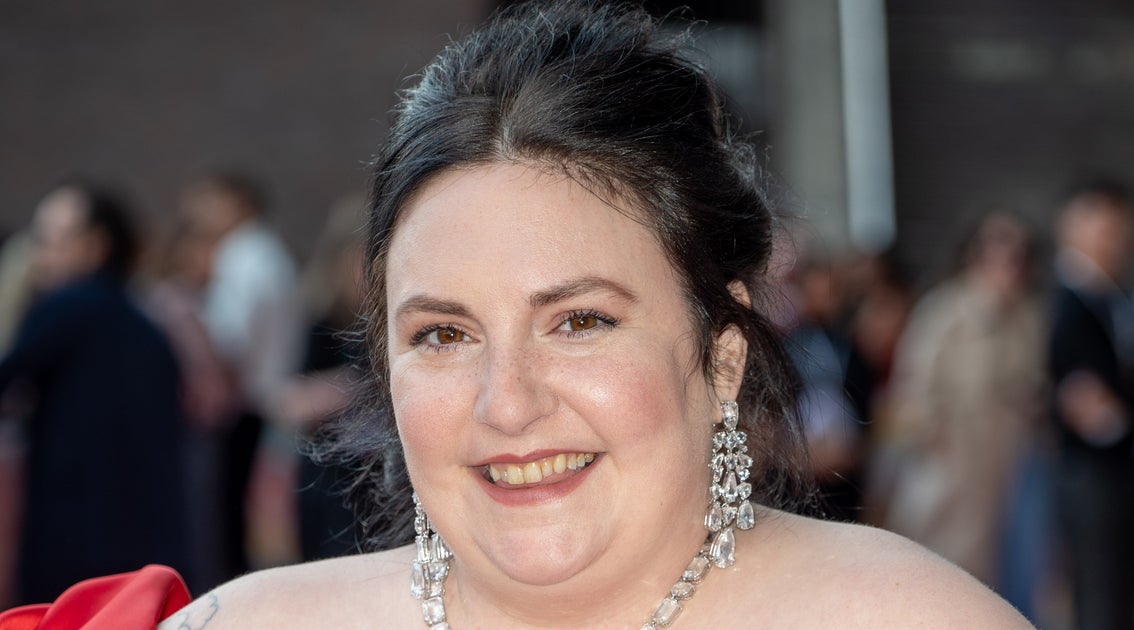
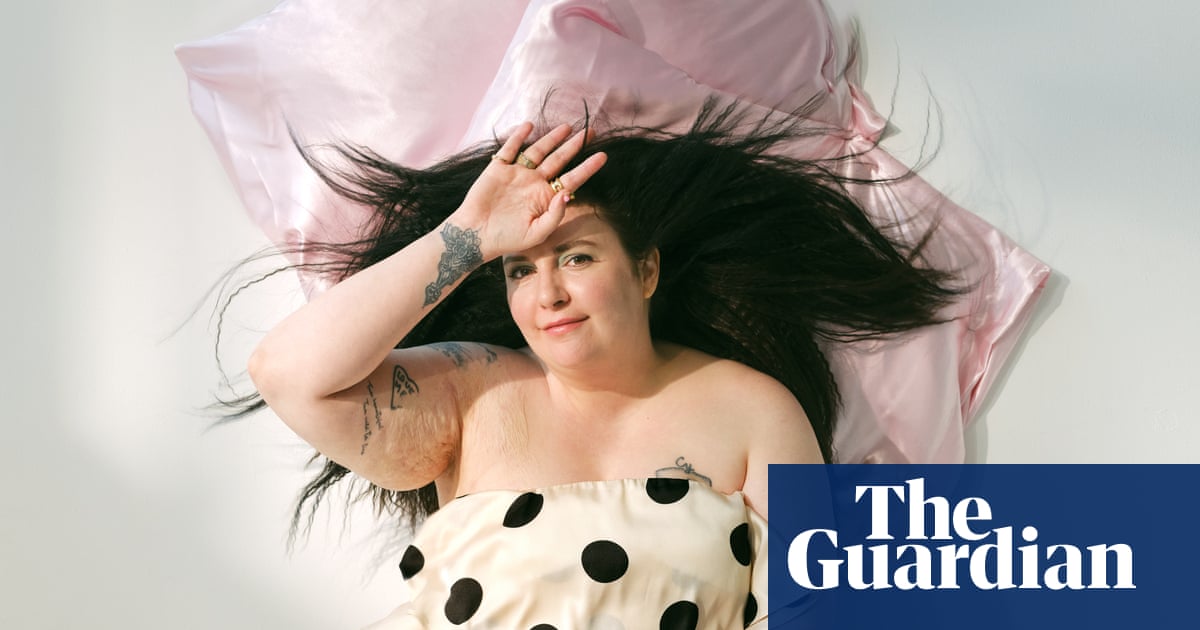
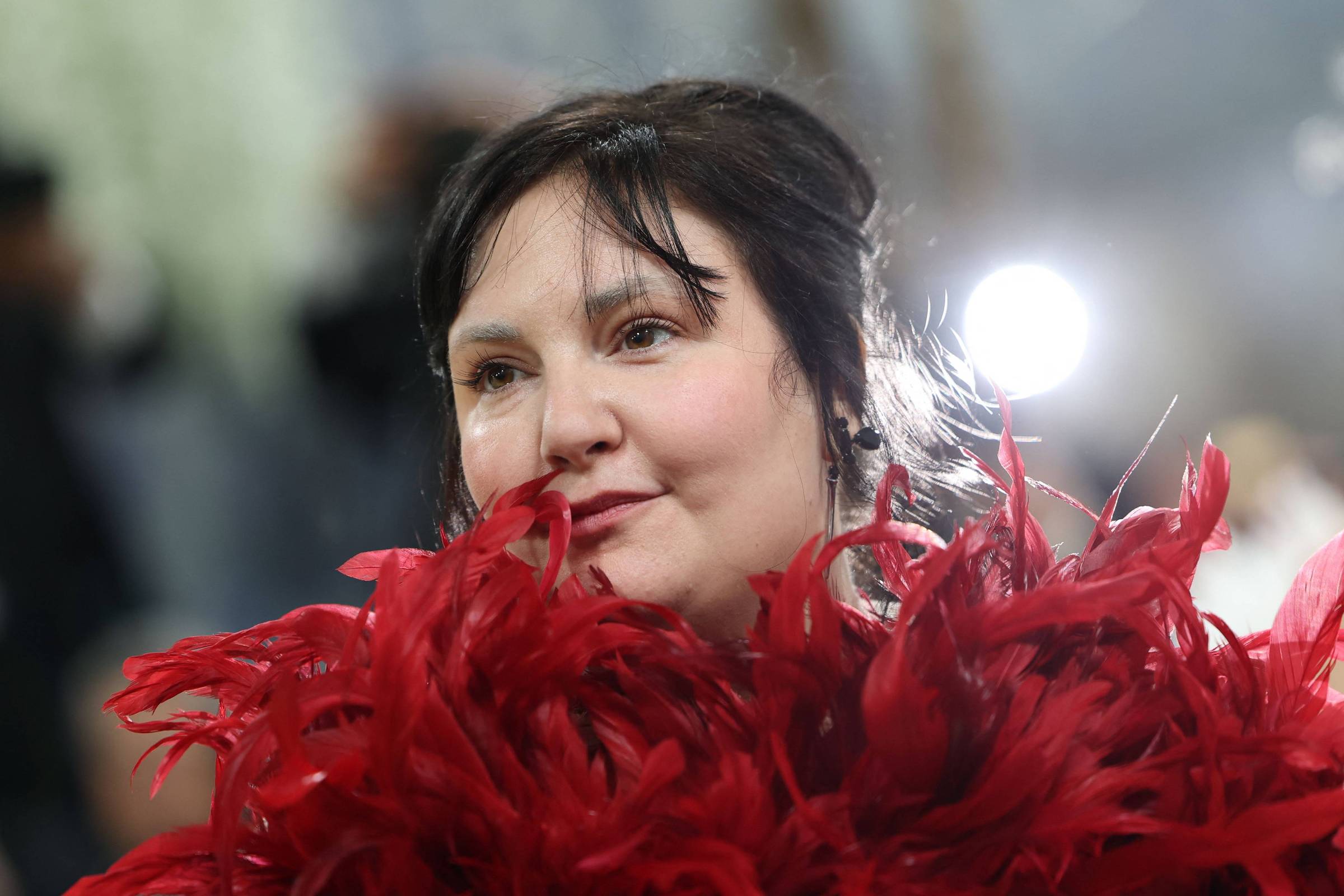
Lena Dunham is, most famously, the creator of the HBO series ‘Girls’, where she also plays Hannah Horvath, its titular character.
1,659 words~8 min read