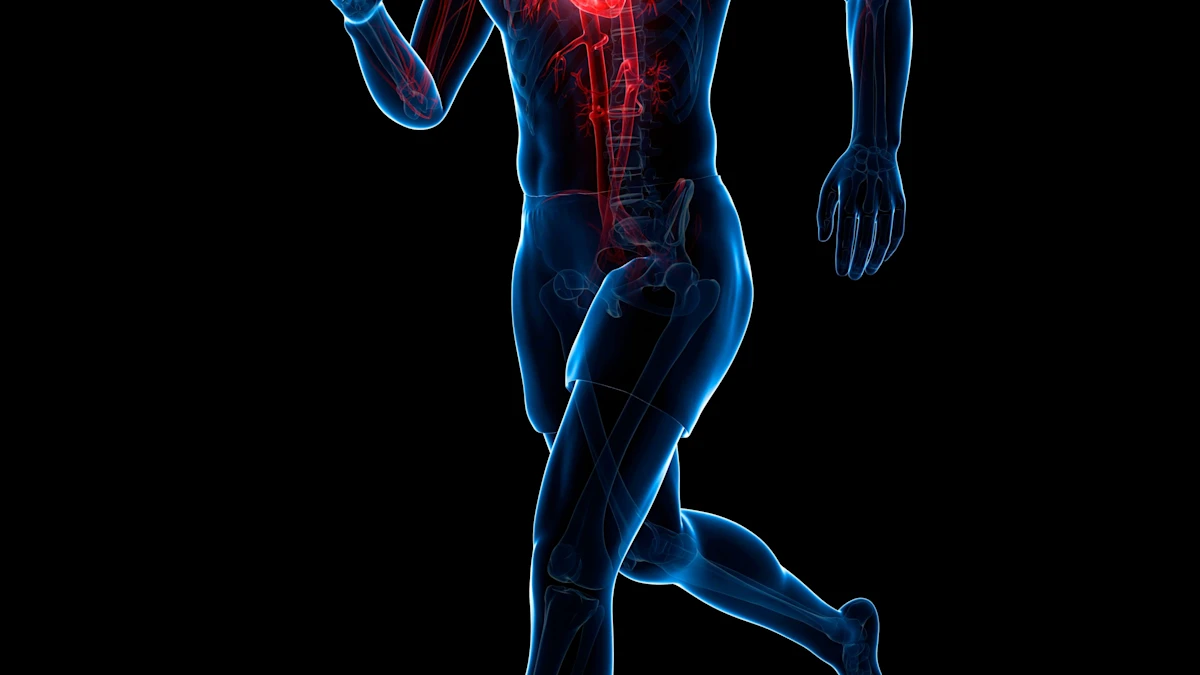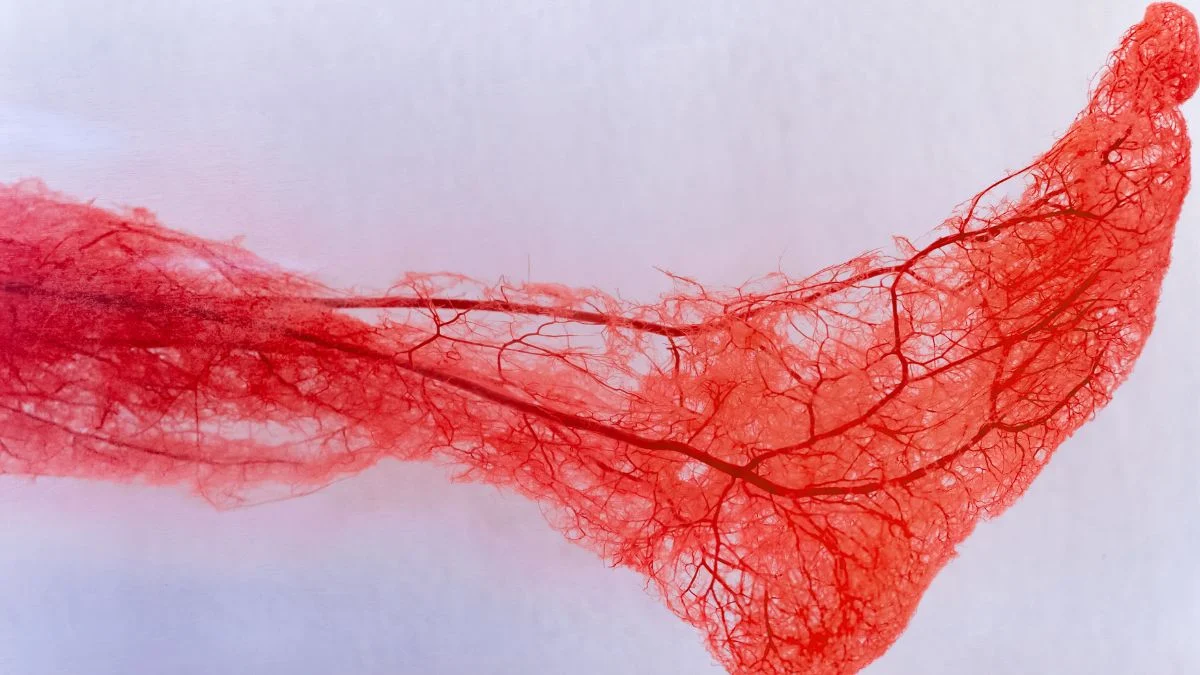
Veins and arteries in the leg. (szjphoto/Moment/Getty Images)
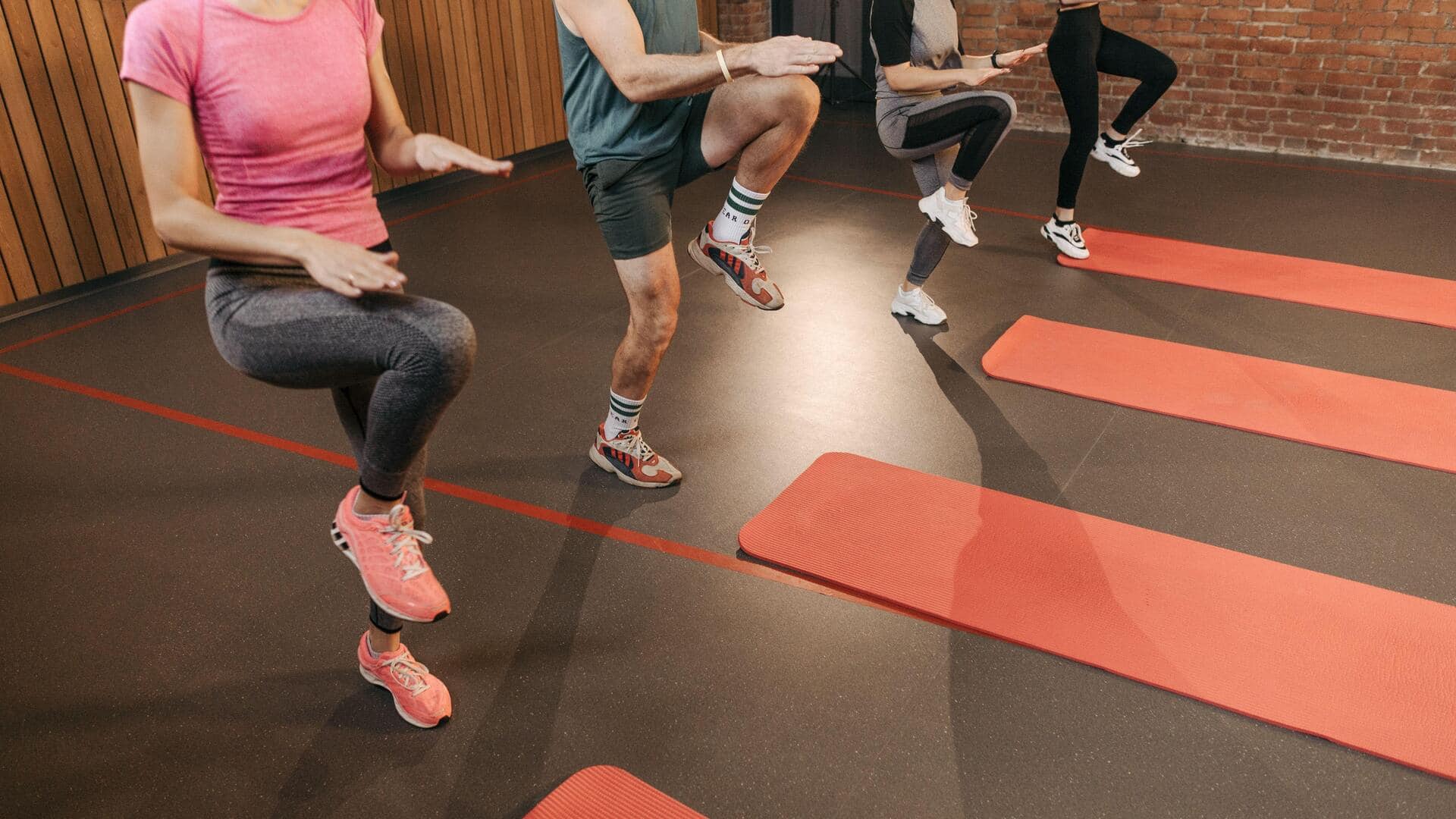
Every step, ankle flex, or rise onto your toes activates a remarkable pump below your knees.Your calf muscles squeeze the veins in your lower legs, helping propel blood upward toward your heart. This mechanism is so important to circulation that the calves are sometimes described as the body's "second heart".The name is metaphorical. Your calves cannot replace the organ beating in your chest. But they assist with one of the circulatory system's most difficult tasks: returning blood from the legs against gravity.The heart pumps oxygen-rich blood around the body through arteries. After reaching the legs, that blood must travel back through veins, where the pressure is much lower. Unlike the heart, veins cannot produce a powerful pumping force.That's where the calf muscle pump comes in.When you walk, run, or lift your heels, the muscles in the back of your lower legs contract. These contractions compress nearby veins and push the blood inside them upward.Activating this pump is simple. (Sorrasak Jar Tinyo/Getty Images)Small, one-way valves in the veins stop the blood from falling back toward the feet between contractions. Each movement helps it travel another step closer to the heart.When the pump works properly, it helps prevent blood from pooling in the legs. When it does not, people may experience swollen ankles, aching legs, or heaviness. Poor pump function can also contribute to long-term vein problems.Evidence suggests that an impaired calf pump may reveal something about a person's wider health.In a 2020 study, researchers examined the medical records of 2,728 adults who underwent vascular testing at the Mayo Clinic's vascular lab in Minnesota.People with impaired calf pump function were more likely to die during the following years. After 10 years, the mortality rate was about 6 percent among those with normal pump function, compared with roughly 18 percent among those with impaired function.That doesn't mean weak calf muscles directly caused those deaths. An impaired pump could be a sign of physical inactivity, muscle loss, joint problems, diseases affecting the nerves or muscles, or generally poorer health.