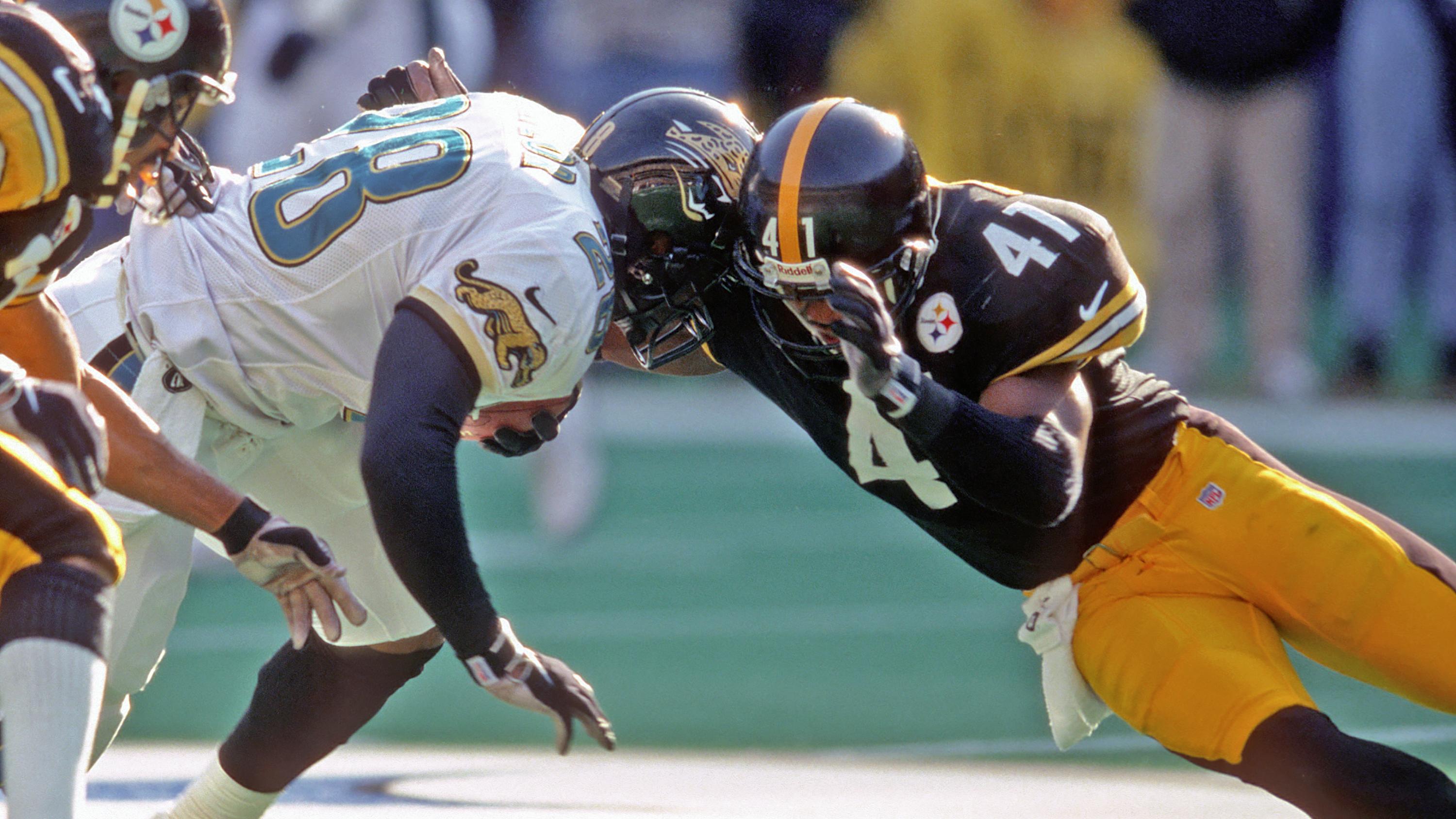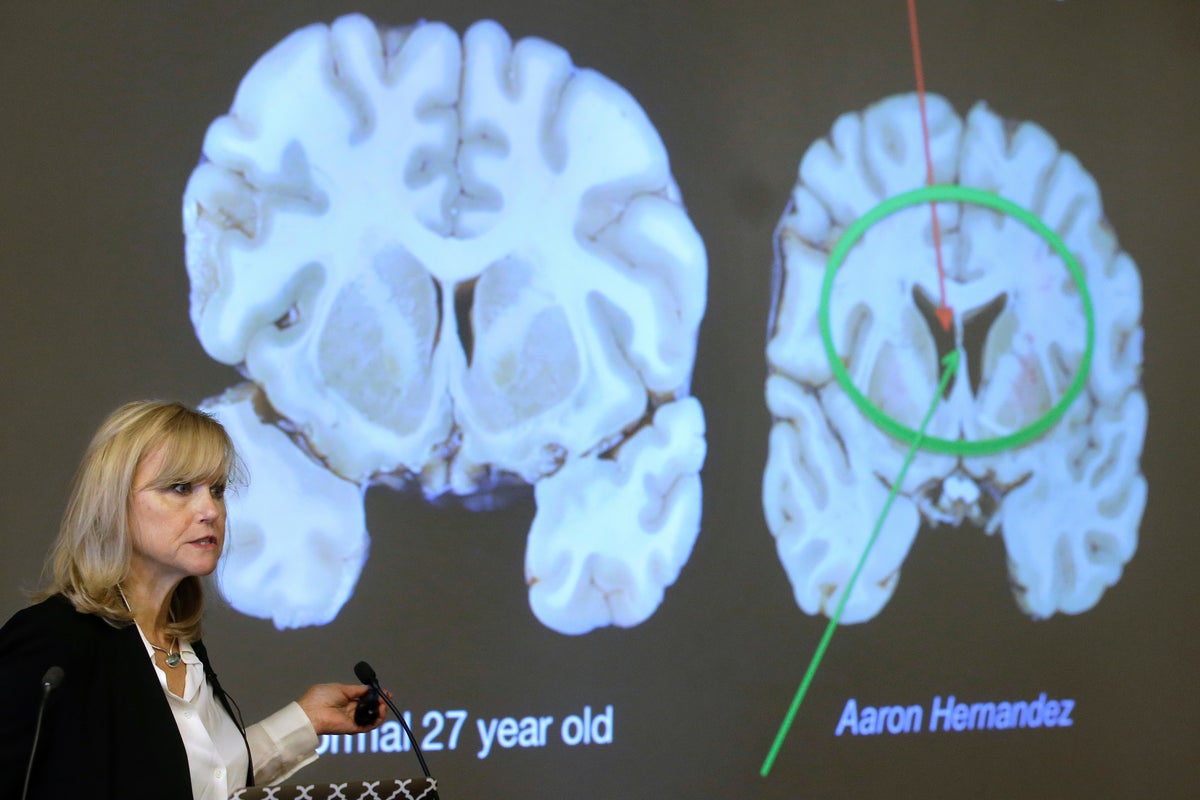
Maura Horton read the latest stories, the ones detailing the startling research that as many as one in four NFL players could end up with CTE, and she knew what would happen next.
People would talk about chronic traumatic encephalopathy that day and for a few days after. They’d debate whether kids should play the sport. They’d posit about what could be done and try to reconcile this country’s love affair with football with the mounting evidence that the cumulative hits throughout a career can shatter lives.
And then inevitably and invariably, they’d move on to whatever came next in the news cycle. She didn’t blame them. It’s the nature of humanity, especially when something feels far removed from your everyday life. Only .023% of high school players get even a snap in the NFL.
CTE is, thereby, a tragedy that happens to other people. Except it happened to Maura’s family, to her 58-year-old husband, Don, the father of her two daughters, Hadley and Libby.
CTE was and is the “earthquake” that came into Maura’s life and upended the road map she had planned, that they all had planned. The long marriage, modeled after her parents’ 60-plus years of connection, and days in the stands watching Hadley play soccer and seeing Libby turn her analytical math brain into a successful career; the anticipated extraordinary walks down the aisle and the ordinary walks around the block; the chance to get old and creaky together.