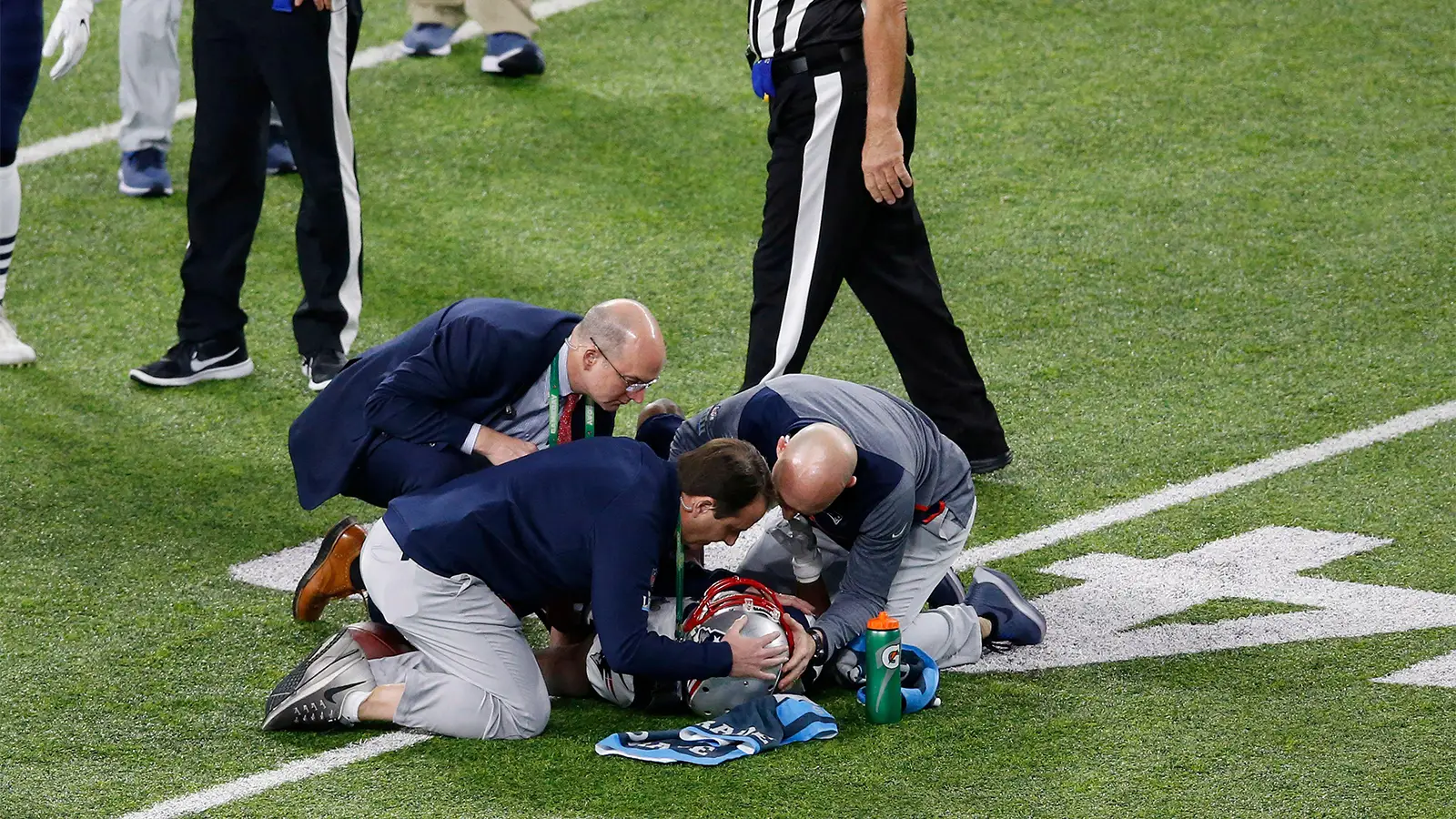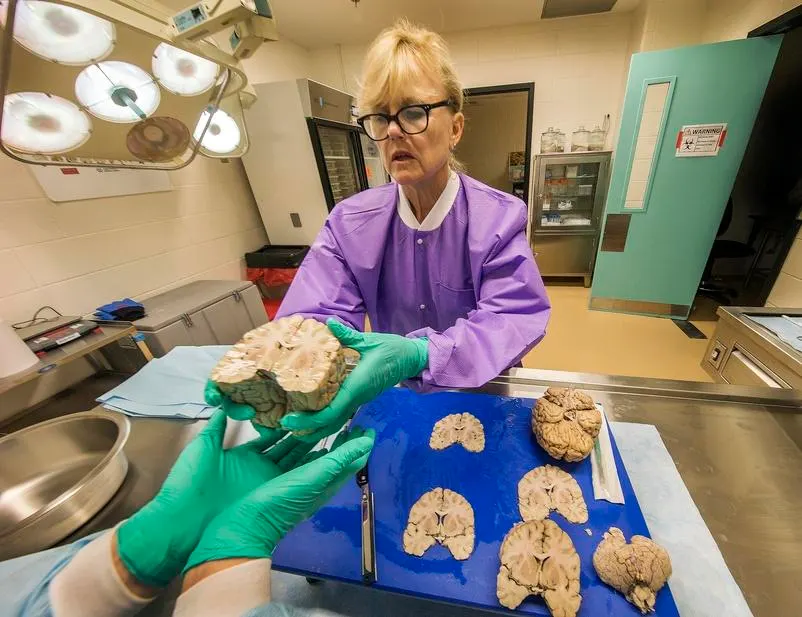
cte nfl research (Getty Images)A study published Tuesday in the British Medical Journal has put a number to what many in football have long feared. At least one in four NFL players who died between 2016 and 2021 had chronic traumatic encephalopathy, the degenerative brain disease better known as CTE. The research, led by scientists from Harvard Medical School, Massachusetts General Hospital, and Boston University, focused on 878 former NFL players who died in that six-year period. Of that group, at least 215 of them, or 24.5 percent, had CTE. And here is the part that should make the NFL uncomfortable: researchers say that 25 percent figure is likely the floor, not the ceiling.What does the new CTE study actually say about NFL players?The estimate of 25 percent is on the "low end," said Dr. Daniel Daneshvar, the study's lead author. The study found that the maximum possible prevalence of CTE was around 97 percent, but the true rate "is somewhere in the middle," Daneshvar said.That range between 25 and 97 percent sounds staggeringly wide, but it reflects a core limitation of CTE research: the disease can only be confirmed in dead tissue. CTE can be diagnosed only after death, so most research has depended on brains donated by players or their families. Of the 878 players in the sample, only 338 actually had their brains examined. The remaining 643 were never studied. Daneshvar's team ran statistical models to estimate what that missing data might look like, which is why the range is so broad.1 in 4 NFL players or more developed brain disease CTE (Getty Images)Jesse Mez, a BU CTE Center codirector of clinical research, put it plainly: "If at least 25 percent of NFL players who died had these changes in their brain, then this seems like a call to action for more discussion about risk, more research, and more support for affected families."When applied to active players, that would mean about 400 of the current 1,696 active players could develop CTE. That is not a projection the NFL or the NFLPA can easily dismiss. The NFLPA said in a statement: "This study is a sobering reminder that football carries real risks, and those risks can have lasting consequences for players and their families. The findings should serve as a call to action across the entire football ecosystem."Does the NFL's kickoff rule change make the CTE problem worse?The timing of this study lands in the middle of a live debate inside the league. When the touchback changed to the 35 and teams became incentivized to put more kickoffs in play, concussions spiked. Specifically for the player returning the kick and the player tackling him.That matters because the new BMJ study adds statistical pressure to what some team officials have already been saying privately. As one source put it, it was "the elephant in the room" at the annual league meetings in March. Moving the touchback line from the 30 to the 35 brought more returns, more collisions, and more concussions. Those concussions, accumulated over careers, are precisely what researchers link to CTE development.There is now a camp inside the league that wants the touchback point moved back to the 30. The new study will cause the opponents of the 35-yard touchback point to argue even more loudly that it should return to the 30.There is also an important caveat worth noting. The average age of the former players whose brains were donated was around 66 years old, meaning most of their professional football careers took place before 2005, when CTE was first diagnosed in a former NFL player. One researcher noted this "may not represent the NFL in 2026," given the rule changes and safety improvements made since then. That is a reasonable qualifier. But it does not make the numbers disappear.The NFL has spent years managing this conversation carefully. This study, peer-reviewed and published in one of medicine's most respected journals, makes that harder.
How bad is the NFL's CTE problem? A new study just answered that and it's grim
A study published Tuesday in the British Medical Journal has put a number to what many in football have long feared. At least one in four NFL players who died between 2016 and 2021 had chronic traumatic encephalopathy, the degenerative brain disease better known as CTE.
657 words~3 min read