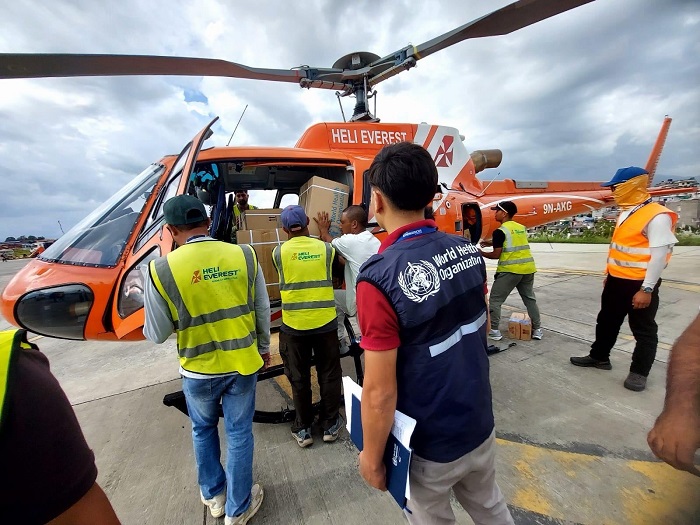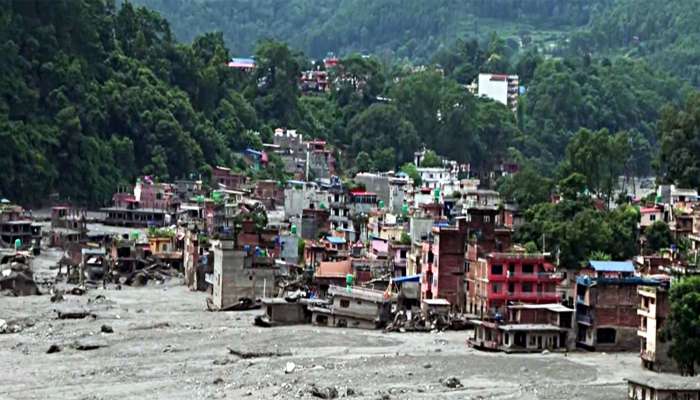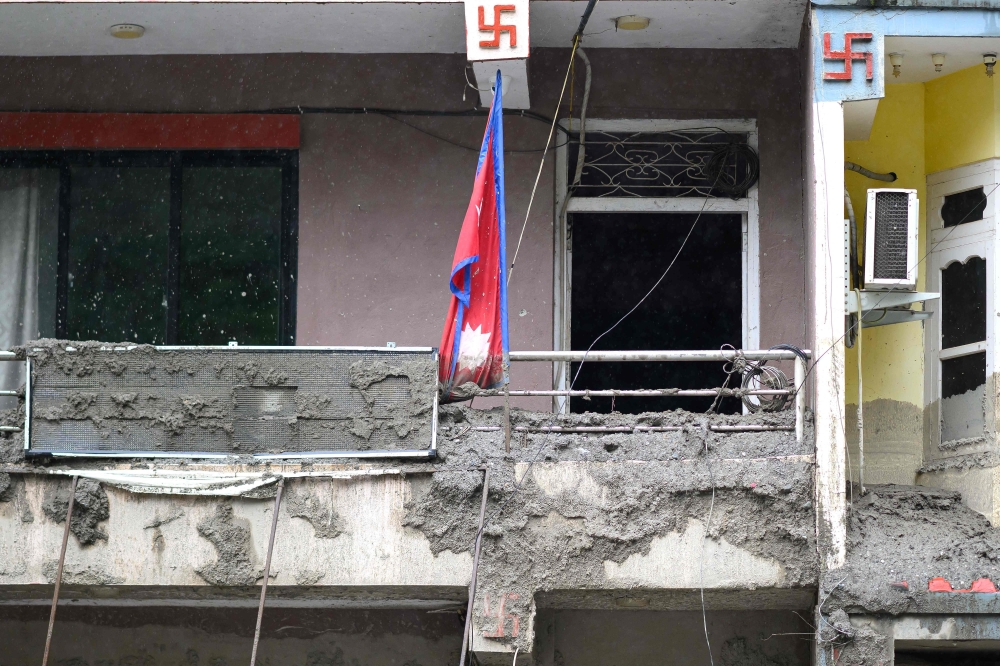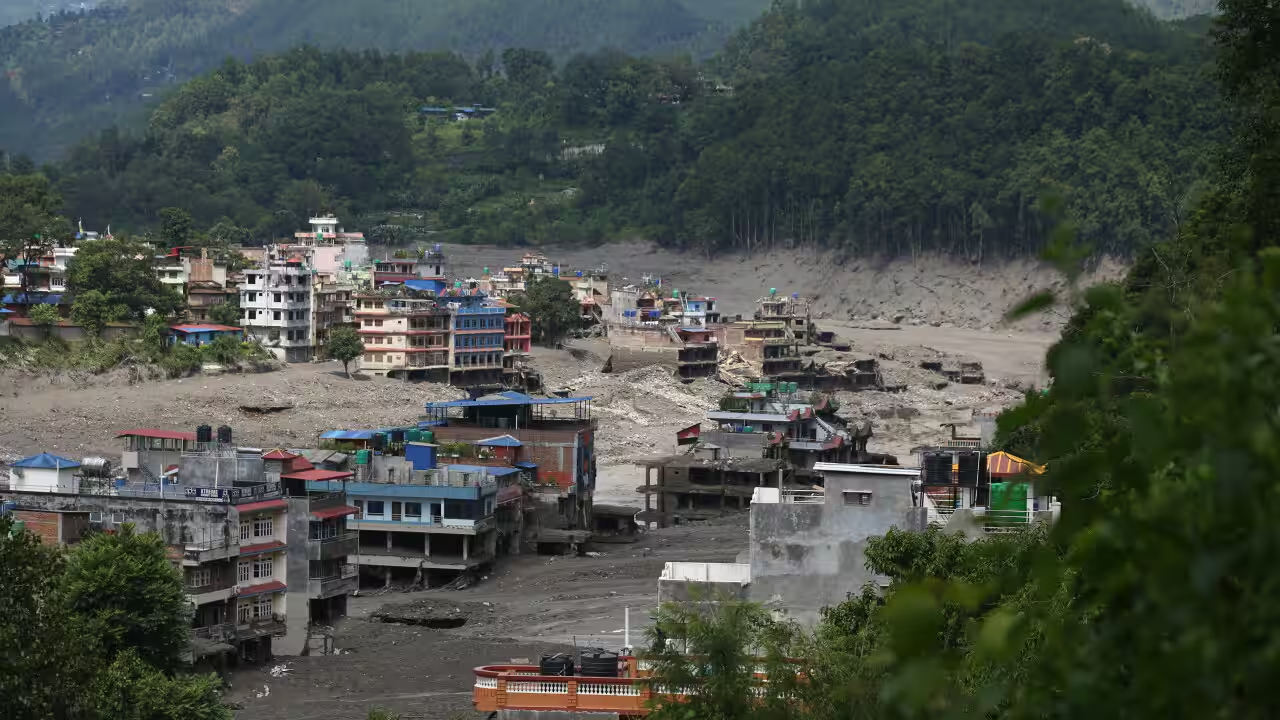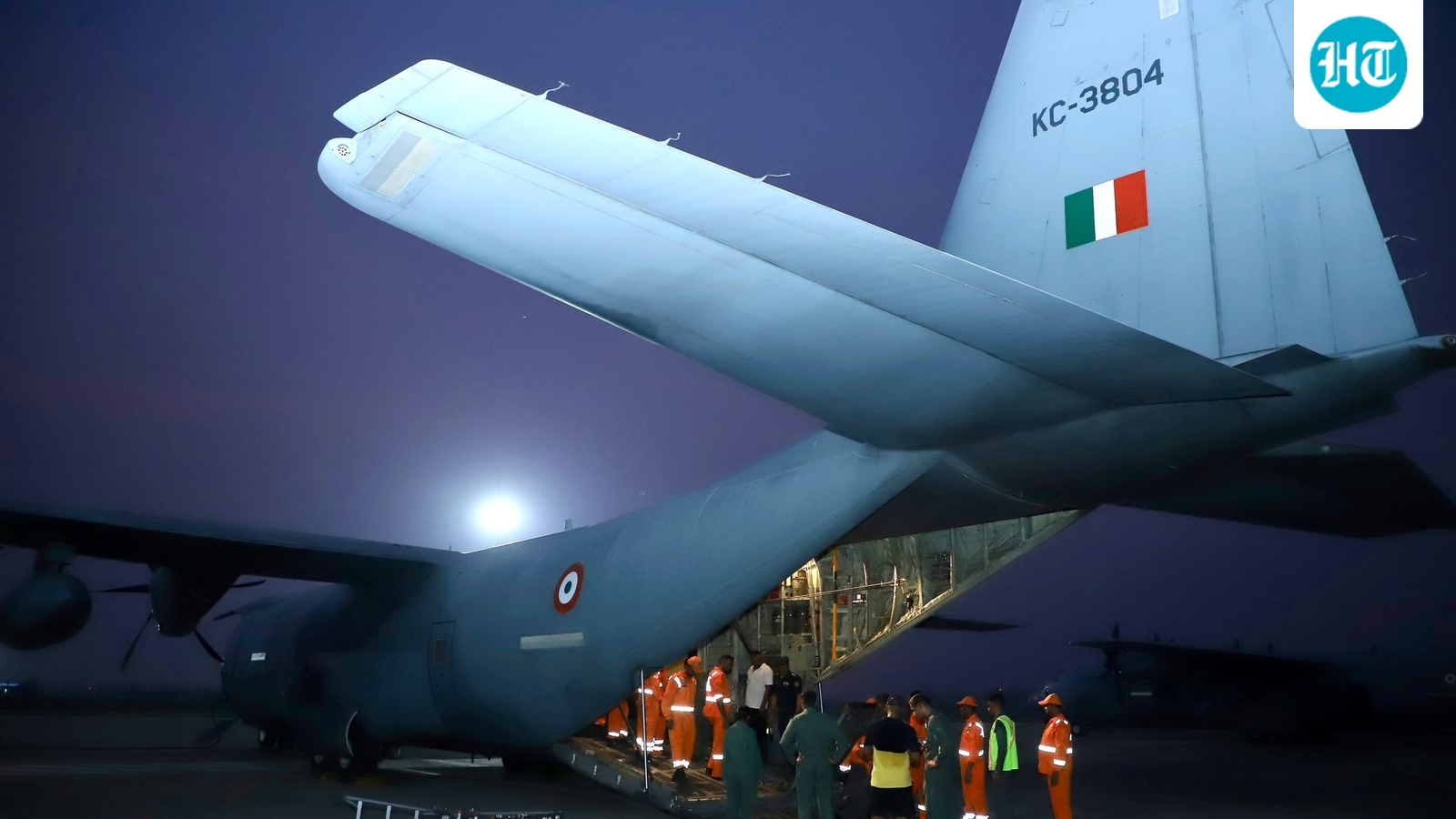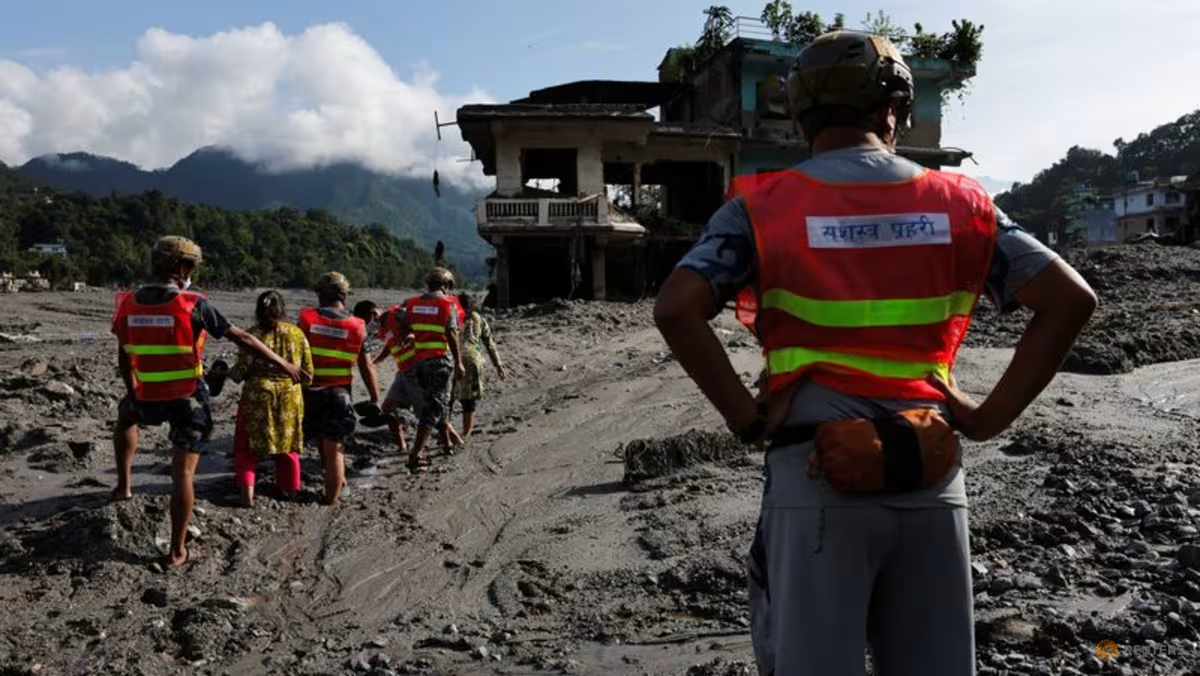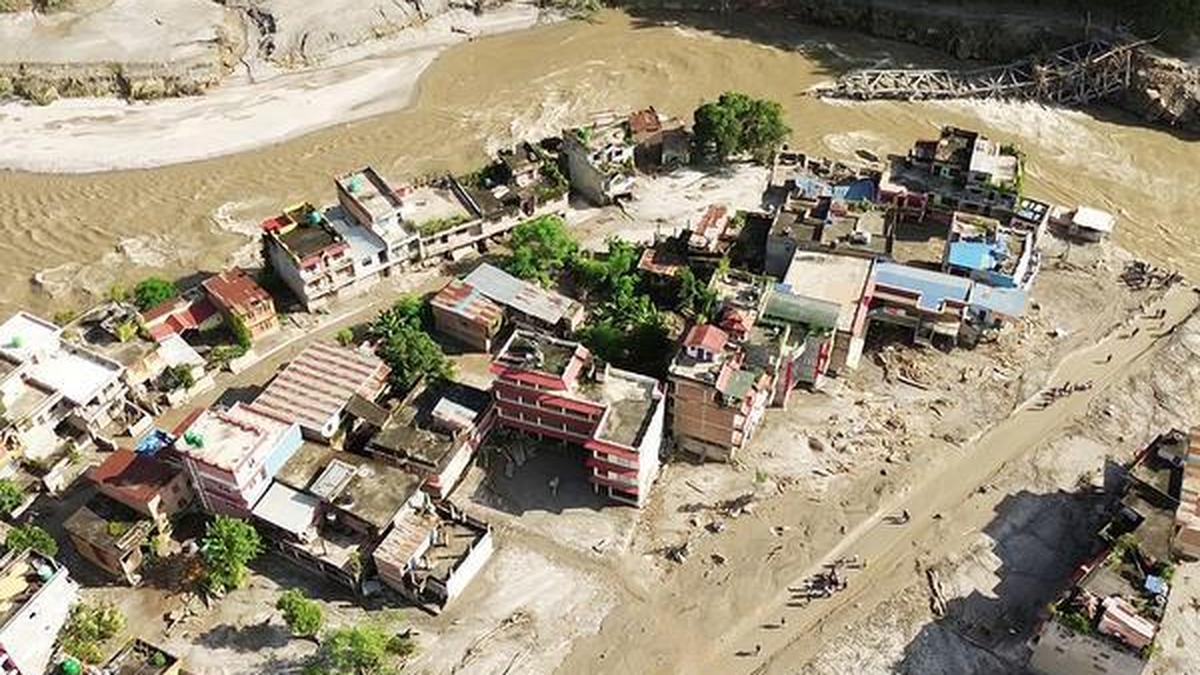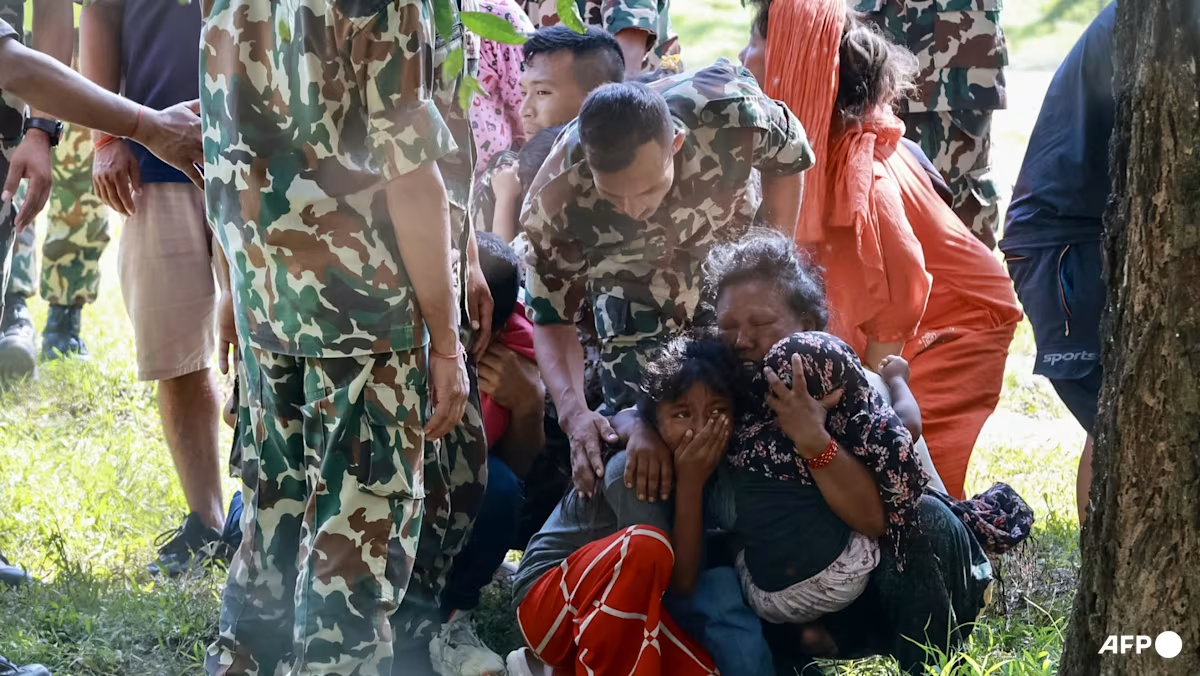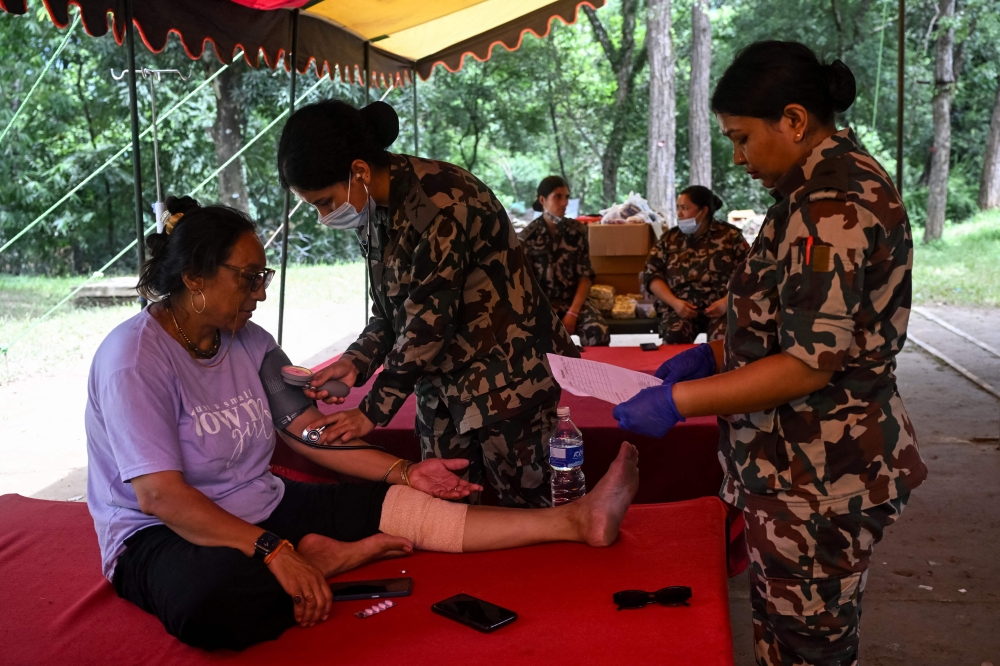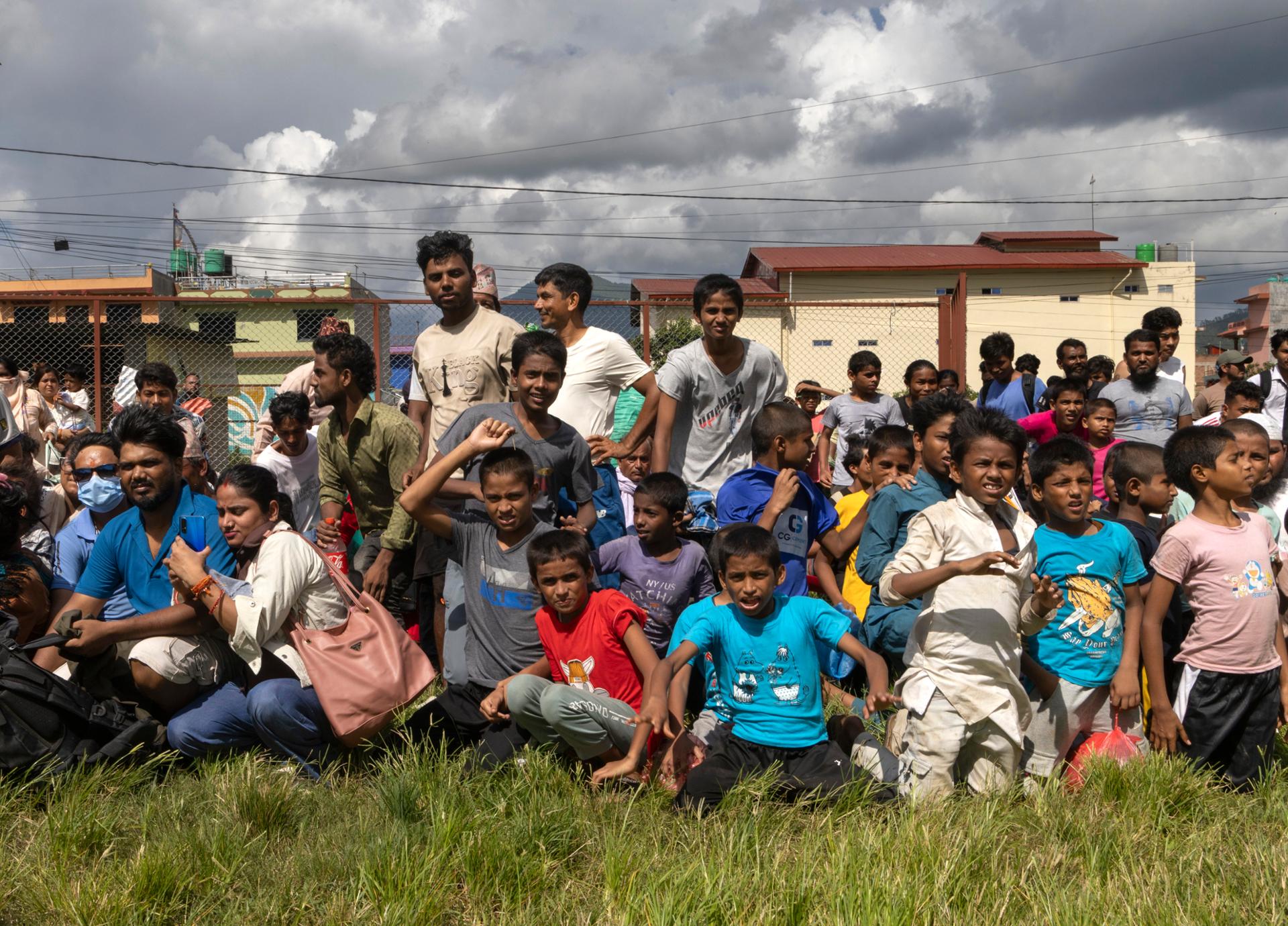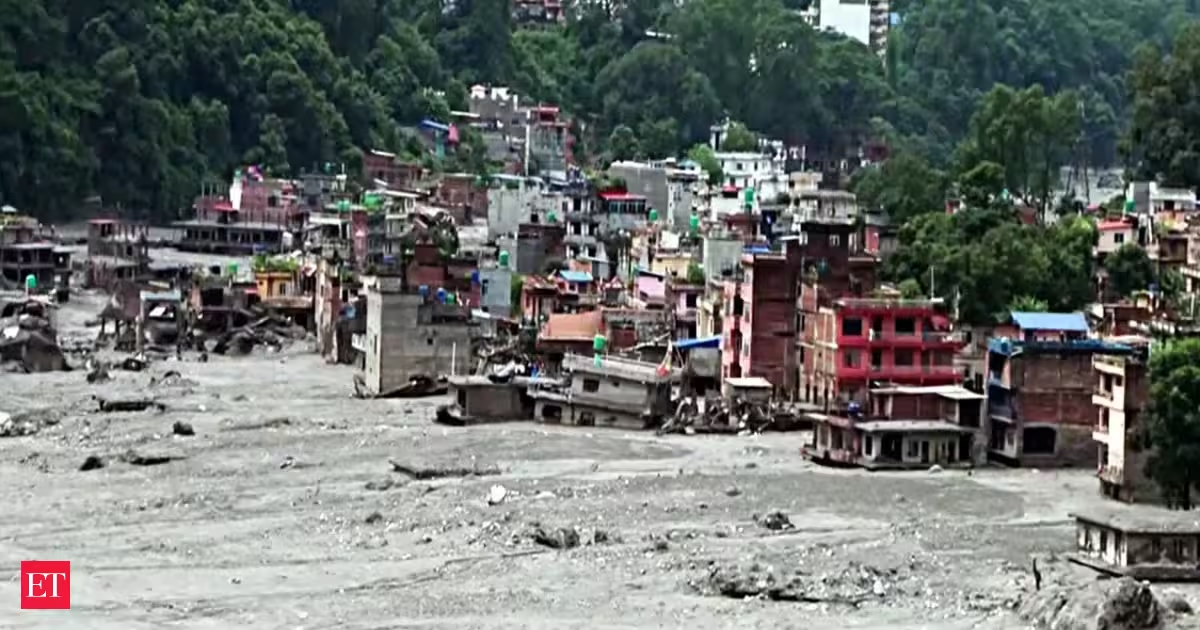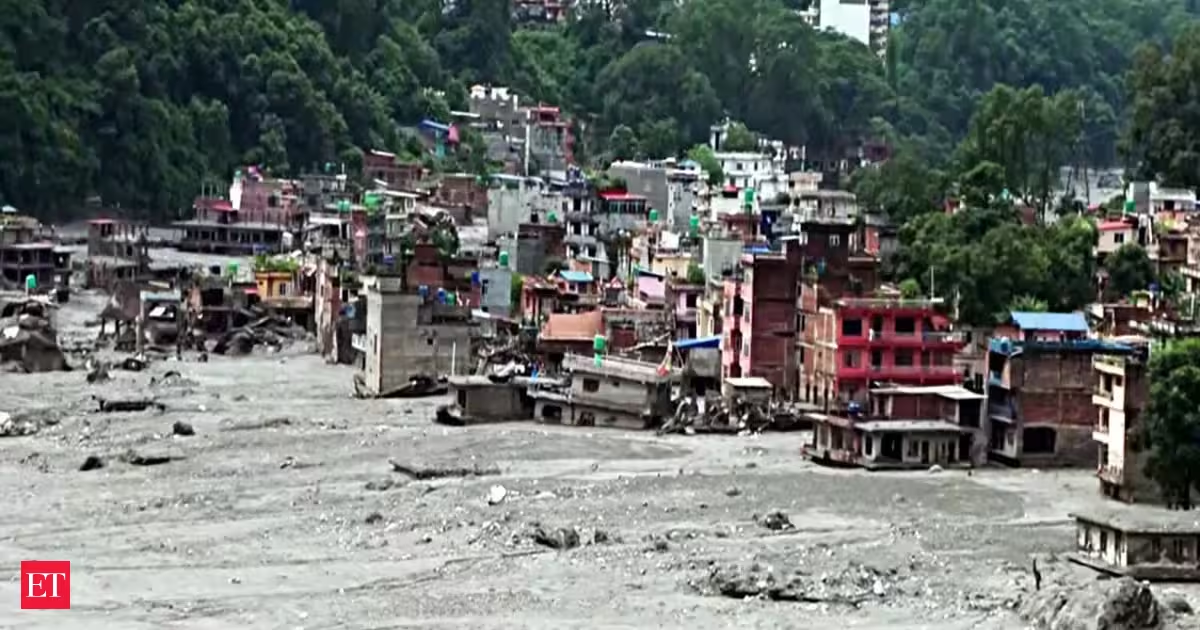
New Delhi [India]: The World Health Organisation has released US $150,000 from the South-East Asia Regional Health Emergency Fund (SEARHEF) to support urgent health and other needs of the communities impacted by the devastating flash floods in Nepal, one of the worst tragedies in the country in recent times."The emergency funds will support immediate response priorities. WHO is committed to supporting Nepal through the response and recovery efforts," said Dr Nilesh Buddha, Officer-in-Charge, WHO South-East Asia Regional Office.Earlier, within hours of the flash floods on 26 August, WHO mobilised and dispatched essential emergency medical supplies, including an Interagency Emergency Health Kit that can cater to the health needs of nearly 10,000 people for 3 months, along with multipurpose tents.Also Read: India sends rescue teams, 68.5 tonnes of aid to flood-hit NepalBased on urgent needs, WHO further mobilised surgical masks and gloves, hand sanitisers, and other medical supplies for the affected areas.Over 730 people have been killed in the floods, nearly 2500 are missing, over 200 are injured, and 74 are undergoing treatment, as per the latest report released by national authorities.An estimated 10,000 households need immediate relief in six districts across Bagmati and Gandaki provinces, severely affected by the floods. Widespread loss of life, displacement and damage to critical infrastructure, including health facilities, are being reported.Four health facilities in the worst-hit Rasuwa district have been completely damaged, and two in Dhading are partially damaged. Two hospitals - in Dhading and Trishuli - are inaccessible as roads are damaged. Reaching the displaced population in access-compromised areas continues to be a challenge.WHO is working closely with the Government and partners to coordinate the health response, strengthen disease surveillance, maintain essential health services and identify and address emerging health risks. These include drowning, injuries, diarrhoeal and respiratory illnesses, water- and food-borne diseases, and vector-borne diseases, among others.The loss of loved ones, homes and livelihoods, along with displacement and uncertainty, can also have a significant impact on the mental health and psychosocial well-being of the affected communities.
WHO releases US$150 000 emergency funds to support Nepal's flood response
The World Health Organisation has released US$150 000 from the South-East Asia Regional Health Emergency Fund (SEARHEF) to support urgent health and other needs of the communities impacted by the devastating flash floods in Nepal, one of the worst tragedies in the country in recent times.
333 words~2 min read