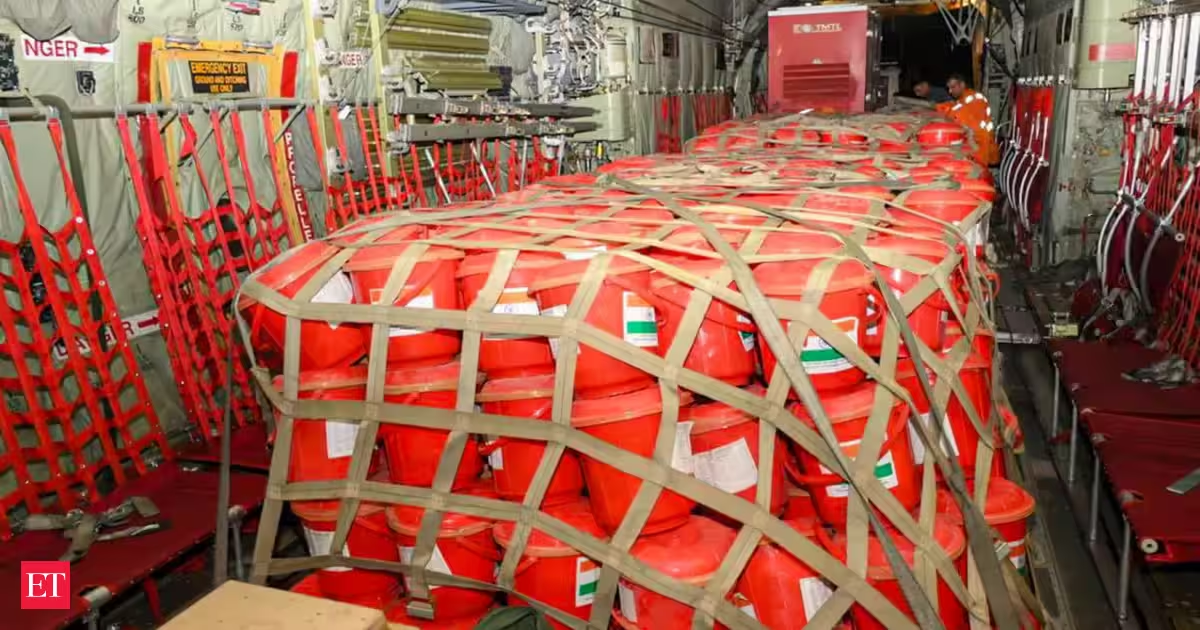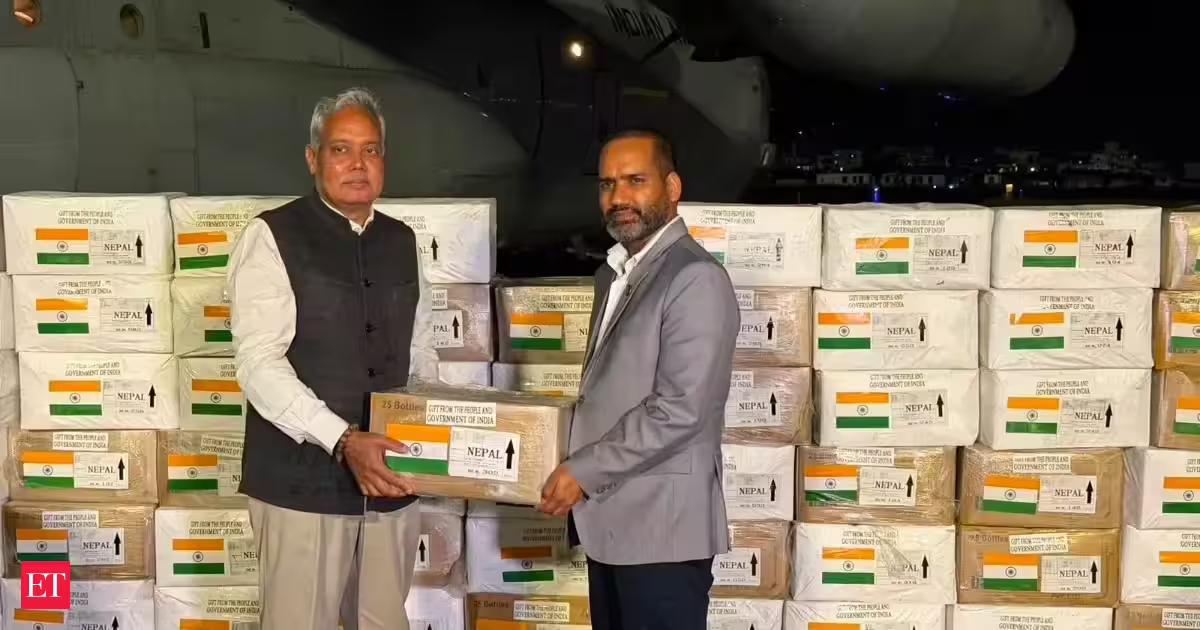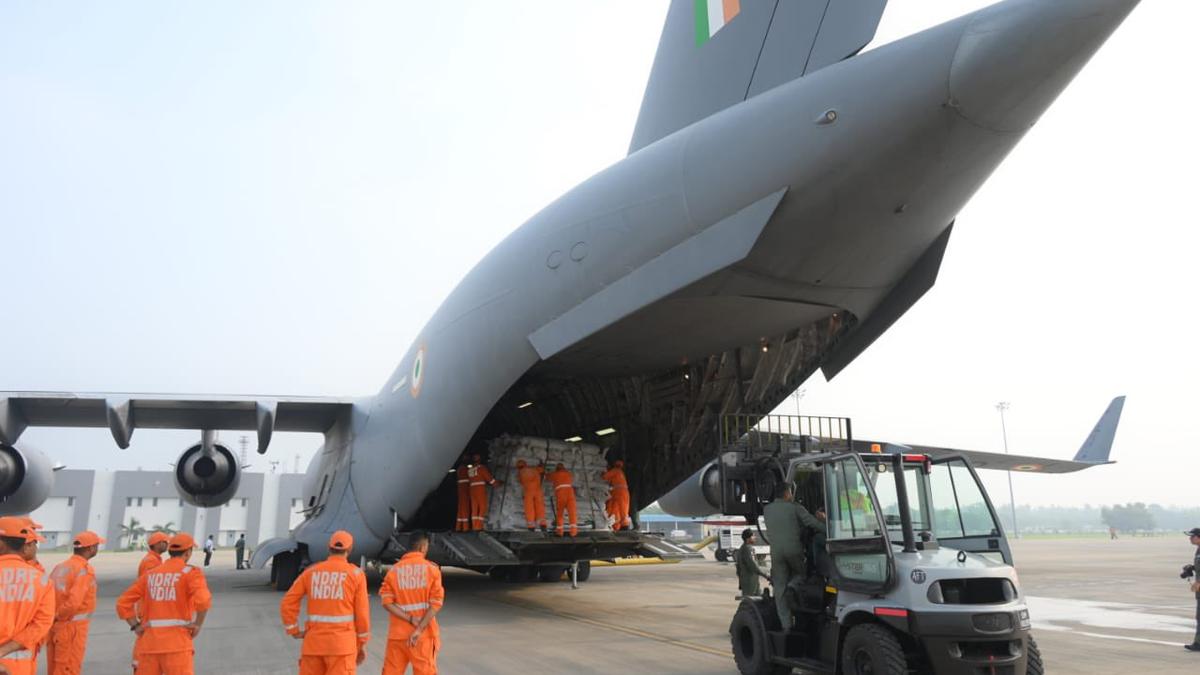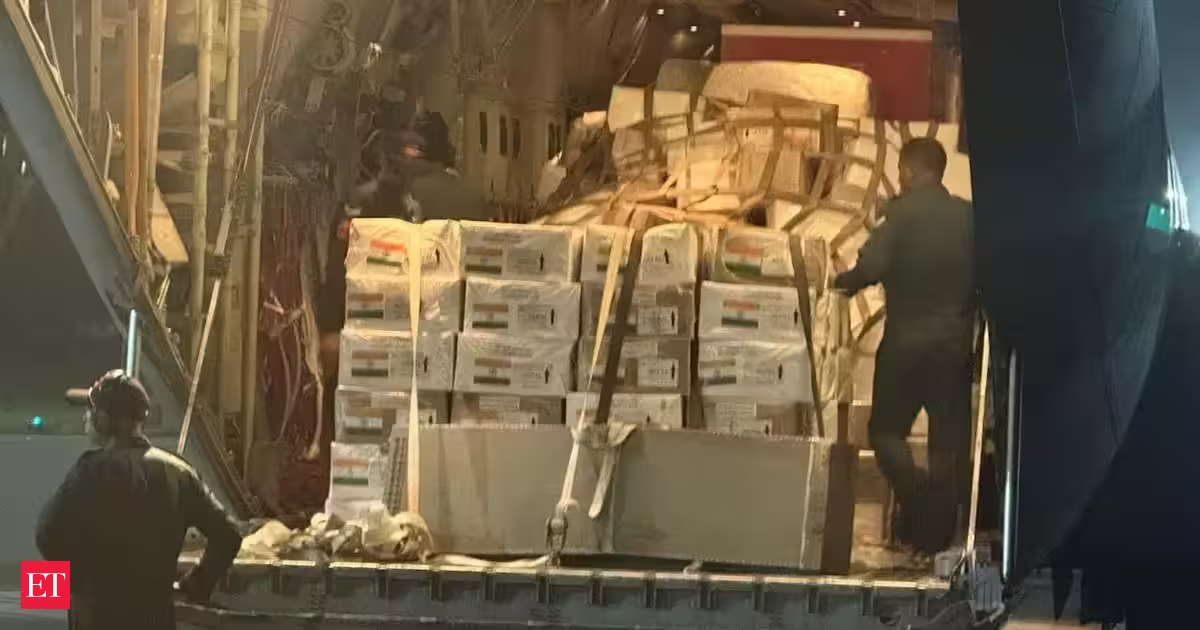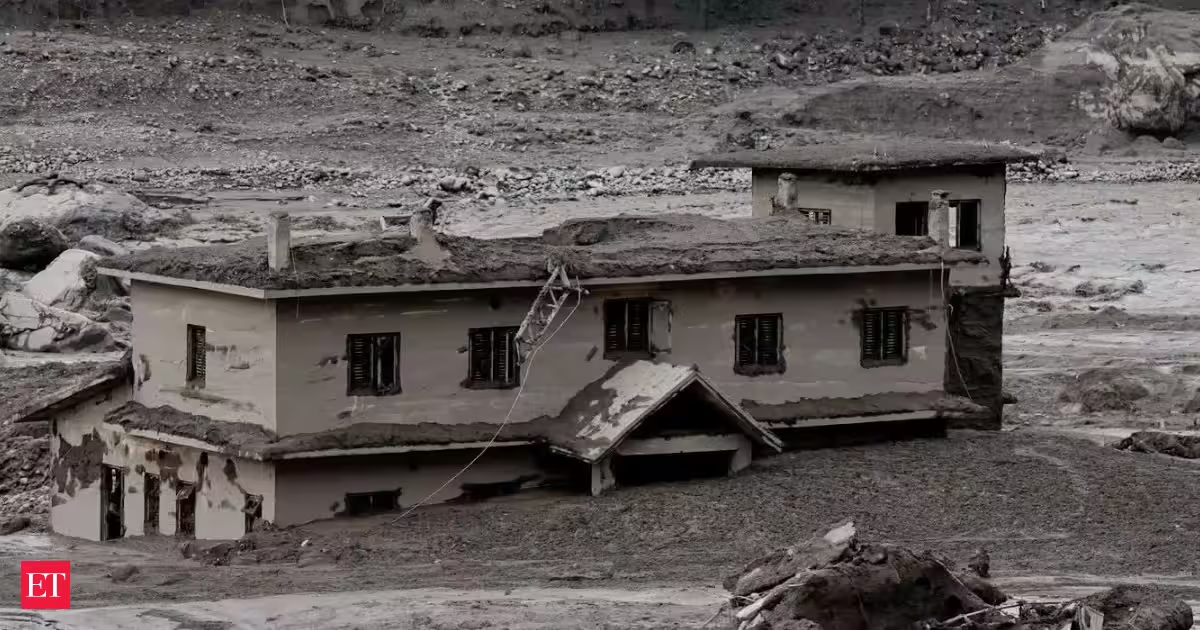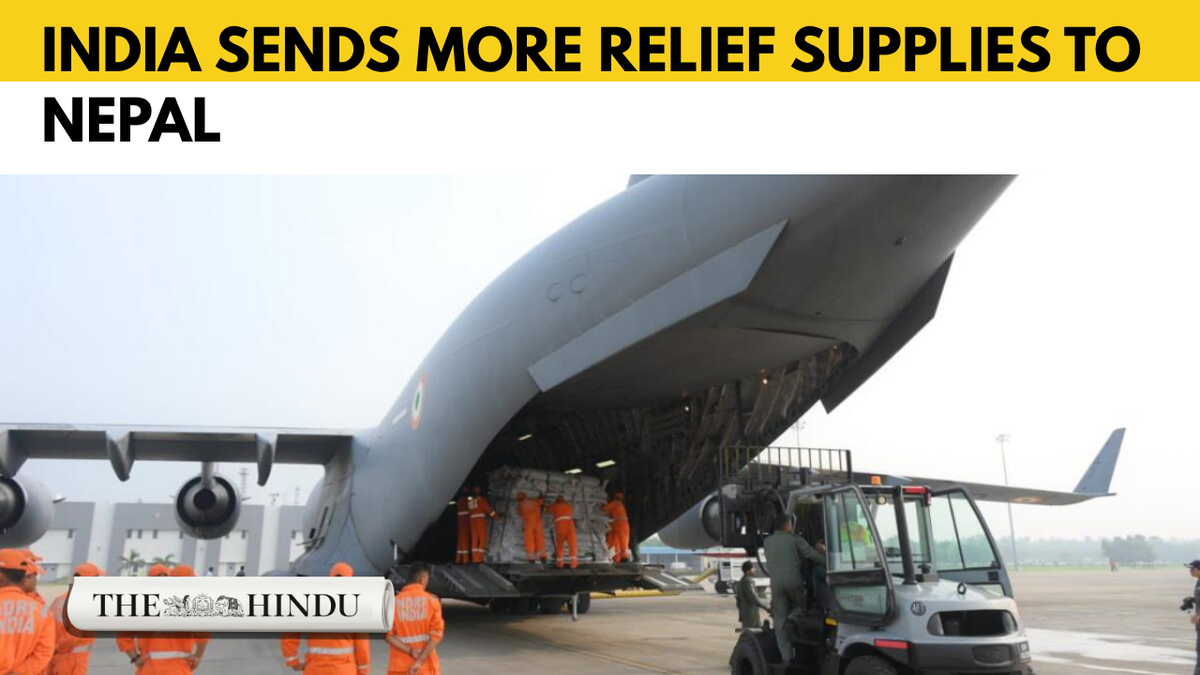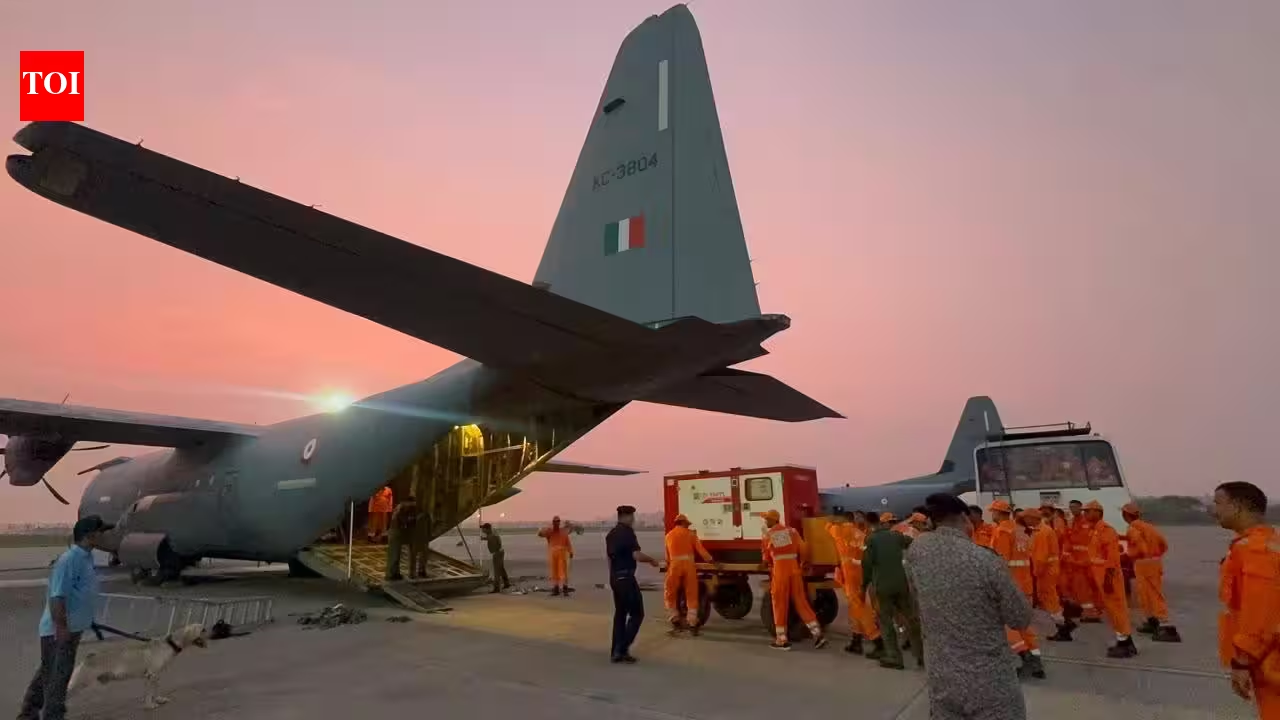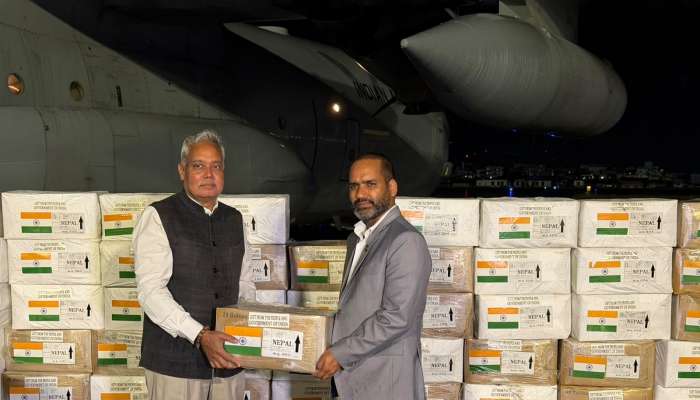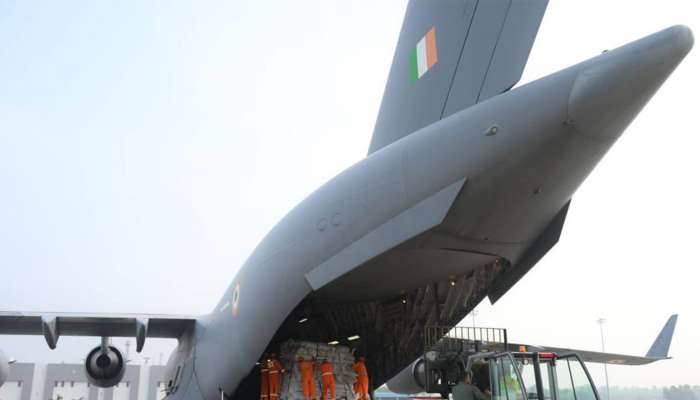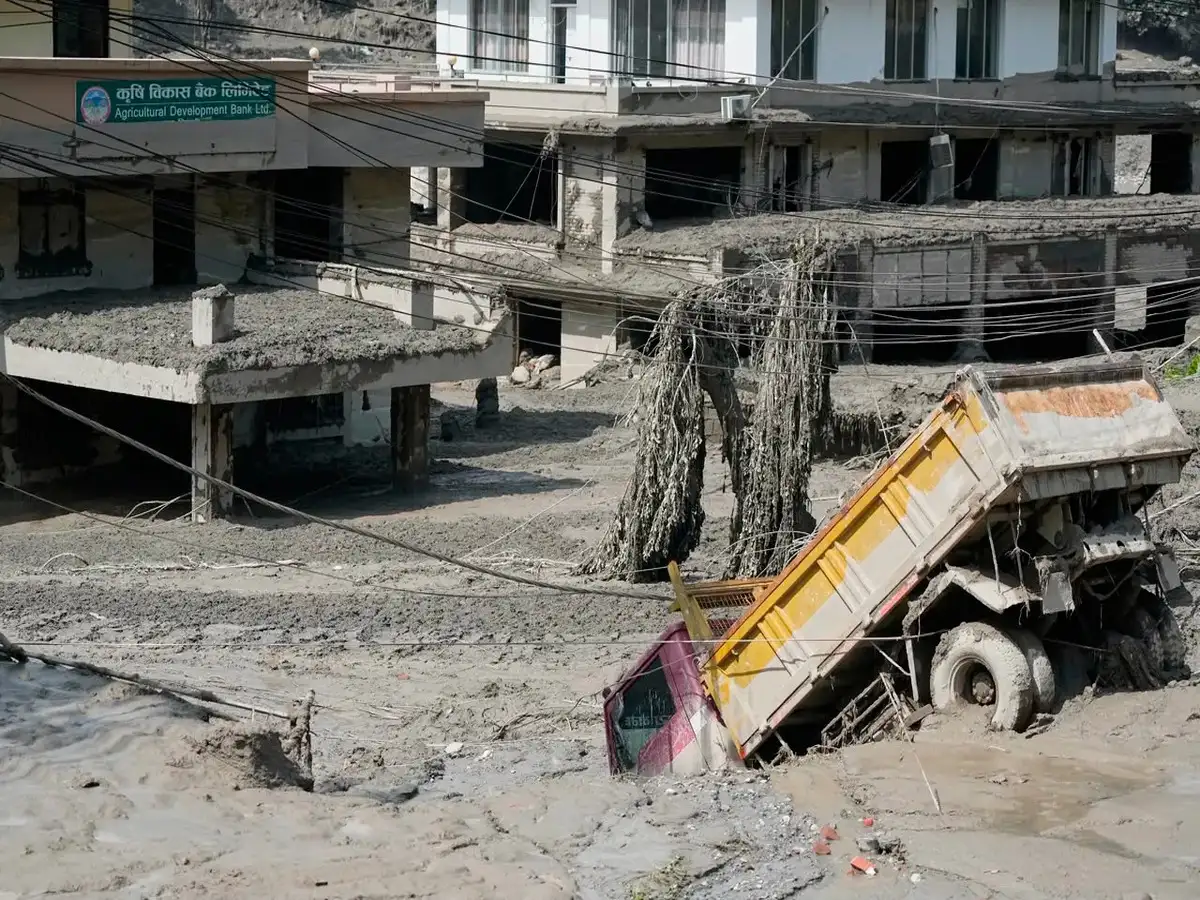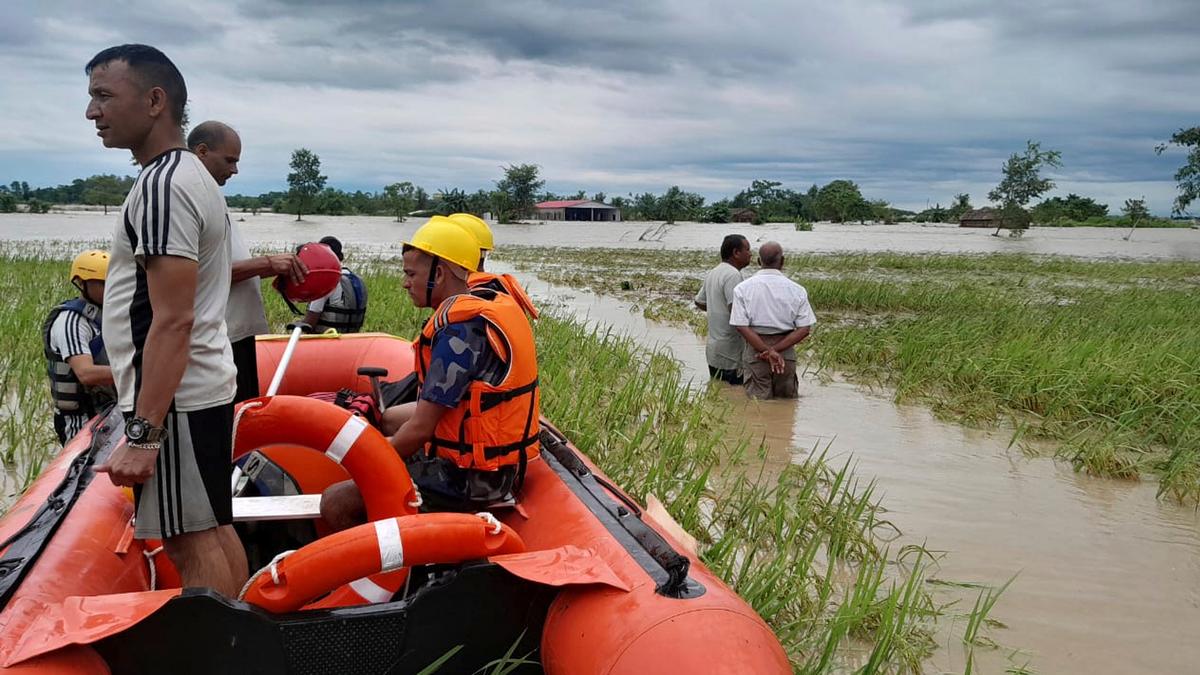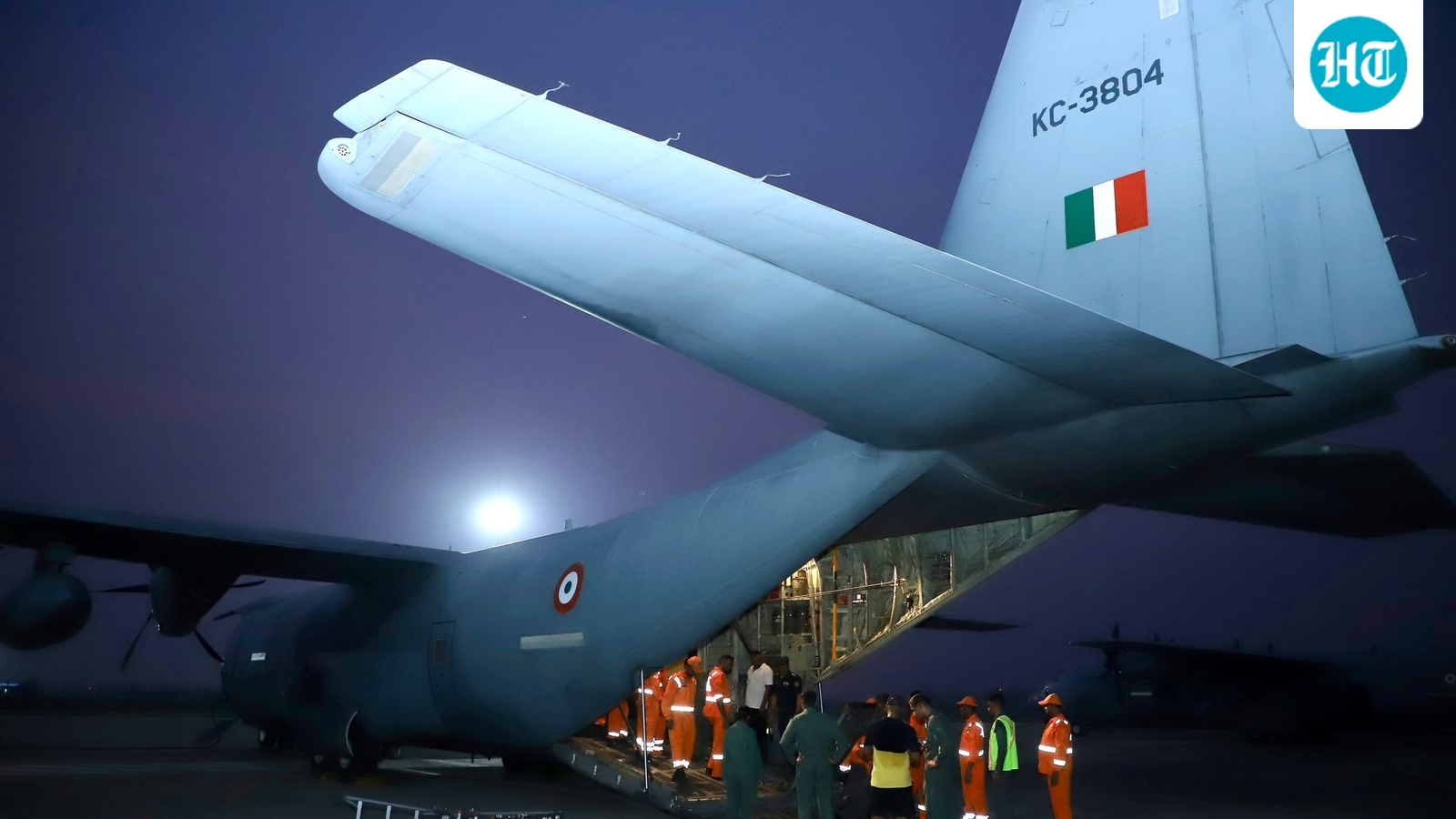
While several countries, including the US and China, have pledged support, India stands out for the speed of its aid delivery to Nepal.Prefer HTon Google At around 8:35pm on Wednesday, an Air Force C-130J aircraft took off from India carrying 10 tonnes of humanitarian and disaster relief assistance to Nepal, less than 12 hours after the ecologically fragile Himalayan nation was hit by a deadly flash flood. The first consignment reached Kathmandu that night.India's swift action also fits into a broader pattern of the country's growing humanitarian and disaster-relief efforts.The prompt response reinforces India's position as a "first responder", as New Delhi moved quickly to physically deliver relief to its Himalayan neighbour even as several other countries and international organisations, including China and the United States, were still mobilising assistance.India's swift action also fits into a broader pattern of the country's growing humanitarian and disaster-relief efforts—from Covid-19 vaccines supplied to countries in Africa and elsewhere to relief and rescue operations in earthquake-hit Turkiye and Syria in 2023, disaster-hit Myanmar in 2024, cyclone-hit Sri Lanka in 2025, and earthquake-hit Venezuela in 2026, among others.On Wednesday evening, Prime Minister Narendra Modi spoke to Nepal's Prime Minister Balendra Shah, conveyed his condolences, and said India was ready to provide all possible humanitarian assistance. He also said Indian teams were coordinating closely on rescue and relief efforts.As the first aircraft was dispatched, foreign minister S Jaishankar said on X that India had sent 10 tonnes of humanitarian assistance, adding that "India stands with Nepal and its people".Other global players have also pledged or begun providing assistance to Nepal.China, which has historically competed with India for influence in Nepal, has coordinated emergency supplies and cash assistance, according to China's ambassador to Nepal. The formal mechanism for transferring the money and delivering physical supplies was still being worked out, according to local media.South Korea, the United Kingdom, the European Union, the US, the United Nations, the World Health Organisation, and the World Bank have also offered or mobilised various forms of assistance. The US has committed $500,000 and a disaster-response adviser; the UK has pledged £5 million ($6.79 million) and emergency responders; and the World Bank has indicated it could provide up to 25 billion Nepalese rupees ($163.55 million) in emergency assistance.But what stands out in India's response is the speed of its physical relief delivery. On Thursday, New Delhi sent a second consignment, including medicines and food packets, taking the total delivered by air to 47.5 tonnes. By Friday afternoon, India had sent a total of 62 tonnes of relief material.The August 26 disaster in the Nepal-Tibet border region is believed to have been triggered by a massive glacial collapse that sent a torrent of ice, rock, mud and water down mountain river systems, destroying villages and sweeping away roads, bridges and other infrastructure. Satellite imagery and geological assessments have since shed more light on the sequence of events, though scientists are continuing to study what caused the disaster.As of Friday afternoon, 469 people had died in Nepal and three in Tibet, taking the death toll across the border to 472. Nearly 1,000 people were reported missing in Nepal, while 558 remained unaccounted for in Tibet.Shishir Gupta is Executive Editor at Hindustan Times and one of India's top journalists covering national security, strategic affairs, foreign policy and geopolitics. Over the past three decades, he has extensively reported on India's military, diplomatic and security landscape, covering every major conflict and national security challenge, from the 1999 Kargil War and the 2020 East Ladakh standoff to Operation Sindoor in 2025. He has also covered major terror attacks, including the IC-814 hijacking, the 26/11 Mumbai attacks and the 2025 Pahalgam terror strike, along with numerous Pakistan-backed terrorist incidents in the Kashmir Valley and across India. He has reported on national and state elections for more than three decades.
‘First responder’ India leads global relief race after deadly flash floods in Nepal
While several countries, including the US and China, have pledged support, India stands out for the speed of its aid delivery to Nepal. | India News
878 words~4 min read