Mutare, Zimbabwe – In Zimbabwe, women and girls overwhelmingly bear the burden of domestic labour – costing them opportunities outside the home. New policies are being considered to recognise the value of this unpaid work.
Every day, before delivering custom-sewn clothes to her clients’ doorsteps in eastern Zimbabwe, Cecilia Makumbe first takes care of all the household chores. “I clean the house, do laundry, fetch water and water the garden,” the 43-year-old mother of four, who lives in Mafuke village outside Mutare, Zimbabwe’s fourth largest city, told RFI. “By the time I start my sewing job, I am already exhausted.” In her village, there is limited access to resources like water and clean cooking stoves. Makumbe walks nearly a kilometre to fetch water from a shallow well because the nearest community borehole is double the distance away.
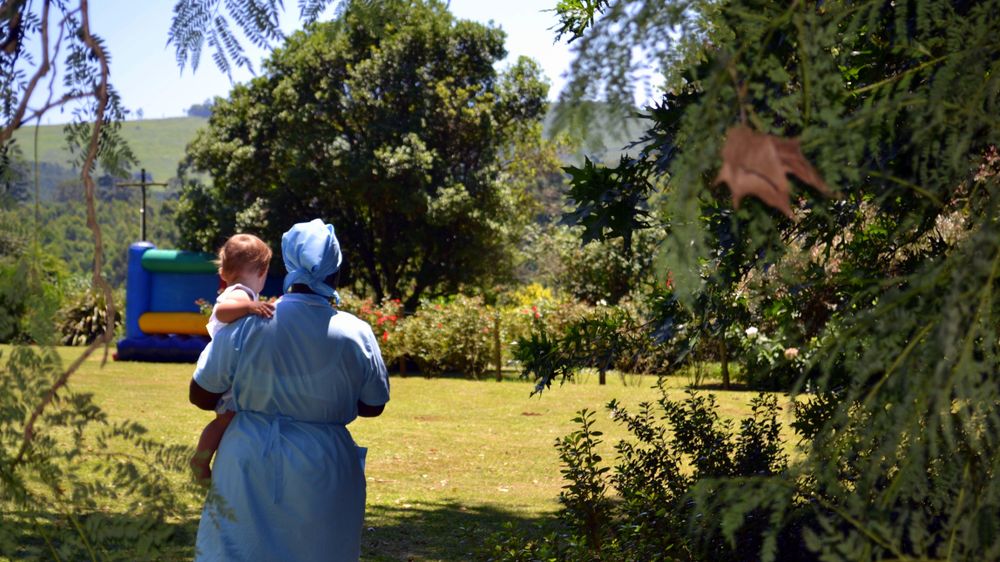
Cecilia Makumbe on her way to deliver custom-made clothes to her clients in Mutare. © Farai Shawn Matiashe
Unequal burden Her story is similar to that of many Zimbabwean women who are losing opportunities because of the time they spend providing unpaid labour. Proposed legislation known as the Unpaid Care and Domestic Work Bill aims to address this. Drafted in 2024, it seeks to put in place policies to support women and girls who carry out the overwhelming majority of domestic labour. While the bill has not yet been enacted, its supporters are renewing their push. A motion to formally recognise chores like cooking and cleaning as essential economic labour was first introduced in parliament late last year and debated by legislators this week. Sizalokuhle Ncube, a communications manager at the Women’s Academy for Leadership and Political Excellence, a women’s rights organisation lobbying for the cause, says unpaid care and domestic work is not a private household issue – it has economic, social and political consequences. “Women continue to carry a disproportionate share of cooking, cleaning, childcare, caring for older persons and persons with disabilities, collecting water and other essential household responsibilities,” she said.